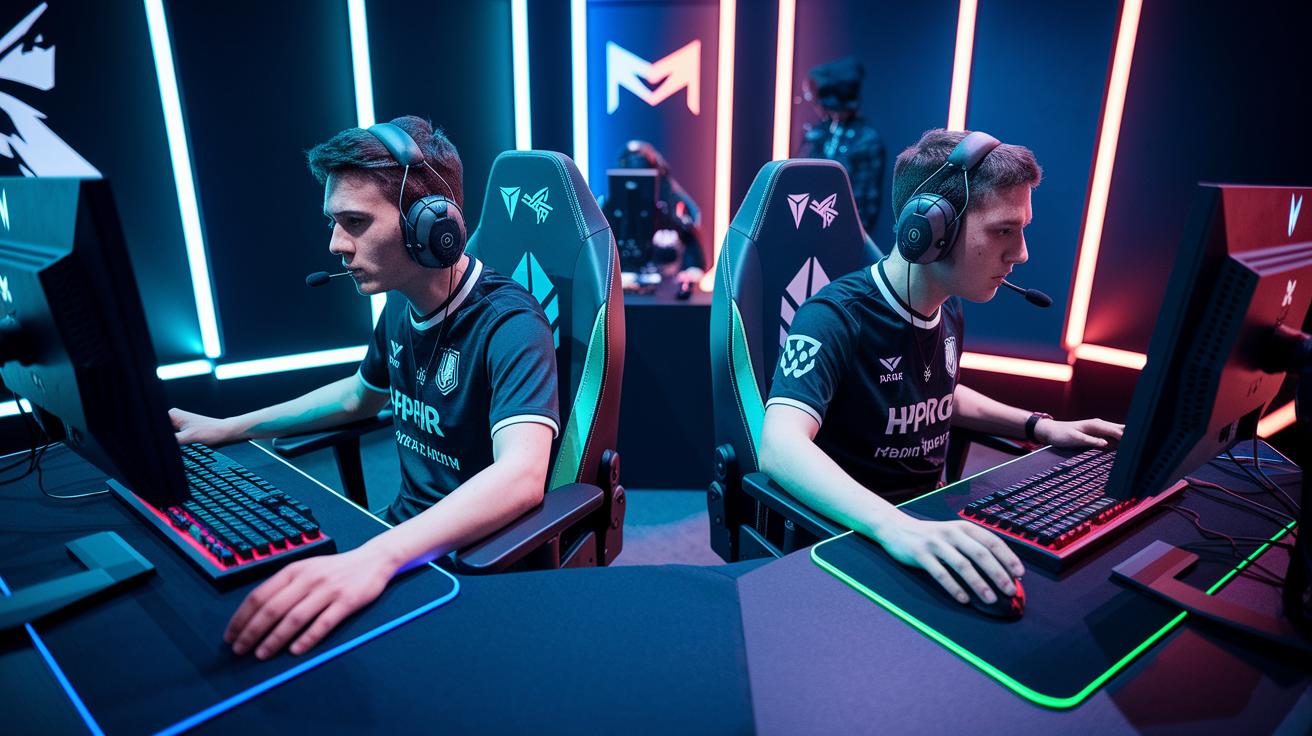
Have you ever thought about why some teams win every game while others seem to be stuck? Let’s dig into what makes champions so different. We’re talking about smart tactics, smooth teamwork, and clear decisions that come from solid data.
Imagine setting up your playbook like a pro before a big round. With every move, you learn how teamwork and well-timed plays can turn raw talent into a real win. Ready to rethink your strategy and discover what truly drives success in the digital arena?
Blueprint for Esports Strategy: Tactical, Operational, and Analytical Foundations
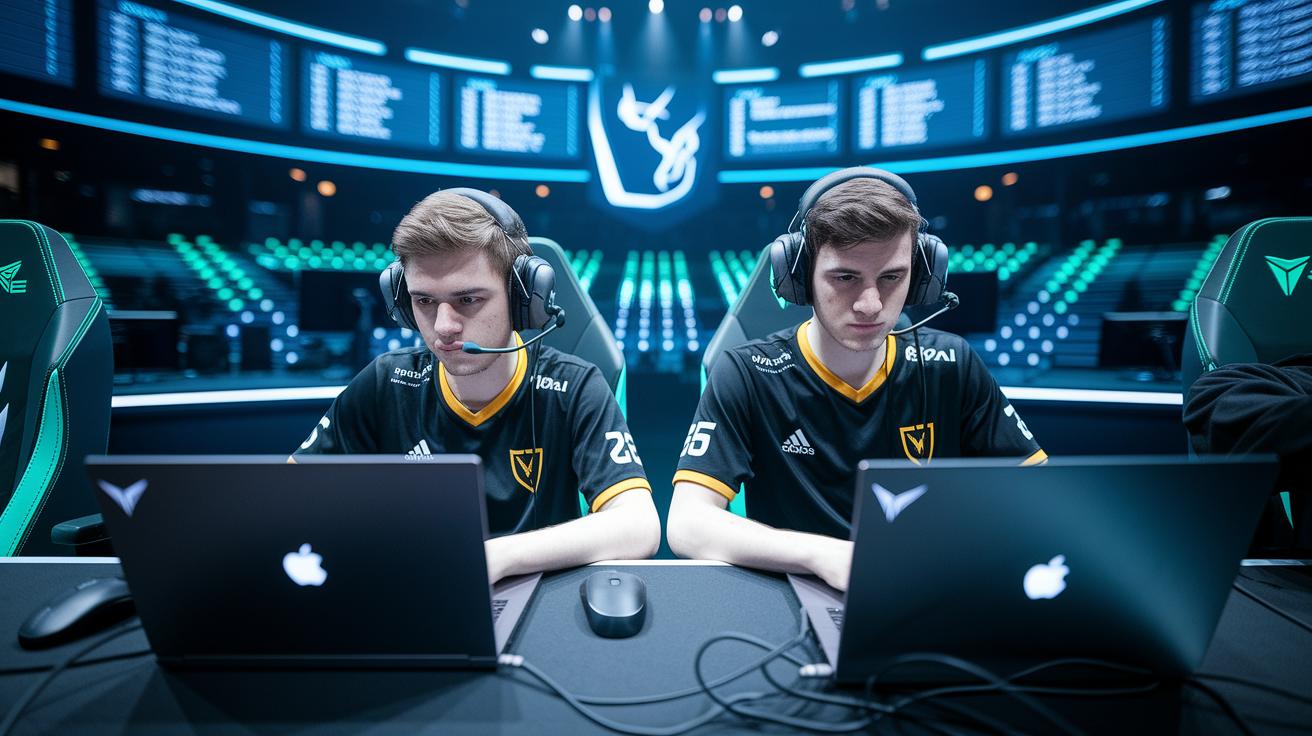
The esports world has exploded over the last few years. It jumped from $463 million in 2016 to over $1 billion in 2019. Around 380 million passionate viewers tune in for the big events. That kind of growth has caught the eye of game publishers, teams, tournament organizers, sponsors, and streaming giants like Twitch and YouTube Gaming. Money now flows from sponsorships, ads, media rights, and prize pools, making the field as lively and varied as a well-played match.
Building a solid esports plan boils down to three key parts. First up, tactical planning: this is where you shape your play strategies, sort out in-game moves, and watch replays to see where you can up your game. Think of it like locking in your battle plan before the final round. Next is the operational setup. This part keeps team logistics and communication smooth. It means giving each player a clear role and a set practice routine so everyone knows what to do on game day. Lastly, data-driven analysis turns performance into clear numbers. By tracking key stats, you can tweak your strategy based on solid evidence instead of just going on gut feelings. Together, these three steps form a winning blueprint that turns raw skill into award-winning play.
If you're keen on taking your game to the next level, stick around. We'll dive into more tactical details, share team management tips, and break down how to use data to boost your performance. Ready to gear up with some competitive tactics and fresh digital arena planning? Let’s get into it and make that winning formula yours.
Tactical Frameworks and Playbook Design
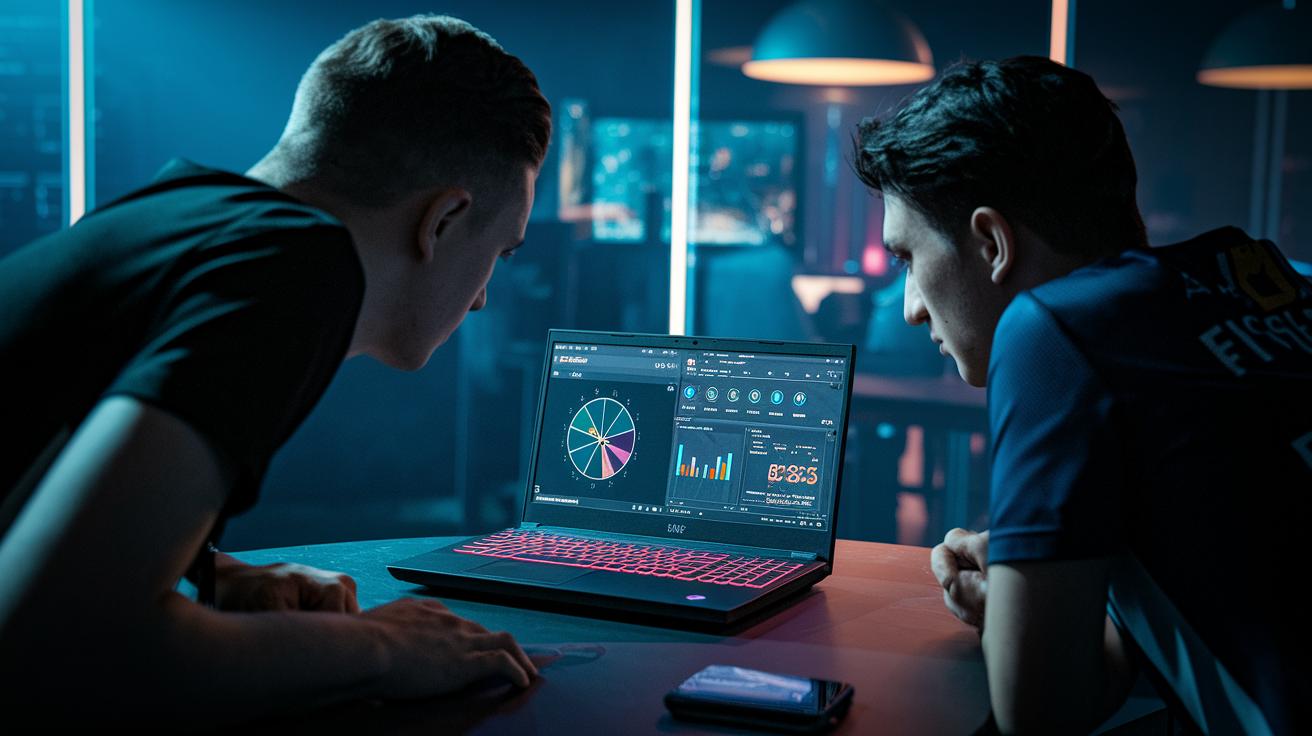
In competitive esports, having a strong game plan is like the secret sauce in a killer playbook. It helps teams swap strategies on the fly, chat quickly, and outsmart their opponents.
A solid playbook uses proven tactics that turn tough calls into simple steps. Teams lean on these ideas to cut down mistakes, plan for any twist, and up their game during those intense moments.
- Opponent snapshot – Check out enemy strengths and weaknesses to find your edge.
- Risk-reward guides – Weigh the good and the bad of each move before diving in.
- Quick chat maps – Set up fast ways to share key details during a match.
- Role assignments – Outline who does what so the team stays organized.
- Timed objective plans – Break down the steps needed to snag important goals.
Keeping these tactics sharp means practicing them regularly. Teams often review gameplay videos to see how well their plans work in real time. When you keep practicing and tweaking your game plan, everyone builds great teamwork and is ready to act quickly when every second counts.
Case Studies: In-Depth Match Reviews and Outcome Analysis
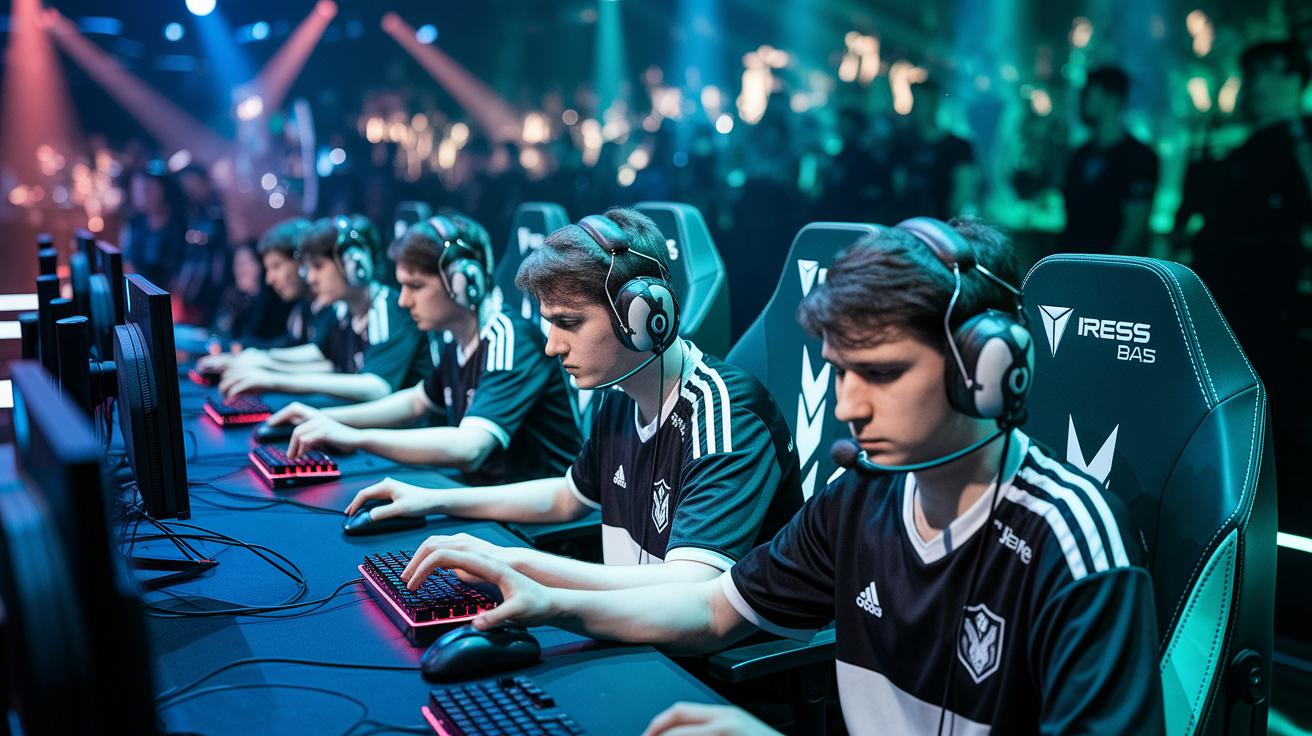
In esports, every moment matters and a smart move at the right time can change the whole game. Two well-known matches show how quick thinking and careful planning can lead to a win.
At the 2020 Worlds final, Team A truly nailed it by grabbing Baron Nashor at the 20-minute mark. That move flipped the game in their favor. They kept their focus on controlling the minion waves and setting up great vision, which built them a 10K gold lead by 25 minutes. Just imagine how one well-timed move can create a ripple effect, forcing the foe to play it safe and leaving them on the back foot.
Over in the 2019 CS:GO Berlin Major, Team B pulled off a turnaround with some smart, flexible planning. They switched up their tactics during rounds 14 to 16, using strong pistol-round strategies and quick mid-game rotations. This change relied on watching their in-game economy closely and really turned things around with a 2-round comeback. It goes to show that adjusting your strategy on the fly can give your team a much-needed boost.
| Event | Strategy Employed | Outcome | Lessons Learned |
|---|---|---|---|
| League of Legends Worlds 2020 | Objective timing, wave management, vision control | Built 10K gold lead by 25 minutes | Smart map control can turn the tide of the match |
| CS:GO Berlin Major 2019 | Adaptive economic management, pistol-round tactics, mid-game rotations | Enabled a 2-round comeback | Real-time tactical shifts can change match momentum |
Player Performance Metrics and Analytical Benchmarks
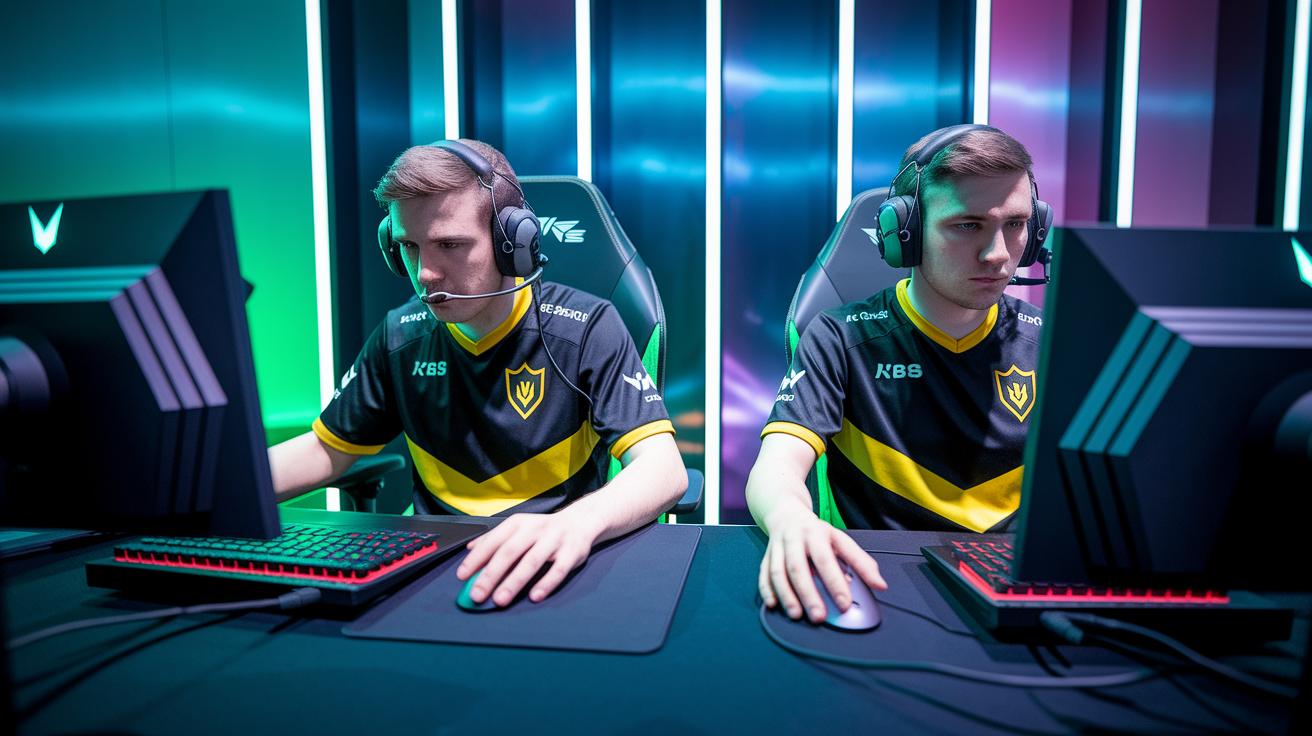
Understanding your in-game numbers is like checking your fuel gauge before a big match. The KDA ratio, tracking your kills, deaths, and assists, acts as a quick check to see if you're stepping up when the team needs you. You also have stats like objective participation, damage per minute, gold per minute, and control percentage; each one shows a different side of your play. It’s like having a mini post-game review that highlights where you're strong and where you could level up.
Teams use these benchmarks to set clear goals. Top players often aim for a KDA of around 4.0, a gold per minute rate of 400 or more, and at least a 60% control rate on objectives. These targets aren’t random, they signal that a player has great game sense, map awareness, and the ability to make smart calls when things heat up. Coaches and analysts dive into these stats to see if someone is ready for the next level or if they need more practice on specific areas.
When teams build training around these numbers, it changes the whole approach to every match. Data-driven reviews make practice sessions focused and practical. Players talk about how their own stats mesh with the team's strategy, work on drills to hit those key numbers, and tweak their play style based on what the data shows. This mix of regular adjustments not only boosts confidence but also sharpens the competitive edge needed for those epic in-game moments.
Team Management Insights and Coaching Technique Studies
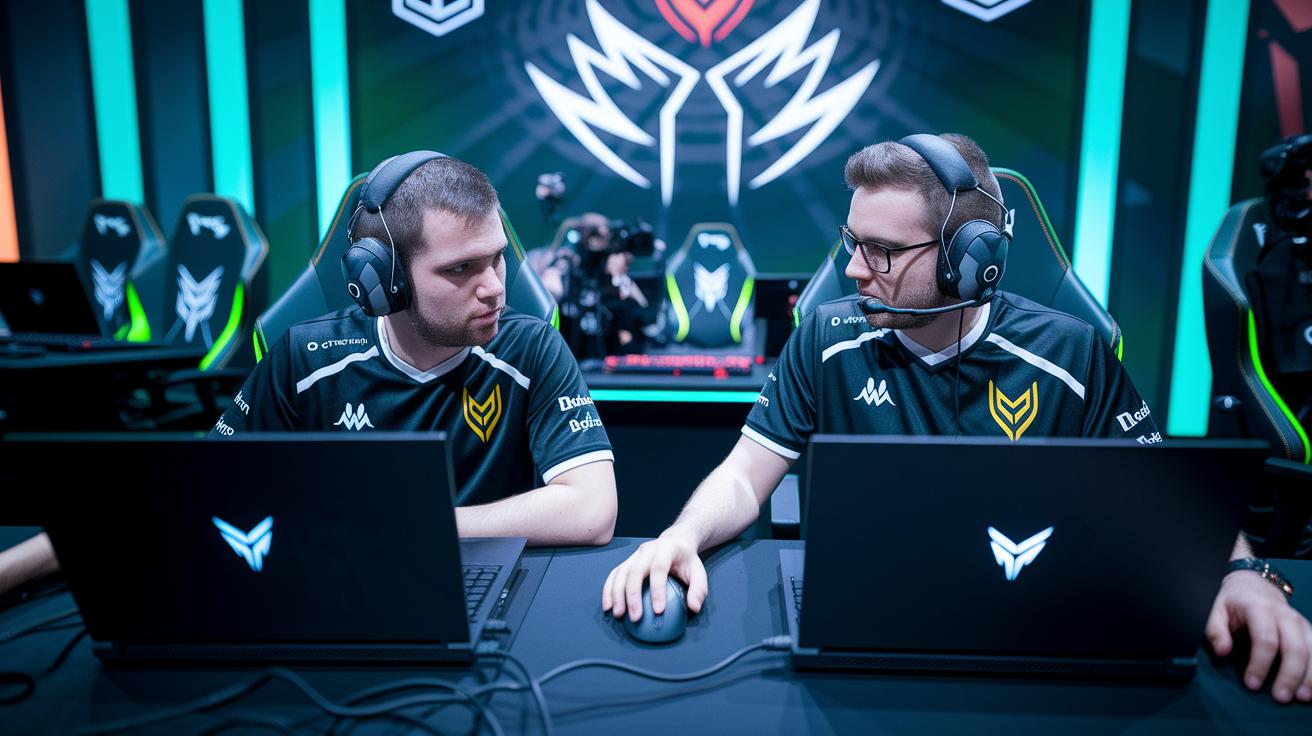
Good team management in esports is all about making clear plans and forming strong bonds among your squad. Coaches make about $61,000 a year by designing practice routines, setting up smooth communication channels, handling conflicts, and boosting team spirit. This setup keeps everyone on track and ready when the pressure is on.
Practice Regimen Improvements
One big part of this process is setting up clear practice routines. Coaches break training into focused phases and add drills that really mimic the pressure of a match. For instance, a session might start with warm-ups, move into high-energy scrimmages, and wrap up with reviews that highlight both personal and team skills. This approach helps players fine-tune their reflexes and decision-making, just like rehearsing for that game-changing play.
Communication Flow Optimization
Strong communication is the heartbeat of a winning team. It means having regular check-ins to share strategies and using set call-outs during matches so everyone knows what’s up. Coaches might schedule quick in-game check-ins or use a set order for relaying important info. This way, there’s less confusion and everyone knows their role, which leads to smoother, more coordinated gameplay when every second counts.
Morale and Mindset Development
Staying mentally tough is crucial in competitive play. Coaches often run short pre-match mental workshops that include simple breathing exercises and pep talks. These sessions help players remain focused and calm under pressure, encouraging a mindset that sees challenges as opportunities to improve.
Pre-Game Scouting and Workshop Planning
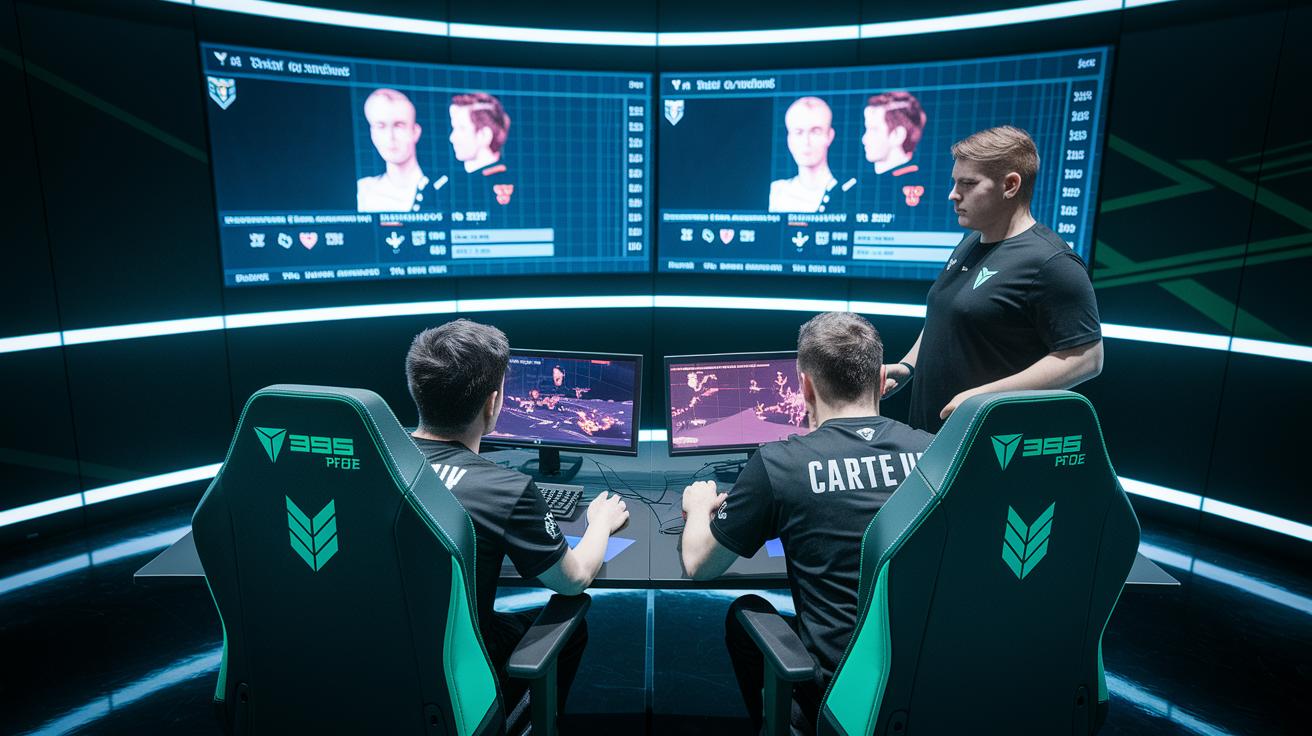
Esports teams these days dive deep into scouting before a match. They use smart simulation software to map out the play, ditching the old days of relying on local high-score sheets from pizza parlors. Now, teams watch every little change, be it a shift in opponent rotations or a tweak from a new patch. These tools give quick, live details about enemy spots, how they change their style, and where they’re weak. Imagine setting up a playbook that adapts to the latest trends in real time.
After gathering all that data, teams turn it into clear strategies during their workshops. They start by checking the map closely to spot the best control points and potential ambush spots. Next, they chat about player habits so they can predict moves and plan counters. Finally, they review how new updates might shake things up in the game. Each step builds a solid plan, letting players feel ready and confident when the big match kicks off.
In-Match Adaptation Strategies and Real-Time Adjustments
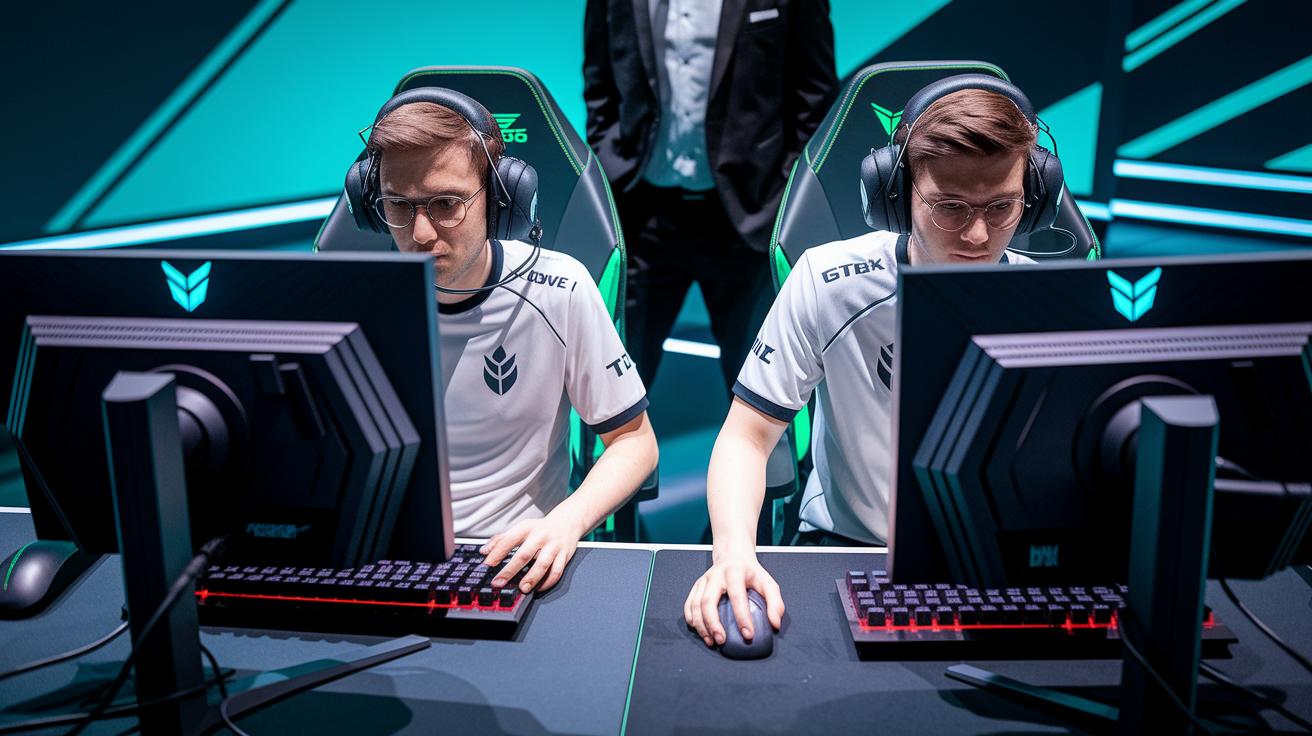
Gamers now tap into live stat feeds from Twitch and YouTube to tweak their game plans as the action unfolds. They get a clear picture of what’s happening on the battlefield, with kill feeds and objective markers lighting up trends like a sudden burst of enemy aggression or a team falling behind in important areas. It almost feels like having a coach in your ear, offering tips right when you need them.
Think about a tense match where one squad notices the enemy has switched to a counter-picking lineup. When they spot a rush of aggression on one side, they quickly shift into a defensive mode and change their focus to hold key points. By switching gears on the fly, they move away from their planned strategy to one that stops the opponent’s early momentum, disrupting their rhythm and restoring balance in the game.
Staying in sync is key during these rapid-fire changes. Pros rely on short, pre-set signals that everyone knows by heart, and regular check-ins help keep the team aligned when things suddenly shift. With this clear, structured communication, chaos is kept at bay, making it easier to trigger counter-tactics exactly when they’re needed.
Post-Match Debriefing Methods and Tactical Revision
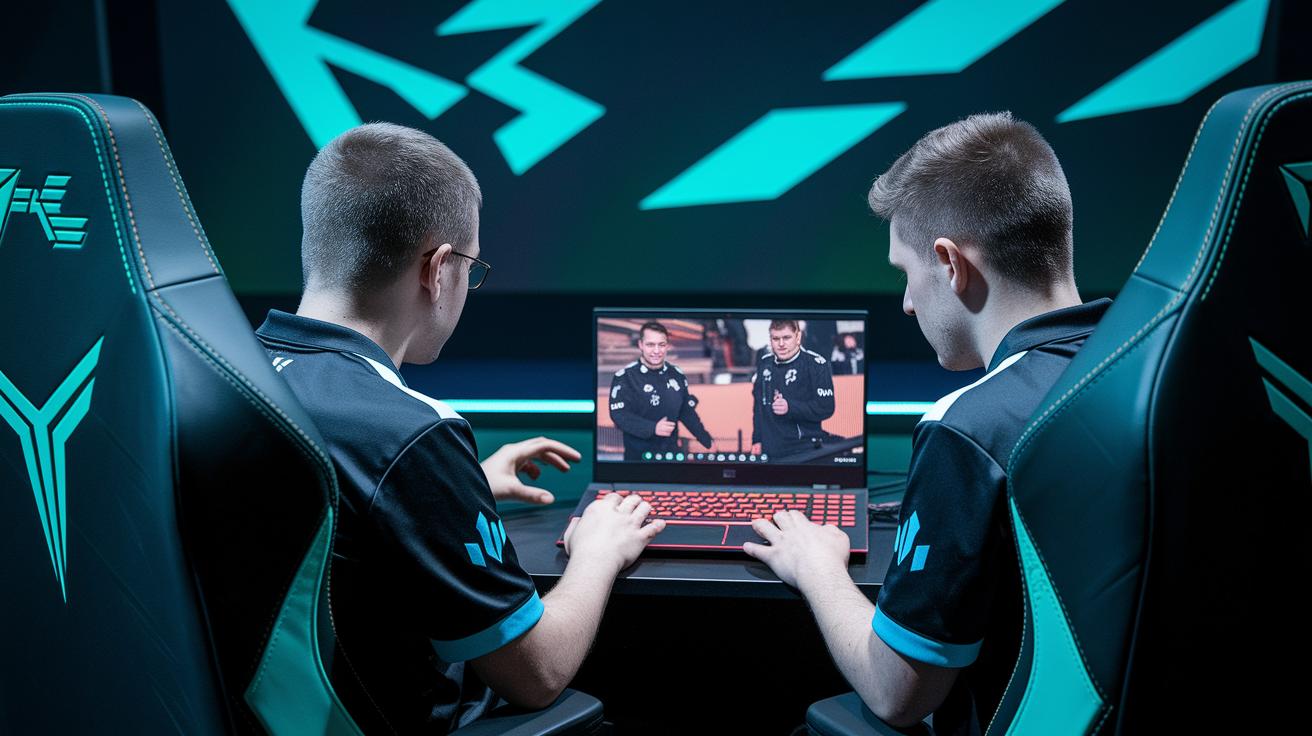
After a game, teams sit down to break apart every play using video reviews with clear time stamps. Coaches and analysts point out the exact moments where a play shined or went off course. For example, at 10:32 in a tight match, a missed rotation cost a round and sparked an animated chat about improving positioning.
Great squads often hold follow-up tactical workshops within 48 hours after a match. These meetings let everyone review key plays and fine-tune strategies based on fresh observations. In truth, turning video reviews into actionable plans helps players make small tweaks that can lead to big in-game wins. Regular reviews like these keep the team sharp and ready for the next challenge.
Meta Breakdown and Innovation Strategy Overview
Esports has changed a lot since 2020, with different play styles coming in waves. At first, teams went all out for early strikes to grab quick wins. Then, they shifted to controlling essential spots on the map to get more resources. Lately, the focus has turned to late-game team fights, where close teamwork can seal a win. This change went hand in hand with booming revenues – from $463 million in 2016 to over $1 billion in 2019. All these shifts show that teams need to be quick-thinking and ready to innovate every step of the way.
| Patch Cycle | Meta Characteristics | Strategic Implications |
|---|---|---|
| 2020 | Early aggression | Fast moves and surprise tactics |
| 2021-2022 | Objective-control focus | Strong map control and steady gains |
| 2023 | Teamfight scaling priority | Better coordination for finishing matches strong |
Looking ahead, teams will need to keep a close eye on patch trends and data about matchups. Success will come to those who mix tried-and-true tactics with smart, fresh ideas. Even small shifts in the meta can change everything on the field, so staying adaptable is key.
Audience Engagement Plans and Revenue Optimization Models
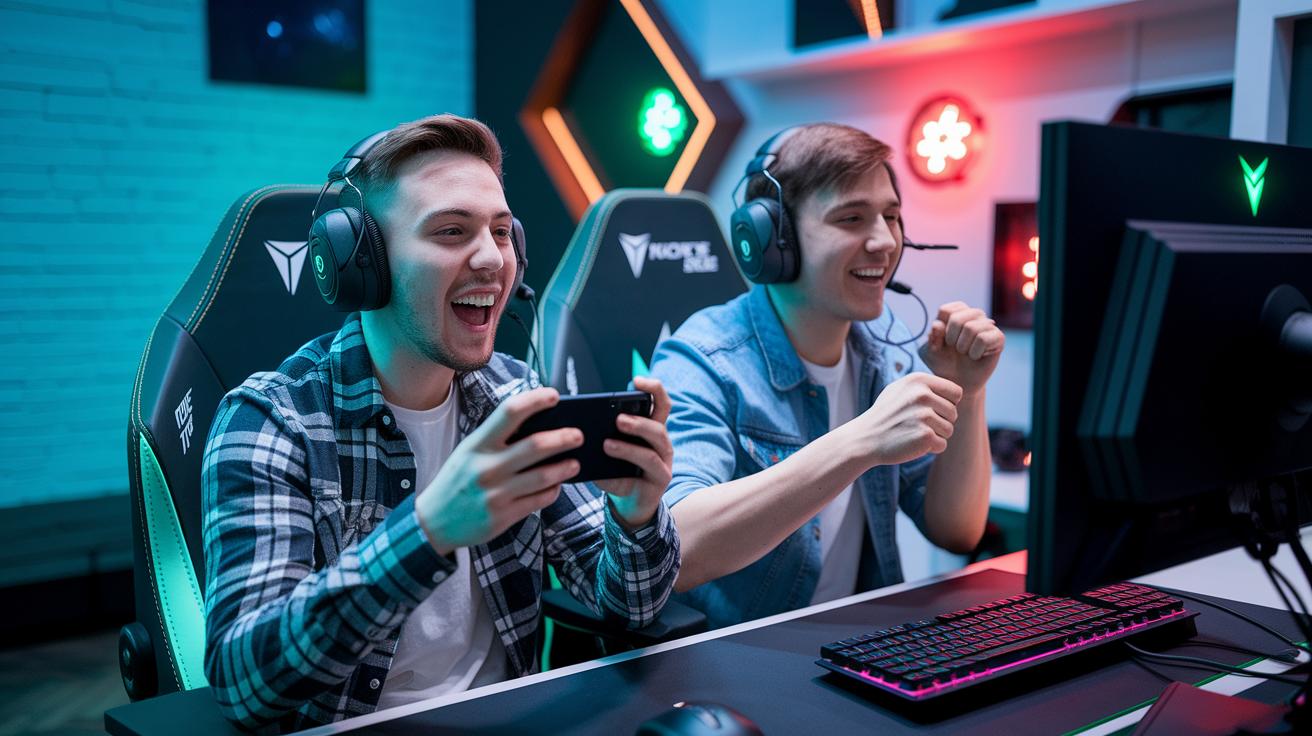
Esports teams and content creators are connecting with fans on every digital channel, whether it's on lively social media feeds or during interactive live streams. Imagine watching a livestream where fans get to vote on what happens next in the game, it turns an ordinary match into a community celebration. Teams share behind-the-scenes moments, highlight epic plays, and even run fun contests and giveaways. Keeping the chat open and engaging helps build a devoted fan base, making every event feel like a homecoming.
This tight bond with fans is where revenue really thrives. Top Twitch streamers, for example, can earn as much as $100,000 a month from a mix of subscriptions, ads, and donations. Plus, when sponsors see a buzzing community of fans, they're ready to pitch in with advertising and partnership deals. It’s a cool blend of live action and steady income that turns passion into profit.
In the long run, careful planning keeps the esports scene fresh and growing. Teams that stick to a clear, relatable brand, whether through exclusive merch, intimate fan meetups, or regular Q&A sessions, build trust and boost loyalty. These efforts not only attract new fans but also keep long-time supporters excited for what comes next, laying the groundwork for lasting recognition and ongoing revenue.
Final Words
In the action, we broke down the tactical and operational gears behind competitive play. We explored how teams use detailed frameworks, performance metrics, and real-time adjustments to keep their edge in the digital arena.
We also saw how careful debriefs and constant innovation shape success on and off the screen.
Every piece, from scouting techniques to audience plans, reinforces an esports strategy deep dive that empowers you to level up both gameplay and streaming quality.
Stay driven and enjoy mastering these insights!