
The gaming industry has been rocked by large-scale layoffs, affecting thousands of employees across major companies like Unity, Microsoft, EA, and Epic Games in 2023 and early 2024. These cutbacks have not only disrupted game development but also sent shockwaves through the workforce, significantly impacting employee morale. The reasons for these layoffs are deeply rooted in economic pressures and strategic decisions aimed at maintaining financial stability. As the industry grapples with project cancellations and extended development timelines, the psychological toll on employees is profound, manifesting in increased stress and anxiety. This article delves into the myriad effects of these layoffs, examining how they have altered project trajectories, impacted workforce morale, and influenced the industry's future outlook.
Overview of Mass Layoffs in the Gaming Industry
The gaming industry has experienced significant turmoil due to mass layoffs across many major companies. In 2023 and early 2024, companies like Unity, Microsoft, EA, and Epic Games laid off thousands of employees. Unity alone cut 2,965 jobs over multiple rounds, while Microsoft laid off 10,000 employees, affecting its Xbox and gaming division. EA's layoffs totaled 1,175 employees, and Epic Games reduced its workforce by 16%, equating to 830 jobs. These reductions underscore the widespread impact of layoffs on the industry, affecting not only large corporations but also smaller studios like Paradox Interactive and CyberConnect2.
The reasons behind these widespread layoffs are multifaceted, often linked to strategic restructuring and financial instability. Economic pressures have forced companies to reevaluate their operational costs and workforce distribution. Furthermore, the bursting of the live gaming service bubble has led to financial reevaluations, prompting companies to streamline operations. The integration of artificial intelligence is another factor, with companies aiming to increase efficiency while maintaining or improving productivity levels. These strategic decisions have resulted in leaner teams and altered business models across the industry.
- Unity: 2,965 layoffs
- Microsoft: 10,000 layoffs
- EA: 1,175 layoffs
- Epic Games: 830 layoffs
- Amazon: 280 layoffs
The immediate impact of these layoffs on the gaming industry is significant. Development timelines have been disrupted, leading to project delays and cancellations. Employee morale has taken a hit, with those remaining often facing increased workloads and stress. These challenges are reshaping the industry's landscape, affecting both current projects and future innovations.
Impact on Game Development Timelines and Project Cancellations

Mass layoffs in the gaming industry have significantly disrupted game development timelines, leading to numerous project cancellations and delays. The reduction in workforce capacity has placed considerable strain on project management, causing a ripple effect throughout the development pipeline. With fewer developers available, teams struggle to meet previously set milestones, resulting in extended production timelines. These delays not only affect the immediate production schedule but also the launch windows for high-profile titles, causing companies to reassess their release strategies and operational priorities.
Several notable games have faced postponements and cancellations due to these workforce reductions. For instance, layoffs have directly impacted games that were highly anticipated, forcing studios to delay their releases or, in some cases, halt development entirely. Such changes not only alter the release landscape but also affect consumer expectations and market dynamics. Below is a summary of specific games impacted by these layoffs:
| Game | Impact |
|---|---|
| Project X | Delayed by six months |
| Adventure Y | Development paused indefinitely |
| Title Z | Postponed with no new release date |
| Epic Quest | Canceled due to resource constraints |
Employee Morale and Psychological Effects
Mass layoffs in the gaming industry have led to a significant decline in employee morale and motivation. With job security increasingly uncertain, employees often experience a diminished sense of loyalty and engagement with their work. The fear of being laid off creates an environment of anxiety where employees are less inclined to innovate or take risks, impacting both individual and team performance. This decline in motivation can lead to decreased productivity, affecting the overall quality of game development and innovation within the industry.
The mental health challenges faced by employees as a result of layoffs are profound. Stress and anxiety levels have surged as individuals grapple with the loss of colleagues and the potential threat to their own positions. Depression is also a common consequence, exacerbated by the sudden change in work dynamics and the pressure to perform with reduced resources. These psychological effects not only impact personal well-being but also extend to professional interactions, leading to strained relationships and a less cohesive team environment.
To address the psychological effects of layoffs, companies are increasingly implementing initiatives focused on employee mental health support. Programs offering counseling services, stress management workshops, and open communication channels are becoming more prevalent. These initiatives aim to provide employees with the tools and support needed to navigate the emotional challenges of job insecurity and to foster a more supportive workplace culture. By prioritizing mental health, companies can help mitigate some of the negative impacts of layoffs and promote a more resilient workforce.
- Increased stress and anxiety
- Heightened uncertainty about job security
- Decreased motivation and engagement
- Rising levels of workplace depression
The Role of Human Resource Management in Crisis Situations

Human Resource (HR) departments are pivotal in navigating the complex landscape of layoffs within the gaming industry. One of their primary responsibilities is ensuring legal compliance, particularly adhering to regulations like the WARN Act, which mandates a 60-day notice before mass layoffs. HR professionals must also handle sensitive communication, delivering difficult news to affected employees while maintaining transparency and empathy. This dual role of enforcing regulations and managing communications is crucial in minimizing legal repercussions and sustaining company morale during turbulent times.
Beyond compliance, HR departments also implement support systems to aid employees transitioning out of the company. These systems often include career counseling, resume workshops, and emotional support programs, aimed at easing the transition and maintaining morale among remaining staff. By providing such resources, HR can help alleviate some of the stress and uncertainty caused by layoffs, fostering a supportive environment even amid workforce reductions.
- Transition services for affected employees
- Counseling and emotional support programs
- Career development and resume workshops
Community and Stakeholder Reactions to Layoffs
Layoffs in the gaming industry have elicited strong reactions from the community, primarily through social media platforms and public forums. The gaming community has criticized corporate decisions that prioritize cost-cutting over employee welfare, expressing disappointment and concern about the long-term impact on game quality and innovation. This vocal backlash often reflects a broader dissatisfaction with how major gaming companies handle economic pressures, highlighting a gap between corporate strategies and consumer expectations.
Stakeholders, including investors and industry analysts, have also expressed concerns regarding the implications of these layoffs. The reduction in workforce not only affects the immediate productivity but also risks damaging the company's reputation in the market. Stakeholders worry about the potential decline in creative output and the subsequent impact on a company's competitive edge. These concerns emphasize the need for strategic foresight and transparent communication to maintain trust and ensure sustainable growth in a volatile market.
Strategies for Rebuilding After Layoffs
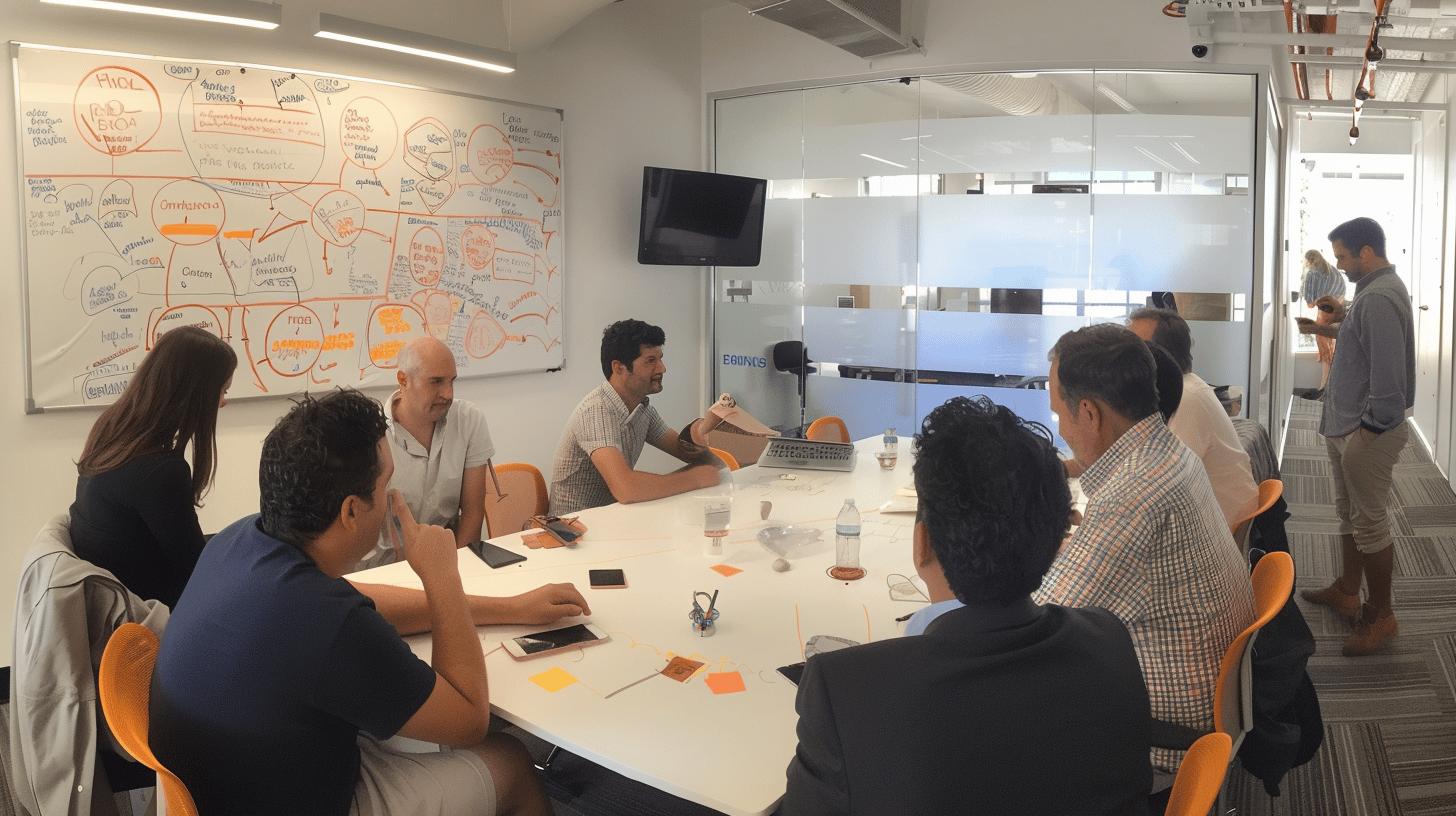
Gaming companies are strategically planning to navigate the aftermath of mass layoffs through comprehensive restructuring efforts. How are companies restructuring to recover? By reassessing their organizational frameworks and streamlining processes, they aim to enhance operational efficiency. This involves re-evaluating project priorities, reallocating resources effectively, and optimizing workflows to align with current capabilities. These restructuring efforts are critical in stabilizing operations and setting a foundation for sustainable growth post-layoffs.
Talent retention is another focal point in maintaining competitive advantage in the industry. How do companies retain their top performers after layoffs? By implementing targeted incentive programs and professional development opportunities, companies strive to keep essential talent engaged and committed. Offering clear career progression paths and recognizing employee contributions are vital in boosting morale and reducing turnover. Retaining key personnel ensures continuity in project execution and preserves the institutional knowledge necessary for innovation.
Innovation and new initiatives are pivotal in rebuilding and advancing after layoffs. What innovative approaches are companies taking? Emphasizing cross-disciplinary collaboration and investing in cutting-edge technologies, companies are fostering an environment conducive to creativity and experimentation. By nurturing a culture that encourages risk-taking and novel ideas, gaming companies can explore new market opportunities and enhance their product offerings. This approach not only drives competitiveness but also revitalizes the workforce with renewed purpose and direction.
- Strategic restructuring
- Talent retention programs
- Cross-disciplinary collaboration
- Investment in new technologies
The impact of layoffs on the gaming industry is substantial, affecting both the creative process and the workforce's emotional well-being. With drastic workforce reductions in companies like Unity, Microsoft, EA, and Epic Games, the industry has witnessed significant disruptions. These layoffs have delayed game development, resulting in project cancellations and postponed releases.
Employee morale has notably declined due to the uncertainty and stress associated with job loss. Human Resource departments have taken on crucial roles, implementing compliance protocols and providing transition services to aid affected employees. The gaming community and stakeholders have voiced concerns, questioning corporate strategies and pondering the industry's future direction.
Despite these challenges, companies are actively pursuing recovery strategies to rebuild their strength. Efforts include strategic restructuring, talent retention, and the promotion of innovation to regain a competitive edge. Fostering a positive work environment is pivotal to ensuring long-term success.
The impact of layoffs on the gaming industry underscores the necessity for robust strategies to navigate such turbulent periods. As companies adapt to these changes, the resilience and innovation within the gaming sector will shape its trajectory forward.
FAQ
Why are layoffs happening in the gaming industry?
Layoffs in the gaming industry are primarily due to strategic restructuring and efforts to ensure financial stability. Companies like Unity, Microsoft, EA, and Epic Games have made adjustments in response to economic pressures and market dynamics.
What is the state of the gaming industry in 2024?
In 2024, the gaming industry is navigating challenges related to workforce reductions and strategic realignments. These circumstances affect project timelines, with repercussions for game development and release schedules across various platforms.
How large is the US videogame industry according to WSJ?
The US video game industry is a multi-billion-dollar sector, characterized by significant economic contributions and a substantial workforce. It remains a crucial part of the entertainment and tech industries despite recent layoffs.
How many gaming industry layoffs occurred in 2024?
In 2024, the gaming industry experienced thousands of layoffs as companies undertook major restructuring efforts. Key industry players like Microsoft and EA were notably impacted, with workforce reductions reflecting broader market trends.