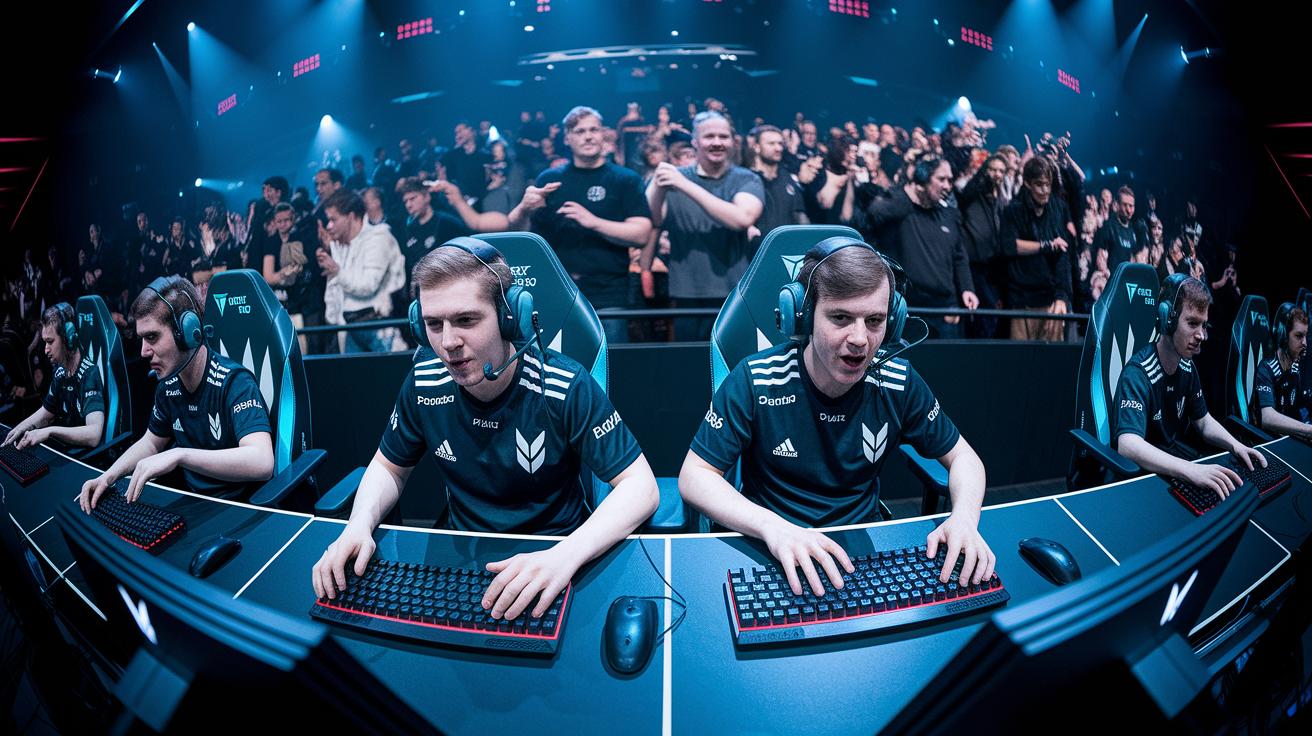
Ever thought about how a smart game plan can totally flip a match? Imagine a packed arena where every move crackles with tension and fans hold their breath as pro teams go head-to-head.
Esports events prove that clever teamwork can change everything in just a few moments. One well-timed play can turn a routine round into an unforgettable highlight.
In this article, we're breaking down the secrets behind those killer team tactics. Think of it like uncovering the combo moves that make every strategy count.
So, ready to dive in and see how each move pushes the boundaries of the game? Let's jump in and explore these epic, game-changing strategies.
Esports Tournament Deep Dive: Thrilling Team Tactics
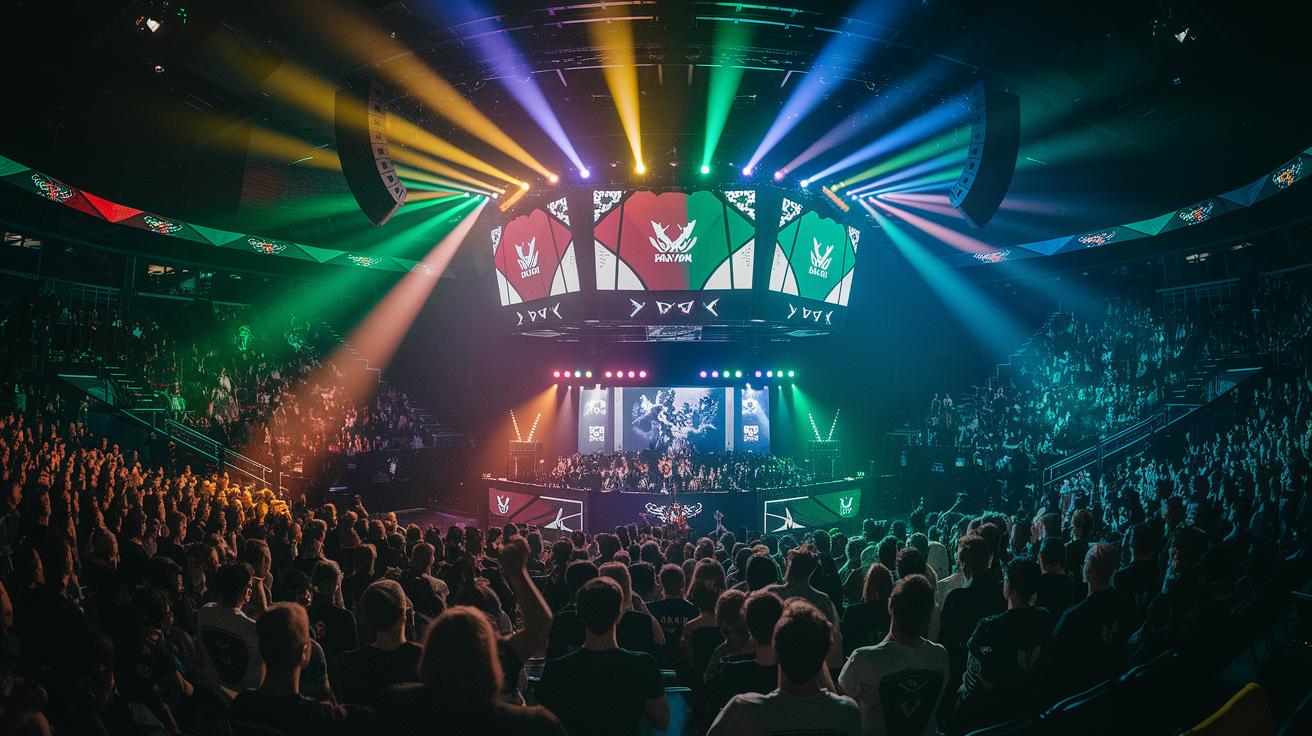
Esports tournaments are all about high stakes and heart-pounding action. Imagine a massive in-game event where every play is celebrated and fans are totally hooked. In one major showdown, prize money soared to millions, placing esports in the spotlight as a $1.38 billion industry. That fact alone shows just how big and exciting these events can be.
At the core of it all are three key players: game publishers, professional teams, and live LAN events. Publishers create and support the games, making sure they're sharp and fun. Then you’ve got pro teams who train hard every day, ready to bring their best in every match. And let’s not forget the live LAN events, they’re where the magic happens, with players and fans coming together in an electric, face-to-face setting. It’s like seeing a well-coordinated team strategy in full swing.
Tournament formats usually kick off with group stages and build up to nail-biting finals, often wrapped up in a best-of-three or best-of-five series. This setup keeps things intense and keeps viewers on the edge of their seats, watching every move. Each game adds fresh suspense and excitement, much like a last-second play that leaves you breathless.
Esports Tournament Qualification and Bracket Format
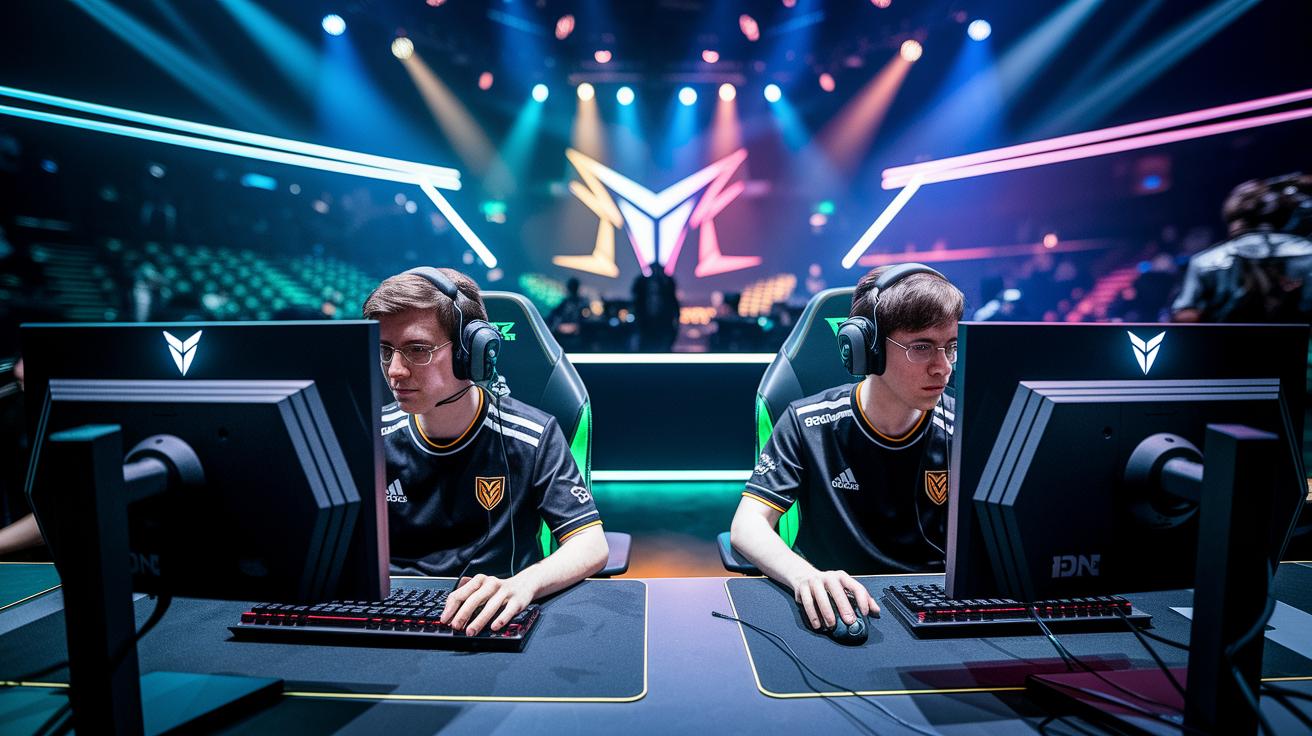
Qualifiers are the first step for teams eyeing a spot in a tournament. They mix open online rounds with local playoffs, giving teams a chance to show off their skills before the real bracket battles begin.
There are a few formats you might see:
- Single elimination
- Double elimination
- Swiss system
- Group stage plus knockout
Seeding is key. It lines up teams based on how they did earlier so top players don’t meet too soon. And that keeps things exciting, with fans waiting for those epic matchups later on. It’s always thrilling to spot a surprise upset or an anticipated rivalry that heats things up.
All in all, the neat setup of these qualifiers and brackets layers on the strategy, ensuring every round feels as nail-biting as the last.
Esports Tournament Player and Team Metrics Review
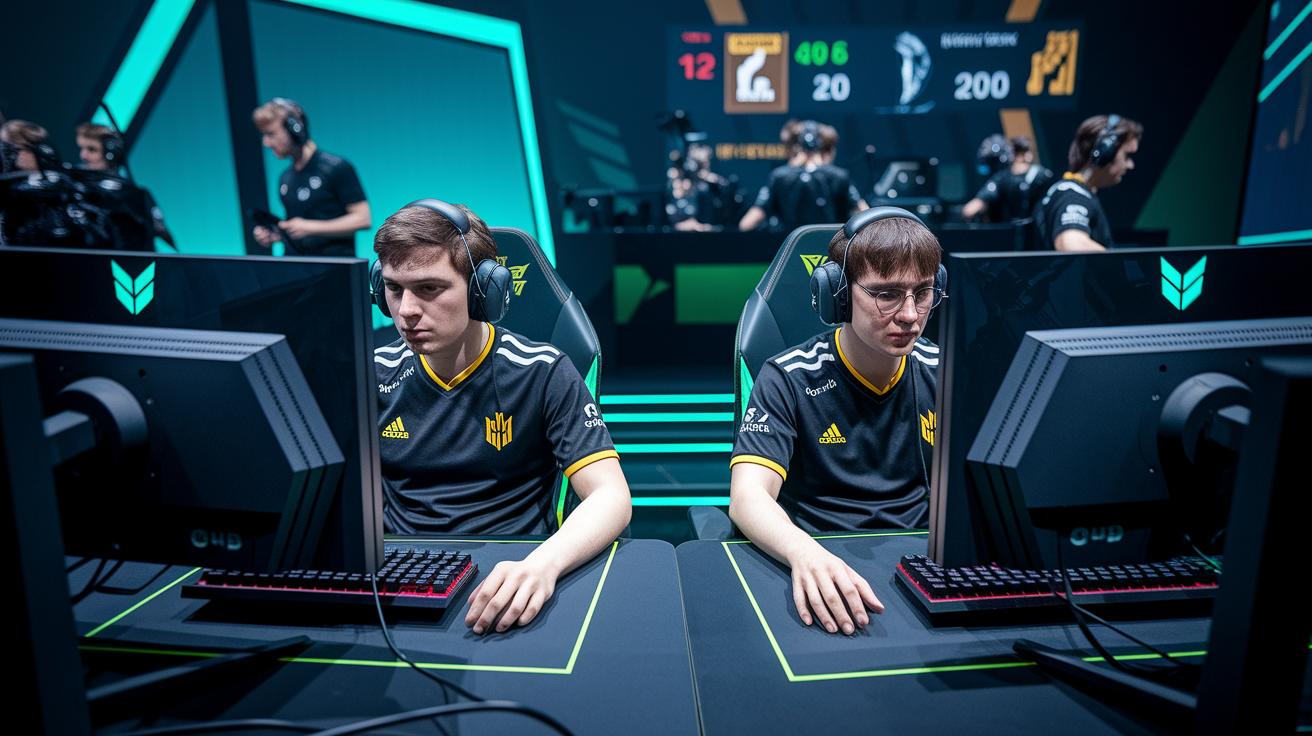
Core stats fuel the game. Teams and players are measured using key numbers like kill-death ratio (K/D), assists, objective control percentage, and average gold/xp per minute. These figures show how well a team fights, coordinates, and controls the match. Think of a player with a high K/D ratio as someone pulling off smart moves, kind of like nailing that perfect headshot that flips the game in your favor.
Recent world finals data shows many teams rocking K/D ratios between 2.8 and 4.2, while keeping their objective control above 60%. This tells us they've got teamwork and strategy down to a fine art. A K/D in that range means players trade blows smartly and stay alive in tight moments, and high objective control means teams are making the best plays when it counts. It’s like hitting just the right timing for a coordinated push that can switch the whole match.
Coaches and broadcast analysts lean on these numbers to shape their game plans and commentary. They dig into the stats to figure out what a team does best and where they might need a boost. Coaches use the figures to decide on draft picks or adjust tactics on the fly, while broadcasters pull data from sources like esports leaderboard systems comparison to break down a team’s performance in real time. These stats turn raw gameplay into insights that fans in the arena and online can really connect with.
Esports Tournament Meta Strategies and Coaching Insights
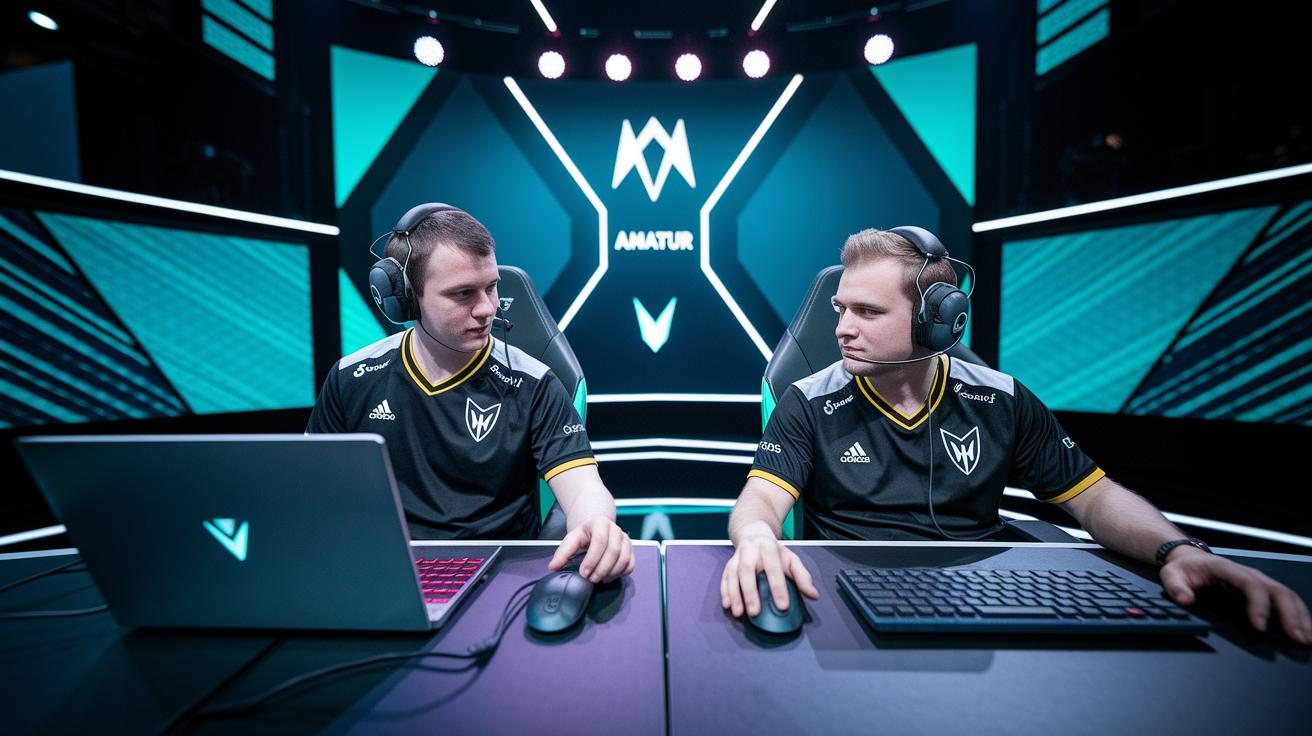
Patch updates can really shake things up for teams. When a patch drops, teams have to rethink their game plans. New hero or map picks quickly become popular as players test out ideas from pro patch notes. It feels like each update turns into its own mini-tournament.
Coaches and analysts play a huge role in these changes. They watch game replays and use simple stats to decide which picks work best and how to call out plays during a match. They even track opponent behaviors and trends to constantly update the game plan. It's like having a dynamic strategy guide that turns raw gameplay into practical insights.
During big tournaments, even top teams need to switch things up mid-match. If a chosen hero isn’t working against a new counter, teams quickly change tactics by trying different map strategies or swapping character roles. These quick adjustments, backed by solid analysis, keep the game exciting and create unforgettable moments.
Esports Tournament Production, Streaming, and Audience Engagement
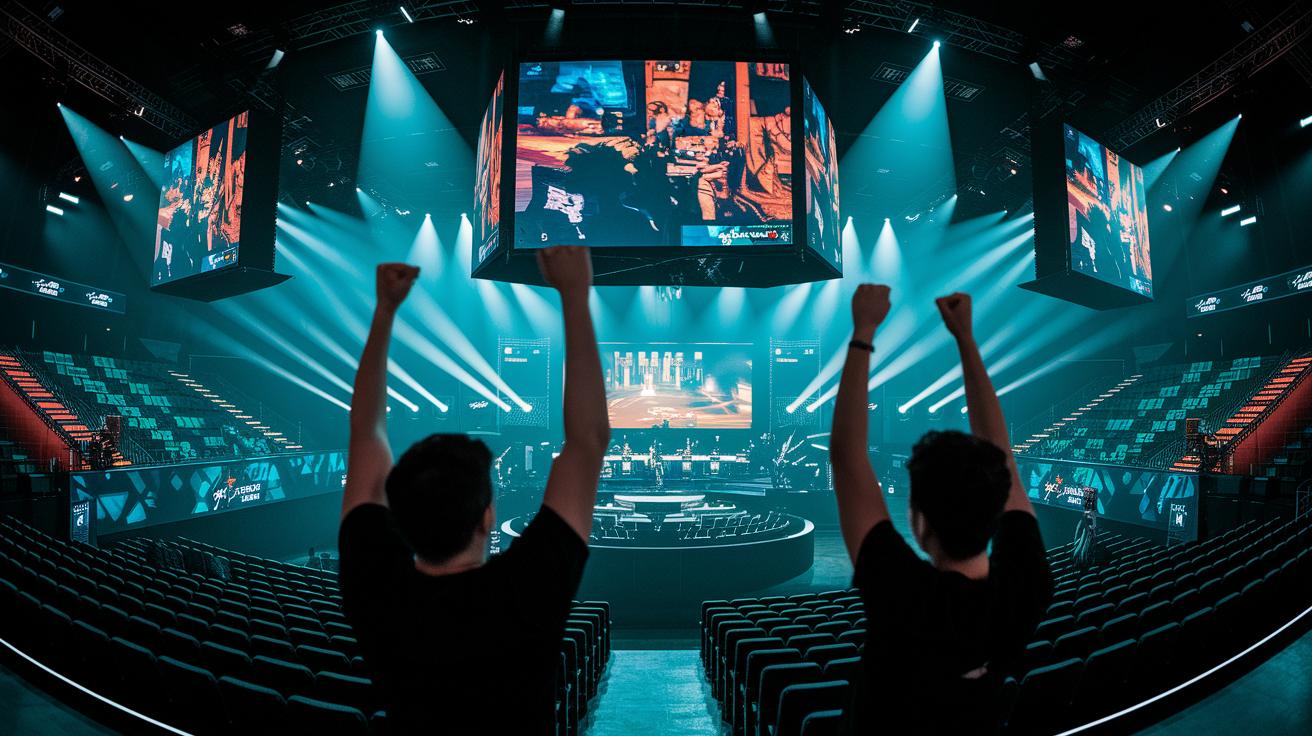
Multi-platform streaming makes live tournaments feel like a real-life party for fans everywhere. Big finals can pull in over 4 million viewers on Twitch, YouTube, and even some local platforms. This shows how games bring people together, no matter where they are.
Production gear is the backbone that keeps us glued to our screens. Think of it like the best parts of a movie, the clear camera shots, the sharp graphics, the crisp sound when players talk, and instant replays that bring you back into the action. Tools like how to stream on twitch help make sure every play and moment looks and sounds awesome.
Social media and live chat add an extra kick to the experience. Gamers chat, cheer, and share highlights in real time, making every match feel like a shared, electric moment. It’s like being on the same team, right there in the midst of the action.
Esports Tournament Prize Pools and Sponsorship Impact
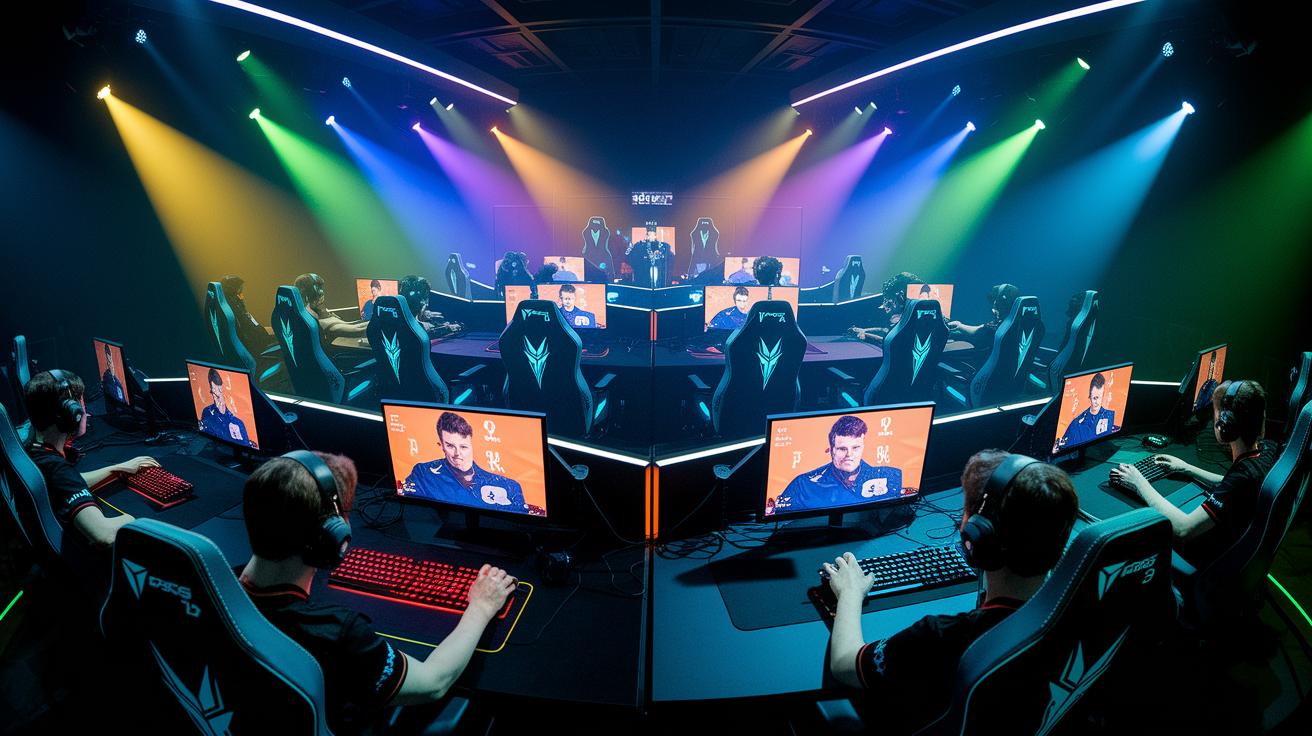
Prize money and sponsorship are the fuel behind the thrill in esports tournaments. Top-tier events can offer prize pools ranging from impressive six-figure sums at local events to colossal multi-million-dollar championships. This money not only boosts player performance but also cranks up the overall production quality. It brings in both core gaming brands and unexpected non-gaming sponsors looking to connect with enthusiastic fans, turning these tournaments into global spectacles.
| Tier | Prize Pool Range | Notable Event |
|---|---|---|
| Regional | $100K – $250K | Local Championship |
| National | $300K – $1M | National Cup |
| Global | $1M – $10M | World Championship |
On the sponsorship side, companies use these tournaments as a live stage to show off their brands and chat with fans in real time. They team up with influencers and launch social media campaigns that add even more energy to the event. This sponsor money helps cover everything from team salaries to production costs, keeping the competitive spirit alive and the fan experience top-notch. It’s a clear sign that the esports world is being taken seriously as a main event sport, and that buzz is pretty contagious.
Esports Tournament Historical Trends and Future Outlook
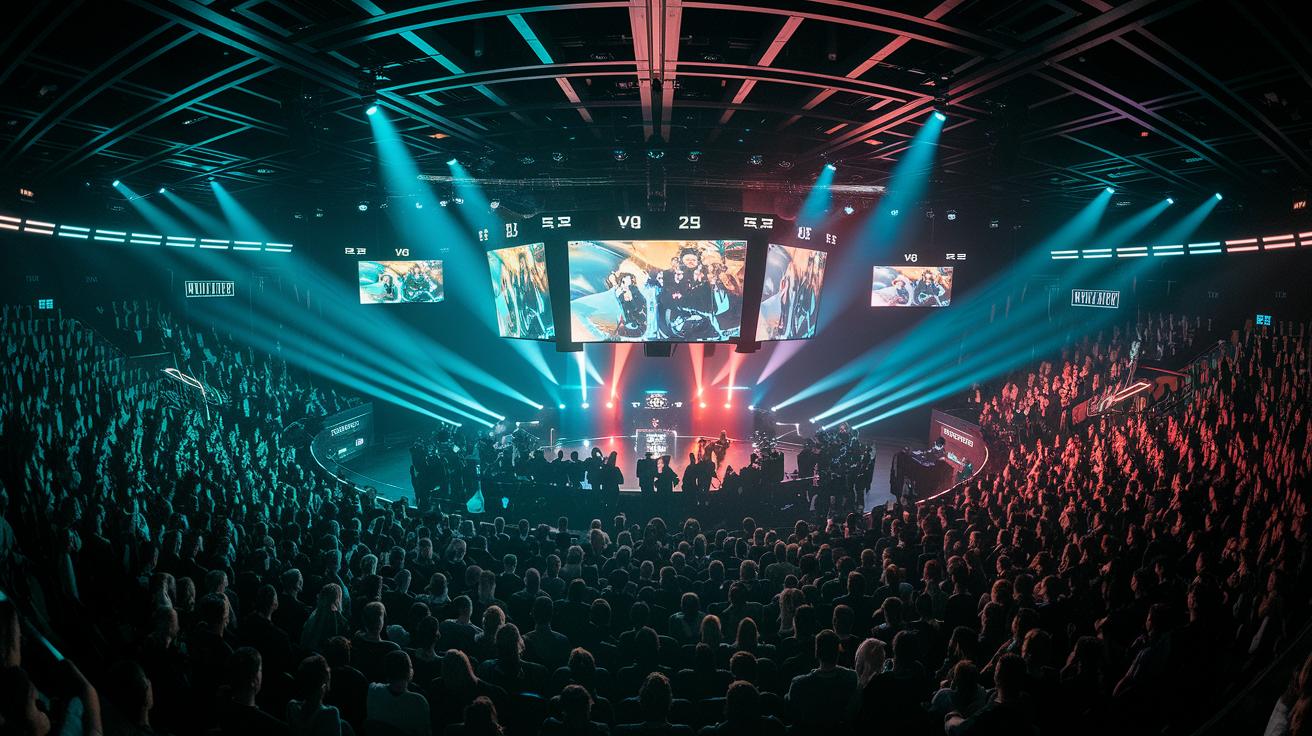
Back in the early 2000s, LAN tournaments were all about games like Counter-Strike and StarCraft. Prize pools were tiny, usually less than $10,000. These small events set the stage for the huge competitions we see today, where world championships can offer over $40 million. It’s a bit like watching a beloved indie game turn into a blockbuster hit.
Now, tournaments are getting a tech boost that’s changing the whole vibe. Organizers are rolling out digital experiences that let fans interact in fresh, fun ways. Imagine stepping into a virtual reality arena and feeling like you’re right in the thick of the action. Plus, teams now use AI coaching tools to tweak strategies on the fly, and franchised league models give events a steady structure. This mix makes every match more engaging and interactive.
Looking ahead, the next five years are bound to bring even more surprises. Expect more advanced digital tools and exciting fan features that will make the competitive scene livelier and even more fun for everyone watching.
Final Words
In the action, we explored the ins and outs of esports tournaments, from their massive prize pools to detailed brackets and team metrics. We broke down how qualifier formats, player stats, and meta strategies come together to fuel the event's energy. Our overview also touched on the technical side of streaming and the impact of sponsorships, all while projecting future trends. This esports tournament deep dive gives a clear picture of the competitive world, leaving you feeling pumped and ready for your next match.
FAQ
What are the key components of an esports tournament structure?
The tournament structure incorporates publisher backing, professional teams, and live LAN events. This design builds excitement from group stages through finals, often using best-of-three or best-of-five match series.
How do teams qualify and progress in esports tournaments?
Teams qualify via open online rounds combined with regional playoffs. They then advance through bracket stages, using formats like single-elimination, double-elimination, Swiss systems, or group play followed by knockouts.
How are player and team metrics utilized during esports tournaments?
Player and team metrics, such as kill-death ratios and objective control percentages, provide insights into performance. These stats guide coaching adjustments and enhance broadcast analysis, ensuring teams refine their gameplay.
How do meta strategies and coaching insights influence tournament outcomes?
Meta strategies shift with game patches while coaches analyze data and review past plays. This approach helps teams prioritize hero and map choices, adjust tactics mid-match, and boost their chances of victory.
How are tournament broadcasts produced and why does audience engagement matter?
Broadcasts are crafted across multiple streaming platforms using live feeds, overlays, and instant replays. Audience engagement is key, with chat activity and social media mentions reflecting viewer excitement and retention throughout the event.
How do prize pools and sponsorships impact esports tournaments?
Prize pools, funded by both gaming and non-gaming sponsors, scale events from regional contests to multi-million-dollar championships. Sponsorship also supports production quality, team salaries, and comprehensive marketing efforts.
What trends have shaped esports tournaments and what future innovations might we see?
Esports evolved from small LAN events with modest rewards to global championships with huge prize pools. Future innovations may include virtual reality arenas, AI-driven strategies, and franchised league models, enhancing fan experiences.