
Ever start a game level and feel like you're getting sucked in right away? Smart level design mixes cool layouts with tricky challenges, kind of like setting up your own escape room. We break down how clever planning turns a basic sketch into a world you can really dive into. Every bit, from a neat storyline to perfectly placed challenges, works together to keep your eyes glued to the screen. Ready to see how these creative moves turn gaming into one epic ride?
game level design breakdown: Bold strategies
Game level design is all about creating cool digital worlds that pull you in with fun stories and interactive challenges. It mixes creativity with tech skills so that every object, step, and enemy has a reason for being there. Think of it like planning the layout of an escape room, every part is set up to grab your attention from the start. Ever notice how every corner in a custom arena makes you curious about what’s next?
There are six main parts to game level design. First up is the narrative, which weaves character backstories and plot hints into the environment. Next, the layout maps out the space using simple sketches or block designs to guide your moves. Then come the mechanics that decide how you interact with the game’s obstacles. Asset integration is where the visuals and sounds come together to make the game feel alive. Pacing mixes high-energy moments with quieter breaks so you don’t get tired, and testing is like playing through the level over and over to catch any mistakes or glitches. Imagine a level where enemy moves and traps slowly build up to one big, thrilling climax.
All these pieces work together to give you an awesome gaming experience. A strong story can point you toward unexpected challenges, while smooth controls make sure you always know what to do next. When visuals and sounds blend perfectly, the game world feels real. And balanced pacing with lots of testing means every level feels fair yet exciting. It’s like a perfect match where every move counts and every detail matters.
Tools and Workflow in game level design breakdown

A solid workflow is what makes level design feel smart and smooth. It’s like having a clear plan that takes your rough ideas and turns them into a playable scene. First, designers start with blockout techniques using simple shapes. This helps get the layout in place without getting lost in details.
Next, they move to gray boxing where those shapes become basic 3D models. This step makes sure every design choice fits the game’s core feel. Using handy tools like Unity, Unreal Engine, or even alternatives like CryEngine, teams keep their work organized. And by checking a detailed game design document, everyone stays in sync while reviewing the layout and planning the spatial setup.
This kind of structured process speeds up development while leaving plenty of room for adjustments. It’s like building a digital arena where your initial sketches gradually transform into detailed scenes that mix artistic flair with technical smarts.
| Tool | Primary Use | Platform Support |
|---|---|---|
| Unity | Real-time 3D development and blockout | PC, Mobile, Console |
| Unreal Engine | High-fidelity scene construction and gray boxing | PC, Console |
| CryEngine | Detailed environment rendering and optimization | PC, Console |
| Godot | 2D/3D level design and rapid prototyping | PC, Mobile |
| Lumberyard | Integrated gameplay mechanics and asset integration | PC, Console |
Player Pathway Mapping in game level design
Mapping player paths begins with some quick sketches. Designers start with bubble diagrams and rough maps to plan out where the player might move. Imagine drawing circles for each possible move, like plotting secret routes and hidden surprises in a maze.
The goal is simple: make sure the level feels clear and fun. By planning every turn, designers set up different routes that challenge you without making you feel lost. These sketches help spot spots that might confuse players or spark their curiosity to explore more.
After the first draft, testing the game is key. Designers watch real players move through the level and note where the action drags or gets too tricky. Based on what they see, they add more visual hints or shift obstacles around to keep the journey smooth. Over time, repeated playthroughs polish the level so every turn feels rewarding and smart choices lead to exciting rewards.
Visual and Audio Elements in game level design
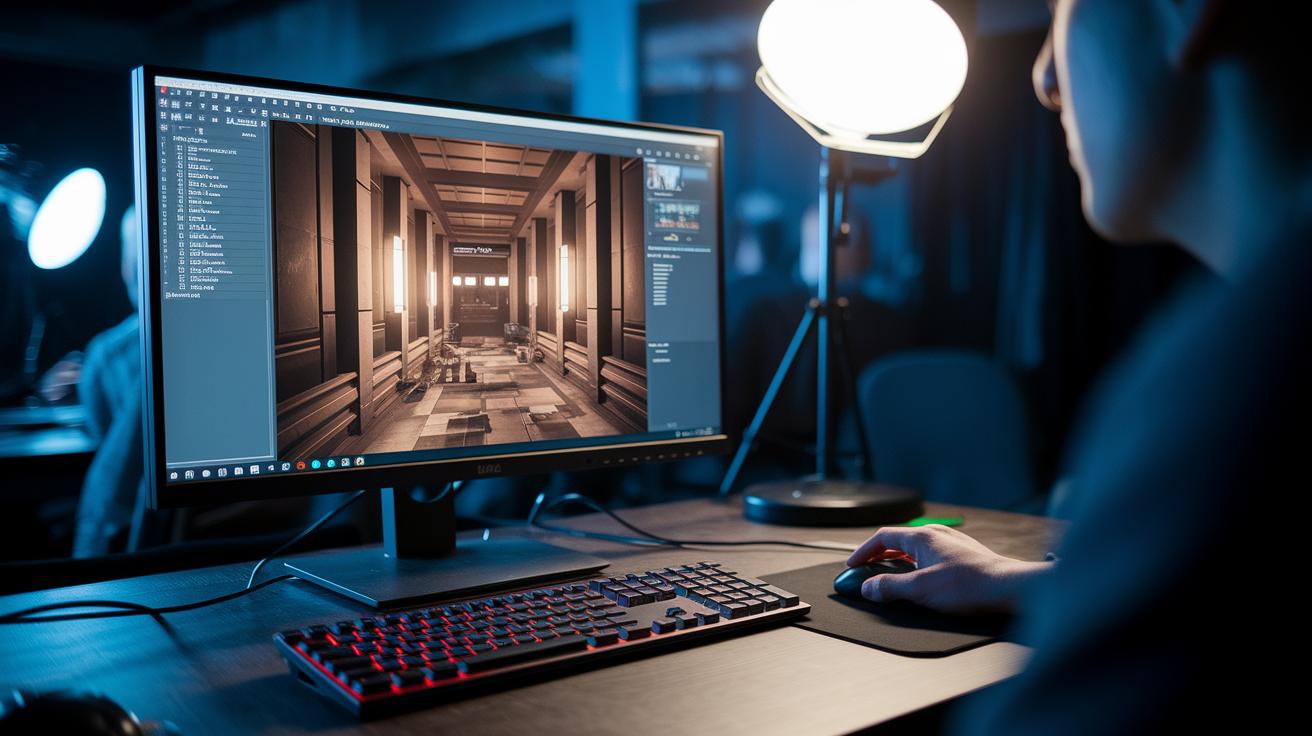
The look and sound of a level create the vibe and pull you deep into the game. Cool visuals grab your eye, and sounds keep you on your toes. It's like mixing the perfect game soundtrack with a scene where every light and shadow tells a story.
Lighting and textures really bring a game world to life. Designers use simple lighting to set the mood and point out key spots. Texture details on walls, floors, and nature add extra depth. Think about a wall with realistic scuffs that makes everything feel lived-in, just like a foggy dawn that slowly reveals the world. This mix guides you through the level and powers the story.
Sound design ties the whole experience together. Music, sound effects, and ambient noises work hand in hand to make every area memorable. Imagine soft rustling and far-off echoes building tension in a quiet corridor, all blending with dynamic beats that keep you immersed.
Iteration and Optimization in game level design breakdown
When testing your game levels, debugging is what really ties everything together. You know how during playtests players might run into weird collisions, see some off AI movements, or face script bugs? These glitches are key clues that help you improve the game. Designers set up special scenarios where every player move can uncover hidden issues, and they even track slowdowns during crazy, intense moments. Each round of debugging teaches you something new, creating a steady loop of improvements that makes the game smoother and more responsive for everyone.
Balancing fun and performance is a must for seamless gameplay. By watching how players tackle challenges, you can tweak risks and rewards and adjust the difficulty just right. Real gameplay feedback guides changes in enemy spots, challenge pacing, and cool environmental hints. With every test cycle, those extra little details get fine-tuned so the game stays both challenging and fair. This ongoing process ensures the game runs high without any unwanted surprises.
game level design breakdown Best Practices and Tips

When you build a game level, every piece should work together to push the story and support the game mechanics. Think of it like setting up a cool challenge that not only tests your skills but also pulls you deeper into a world where every little detail counts. Regular playtests and small tweaks are key to keeping the level exciting.
For starters, make sure each area has a clear goal. Imagine every section as its own mini-mission that helps move the overall story forward, kind of like a door that gives you a sneak peek of hidden secrets ahead.
Next, match the visual hints in your level with important story moments. Use light changes, colors, or small details as clues to emphasize what matters in your game’s narrative.
Also, include landmarks that naturally steer players where they need to go. Unique buildings or distinct objects can act like guiding posts without feeling forced.
Keep the challenge in check too. Ramp up enemy difficulty slowly so that it feels fair and tests the player’s skills just right, never too easy or too overwhelming.
Don’t forget about the sounds. Well-placed audio cues can set the mood, alert players to danger, or celebrate a win in an instant.
Finally, run regular playtests and refine your design. Listening to feedback ensures that every level remains immersive and fun, making sure each new update stands out in the best possible way.
Final Words
In the action, we've seen how every component, from core breakdown and iterative playtesting to visual and audio polish, contributes to a richer game experience. Breaking down the process clarified critical steps such as mapping player pathways and refining design through feedback. Our exploration of game level design breakdown showed that clear planning and regular updates lead to smoother gameplay and sharper streaming quality. Keep applying these insights and enjoy watching your levels transform into immersive digital arenas.
FAQ
What are some game level design examples?
The game level design examples illustrate how environments are thoughtfully planned by mixing storytelling, layout, mechanics, and visual cues to keep players engaged throughout the experience.
What does a game level design breakdown on Reddit involve?
The game level design breakdown on Reddit shows community discussions that analyze and critique design elements like layout, enemy placement, and pacing, helping beginners and pros see what works.
What is covered in a typical game level design course?
The game level design course covers key topics such as narrative integration, layout planning, mechanics, asset placement, and testing, giving designers the practical skills to build immersive levels.
What defines a level design layout?
The level design layout is defined by arranging environments, paths, and interactive features so that players can effortlessly move through spaces while enjoying the game’s challenges.
Why is level design important?
The level design importance comes from its role in creating immersive gameplay by balancing challenges and rewards, guiding players through environments while building narrative depth.
How do game levels of difficulty work?
The game levels of difficulty work by gradually increasing challenges, introducing tougher obstacles and smarter enemies, which keeps players interested and tests their skills as they progress.
What is a level design generator?
The level design generator introduces initial layout ideas and structure, offering designers a starting point to refine detailed level plans and creative gameplay strategies.
What does a level design book offer?
The level design book offers clear examples and step-by-step guides on building engaging game environments, mixing theory with practical tips for effective storytelling and layout.
What is the level structure of a game?
The level structure of a game is organized into sections or zones that guide the player through story beats, challenges, and transitions, ensuring a smooth progression throughout the game.
How are levels for games designed?
The design of levels for games involves planning layouts, scripting challenges, placing interactive elements, and performing playtests to create a balanced and enjoyable player experience.
What are the 7 game design rules?
The seven game design rules include principles like clarity, balance, progression, feedback, engagement, consistency, and reward systems, which together shape a cohesive game experience.
How is the game level layout structured?
The game level layout is structured by arranging key elements such as obstacles, safe zones, and interactive objects, ensuring that player navigation feels natural while highlighting important game moments.