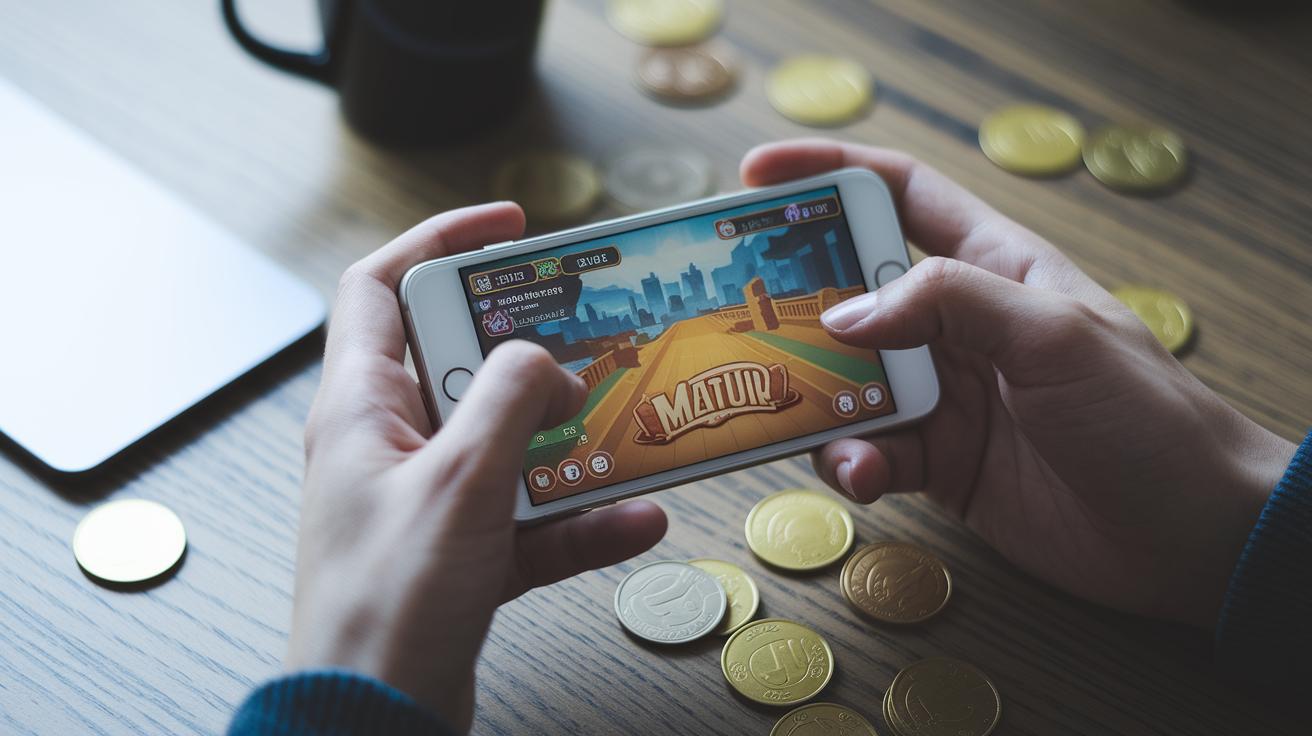
Ever wonder how a free mobile game can turn into a cash machine? It's pretty wild how mobile game monetization is changing with new tech and shifts in how we play. Every day, thousands of games hit the market, but only a handful use clever tricks like in-app purchases and smart ads to really make bank.
Imagine your favorite game spicing things up with cool bonus options and ads that actually fit the flow of play. This mix not only brings in cash, it keeps the game fun and fair. It’s a fresh approach that shows even free games can pack a punch when it comes to earnings.
Key Elements of Mobile Game Monetization
Mobile game monetization is changing fast because of new tech and shifting player habits. Every day, around 2,000 new games hit the market, but only about 10% really catch on. Ever since Apple dropped its IDFA policy in 2021, it’s become harder to target players well, which makes acquiring users more expensive.
Game makers are getting creative now. Around 80% of games use in-app purchases to bring in cash. They mix things like consumable items, one-time unlocks, and subscriptions to keep earnings steady while giving players a fun experience.
With costs on the rise, developers are rethinking how they target players and manage their ad dollars. Many are turning to digital marketing platforms, like this one (https://nerdladder.com?p=263), to optimize spending without old-school tracking methods. Nowadays, leading developers build monetization right into the game design from the very beginning. This way, every feature supports a reliable income.
Blending different revenue streams not only boosts profits but also keeps gamers invested. And, that’s a big deal in a market where competition is fierce.
In-App Purchases in Mobile Game Monetization

Mobile games lean on in-app buys to bring in cash and keep players hooked. Game makers mix these purchase options into free-to-play setups so players can speed things up or jazz up their gaming experience. This smart design not only grabs players’ attention but also builds a steady income stream.
Many developers offer a varied mix of in-app buys that feel both fair and fun. With a virtual coins system backing these deals, players can snag extras without feeling pushed to spend too much. This thoughtful setup directly influences how often players choose to invest in their favorite games.
- Consumable IAPs like boosters and energy
- Non-consumable IAPs for permanent unlocks
- Chance-based IAPs for a bit of random fun
- Subscription-based IAPs for ongoing perks
One real-time strategy game even found that 27% of its in-app purchase revenue came from a $4.99 gem pack. It goes to show that when developers mix one-time buys, consumable items, random rewards, and subscriptions, they can hit different spending sweet spots while keeping cash flow steady. This mix of in-app purchase types really boosts the free-to-play model and drives both quick wins and long-term gains in the busy world of mobile gaming.
Ad Revenue Models in Mobile Games
Mobile game creators have lots of creative ways to make money from ads. They often use in-app ads to boost income, right behind in-app purchases. For example, banner ads sit quietly in the game screen and might not earn a ton, but interstitial ads show up between levels and grab your attention. Rewarded videos let you earn cool bonuses for watching them, while native or playable ads can feel like part of the game itself. Developers work hard to fill every ad spot to get the most out of each view.
| Ad Format | Description | Typical eCPM Range | Ideal Use Case |
|---|---|---|---|
| Banner Ads | Simple, static ads shown on the screen | $0.50 – $1.50 | Steady, low-impact income |
| Interstitial Ads | Full-screen ads displayed during breaks | $1.50 – $3.00 | During mid-game pauses |
| Rewarded Videos | Ads watched in exchange for in-game rewards | $4.00 – $8.00 | High engagement moments |
| Native/Playable Ads | Ads that blend in with the game or let you interact | $2.00 – $5.00 | To boost session length |
Ad-based revenue lets developers keep the game fun while earning real money. They know to place rewarded videos during natural breaks and show interstitial ads when you transition between levels. This careful timing makes sure the game stays smooth and enjoyable. Plus, testing different ad spots helps boost both earnings and the number of ads shown, ensuring that every view plays a part in a better game experience.
Subscription Models and Engagement in Mobile Games

Subscription models are really taking off in the mobile game world. They let developers earn a steady income through seasonal passes and memberships. You can pick weekly, monthly, or yearly plans that come with cool perks like special items or currency boosts. This setup not only keeps the cash flow smooth but also makes sure developers have a reliable income source.
These types of memberships are made to keep players hooked. When you jump into a premium plan, you often notice a boost in gameplay and a real increase in how often you play. In fact, these extra perks can raise player retention by about 15-25%. It’s like getting bonus rounds that keep the game lively and fun.
Adding subscriptions to a game really ups its long-term value. When players enjoy real rewards for their regular payments, they’re likely to stick around longer. That steady stream of revenue helps developers invest in fresh updates and cool community events, making sure the game stays engaging and fun for everyone.
Hybrid Monetization Strategies for Diverse Revenue Streams
Developers are mixing things up with hybrid monetization methods that work for both spenders and those who prefer to play for free. They blend ads, in-app purchases, and subscriptions to find that perfect balance where money flows in without ruining the fun. This method makes sure that players advance by skill, not by how much they spend, which keeps things fair and fun for everyone. In the end, gamers get cool upgrades when they invest, while everyone else enjoys a free and engaging game, helping the game succeed over the long haul.
Going hybrid has bumped up daily revenue per user by 20 to 30 percent. Game designers are always tinkering with different ways to mix revenue options so that none of them mess with the game’s core vibe. They swap around ad spots, tweak in-app pricing, and adjust subscription perks to suit various types of players. The result is a solid mix of choices that keeps the experience enjoyable and the revenue model strong in today’s tough mobile gaming scene.
Essential Metrics and Analytics for Monetization Optimization

Developers need to watch key numbers like ARPDAU, ARPU, LTV, and the purchase conversion rate. These figures are like the heartbeat of your game, showing the average value each player brings and their overall lifetime contribution. For example, tracking ARPDAU is similar to checking your pulse during a match – it tells you how every player's action adds up to the total cash flow. Every one of these stats helps guide decisions, from tweaking game levels to adjusting in-game deals, ensuring each move feels as smooth as a perfect combo.
With IDFA off the table and CPI efficiency taking a hit, developers are relying on A/B testing more than ever to fine-tune ad spots and pricing. It’s like swapping out gear in your favorite match; a tiny change might totally change the game’s performance. Testing different price points helps you find the best deals while avoiding wasted spend. This side-by-side comparison tells you not just if an ad works, but why it clicks with players – a must-have insight in a packed market.
Keeping an eye on session lengths and spotting when players might quit is key, too. Think of it like watching a teammate take a breather during a heated round. Once you notice a slowdown, you can jump in with a power-up offer or bonus to bring them back into the action.
Case Study: Tiered IAP Pricing and Web Store Integration
Developers are shifting to their own web shops so they can keep more of the money they earn. Instead of giving up a 30% cut to app stores, they bring in a bigger share of the profits. This change not only pads their margins but also creates a closer bond with players. Some studios even say that having their own storefront makes cash flow smoother and gives them more control over promotions.
Many games now offer several in-app purchase options by using a tiered pricing system. Prices like $0.99, $4.99, and $9.99 give everyone a chance to buy something that fits their budget, whether they're casual players or die-hard fans. It encourages gamers to try out better, more valuable options as they advance, making the experience feel customized just for them.
One real-time strategy game combined these methods and enjoyed a 15% jump in profit margins. Mixing a direct sales channel with tiered pricing also boosted loyalty and repeat purchases by about 10%. It goes to show that when you streamline how players buy, you can really push your revenue higher without taking away from the fun.
Future Trends in Mobile Game Monetization Breakdown

Developers are gearing up for a new era where social and community events become the heart of game earnings. Imagine joining exclusive events or hanging out in in-game hubs that open up fresh ways to score rewards. Now, with NFTs and new revenue streams, players are starting to see in-game items as special collectibles that keep the excitement going. Plus, smart pricing systems now tweak offers in real time based on how players behave, making deals feel just right. And while privacy rules are shifting, personalized ads are still a big part of the picture, helping to tailor experiences for each player. All these cool changes are set to push the mobile gaming market up by about 8% each year.
Market insights show that these new revenue ideas will flip the script on how developers plan their money-making moves. Soon, every game session might feel like a chance to earn unique rewards while you hang out with friends or compete with rivals. Developers will have to keep tweaking their strategies to make sure players stay happy while still reaching profit targets, even as new privacy rules come into play and fans demand more. It’s an exciting shift that promises to keep the world of mobile gaming fresh, fast-paced, and full of surprises.
Final Words
In the action, we broke down the core elements that power mobile game monetization, from in-app purchases and ad revenue to hybrid models and data-driven metrics. The blog post walked you through IAP types, subscription benefits, and even a case study on tiered pricing for a complete mobile game monetization breakdown.
Each section aimed to sharpen your technical insights and game strategies. The future trends discussion leaves us pumped about the evolving world of mobile revenue. Enjoy the ride ahead!
FAQ
What are mobile game monetization strategies?
The mobile game monetization strategies include in-app purchases, ad revenue, subscriptions, and hybrid approaches. They allow developers to generate income while keeping the game accessible across different player segments.
What is a mobile game monetization breakdown for 2021?
The mobile game monetization breakdown for 2021 highlighted a rising focus on in-app purchases, increased acquisition costs due to privacy changes, and a balanced mix of consumables, non-consumables, and subscriptions driving revenue.
How are mobile games monetized?
The ways mobile games are monetized include in-app purchases, targeted ad placements, subscription models, and hybrid approaches. Each method contributes to a steady revenue stream while keeping gameplay engaging and fair.
What are some game monetization models and examples?
The game monetization models range from consumable in-app purchases and rewarded ads to subscriptions. For example, some titles combine ad revenue with in-app buying to maintain a consistent income without hindering player experience.
Which mobile game holds the record for the most daily active users at its peak?
The mobile game with the record for daily active users reached peak engagement through massive global appeal, offering developers a benchmark for player retention and community scalability.
Which mobile game features a blend of survival and crafting mechanics in a sandbox world?
The mobile game featuring a mix of survival and crafting mechanics in a sandbox world offers open exploration and resource management, inspiring creativity and building a vibrant community experience.
How much money does a mobile game with 1 million downloads make?
The revenue for a mobile game with 1 million downloads varies widely. Earnings depend on the mix of in-app purchases, ad placements, and subscriptions, often ranging from modest to substantial amounts.
Is it possible to earn $100 a day from ads in mobile games?
The potential to earn $100 a day from ads in mobile games exists when high engagement, optimal ad placements, and efficient fill rates combine, resulting in consistent daily ad revenue across an active player base.
What do mobile game monetization Reddit threads say about revenue models?
The mobile game monetization discussions on Reddit emphasize player feedback and critique on aggressive in-app purchasing or ad tactics, highlighting the community’s call for a balanced approach that respects fair gameplay.