
Ever get the feeling that the leaderboard might be rigged? It’s like no matter how hard you play, the scoring system just won’t let your true skill shine.
Sometimes, the way points are added up makes it almost impossible for you to make a comeback. You know that rush when you score big, but then confusing glitches and wonky calculations throw off the whole game?
This write-up digs into those common issues that leave nearly every gamer feeling frustrated. We break down how clumsy score systems and data mix-ups can turn an exhilarating match into a baffling mess.
So, next time you’re staring at that board and wondering if your real talent is being overlooked, remember: there might be more going on behind the scenes than just your gameplay.
Overview of Major Pitfalls in Gaming Leaderboard Rankings
Leaderboards are built to boost excitement and show off your progress in competitive games. They give a quick look at your achievements and encourage you to level up. But if they're not designed well, up to 99% of players might feel like they'll never catch up. When the scoring metrics don’t make sense or don't tie back to real in-game actions, players quickly lose their drive.
Sometimes, leaderboards never get reset or use mismatched stats, which makes the whole competition feel stale and out of reach. Plus, if the system ignores different play styles or the size of groups, it can confuse more than motivate. It might even end up favoring one kind of player over another, watering down the competitive spirit and ruffling community feathers.
- Score algorithms that lean toward certain play styles
- Data mix-ups that lead to wrong point totals
- Gaps in security letting players unfairly boost their scores
- Bad choices in how metrics or groups are set up
- Lack of reset options that leave the competition feeling frozen
These issues show that a one-size-fits-all leaderboard can easily go off track. When the ranking system isn't tuned right, it messes with the competitive vibe and opens the door to more tech and behavioral challenges that deserve a closer look.
Algorithmic and Data Processing Errors in Leaderboards

Ever noticed how a tiny bug in the system can throw off your score? When the methods used to calculate points get mixed up, scores might not match what really happened in the game. For instance, the system might accidentally give extra points for easy moves instead of the moves that took real skill. This mix-up can leave players scratching their heads and wondering if the leaderboard really shows their gaming talent.
| Error Type | Description |
|---|---|
| E-sport metric errors | Using numbers that don’t really show how well you played |
| Calculation logic missteps | Mistakes in the scoring formulas |
| Statistical data flaws | Not handling unusual data or averages correctly |
| Arithmetic miscalculations | Errors like rounding problems or overflow issues |
| Computational flaw assessments | Unseen biases in the algorithm that favor certain plays |
The key to preventing these issues is solid testing. Developers need to fine-tune their systems, kind of like adjusting your game settings, to make sure every point on the leaderboard truly reflects what happened in the match. Regular checks and clear rules help ensure that leaderboards remain fair and keep the excitement alive.
Cheating and Exploitation Risks in Gaming Leaderboard Systems
Unchecked leaderboards can quickly turn into a hotspot for cheating. Some players team up to rig the system by using sneaky tricks like working together or even putting in fake scores. In many live games, it’s tough to spot these moves because the tools to catch cheats are weak. Without proper cheat detectors, simple scripts or exploit loops can fly under the radar and boost scores unfairly. Picture a group of gamers using a script to blast out scores in minutes, totally messing up the rankings. This kind of move ruins fair play and makes the whole leaderboard lose its credibility.
Dishonest tactics really shake up trust among players and can push genuine gamers away. When you see cheating happening over and over, it makes the game feel rigged and loses its spark. Weak safety checks only invite more cheating, taking away the thrill and fairness of real competition. In the end, honest players might stop playing because the system no longer feels fair. This all leads to a community where trust is hard to come by.
Community and Behavioral Pitfalls of Leaderboard Implementation
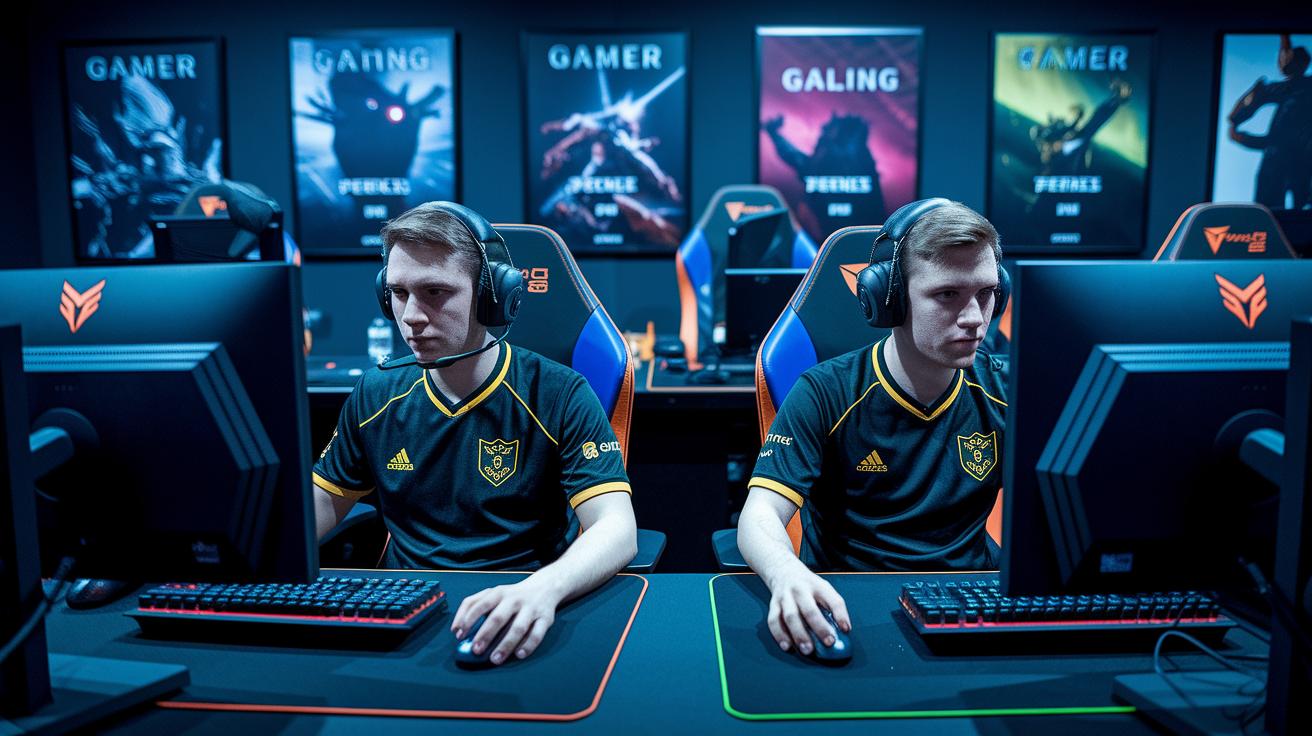
Sometimes, a leaderboard that shows everyone’s ranking just isn't the right fit. Imagine if each move was broadcast to a huge crowd, what sounds like excitement for some might feel like too much pressure for others. Not every gamer likes all that attention. Some prefer playing in private or within a tight-knit team where they can grow at their own pace without the weight of constant public ranking. It’s kind of like being in the spotlight every moment, and that extra glare can make you feel more stressed than boosted.
Creating a balanced experience means mixing in clear feedback loops and personalized progress tracking. Think of leaderboards that give you badges, levels, or little social insights, kind of like earning tokens or cool icons for personal wins in your campaign. When these displays focus on all the different ways you can improve instead of just crunching numbers, every gamer feels like their hard work truly counts.
Common Pitfalls in Gaming Leaderboard Rankings: Score Big
Design clarity makes all the difference. When a leaderboard is overloaded with details, it can feel like a maze where you can’t tell what numbers matter most. A neat layout helps you quickly see where you stand and builds trust that the scores really match your gameplay.
It’s all about keeping things focused. If too many names crowd the board or it never resets, you might feel lost or discouraged when you’re way down the list. Picture scrolling through endless numbers with top spots frozen for weeks, does that really keep the fight alive? A timely reset or grouping players by skill level makes the competition feel fair and keeps you engaged.
And finally, knowing exactly how your score is calculated is key. When the rules are murky or too technical, it can leave you second-guessing the whole system. Clear, straightforward criteria work almost like a game tutorial, they explain how your actions turn into points and keep the leaderboard a true indicator of your gaming skills.
Preventative Measures and Best Practices for Reliable Leaderboards

When building a leaderboard that works, it’s all about keeping things clear and fair for everyone. It’s like setting up your in-game settings so everything runs smoothly. Developers can start by testing scoring rules over and over and fine-tuning the user experience to block any cheating tricks. When your system works as well as a great ping in your favorite game, players feel confident and stick around. Ideas like Duolingo's weekly leaderboard reset bring a fresh vibe, while using comparison cards instead of fixed ranks, like LinkedIn Crossclimb does, helps players focus on getting better at their own pace. In short, checking your algorithms, designing a clear layout, and watching out for cheats are key to keeping the competition fair.
Some extra steps can make your leaderboard rock-solid. Regular resets stop the same names from always being at the top, so things don’t get stale over time. Making sure the scores match real in-game achievements lets everyone know what each point really means. When you publish clear rules on how moves turn into points, trust builds and confusion fades away. A steady routine of quality checks keeps everything running without hiccups by catching and fixing any problems early. Think of it like keeping your gaming rig updated, you always need a bit of maintenance to avoid any breakdowns. For more in-depth guidance, check out the insights in best practices for creating gaming leaderboards.
Final Words
In the action, we broke down leaderboard challenges from skewed algorithms to cluttered designs and cheating tactics. We explored, step by step, how each factor can throw off rankings and impact player trust and motivation.
We wrapped up our guide by unpacking best practices, from regular resets to clear metrics, ensuring a smooth competition. Keep these insights in mind to avoid common pitfalls in gaming leaderboard rankings and boost your gameplay experience.