
Ever looked at the leaderboard and felt a flutter in your stomach? It happens when a simple ranking stirs up some self-doubt and a bit of anxiety. Your focus might slip, and even the smartest moves can seem out of reach.
But there’s a way to flip the script. Try setting clear goals and taking deep, slow breaths. It’s like giving your mind a quick reset so you can tackle that next match with renewed confidence.
Next time you feel the pressure build, remember that calming your nerves can turn stress into steady drive. It’s all about shifting your mindset so you can play at your best.
Overcoming Leaderboard Pressure: Core Psychological Strategies
When you check the leaderboard, it can really shake you up. Your heart might race, your breathing can feel a bit quick, and your focus may slip away. A lot of gamers get caught up in that mix of self-doubt and low self-esteem that stops them from taking a brave step. And when you’re chasing perfection, the pressure can make you overthink every move. Some even start avoiding tough challenges because they fear failing, and they might feel like their success is just luck.
The trick is to first recognize what’s messing with you. Realize that self-doubt, perfectionism, and that fear of messing up all get tangled together. Once you see the connection, you can start changing how you handle the stress. A good move is to set a clear goal. For example, you might write down, “Win three rounds with smart plays only.” This specific target acts like an anchor when the game gets intense.
Simple stress management techniques also do wonders. Try taking deep, slow breaths and focus on one task at a time. You can even visualize a big win in your head to help clear your mind. These proven tips can help turn the pressure from the leaderboard into a little boost of motivation, making your gameplay steadier and boosting your confidence.
Mindset Adjustment for Reducing Leaderboard Anxiety
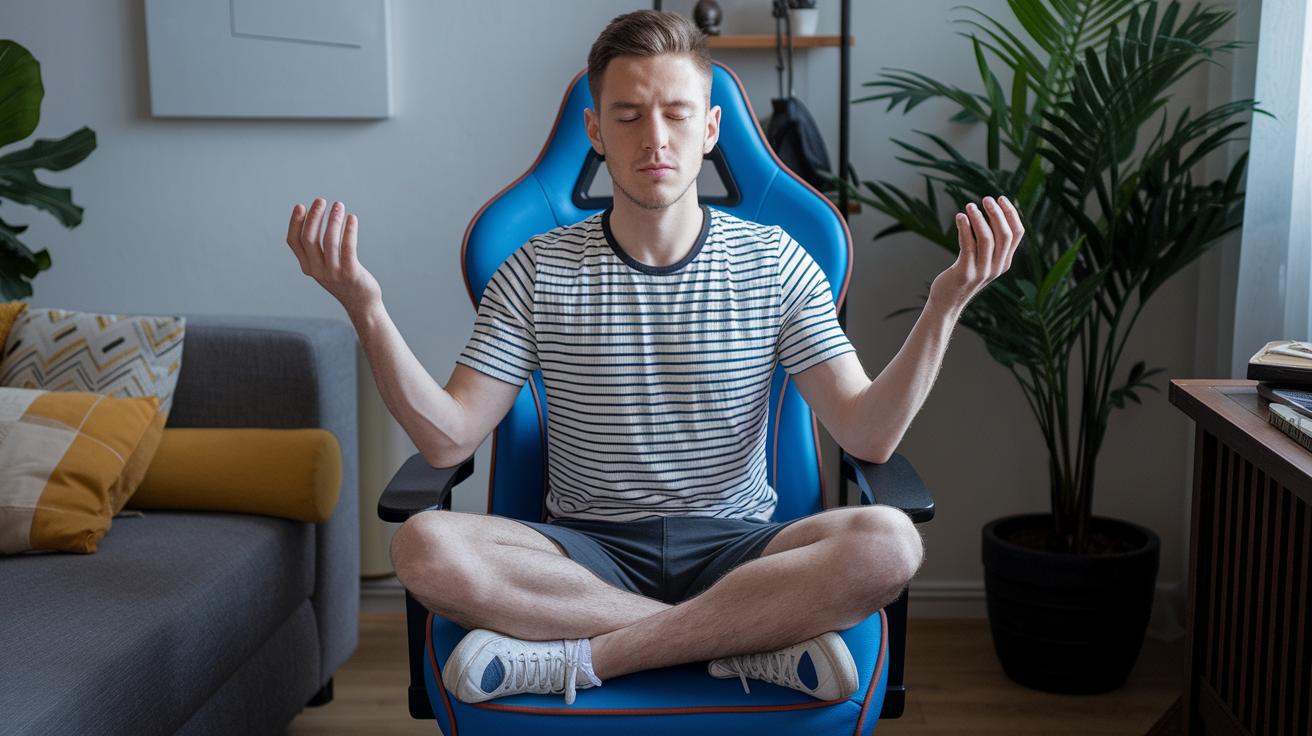
When the pressure heats up on the leaderboard, it's easy to get stuck in a loop of negative self-talk. We all know that sinking feeling when our mistakes seem to define us. A bit of honest self-reflection can help spot those limiting beliefs holding you back from trying new moves.
Switching from a fixed mindset to a growth mindset means seeing mistakes as lessons instead of failures. Every misstep is a chance to learn. Try setting a small goal each game, maybe land one perfect tactic. Jotting down something like "Secure two perfect rounds" can make your target crystal clear and cut through the uncertainty when the competition gets tough.
Ever picture your victory before it happens? Imagine feeling calm and ready as you execute that winning move. This simple visualization can turn pre-game jitters into focused energy. With every small win, you'll build confidence and learn to manage those high-pressure moments. Even when anxiety creeps up, a growth mindset can turn it into a challenge you know you can beat.
Taking time to check in with yourself is a game changer. Regular self-assessment lets you see where you can improve while celebrating every win, no matter how small. Over time, this habit transforms leaderboard anxiety into a powerful tool for growth.
Relaxation and Stress Resilience under Leaderboard Pressure
Ever notice your heart starts racing and your breathing gets shallow when you see your ranking on the leaderboard? It can feel like you're in the middle of a high-stakes match. But don't worry. There are a few simple drills that can help you calm down and keep your focus sharp, even when the pressure is on.
Start by taking slow, deep breaths to let your body relax. Then, try these seven fun exercises to keep stress at bay:
-
Diaphragmatic (4-7-8) Breathing
Breathe in slowly through your nose for 4 seconds, hold that breath for 7 seconds, then gently let it out through your mouth for 8 seconds. Picture drawing in calm vibes and pushing out all the tension. -
Box Breathing (4-4-4-4)
Breathe in for 4 seconds, hold for 4 seconds, exhale for 4 seconds, and then pause for another 4 seconds before starting over. Think of it like reloading your mental toolkit mid-game. -
Progressive Muscle Relaxation
Tense different muscle groups one at a time, from your head to your toes, and then let them relax. It’s like turning off a bunch of little alarms that signal stress until you’re ready for the next round. -
Two-Minute Mindfulness Pause
Close your eyes for a couple of minutes and focus on how you’re feeling. Let any thoughts drift by without grabbing onto them. This quick reset is perfect for when distractions start to creep in. -
Guided Visualization Cool-Down
Listen to a short guided meditation that helps you picture success on screen. It can really ease those pre-match jitters by flooding your mind with positive images. -
Pre-Match Ritual Sequencing
Create a simple routine you do before every game. Just like setting up your favorite gaming gear, this routine helps your mind switch to a calm and ready state. -
Brief Body Scan Meditation
Slowly check in with each part of your body. Notice any leftover tension, and consciously let it go. This little check-in helps ground you and gets you ready for the next big challenge.
Take these drills for a spin during your practice sessions. They might just turn that jittery feeling into clear, manageable focus for your next game.
Focus Enhancement Drills to Master Leaderboard Performance
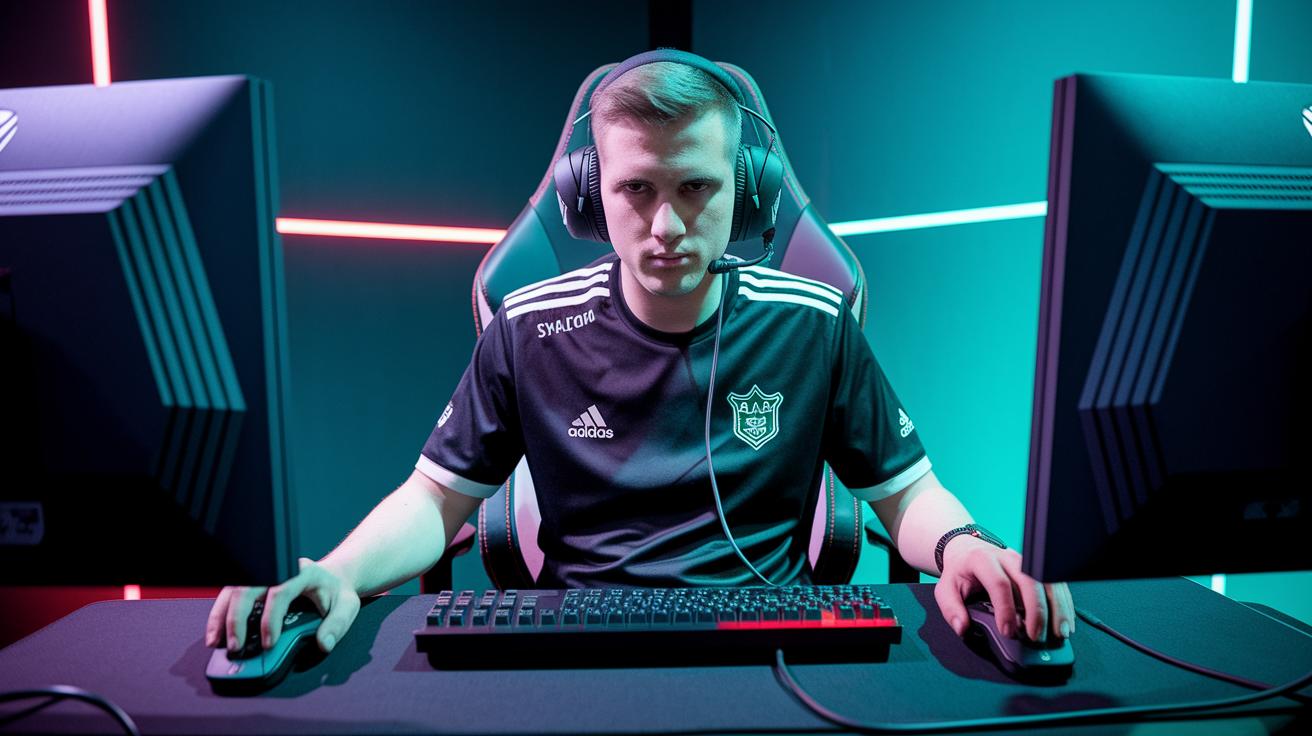
Mental Rehearsal
Imagine stepping into your game before it even starts. Picture the rapid click of keys, feel the grip of your controller like it’s an extension of you, and see each move play out as if it were a short movie in your head. When you prep for a match, close your eyes and replay your strategy, hear your teammates calling out moves and sense the energy of the arena. It’s like flexing mental muscles so that when things heat up, you’re already in the zone.
Focus Cues
Keep your focus sharp by choosing a simple word or gesture, like saying “steady” or giving a quick tap on your keyboard. When your mind starts to wander, use that cue as a signal to snap back into concentration. It’s a little trick that helps turn any distraction into just another part of the game, so you can stay in control during those high-pressure leaderboard moments.
Attention Sharpening Tasks
Warm up your brain with quick, fun tasks like a spot-the-difference challenge or a mini test that makes you think fast. Before you jump into a game, jot down three clear goals to keep your mind on track. These short exercises act like a power-up for your focus, ensuring you catch every detail and are ready for any surprise the game throws at you.
Adaptive Thinking and Emotion Regulation for Leaderboard Challenges
Sometimes, when the pressure is on, even your own thoughts can feel like they’re against you. Instead of letting setbacks ruin your vibe, try using adaptive thinking techniques that turn mistakes into handy pointers for improvement. For instance, if you miss an important play, instead of thinking, "I'm not good enough," you can switch it up and say, "This mistake shows me exactly where I can get better." That little change can clear your mind and keep you focused.
Here’s another trick: use simple inner-dialogue scripts. When your heart starts racing and your thoughts spiral, pause for a moment and name what you're feeling. You might say, "I'm frustrated right now, but I can fix this." It’s like giving yourself a quick mental power-up. This small acknowledgment helps calm your nerves and resets your focus.
Also, consider doing quick self-checks by asking, "What's my goal now?" This question pulls you back to what matters most, pushing away any negative thoughts and ensuring you stay confident even when the leaderboard shuffles.
Try this easy framework:
| Step | What to Do |
|---|---|
| 1 | Spot the trigger in your thoughts |
| 2 | Use a regulation tool like deep breathing or positive self-talk |
| 3 | Refocus on your main goal and jump back in |
These adaptive thinking and emotion regulation strategies are like secret power-ups you can use against the stress of competition. They help you stay balanced and steadfast, even when the pressure builds up.
Case Studies: Real-World Applications of Strategies for Leaderboard Pressure

Real-world examples show that stress techniques can really change the game outside of esports too. For instance, San Francisco Police teamed up with performance experts who focused on boosting mental strength. This move helped lower on-duty stress, much like cooling off during a tense match.
In a similar way, the Huntington Beach Police Department joined forces with wellness specialists. They worked closely to help officers make fast, smart decisions during stressful moments, similar to switching a chaotic round into clear, focused gameplay.
Then there’s Vashon Island Fire & Rescue. They added simple mindfulness and deep breathing exercises to their training. Picture taking a deep breath just before a crucial play. This small step cut down on mistakes during emergencies, proving that even a brief pause for mindfulness can sharpen your focus when it truly matters.
And over in Savannah, the Fire Department brought in resilience training. This boosted team unity and overall performance during high-pressure situations, much like a well-coordinated team smashing a leaderboard challenge.
| Organization | Strategy Implemented | Outcome |
|---|---|---|
| San Francisco (CA) Police | Added performance experts | Fewer stress incidents on duty |
| Huntington Beach (CA) PD | Teamed with wellness specialists | Smarter decisions under pressure |
| Vashon Island Fire & Rescue | Used mindfulness and deep breathing exercises | Reduced response-time errors |
| Savannah (GA) Fire Dept. | Integrated resilience training | Enhanced team unity and focus |
Final Words
In the action, you've explored how to handle leaderboard stress by shifting your mindset, practicing focus enhancement drills, and fine-tuning adaptive thinking. Each section provided practical insights, from relaxation exercises to real-world case studies, that show these techniques work. Using psychological strategies for overcoming leaderboard pressure can boost your confidence, sharpen your focus, and transform anxiety into motivation. Keep experimenting with these methods and watch your gaming experience improve with every match.
FAQ
What psychological strategies help overcome leaderboard pressure?
The psychological strategies for overcoming leaderboard pressure involve mindset adjustments, relaxation techniques, and focus drills. They help build confidence and reduce anxiety so you can perform at your best.
How does performing better under pressure relate to psychology?
Performing better under pressure means using mental strategies like calm breathing, clear goal-setting, and self-talk to maintain focus. These approaches help manage stress and lead to improved performance.
How can I work under pressure during an interview?
Working under pressure in an interview means keeping your responses clear and using techniques like deep breathing and positive self-talk. This helps maintain your focus and confidence under stress.
How can athletes perform well under pressure in sports?
Athletes perform well under pressure by applying mental rehearsal, focus cues, and controlled breathing. These methods enhance concentration and build the confidence needed to handle high-stakes moments.
What do leadership under pressure quotes emphasize?
Leadership under pressure quotes stress calm decision-making and clear thinking during challenges. They urge leaders to remain composed and maintain focus, even when facing intense competitive stress.
Where can I find resources like a PDF on performing under pressure?
Resources such as PDFs on performing under pressure provide step-by-step techniques like mindfulness and adaptive thinking. These guides offer quick tips to turn stress into a competitive advantage.