Ever feel like you're always just one step behind your rivals? Playing competitive online games means you need to think fast and play even faster. In this guide, I break down some smart strategies to help you up your game in CS2, Valorant, and Modern Warfare III.
Imagine turning your practice into a set of solid routines that catch every little mistake and build up your muscle memory over time. I cover everything from sharpening your basic skills to keeping up with the latest in-game tactics.
Ready to step up your gameplay and take charge of every match? Let's dive in and start dominating one game at a time.
Core Winning Tactics for Competitive Online Gaming
Focus on one or two games to sharpen your skills. When you pick a title like CS2, Valorant, or Modern Warfare III, you can learn every map layout and each character's unique abilities. This focused practice helps you spot tiny mistakes your opponents make, and with time, your reactions become smoother, giving you that edge when it really matters.
Keep up with what’s new in the game. Regularly check patch notes and learn about character updates and fresh strategies. Set aside some time just to explore game changes and try out new counter-strategies in scrimmages. This way, when unexpected moments pop up during a match, you're ready to adjust and get the upper hand.
| What to Practice | Why It Helps |
|---|---|
| Game-specific routines | Builds muscle memory and focus |
| Mechanical skills | Refines control and accuracy |
| Studying the meta | Keeps you ahead of the curve |
| Team communication drills | Boosts cooperation and strategy execution |
| Exploiting small errors | Turns little wins into major advantages |
| Rest and recovery | Keeps your focus fresh |
| Meeting technical requirements | Ensures smooth gameplay |
Sticking with a routine is essential. Keep tweaking your sessions and celebrate every little victory along the way. Every match is a lesson. Take time to review what went well and what could improve, experiment with new techniques, and soon enough, they'll become second nature. Play with focus and passion, and day by day you'll build up a competitive edge that transforms your game.
Mechanical Precision Drills for Competitive Online Gaming
When you pick the right tools for training, you set yourself up for real progress. Aim trainers and custom game modes are great for boosting your targeting and tracking skills. They let you tweak sensitivity settings and try out different control layouts. For instance, you might fire up an aim trainer, adjust your settings, and feel your muscle memory click with each shot. Choosing the best tools gets you ready to upgrade your precision.
Next, plan your drills carefully. Mix in flick-shot routines that push you to make split-second decisions, and use reaction-time tests to see how far you’ve come and how hard to push yourself next. Breaking your practice into focused segments helps you warm up and then jump into intense drills. You could switch between fast targeting and steady, controlled movements, practicing quick flicks then smooth aim adjustments until every move feels just right. This way, every drill you do really counts.
Finally, add some simulated scrimmages into your mix. Try out custom matches that mimic the wild pace of competitive play to bring your skills up to match pressure. This kind of practice forces you to react and make quick decisions, just like in a real match. Imagine a session where you’re under constant challenge, testing your reflexes until you can handle real tournament stress. Doing this helps you bridge the gap between practice and live gameplay.
Strategic Meta Mastery for Competitive Online Gaming
Competitive gamers know that deep research is their secret weapon. They spend time learning every map layout and how each ability fits into their overall strategy. The best players are always checking patch notes, just like rewatching replays to spot new opportunities for map control. They study how every new patch twist impacts the game, which helps them score quick advantages in matches. Some players even follow these changes closely so they can fine-tune their tactics before others catch on.
Players also take time to understand the most common enemy builds, looking for patterns and any weak spots. They watch recorded matches and scrimmages to see how their opponents change strategies over time. Then, during practice sessions, they experiment with new tactics that counter popular plays. This ongoing routine of research and adaptation builds a sharper game sense, making it easier to adjust on the fly during intense moments.
| Strategy Type | Purpose | Frequency |
|---|---|---|
| Map Control | Stops enemy rotations | Every match |
| Ability Prioritization | Boosts damage | By phase |
| Counter-Building | Defeats popular comps | Weekly review |
| Pattern Recognition | Predicts enemy moves | Daily drills |
| Role Flexibility | Adapts to enemy shifts | During scrims |
Staying flexible is key when it comes to keeping your edge in competitive gaming. With the meta always in flux, rethinking strategies and polishing your game plan is a must. Every match is a chance to learn from your mistakes and improve your tactics. By reviewing your gameplay and using fresh insights, you ensure that your strategies stay strong against new enemy moves. This constant process not only sharpens your skills but also boosts your confidence during those crucial, game-deciding moments.
Team Communication & Coordination in Competitive Online Gaming
Clear and simple communication can really change the game during a match. You know, using voice chat and ping systems lets you tell your team where the enemies are in real time. Having set roles for each player stops you from stepping on each other’s toes, so everyone knows exactly what to do. Using standard callouts like "Enemy crossing mid" or "Hold this flank" at the right time cuts down on confusion, even when the pressure is on. It’s like running a smooth, well-oiled machine where everyone gets the signals and makes fast decisions that can turn a small advantage into a big win.
Smart, coordinated tactics can give your team the edge in close games. Teams that practice together during regular scrims learn the best way to move as a group, whether advancing or falling back. Often, a leader is chosen to guide these sessions and make sure everyone is prepped for action. Imagine the thrill when one player shouts, "Ultimate ready!" and the rest quickly follow with the right callouts to join in. This kind of teamwork packs a punch, helping to set up game-changing plays that keep the opponents guessing all match long.
Mental Fortitude & Endurance in Competitive Online Gaming
When you're in the heat of a tough match, a solid mental routine can make all the difference. Start with some simple warm-ups to help you stay calm and avoid getting tilted. For example, try a quick memory game or a pattern challenge before you jump into action. These little drills can quickly get your brain fired up and ready to focus. You can even simulate high-pressure game moments during practice to build that clutch mindset. And don’t forget to take short mental breaks during long sessions, this helps clear your mind and keeps you ready for any surprise in the game.
On top of that, taking care of your body is key to keeping your focus in the game. Simple things like eye exercises, checking your posture, and drinking enough water can boost your alertness. A few stretches or deep breaths before a match can work wonders, much like a warm-up run before a sprint. Setting a timer for breaks might help you reset and avoid feeling overwhelmed as the game goes on. Together, these habits keep your mind sharp and your reactions lightning-fast when it really matters.
Technical Setup & Equipment Insights for Victory in Competitive Online Gaming
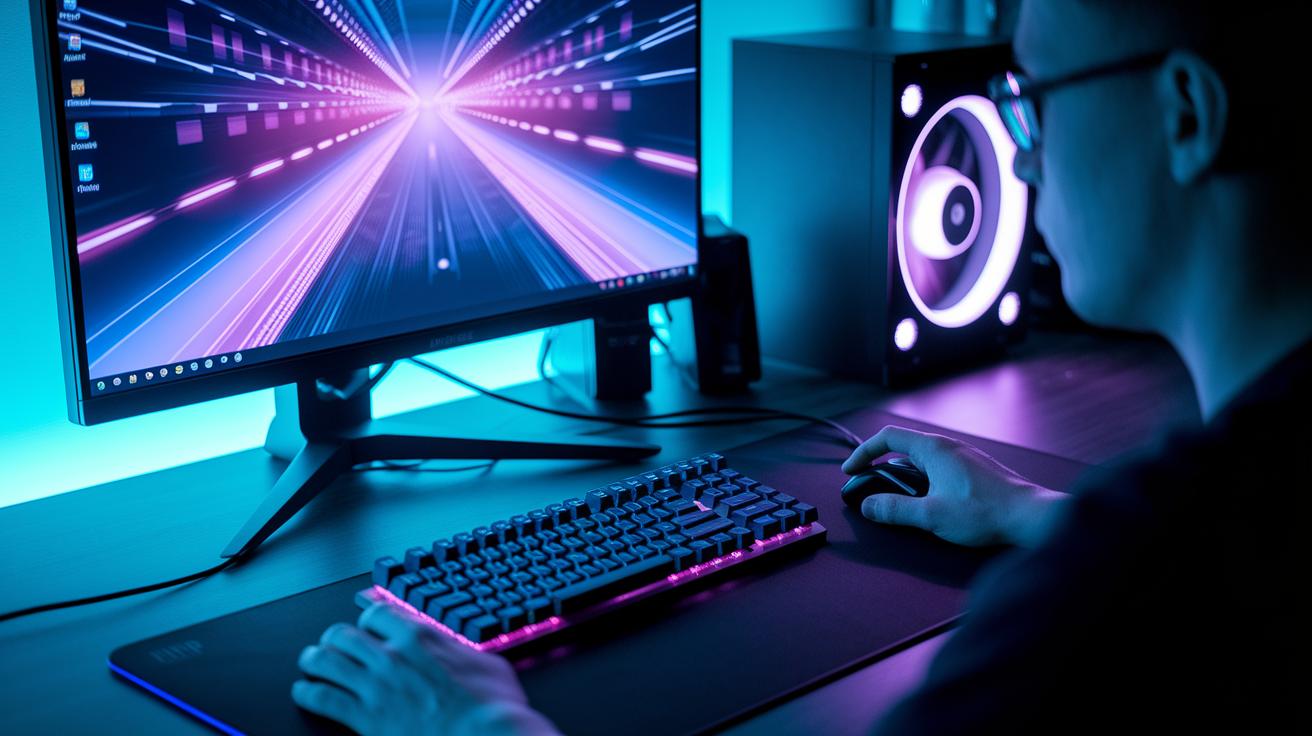
Getting your gear right starts with investing in reliable hardware. Think high-refresh monitors and gear with less than 20 ms latency to give you that smooth, split-second response when it really counts. Mechanical keyboards and adjustable-DPI mice let you move quickly and accurately, which is a game-changer when every click matters. And don’t forget quality headsets, they bring clear sound for picking up enemy cues and keep your team chat crisp during intense moments. Using wired setups and dependable routing tools also cuts down on lag spikes, making sure your commands always land on target.
Next up, fine-tuning your in-game settings turns good gear into a competitive edge. Tweaking options like sensitivity and keybind arrangements customizes your controls to match your style. A small change in mouse sensitivity might help you react faster when an enemy pops up, while personalized keybinds keep your moves and shots super smooth. This careful calibration means every press or click does exactly what you intend, giving you that extra boost to stay ahead of the competition.
Post-Match Analysis & Continuous Improvement for Competitive Online Gaming
Replay Review
Watching your match replays can totally change how you play. When you look back at your recorded games, you can spot moments where your aim slipped or you got out of position. Maybe you notice you always rush too early or miss clearing a corner. Pinpointing these moments shows you exactly what to work on next.
Analytics Tools
Using stat trackers is like having a special cheat code for improvement. They help uncover patterns, like where you lose most of your fights. Heatmaps, for example, highlight the spots where you usually get taken out, or areas that need better defense. With this info, you can tweak your settings and even check out leaderboard trends to see what might boost your game.
Goal Setting
Setting clear rank-based goals gives you targets to aim for with every match. Every time you nail a tricky map section or climb a rank, take a moment to celebrate. These little wins build your confidence and keep the motivation flowing. Breaking down your goals into smaller steps makes each practice session feel meaningful and fun.
Looping It All In
Try to weave replay reviews, stat checks, and celebrating your wins into your daily gaming routine. Each match then becomes a chance to learn something new and sharpen your skills. This constant feedback loop helps you react fast and steadily climb that competitive ladder. Keep at it, and you’ll keep growing your game.
Final Words
In the action, we broke down precise paths to mastering your gameplay. We explored focused specialization, meta mastery, mechanical drills, clear team communication, mental and physical readiness, technical setups, and constant post-match tweaks. Each element builds on the last to elevate your competitive skill.
Keep sharpening your abilities and creativity on every front. Every tweak, practice session, and review brings you closer to winning tactics for competitive online gaming. Stay driven and let each game fuel your growth.
FAQ
What are winning tactics for competitive online gaming on Reddit?
The winning tactics from Reddit focus on structured routines, mastering game meta, and precise mechanical practice, along with good team communication that all help shape a solid competitive edge.
What is an esports master game guide?
An esports master game guide is a resource that offers tips on game-specific training, mechanical drills, meta tracking, team strategies, and mental focus routines to help refine your competitive skills.
How do I get better at competitive video games?
Getting better at competitive video games means following game-specific routines, focusing on mechanical skills and meta strategy, making smart adjustments, and keeping both your mind and body ready for play.
What is the 20 rule for video games?
The 20 rule for video games suggests a break every 20 minutes to reduce fatigue and reset focus, helping you maintain steady performance during intense competitive sessions.
What strategies do you use to win games?
Winning game strategies include structured training, honing precise mechanical skills, tracking meta changes, exploiting small mistakes, and using clear communication to coordinate with your team.
How do I stop getting mad at competitive games?
Stopping frustration in competitive games involves integrating stress-relief routines, taking regular breaks, using mental fitness exercises, and reframing losses as chances to learn and improve.