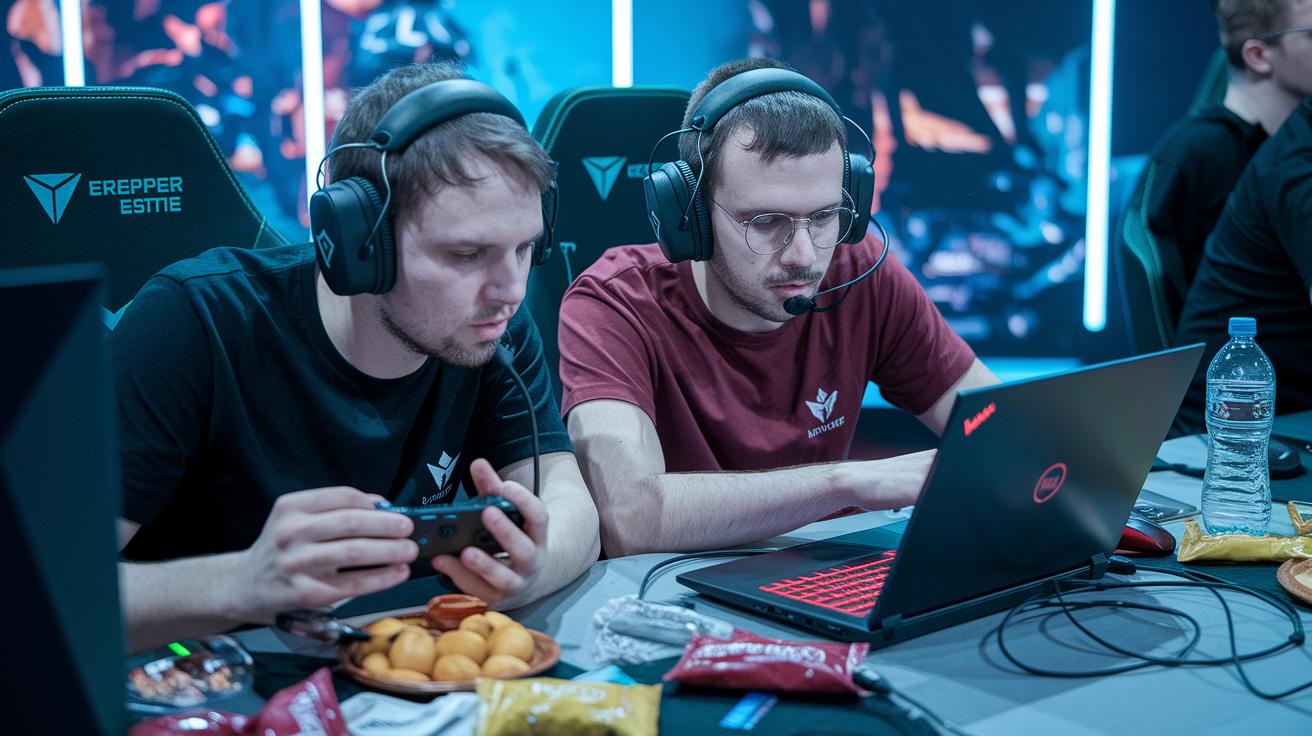
Ever wondered why some teams just dominate the competition? It’s not only about fast reflexes, it’s also about clever strategy, tight teamwork, and smart planning.
Imagine it like putting together your dream gaming setup. Every element has its spot, building the perfect edge for your match. We’ll dive into how mastering the game controls, picking the best weapons, and syncing perfectly with your teammates can boost your team from good to great.
Ready to see your team rise to the top?
Core Framework for Your Esports Strategy Breakdown
Winning in esports isn't just about having fast reflexes. It takes a mix of technical skills, smart tactics, physical endurance, and mental toughness. Think about it, many pro gamers started in small setups, spending endless hours practicing before they became famous.
Once you’ve nailed down the basics, it’s time to dive into game-specific strategies. You learn how your character works, pick the right weapons, and manage your resources effectively. Then you turn your attention to team coordination. Clear communication, trust among teammates, and knowing your role inside out are key to pulling off complex plays during a match.
Flexibility during a game is another big part of the plan. Teams must be ready to switch roles and adjust tactics as the game changes. After every match, take time to review what worked and what didn’t. Look at your wins and losses as lessons to refine your approach for next time.
Every step, from mastering game mechanics to fine-tuning your tactics, builds a winning strategy. It’s a lot like putting together your dream gaming setup where every piece matters. Think of it as assembling your ultimate competitive blueprint, piece by piece, move by move.
In the end, every tweak and every observation adds up to a smart, battle-ready plan that pushes you closer to victory.
Analyzing Game Mechanics in Your Esports Strategy Breakdown
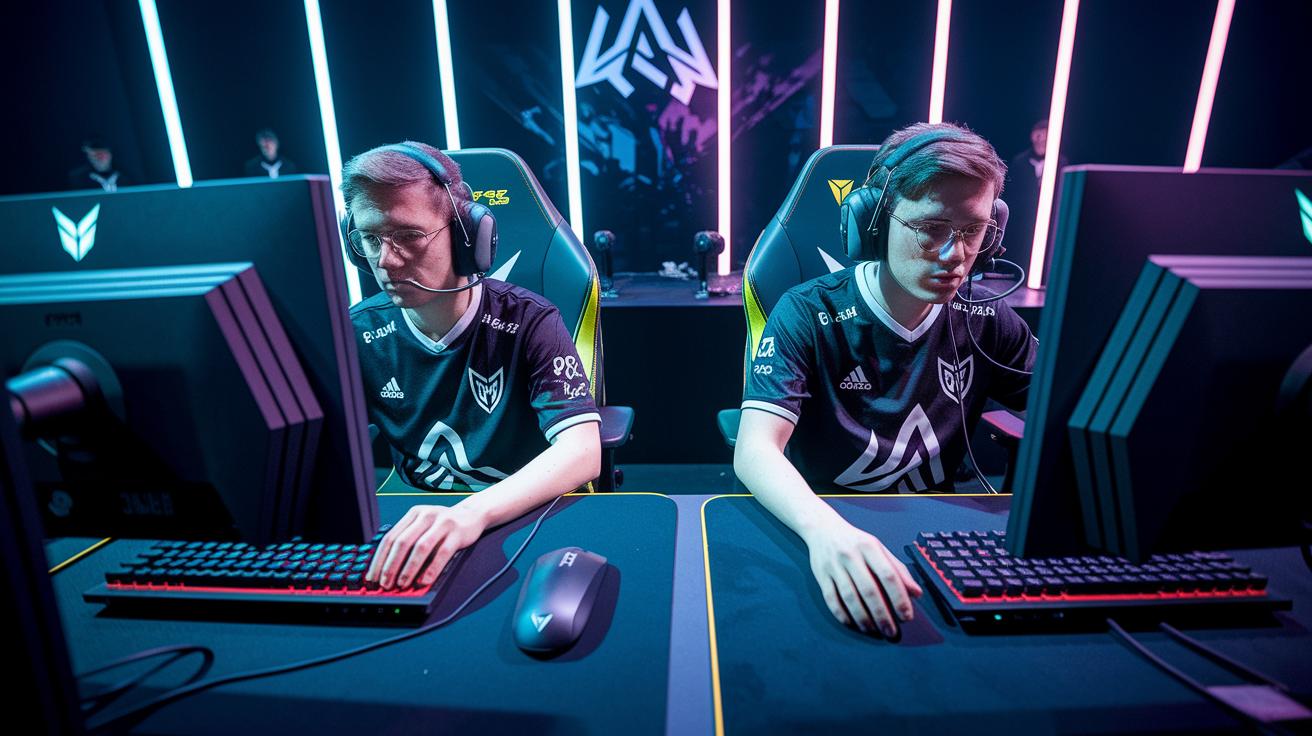
Knowing your game inside out is key, like a soldier checking out his gear and the battlefield. You have to watch every little detail, whether it's a balance tweak or a character's strong points, to build a winning plan. For example, in a shooter like Counter-Strike, top players use the map layout to dodge and outsmart rivals. And in a MOBA like Dota 2, smart item choices and perfectly timed skill combos can flip the game in your favor.
Here's a tip to remember: when you're learning a new game trick, break it down step by step. Think of it like putting together your dream gaming setup, one part at a time. Little insights like these help you build solid strategies that keep your team ahead of the pack.
Game Mechanics Analysis Steps
- Check the basic moves, like movement, aiming, and managing resources.
- Keep up with patch notes and any balance tweaks.
- Study the map layout to spot any advantages.
- Weigh the strengths of characters, weapons, or abilities.
- Look at current trends from pro matches.
Meta Analysis Factors
- How often patches drop and how they shift the game.
- Choices made by top players.
- New champions or weapons catching on.
- Changes in game rules or map selections.
Breaking things down like this not only sharpens your gameplay but also makes it easier to adjust your strategy on the fly.
Crafting a Flexible Game Plan in Your Esports Strategy Breakdown
In esports, a rigid plan just won't cut it when the action heats up. Top teams keep things flexible by tweaking their strategy as things change during the match. It’s like solving a live puzzle where every move matters.
The best teams start by really getting to know their opponents. They watch for patterns like common rotations, timing on skill-shots, and how the other side manages its resources. This kind of scouting lays the groundwork for a plan that can shift quickly when needed. Here’s a simple three-step process many pros swear by:
- Analyze game basics – Check out game balance, patch updates, and current trends to see how the game is changing.
- Create adaptable moves – Build plays that can switch up if the enemy changes their strategy. If the other team suddenly shifts roles, your plan should adjust too.
- Spot weak spots – Look for parts of your opponent’s game that aren’t as strong, and design your strategy to take advantage.
Imagine you're in a fast-paced shooter and you spot an enemy stuck in one spot. Instead of following your original plan, you rally your team, change up your roles, and take them down. That kind of flexibility can completely flip the game, keeping you one step ahead of your rivals.
Maximizing Team Synergy in Your Esports Strategy Breakdown

Team synergy is like that secret ingredient that turns individual plays into a well-coordinated plan. When teammates share clear calls and trust each other, every move feels smarter, kind of like hearing your in-game leader say, "Entry Fragger, push now!" and everyone instantly knowing what to do. Using quick voice chat for fast commands, text for detailed info, and pings for instant alerts really amps up your game.
When every player sticks to their role, things just click. Entry fraggers move forward with energy, supports guard key areas, and the in-game leader keeps the strategy flowing with timely calls. Picture a moment where a simple ping helps your squad grab a crucial objective. It’s all about syncing up like a well-practiced team.
| Role | Communication Method | Purpose |
|---|---|---|
| In-Game Leader | Voice chat | Call strategic rotations and adapt tactics |
| Support | Pings and text chat | Mark enemy positions and timers |
| Entry Fragger | Quick voice call-outs | Signal push timings and target focus |
Sharpening team synergy comes with regular practice and honest in-game chat. When you and your teammates discuss what worked and what didn’t, you naturally get better at communicating. Small changes, like tweaking your call-outs or locking in clear roles, make a big difference in boosting confidence and efficiency. Over time, these practice sessions build trust, and that trust helps everyone play at their best.
Executing Strategies and In-Game Adaptation in Your Esports Strategy Breakdown
When the pressure's on, success in a match depends on smooth planning and quick reactions. In a live game, your team has to move together and adapt right away when something unexpected happens. If you lose a player, for example, a quick signal, like flashing a retreat command, can help shift everyone to a safe spot.
Tactical moves lean heavily on clear signals. When the game suddenly turns, like when you drop a teammate, it might be time to switch things up. Instead of sticking to your usual role, you can shift from a frontline attacker to a supportive backup. This change can stop the enemy from pushing further.
Here are some easy steps to stay flexible during gameplay:
| Step | Action |
|---|---|
| 1 | Coordinate quick movements using pre-set signals. |
| 2 | Time your skills based on where your team is and what the enemy is doing. |
| 3 | Activate signals to change roles, adjust gear, or shift targets. |
| 4 | React fast to changes in map control or score by switching tactics. |
Every play should mix careful planning with on-the-spot decisions. This blend of pre-game strategy and in-match flexibility keeps your team one step ahead, even when things don't go as planned.
Physical and Mental Conditioning in Your Esports Strategy Breakdown
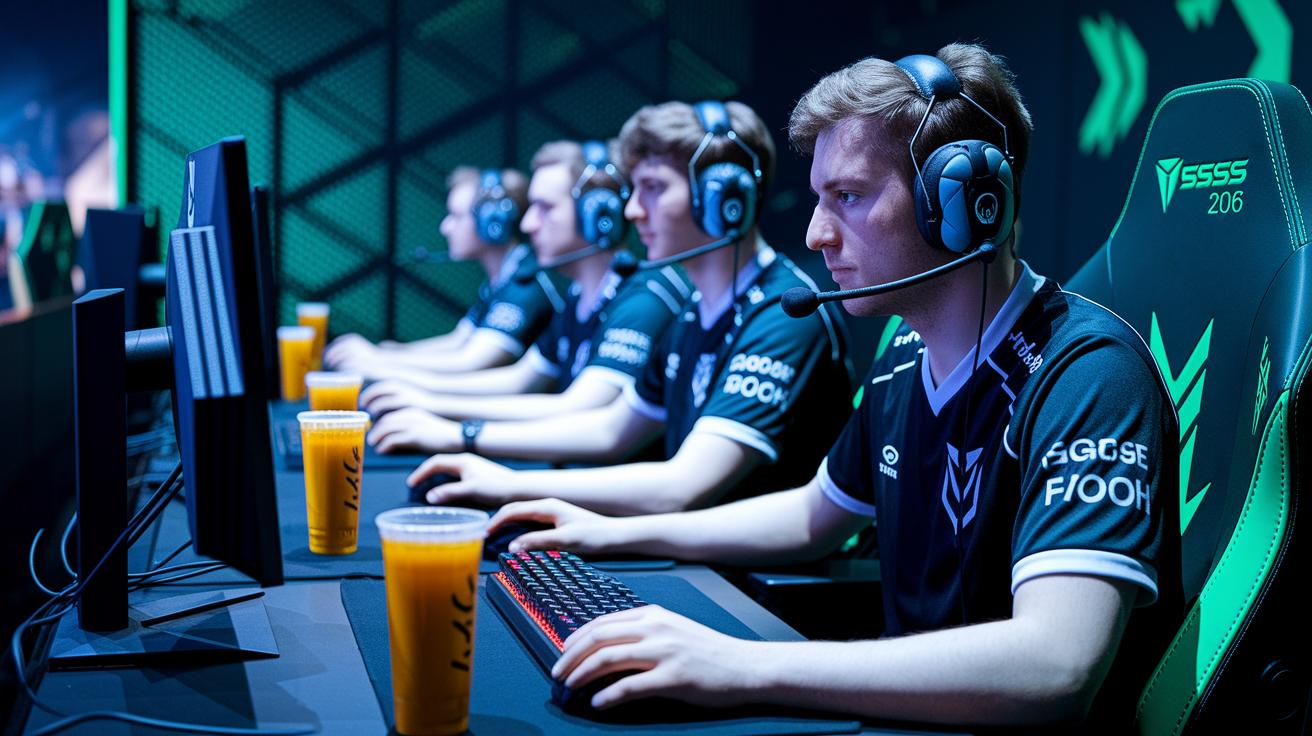
Esports pros never leave off-game preparation up to chance. They work closely with diet experts and fitness trainers to boost both energy and focus. Think of it like fine-tuning your character's stats before a big match, every bit of extra stamina counts.
Mental training is just as key. Teams run stress drills and quick-reaction exercises every day to keep their minds as sharp as their gameplay. Ever spent time practicing rapid button presses to cut down on delays? Those small exercises can really up your game, helping you stay cool under pressure.
Regular practice and game reviews are the secret sauce to long-term success. Players watch past matches to figure out where they can improve both physically and mentally. This off-game work builds a solid foundation for smarter plays and quicker reflexes when it matters most.
Case Studies for an Esports Strategy Breakdown
Overwatch teams show us how smart hero combos can totally change the game. They mix crowd control moves with quick bursts of damage to turn a wild brawl into a well-planned team fight. Think about it, one hero can freeze opponents while a teammate follows up with a fast, heavy hit that wipes out the enemy team. Fun fact: before a coordinated push, their damage was almost 40% lower. That tells you just how important syncing up really is.
In Counter-Strike, top teams own the map by using every corner to their advantage. They position themselves on high ground and set up safe default spots, so they always know what’s coming. When a leader calls for holding the top position, everyone jumps on board, and suddenly the pace of the round shifts completely. It’s kind of like one quick move that turns everything around.
Dota 2 teams also have a knack for timing their item builds and tactics perfectly. They know that the magic moment is usually between 15 and 20 minutes into the game, and they take advantage of that with surprise smoke ganks. This trick catches opponents off guard and throws their plans into chaos, giving the team a vital edge on the map. Imagine the thrill when everything clicks into place at just the right moment.
League of Legends squads focus hard on early jungle control. They invade the enemy’s jungle to cut off resource flow and set up key objectives. These bold moves often spark a chain reaction of strategic advantages that lead to game-winning plays. It’s all about making the right call at the right time and trusting your team to back you up.
Tools and Resources for Your Esports Strategy Breakdown
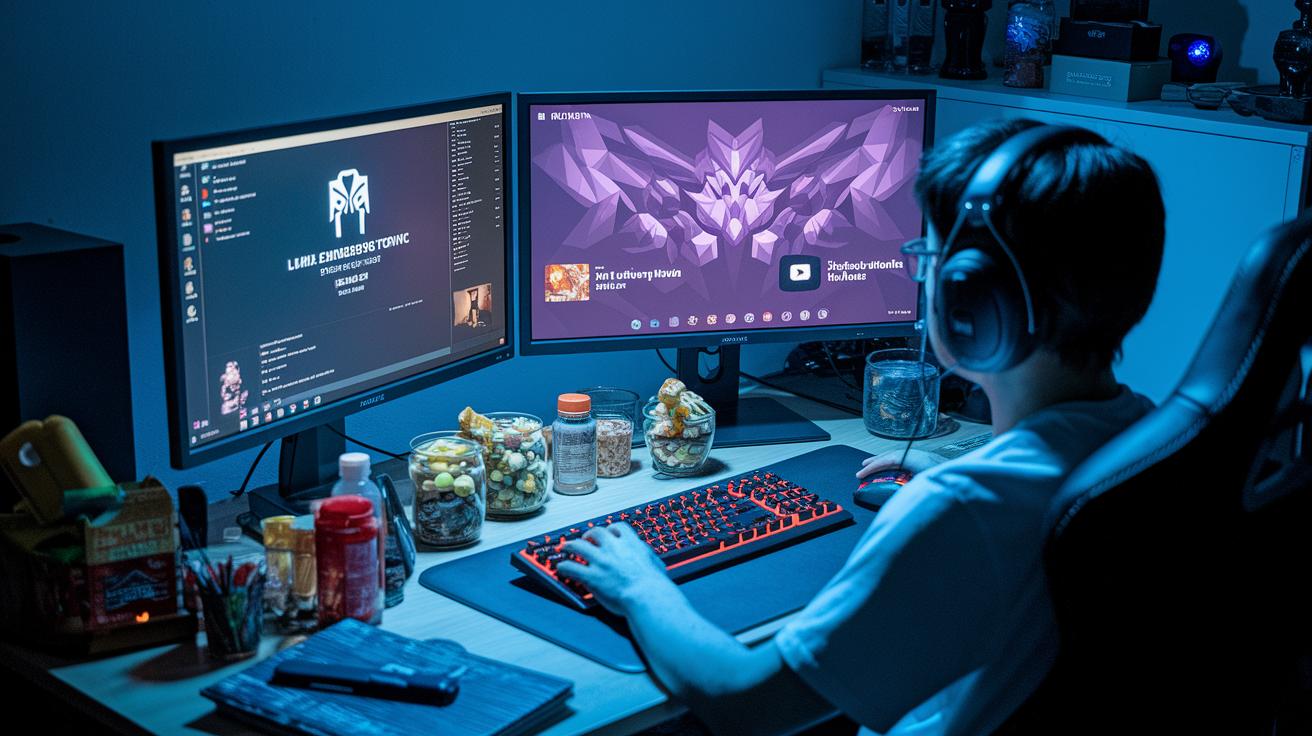
Twitch and YouTube are awesome spots for catching live streams and VOD reviews. You can watch top players in action and pick up some killer moves.
Forums on Reddit, especially certain subreddits, are a treasure trove of insider tips and chatty discussions that help you spot upcoming trends.
Tools like Tracker.gg and OP.GG serve up real-time data to help you make better decisions. When you check a player's stats, you might notice a weak patch in their defense. Maybe they struggle when defending their flank. That’s your cue to strike.
Interactive dashboards give you clear visuals for tracking scrims and team stats, making post-game reviews more useful. With these insights, you can decide which strategies work best and change your game plan on the fly.
Apps like Notion or Google Sheets let you write down key moments about your opponents, like noting, "Enemy rotates late in round three." Keeping these notes helps you tweak and improve your tactics over time.
All these platforms and templates are key to building a smart, ever-evolving esports strategy.
Final Words
In the action of sharpening your play, we broke down every part, from game mechanics to dynamic in-match moves and team play adjustments. We showed how technical tweaks and defined roles help elevate your strategy. Each step reinforces your confidence in executing an effective esports strategy breakdown. Keep learning and experimenting to refine your approach. Every match is a chance to boost your performance and push your skills further. Stay positive and keep your focus sharp for those game-changing moments.