
Have you ever wondered how a simple box changed living rooms forever?
Back in the late 60s, Ralph Baer made the Brown Box. It turned regular TVs into interactive playgrounds that anyone could enjoy.
Then came the Magnavox Odyssey, the first console you could actually buy at a store. Gamers were buzzing with excitement as they got to try something totally new.
These early gadgets set the stage for the gaming fun we know today. They remind us that even a basic idea can spark a whole revolution in the way we play.
Home Video Gaming Origins: Brown Box to Odyssey Debut
Gaming shifted culture quickly. Back in the late 1960s, Ralph Baer's Brown Box kicked off the whole gaming scene. This early console was super basic, it showed simple square graphics and let two players join in on the fun. It set the stage for interactive TV gaming and got everyone excited about what was to come.
Then, in 1972, Magnavox stepped in with the Odyssey, the first home console you could actually buy in stores. It cost around $100 back then (about $500 today), and it brought gaming into homes before Atari became a big name. The Odyssey even had cool removable circuit cards, meaning you could swap out games and try something new. This clever idea not only broadened the gaming world but still sparks retro fun among players today.
Ralph Baer’s Brown Box: Prototype of Interactive TV Gaming
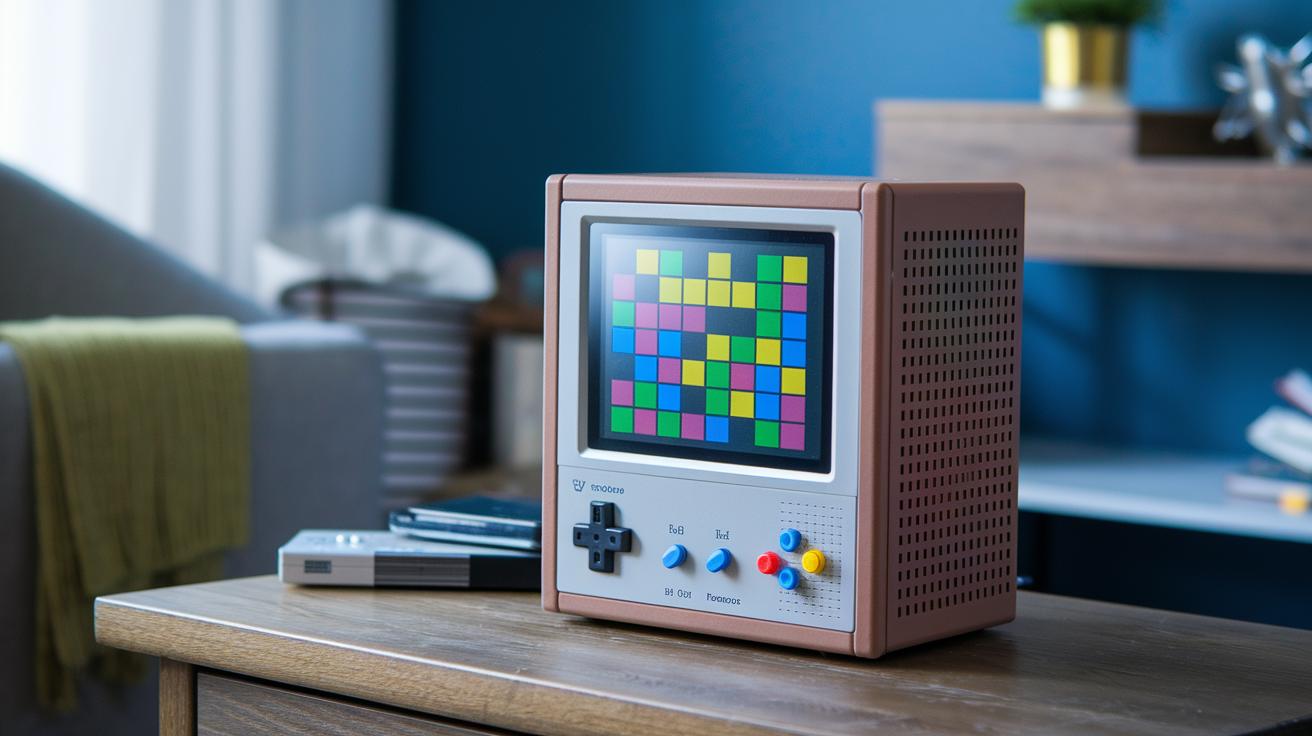
Back in the late 1960s, Ralph Baer and his team at Sanders Associates created something amazing that kick-started home gaming: the Brown Box. This early device had simple square graphics and let two players go head-to-head, making it one of the first ways to play digital games at home.
The Brown Box wasn’t flashy by today’s standards, but it showed everyone that a home video game system was possible. Its design used interchangeable logic circuits, which meant you could swap out game setups, kind of like how later systems used cartridges to change games. This groundbreaking invention even earned the very first patent for home video game technology.
It’s like the granddaddy of interactive TV gaming. Long before fancy graphics, epic soundtracks, or online play were a thing, the Brown Box laid the foundation for all that was to come. Gamers and developers felt that spark of excitement from its simple yet clever design. Even now, this classic piece of tech reminds us that sometimes the simplest ideas are the most powerful.
The Magnavox Odyssey: First Commercial Home Console
In May 1972, the Magnavox Odyssey hit the market for $100 (around $500 today). It was a game changer because it was the first home console that let you swap out circuit cards to switch games. Imagine picking one adventure and then diving into a totally new one the next minute. Plus, it even offered an optional light gun to make playmore interactive.
However, its launch faced some tricky bumps. The Odyssey was only available through one dealer, and it worked smoothly only on a few TV brands. When gamers found out, the excitement was a bit put off.
Even with these challenges, its innovative design paved the way for all the modern consoles we love today.
Atari Pong and Myths Around the “First” Console
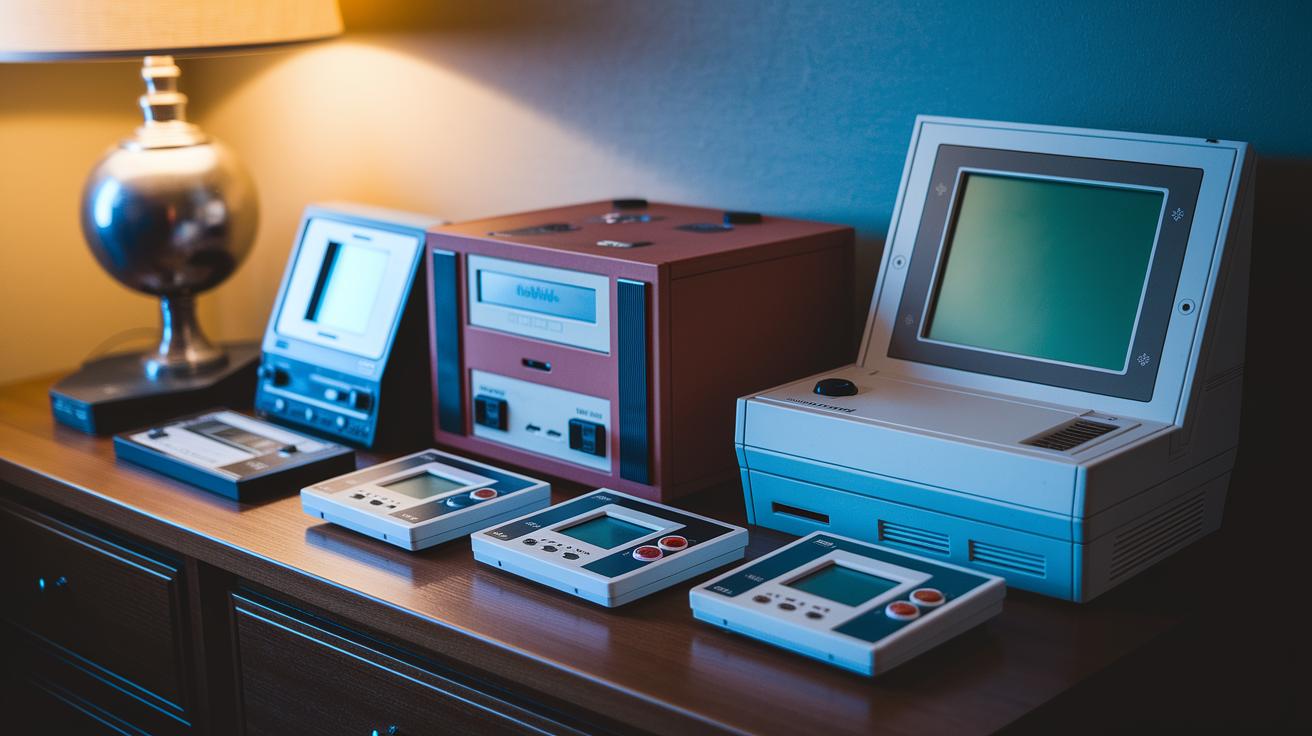
Atari Pong burst onto the scene in 1975 and definitely earned its spot in gaming lore, but it wasn’t the first console ever. In fact, Pong made its way into homes three years after the Odyssey and the Brown Box prototype first set the stage. Back in its first holiday season, Pong managed to sell 150,000 units, a clear sign that it was a big deal for vintage gaming.
A lot of gamers often mix up Atari Pong with those early home video systems. And it's easy to understand why, the game’s sudden popularity really caught people’s imaginations. But if you call Pong the very first gaming console, you miss out on the earlier gadgets that really started the home gaming revolution.
It’s like this: even though Pong drew huge crowds with its simple, one-game charm, it was actually just one move in a longer play that started with the Brown Box and the Odyssey. History shows us that gaming didn't spring from a single hit; it grew step by step, with each new system adding its own spark.
Ever get surprised by a game’s hidden backstory? Pong’s story is a neat reminder that sometimes history blends fact with a bit of myth, making the gaming world even more interesting.
Early Innovations’ Legacy in Modern Consoles
Remember those early gaming days? Devices like the Brown Box and the Odyssey were the real trailblazers, setting up the cool ideas we see in consoles now. They gave us things like swap-out game logic and nifty gadgets such as light guns. It was as exciting as switching gears in your best racing game, pure gaming magic.
These early breakthroughs weren’t just fun throwbacks. They taught us that switching things up can lead to endless new adventures. Think of it like building your dream gaming rig, piece by piece. That spirit of innovation still lives on today in customizable controllers and huge online gaming worlds.
| Early Feature | Modern Influence |
|---|---|
| Interchangeable game logic | Cartridge-based systems |
| Light gun accessory | Motion controllers |
Feel that buzz? It’s the legacy of early consoles pushing us toward more flexible and fun gameplay.
Final Words
in the action, the first gaming console set off a chain reaction that brought us from the Brown Box to the Odyssey. We explored how early game system history shaped interactive TV gaming and revealed why myths surrounding Atari Pong don't hold up. This timeline shows how cutting-edge designs, even in simple beginnings, paved the way for modern gaming’s dynamic features. Keep these insights in mind, and let them fuel your passion for both gameplay and streaming excellence.
FAQ
Q: What was the first video game console?
A: The first video game console is commonly recognized as the Magnavox Odyssey, which was based on Ralph Baer’s Brown Box prototype and marked the start of home gaming.
Q: Who made the first video game console?
A: The first video game console was developed by Ralph Baer and his team, who created the Brown Box prototype that eventually led to the commercial release of the Magnavox Odyssey.
Q: Was the Atari 2600 the first console?
A: The Atari 2600 was not the first console; it followed the Magnavox Odyssey, which debuted in 1972, building on the early innovation seen in the Brown Box prototype.
Q: What was the first gaming console made by Nintendo?
A: Nintendo was not behind the earliest gaming consoles; they entered the market later, after pioneers established home gaming with systems like the Brown Box and Magnavox Odyssey.
Q: In what order did game consoles come out?
A: Early game consoles began with the Brown Box prototype and the Magnavox Odyssey, followed by other systems such as Atari’s home console, all building on these initial innovations.
Q: How do old gaming consoles relate to modern gaming?
A: Old gaming consoles brought concepts like interchangeable game cards and light gun accessories, which set the stage for design features found in modern gaming hardware.