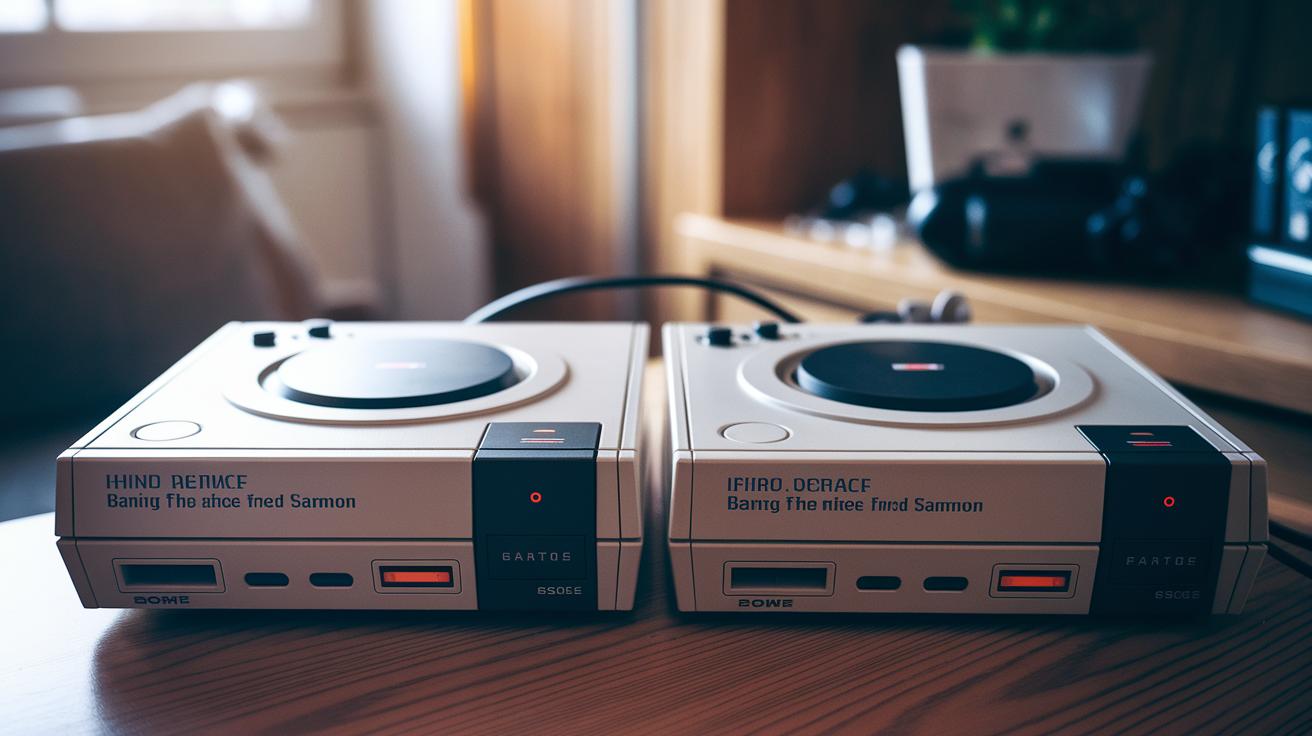
Ever wonder if your old console could still hang with the big leagues? Gaming has come a long way, from those simple machines with one built-in game to sleek consoles that blast amazing visuals and lightning-fast performance.
Remember when each new console meant more than just better graphics? It changed everything about how we play and connect with our friends. Every upgrade brought fresh surprises and new ways to enjoy the game.
In this quick look back, we’re tracing the rise of these legendary consoles and showing how each step forward pushed gamers into even more thrilling adventures.
Console Generations Timeline Overview
Console generations aren’t just time markers; they’re proof of how gaming has evolved. Think of it like moving from simple, one-game machines to today’s sleek systems with SSDs and cool ray tracing effects. It’s a wild ride, and if you need the full backstory, check out this history of gaming systems: https://nerdladder.com?p=2684.
Every generation builds on the achievements of the one before it. Back in the day, switching from cartridges to digital downloads felt like stepping into a whole new world. These shifts didn’t just upgrade graphics, they changed how we play and connect. It’s pretty amazing when you think about it.
- Gen 1 (1972–1977): One-game systems like the Magnavox Odyssey
- Gen 2 (1976–1983): Cartridge-powered machines such as the Atari 2600 and Intellivision
- Gen 3 (1983–1992): The 8-bit era with classics like the NES and Master System
- Gen 4 (1987–1996): 16-bit battles on the SNES and Genesis
- Gen 5 (1993–2001): The CD-ROM era with the PlayStation and Saturn
- Gen 6 (1998–2006): DVD times showcased by the PS2 and Xbox
- Gen 7 (2005–2013): The rise of online gaming on the Xbox 360 and PS3
- Gen 8 (2013–2020): A digital revolution with consoles like the PS4, Xbox One, and Wii U
- Gen 9 (2020–Present): Speed and stunning visuals with the PS5 and Xbox Series X/S
Each era took the best ideas from the past and cranked them up. Those first systems laid the groundwork for bigger game libraries, sharper graphics, and more interactive play. It’s like watching your favorite game level up right before your eyes.
Early Console Generations: Single‐Game Units to Cartridge Systems

Gen 1 consoles kept it simple by offering just one built-in game per unit. Every time you powered one up, you knew exactly what to expect, much like planning one move in a strategy game without any variety. Systems like the Odyssey and Coleco Telstar were basic and straightforward, leaving little room for surprises. It was almost like having just one battle plan and no chance to switch it up, which eventually led to ideas for more flexible gaming.
Then, Gen 2 stepped in and changed everything by introducing removable ROM cartridges. Suddenly, gamers could swap out games, and a whole new world of titles opened up with the Atari 2600, 5200, and 7800. This change meant that even smaller, independent developers could try their hand at different game styles, adding fresh twists and extra fun. The move to cartridges not only boosted variety but also created a smoother way to produce and share games, a trend that still shapes gaming today.
Console Generations in the 8-Bit and 16-Bit Eras
Moving from 8-bit to 16-bit felt like a big power-up for games. In the 8-bit days, consoles like the NES and Master System ran on simple graphics and a limited color range. Still, the NES managed a cool 54-color palette and five audio channels that really set the mood.
Then came the 16-bit era, and consoles like the SNES and Genesis stepped things up big time. With more bits in play, these systems could show off larger sprites and richer sounds. Games became more detailed and engaging, letting developers try out smarter gameplay tricks. It was like switching from a simple sketch to a vibrant painting, small tech tweaks led to huge boosts in creativity and fun.
| Console | CPU | Clock Speed | Color Palette | Audio Channels |
|---|---|---|---|---|
| NES | Ricoh 2A03 | 1.79 MHz | 54-colors | 5-channel |
| Master System | Z80 | 4 MHz | N/A | N/A |
| SNES | Ricoh 5A22 | 3.58 MHz | 256-colors | 8-channel |
| Genesis | Motorola 68000 | 7.6 MHz | N/A | N/A |
Optical Media Console Generations: CD-ROM to DVD
Generation Five rocked the scene from 1993 to 2001 with CD-ROM tech that changed everything. Consoles like the PlayStation and Saturn boosted storage past 650 MB, letting developers pack in full-motion videos, clearer sound, and cool extra game features on one disc. It was like moving from a tiny comic strip to a full-color graphic novel, turning gameplay into a cinematic adventure that grabbed all our senses.
Then came the DVD era from 1998 to 2006, when consoles like the PS2 and Xbox took things even further. These consoles used DVD drives that could hold up to 4.7 GB, which meant longer gameplay, bigger 3D worlds, and even the chance to watch movies. Gamers enjoyed a mixed experience that blended the fun of gaming with the cozy vibe of home video watching. This shift made cutscenes feel like mini-movies and turned our living rooms into the ultimate hub for digital excitement.
Online and Digital Distribution in Console Generations
Generation 7 completely changed our gaming vibe. With consoles like the Xbox 360 and PS3, online play took off thanks to Xbox Live and PlayStation Network. Suddenly, we weren’t stuck playing locally, we could team up with friends around the world, swap cool digital add-ons, and get game patches on the fly. It was like joining a global party where fresh updates arrived right at your fingertips, making every match feel new and exciting.
Digital add-ons really took off in Gen 7. Gamers started grabbing extra content, like new skins or mission packs, that boosted the main game experience. This approach not only made games last longer but also gave developers steady feedback. Over time, regular online updates and subscriptions became the norm, creating an immersive experience that kept us hooked long after the game first launched.
Then came Generation 8, which took things to the next level by introducing digital storefronts on the PS4, Xbox One, and Wii U’s eShop. These stores made buying games a breeze and even helped indie titles get a chance to shine alongside big releases. We enjoyed robust multimedia ecosystems paired with cloud-streaming features and subscription services like PlayStation Now. Moving to a digital-first world meant smoother updates, easier downloads, and a huge selection of games to match any play style.
Future Console Generations: Emerging Technologies and Trends

Current Gen 9 Console Features
The PS5 and Xbox Series X/S have really upped the ante with features that make every game feel alive. Thanks to NVMe SSDs, waiting for a load screen is almost a memory, everything kicks off in a flash. Hardware ray tracing works like a magic paintbrush, turning light and shadows into art right before your eyes. And with 120 FPS support, gameplay feels buttery smooth, giving competitive players that extra edge. Plus, deep backward compatibility means your old favorites sit right alongside the latest releases, like a perfect mix of nostalgia and cutting-edge tech.
Predictions for Generation Ten and Beyond
Looking ahead, the future of gaming is set to be even more interactive and immersive. Cloud-native gaming is on its way, meaning you could jump into high-end titles without lugging around bulky hardware. Imagine VR-first consoles that put you smack in the middle of virtual worlds, making everything feel incredibly real. AI-driven streaming might soon tweak your game in real time, almost like having a coach who learns from every move you make. Rumors hint at improved handheld devices, sort of a next-gen Switch, with a powerful 7 nm CPU/GPU and 4K docking mode for console-quality play anywhere. And hey, modular hardware upgrades could let you swap out parts as new tech drops, keeping your system in the game much longer.
Final Words
in the action, we broke down each stage of console evolution, from simple single-game systems to modern setups featuring SSDs and ray tracing. We showcased how every step, like the jump from 8-bit to optical media, reshaped gameplay and sparked new strategies. Understanding console generations gives you the edge for smarter gameplay and streaming. Keep pushing your limits and enjoy the thrill as tech evolves and the game continues to amaze.
FAQ
What are the generations of consoles?
The generations of consoles refer to nine distinct eras that track gaming’s evolution—from basic single-game systems to advanced setups with SSDs and ray tracing, each marking clear hardware and design leaps.
What is the console generations timeline, chart, and comparison?
The console generations timeline lays out key periods from early single-game devices to Gen 9 systems. It compares tech shifts and design improvements, helping you see how gaming evolved over time.
What are handheld console generations?
The handheld console generations mirror home systems, showcasing portable devices that grew in power, display quality, and game selection as gaming technology advanced.
What are 9th generation consoles?
The 9th generation consoles, like the PS5 and Xbox Series X/S, feature fast SSDs, ray tracing for lifelike graphics, and improved backward compatibility, marking a significant upgrade in gaming performance.
What are 8th generation consoles?
The 8th generation consoles include systems such as the PS4 and Xbox One, which boosted digital downloads, online play, and multimedia integration, laying the groundwork for today’s tech innovations.
What are 5th generation consoles?
The 5th generation consoles, such as the PlayStation and Saturn, introduced CD-ROM technology and full-motion video, expanding game features and multimedia experiences beyond traditional cartridges.
What are 10th generation consoles?
The term 10th generation consoles generally points to upcoming systems expected to push advancements in cloud gaming and virtual reality, building on the breakthroughs established by 9th generation devices.