
Ever wondered why gaming always feels new when you log in? Lately, new gaming tech is shaking things up in ways you might not expect.
Digital platforms are earning more cash, and live streaming is making gaming a social event. New hardware and smart in-game ads are giving our favorite games a fresh twist.
In this post, you'll see some cool numbers and ideas that are changing the way we play. Stick around and get ready to learn how these trends are rewriting our playbook.
Comprehensive Analysis of Current Gaming Technology Trends
The gaming world is exploding right now, and it's impossible not to get caught up in the buzz. Digital downloads are flying high, with expected revenue rising to 25.4 billion USD by 2027 – a huge jump from the 11.43 billion USD from physical sales. I mean, that's a clear sign of where things are headed.
In 2023, there were 3.22 billion gamers worldwide. Fast forward to 2024, and that number is set to hit 3.32 billion. And if you've been part of the free-to-play scene, you've probably noticed that in-game marketing, sponsored content, and product placements are now essential tools. Plus, live streaming on Twitch and YouTube Gaming has turned watching games into a social, interactive experience.
Here’s a quick rundown of the key points:
- Gamers worldwide: 3.22 billion in 2023, rising to 3.32 billion in 2024
- Revenue trends: Digital downloads are expected to reach 25.4 billion USD by 2027, compared to 11.43 billion USD from physical sales
- Viewership insights: Live streaming on platforms like Twitch and YouTube Gaming is creating highly engaged communities
- Investment flow: More money is being pumped into game development studios, esports, and streaming services
- Gaming platforms: A mix of consoles, PCs, and mobile devices is keeping gameplay fresh and exciting
These trends aren't just numbers on a page – they show a clear shift towards more interactive and digital gameplay experiences that cater to a global audience. It’s like gearing up for a major update in your favorite game. Each of these stats gives insight into what developers and gamers can expect as the industry continues to evolve.
Hardware Innovations in Gaming Technology Trends Analysis
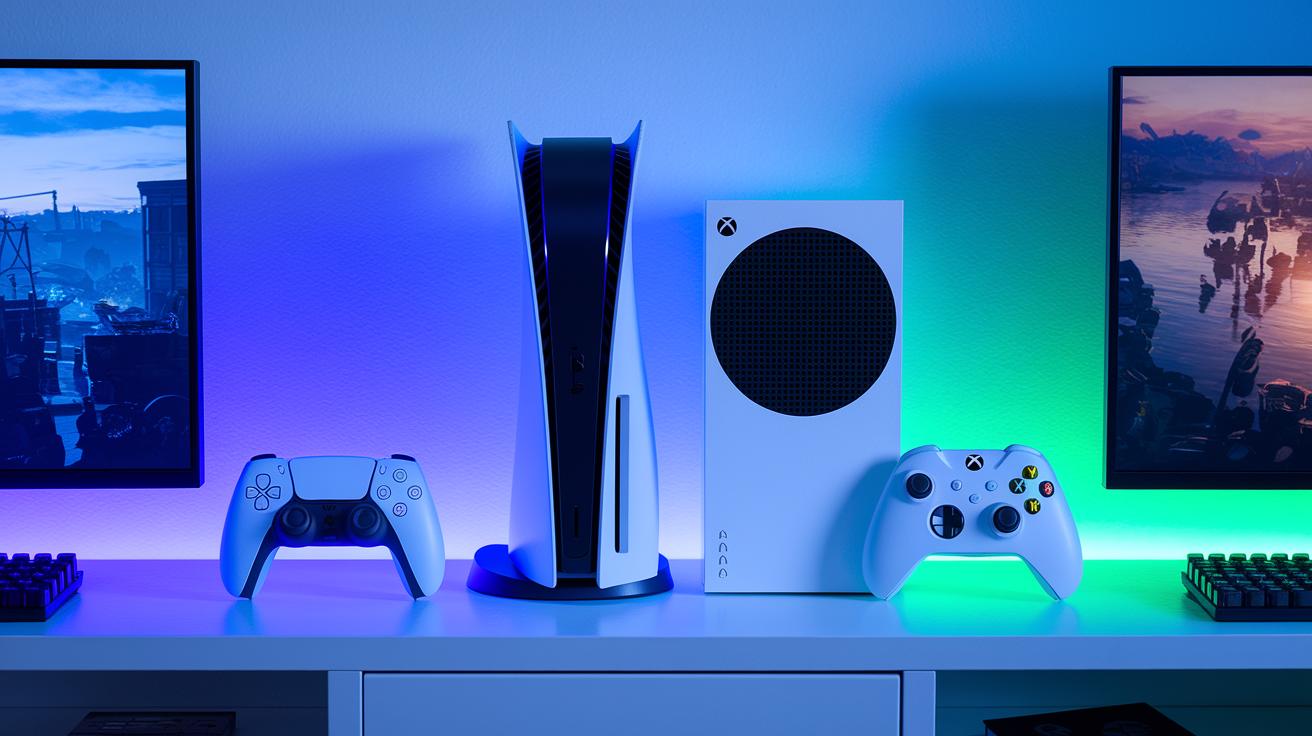
Hardware is the backbone of epic gameplay. It makes sure every moment looks crisp and feels responsive. With game-changing consoles like the PlayStation 5 and Xbox Series X on the rise, gamers are now treated to ray tracing, 4K at 120 fps, and custom SSDs that cut down load times and boost visuals. These tech leaps create gameplay that’s both smooth and visually stunning.
| Hardware | Key Feature | Release Date |
|---|---|---|
| PlayStation 5 | Ray tracing, 4K@120 fps | Nov 2020 |
| Xbox Series X | 12 TFLOPs GPU, custom SSD | Nov 2020 |
| NVIDIA RTX 5090 | 32 GB VRAM, DLSS 4 | 2025 (est.) |
New improvements in graphics cards and cooling have really upped the game. Take the NVIDIA RTX 5090, for example. With 32 GB of VRAM and DLSS 4 to smooth out images, it brings visuals to a whole new level. And when you mix in advanced cooling like vapor chambers and liquid metal interfaces, the parts can work harder without heating up too much. This combo helps game developers build richer worlds and more dynamic gameplay.
These days, developers can push game design to its limits, creating environments that not only look incredible but also run super fast. Controller upgrades mean every button press or trigger pull feels natural, almost like an extension of your skills. From better processors to high-definition displays and top-notch cooling, the advances in hardware are sparking creativity in game development.
Curious to see more? Check out Next Gen Gaming Systems to compare how the PlayStation 5 and Xbox Series X are powering the future of gaming. Innovation is truly soaring.
Software Frameworks and AI Advancements in Gaming Technology Trends Analysis
Game engines and software frameworks are changing the way games are made. They create flexible and efficient production pipelines that help developers finish projects faster. With smart AI features built in, developers trim down development times and craft game worlds that react naturally to what players do. It’s an exciting mix that brings more life and dynamic play to modern games.
AI is truly a game changer. Small language models, like those from NVIDIA, help non-player characters (NPCs) make choices that feel almost human. This adds a touch of realism and a hint of surprise to every game. AI also speeds up level design and even predicts gameplay moves. As highlighted in resources like AI in Gaming on Sololadder.com, these innovations let developers build clever, adaptive systems that offer personal challenges to keep players hooked.
But challenges remain. Developers have to make sure that these new AI tools work smoothly with older systems. It takes careful planning and strong risk management to avoid potential security issues and data mishaps. Constant attention is needed, showing that merging advanced AI with traditional game production calls for careful oversight.
Cloud-Based Innovation and Streaming Advancement in Gaming Technology Trends Analysis
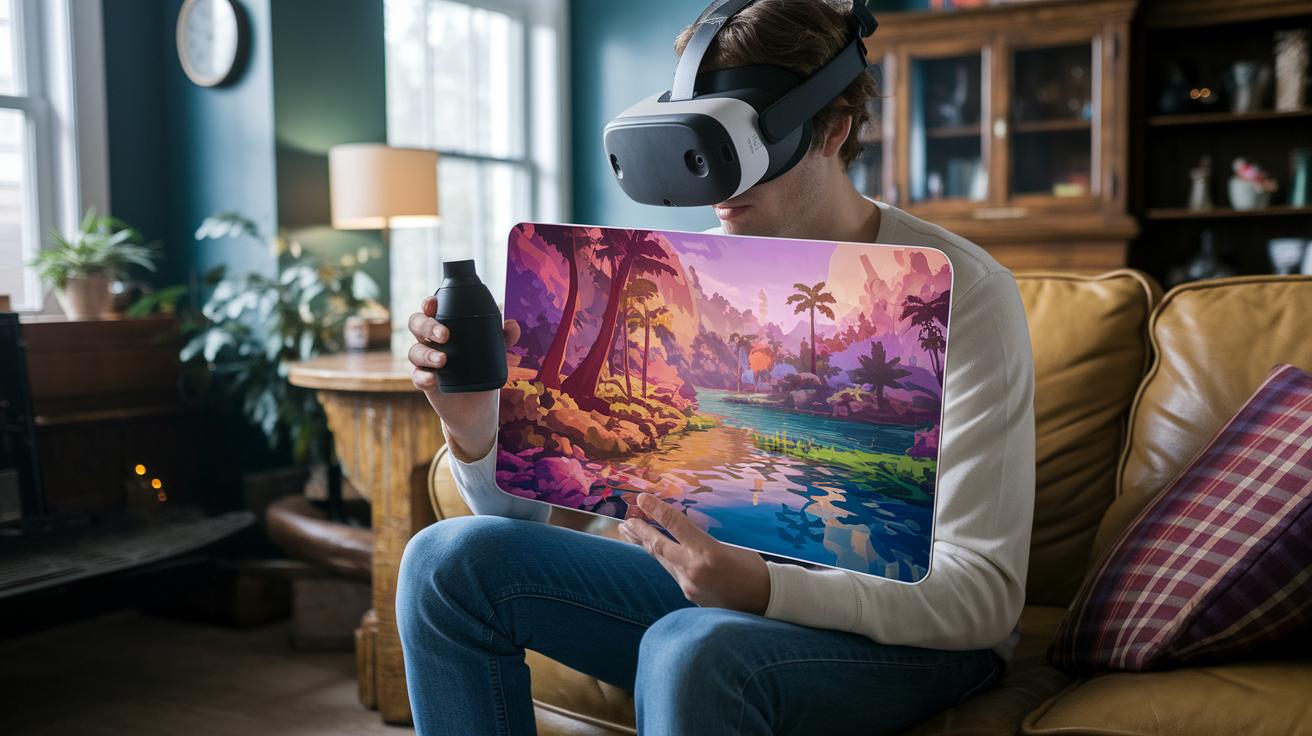
Cloud streaming has totally changed how we play games. Searches for cloud gaming have shot up by almost 975% in just five years. That means you can enjoy awesome, high-quality games without owning expensive gear. Platforms like Xbox Cloud Gaming and GeForce NOW let even modest systems join in on the fun by using remote servers. It shows how sharing computer power across networks makes gaming accessible for everyone. Check out Cloud Gaming on sololadder for a closer look.
Developers are also working hard to cut down on lag so your game feels smooth. They use smart techniques to reduce the delay between pressing a button and seeing it happen on-screen. With tricks like adaptive routing and strategic server spots, the gameplay feels natural and keeps the rush alive even in fast-paced battles.
These streaming upgrades are also changing how players join gaming communities and enjoy esports. With fewer hardware limits, more folks can jump into competitive play. Live platforms like Twitch and YouTube Gaming let you watch games with live commentary and join in the chat, making every stream feel like a shared experience. This trend is pushing subscriber numbers up and fueling the buzzing energy at esports events.
Immersive Environment: Virtual Immersion and Augmented Experience in Gaming Technology Trends Analysis
AR and VR are totally changing the game by giving us new ways to step into digital worlds. Think about apps like Pokémon GO, Jurassic World Alive, and Dragon Quest Walk, these mix cool digital stuff right into our everyday lives. And with VR, you’re not just playing; you’re dropped into a whole different realm. Cloud streaming is making it even easier to join in since you don’t need the most expensive gear to jump into these experiences.
Next-gen headsets are coming in hot with sharper visuals and even eye tracking, making everything look super lifelike. Plus, haptic devices let you feel the game’s action, adding a whole new level of realism. The best part? These gadgets are getting lighter and comfier, which means more gamers can enjoy the ride. For a deeper dive, check out Virtual Reality Gaming Systems.
Looking ahead, mixed-reality tech is gearing up to blend our real world with digital overlays in ways that feel natural and exciting. Soon, your room could become part of the game, reacting to both what’s physically there and the digital magic on screen. This kind of tech doesn’t just give you richer gameplay, it opens up new possibilities for developers too. Every play session might just feel like stepping into a whole new world.
Mobile Development and Cross-Platform Integration in Gaming Technology Trends Analysis

Mobile gaming is getting better every day with fresh designs and heart-pounding competitive play. Big hits like Call of Duty Mobile and Clash Royale push the whole scene forward, drawing in players with rapid action and slick interfaces. Esports on mobile aren't just a fad, they’re a real competitive field, with tournaments where top gamers show off their skills on the go. Gamers now enjoy smooth controls and smart strategies that stack up against console and PC experiences. It’s not just a casual pastime anymore, it’s a serious proving ground for competitive greatness.
Cross-platform play is breaking down device walls, letting gamers jump between PC, console, and mobile without missing a beat. Features like shared progress and linked accounts mean your achievements and in-game loot travel with you, no matter the device. This smooth setup makes it easier for friends and rivals to connect across different platforms, creating a tighter, more dynamic gaming community. In truth, this cross-play wave makes gaming more accessible and brings everyone together, so no matter where you game, you’re always in the action.
Future Forecast and Roadmap Mapping for Gaming Technology Trends Analysis
Gaming is booming with investments right now. More and more people are putting money into early access games after 2025, and support for VR, AR, cloud gaming, and indie game studios is growing fast. At the same time, NFTs and blockchain technology are shaking up marketplaces, similar to what we’ve seen with big franchise remakes and reboots.
Looking into the future, we can see five main trends shaping gaming tech. First up is cloud gaming. This technology streams games over the Internet, letting you play without needing high-end equipment. Then, AI is getting better and will soon make non-player characters much smarter and adapt gameplay in real time. AR and VR are also on the rise, merging digital visuals with the real world to create fun, interactive settings. Mobile gaming isn’t slowing down either; new tech helps handhelds show off high-quality graphics and even competitive play. Lastly, blockchain is set to make buying and trading digital items easier and more secure, giving gamers more control over what they own.
These trends point to a future where games are built faster, user experiences keep getting cooler, and the gaming market can adapt quickly to new tech and economic shifts. Both investors and developers are really excited about these changes, and they’re driving a big shift in how games are made and enjoyed.
Final Words
In the action, this post broke down market sizes, hardware breakthroughs, AI advancements, cloud streaming, immersive tech, mobile play, and future roadmaps.
It captured key stats and insights that show where gaming is headed.
Every section gave you a clear picture of how numbers drive changes and impact performance.
Keep sharpening your skills and refining your stream setup while tuning into gaming technology trends analysis.
FAQ
What do gaming technology trends analyses reveal from 2020 to 2022?
Gaming technology trends analyses from 2020 to 2022 reveal major shifts like improved hardware, smarter streaming setups, and AI innovations that boost gameplay immersion and viewer engagement.
How are gaming trends predicted to evolve by 2025?
Gaming trends for 2025 point to smarter hardware, enhanced AI-driven content, and expanded cloud gaming. These changes promise more interactive play and deeper community experiences.
What does the future of gaming technology look like?
The future of gaming technology looks promising with advances in immersive devices, AR/VR enhancements, and improved cross-platform play, fostering more connected and engaging environments.
What are the current gaming trends shaping the industry?
Current gaming trends show a rise in free-to-play models with in-game marketing, growth in mobile esports, digital distribution moves, and live streaming, all contributing to a dynamic market landscape.
How do YouTube gaming trends influence the gaming community?
YouTube gaming trends drive community engagement by highlighting diverse gameplay content and live streams, offering viewers new ideas while supporting a broader, interactive gaming culture.
How are social trends affecting the gaming industry?
Social trends in gaming influence the industry by promoting community-created content, boosting real-time interactions, and merging games with social networks, which expands both reach and player engagement.