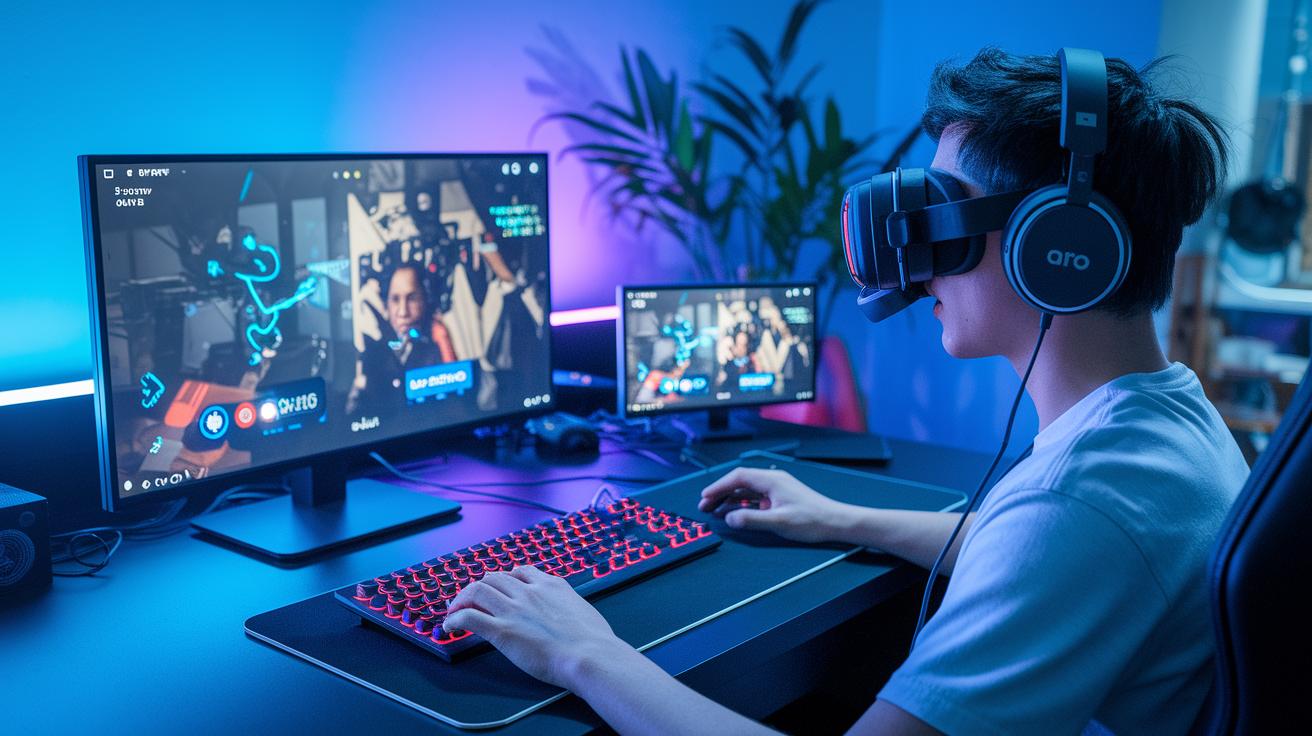
Ever wonder why watching game streams feels just as exciting as playing? In the past, streams often lagged and missed all the cool moments. But now, thanks to fast cloud servers and smarter ways to encode video, everything’s changed. You get nearly instant action with clear visuals that make every match jump off the screen.
It’s like you’re right there in the game without needing all that expensive gear. In this post, we'll break down how these tech upgrades keep streaming fresh, fun, and totally immersive.
Key Technical Innovations Driving Game Streaming Performance
Game streaming used to be a tiny experiment. Now it’s a digital force that powers entertainment everywhere. These days, remote servers do all the hard work by running game logic and drawing frames live. This means you don’t need expensive gaming rigs at home. Fast broadband and network upgrades fixed the early glitches that made watching streams tough. Back in 2010, delays made you miss key moments, but smart protocols now keep you right in the middle of the action. Platforms have exploded in popularity because of these cool changes.
- More powerful cloud gaming setups use top-notch GPUs to handle heavy processing.
- Ultra low latency protocols let you see game responses almost instantly, giving you that extra edge.
- Advanced video codecs shrink streams perfectly while keeping game graphics sharp.
- Edge computing brings servers closer to you so delays are kept to a minimum.
- Built-in social features let viewers chat and share the thrill in real time, with no slowdown.
All these technologies work together to create a smooth and exciting gaming experience. Servers take on the heavy tasks and smart transport systems cut down any lag, while video improvements keep the picture clear without needing lots of bandwidth. Edge computing makes sure the stream is fast, no matter where you are. In short, these innovations help games run better and make every play, every move, feel more alive.
Cloud Gaming Infrastructure and Edge Networks in Game Streaming Delivery

Today’s game streaming runs on solid cloud gaming tech that uses powerful servers with GPUs to handle game codes and render frames live. This means your computer isn’t carrying the heavy load, so you still get smooth visuals no matter your gear. Distributed cloud systems work with remote servers to tackle the game’s details quickly, while nearby edge networks cut delay by about 30 ms. That extra boost helps keep every move sharp when the action heats up.
New broadcast gear now hooks directly into cloud services, making it easier to send data right from the server to your screen. And by using several content networks at once, what we call multi-CDN frameworks, the stream can switch over if one network has trouble. This layered approach keeps the game live and steady even under heavy traffic. In short, mixing strong cloud gaming, local edge networks, and smart multi-CDN techniques makes live streaming slick and reliable.
Edge Computing Deployments
Local edge hubs bring the game content closer to you, slashing delays like a mini server right in your neighborhood.
Multi-CDN Distribution Strategies
By using several content networks at the same time, if one takes a break, another instantly steps in. This keeps your gameplay smooth even when lots of fans are tuning in.
Real-Time Video Encoding and Advanced Compression for Game Streaming
Cutting-edge tech has totally changed how we stream our games. Today’s codecs like HEVC (H.265) and AV1 shrink file sizes by up to 50% while keeping every game graphic razor-sharp. These smart compression tricks adapt to the fast pace of gameplay without wasting any bandwidth. And thanks to real-time frame sync, your audio and video stay perfectly in step, even if your network gets a bit jittery. Fun fact: before these upgrades, choppy streams during intense battles could really cost you the win.
GPU acceleration is another game-changing breakthrough. Tools like NVENC and AMD VCN can process 4K/60fps streams in under 50 milliseconds, ensuring super smooth visuals without overloading your system. Next-gen compression techniques tweak settings on the fly based on the scene, optimizing your bitrate like a pro. This mix of high-tech codecs and clever hardware cuts the data needed for top-notch streaming and minimizes lag, so you never miss a detail during your gameplay.
| Codec/Method | Key Benefit |
|---|---|
| HEVC | Up to 50% better compression |
| AV1 | Enhanced visual quality at lower bitrates |
| GPU-accelerated encoding | Processes 4K/60fps streams in under 50 ms |
Software Innovations in Game Streaming: AI, Adaptive Bitrate, and Playback Optimization

Game streaming today runs on clever AI systems that keep everything running smoothly. These smart tools check your network and tweak things like video quality and framerate on the fly. Even if your connection changes, you're set with high-quality playback. Plus, using a range of bitrate options means less buffering right when the game gets intense.
The system also learns from when and how you watch. It tracks peak times and even what devices you're using. This helps serve up content that suits the audience perfectly, so everyone gets the best experience possible. On top of that, modern protocols like QUIC and SRT cut down on data loss and jitter when internet traffic shifts.
All these upgrades work together to deliver a rock-solid live stream for fast-paced gaming. It’s like having a coach in the background making sure every transition is smooth. No surprises, just a steady stream of game action that keeps every fan on the edge of their seat.
Hardware Acceleration and Broadcast Equipment Breakthroughs for Game Streaming
Streaming your favorite games today is a totally different experience thanks to some cool, advanced hardware. Modern setups lean on special tools like FPGA and ASIC encoders that take heavy work off the CPU. They boost your stream with speeds that hit under 30 ms, making everything super quick. And with GPU help from NVENC and VCN blocks, you can even stream multiple channels at once, all the way up to 8K. Picture this: watching your game in ultra-clear 8K, with every move happening almost instantly. It's like the game comes alive right before your eyes!
But it's not just about speedy encoding. New broadcast gear now comes with smart tech that tracks frame drops, bitrate changes, and jitter in real time. These devices show live data on handy dashboards that alert you the moment something's off, so you can fix it on the fly. It’s like having an in-game assistant keeping your stream flawless. All these innovations come together to create a pro-grade streaming experience with super-low latency, keeping you and your viewers totally locked in on every move.
Emerging Trends and Future Directions in Game Streaming Technology
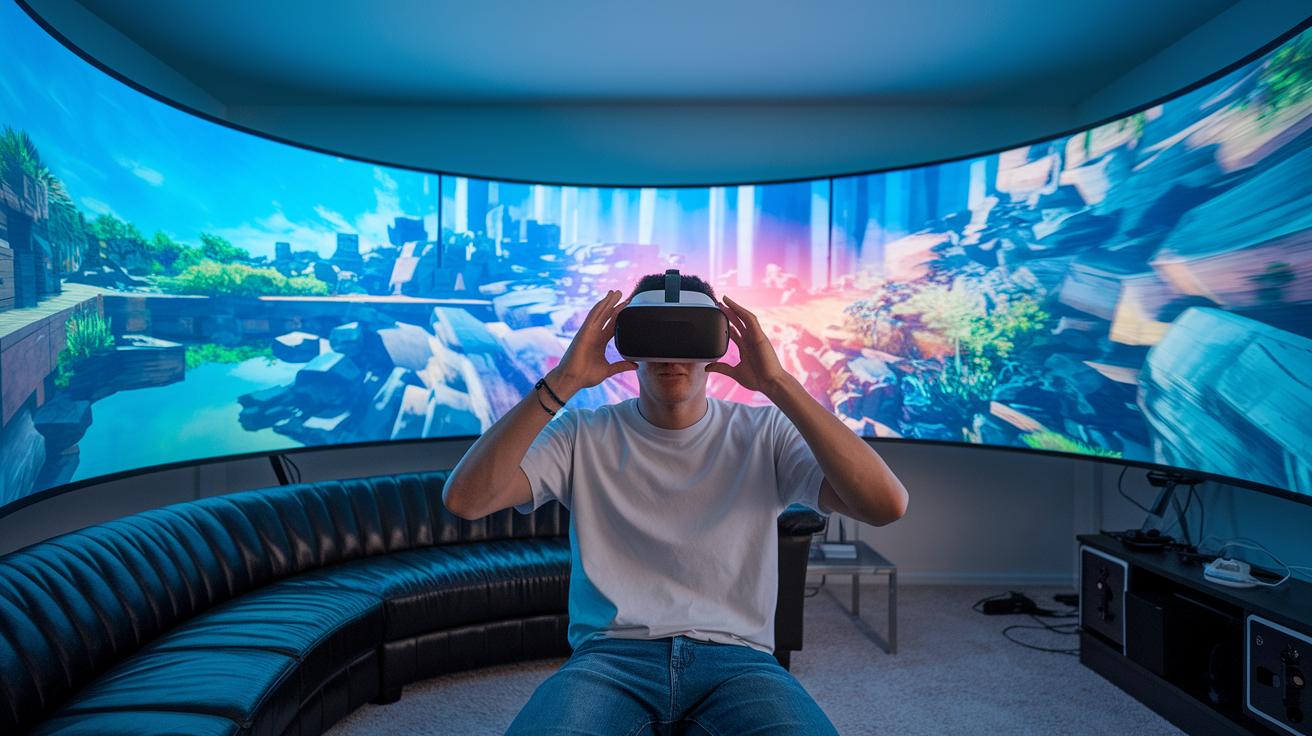
Game streaming is leveling up thanks to virtual reality. Imagine watching your favorite game in full 360° with stereoscopic visuals that pull you right into the match. As VR and AR get better, platforms are testing out ways to give viewers wild, new perspectives during the most intense moments.
At the same time, predictive load management is stepping up its game. By looking at past data, systems can figure out when to beef up resources so that the stream runs smoothly even during those crazy peak times. Server scalability is also getting a makeover using container-based and microservices architectures. This means that when more viewers jump in, scaling up is almost automatic, keeping everything responsive and lag-free.
On-demand content is another big hit. Now, you can dive into live video-on-demand segments that match the live event perfectly. No more waiting around, you get replay access instantly, keeping the excitement alive. Real-time analytics are constantly checking the stream's performance, tweaking settings on the fly so visuals stay crisp and lag stays low.
All these tech improvements are setting up an exciting future where immersive gaming and smart scaling work hand-in-hand. The result? Streams that not only showcase epic gameplay but also deliver top-notch quality and security, no matter how many fans tune in.
Final Words
in the action, we’ve seen game streaming evolve with robust cloud gaming, refined protocols, advanced codecs, and smarter adaptive bitrate tools. These insights highlight how modern encoding, distributed edge networks, and hardware acceleration converge to elevate the streaming experience.
The blend of creative strategy and technical innovations in game streaming shows how every breakthrough can boost both performance and confidence. It’s an exciting time to level up your play and streaming techniques. Enjoy every moment as you push your limits!
FAQ
What technical innovations in game streaming have shaped platforms like Twitch?
The technical innovations in game streaming have shaped platforms like Twitch by using cloud servers, ultra low latency protocols, advanced video codecs, and edge computing. These advances lower lag and deliver smooth, high-quality streams.
What advantages does modern gaming technology offer?
The advantages of modern gaming technology include enhanced performance, lower latency, and vivid graphics. By using real-time encoding, adaptive bitrate streaming, and hardware accelerators, gamers enjoy a more responsive and immersive experience.
What is driving innovation in the game industry?
The driving innovation in the game industry comes from remote server advancements, AI enhancements, and adaptive streaming methods. These breakthroughs enable real-time gameplay and rich, immersive experiences without the need for top-end local hardware.
How has technology improved the gaming experience?
The improvements in gaming through technology are seen in faster streaming speeds, reduced buffering, and high-quality visuals. Cloud gaming and advanced compression techniques make gameplay smoother and more engaging for all players.
What new technology is being used in game development?
The new technology in game development includes AI-driven tools, next-generation codecs, and real-time analytics that streamline design and optimize performance. These methods help developers create more interactive and visually impressive games.
What might be the next breakthrough in gaming?
The next breakthrough in gaming is expected to focus on immersive VR/AR support, predictive load management, and scalable cloud solutions. These trends aim to further enhance interactive experiences and meet growing player demands.