Putting furniture into storage feels straightforward — wrap it up, stack it in, lock the door. But months later, you open that unit to find warped wood, musty fabric, or rust creeping across metal frames. The good news? A little preparation goes a long way. Here’s how to keep your pieces in great shape, no matter how long they sit.
Clean Everything Before It Goes In
This step gets skipped more than it should. Dirt, dust, and moisture left on furniture surfaces can cause real damage over time. Wipe down hard surfaces, vacuum upholstered pieces thoroughly, and let everything dry completely before wrapping or moving anything into storage rentals.
Even a small amount of trapped moisture can lead to mildew, especially on fabric or wood. Don’t rush this step.
Disassemble What You Can
Bulky furniture takes up more space, but that’s not the only reason to break things down. Disassembling tables, bed frames, and shelving units reduces the risk of stress fractures and warping caused by awkward weight distribution. Keep all screws, bolts, and hardware in labeled zip-lock bags, and tape them securely to the corresponding piece so nothing gets lost.
Use the Right Wrapping Materials
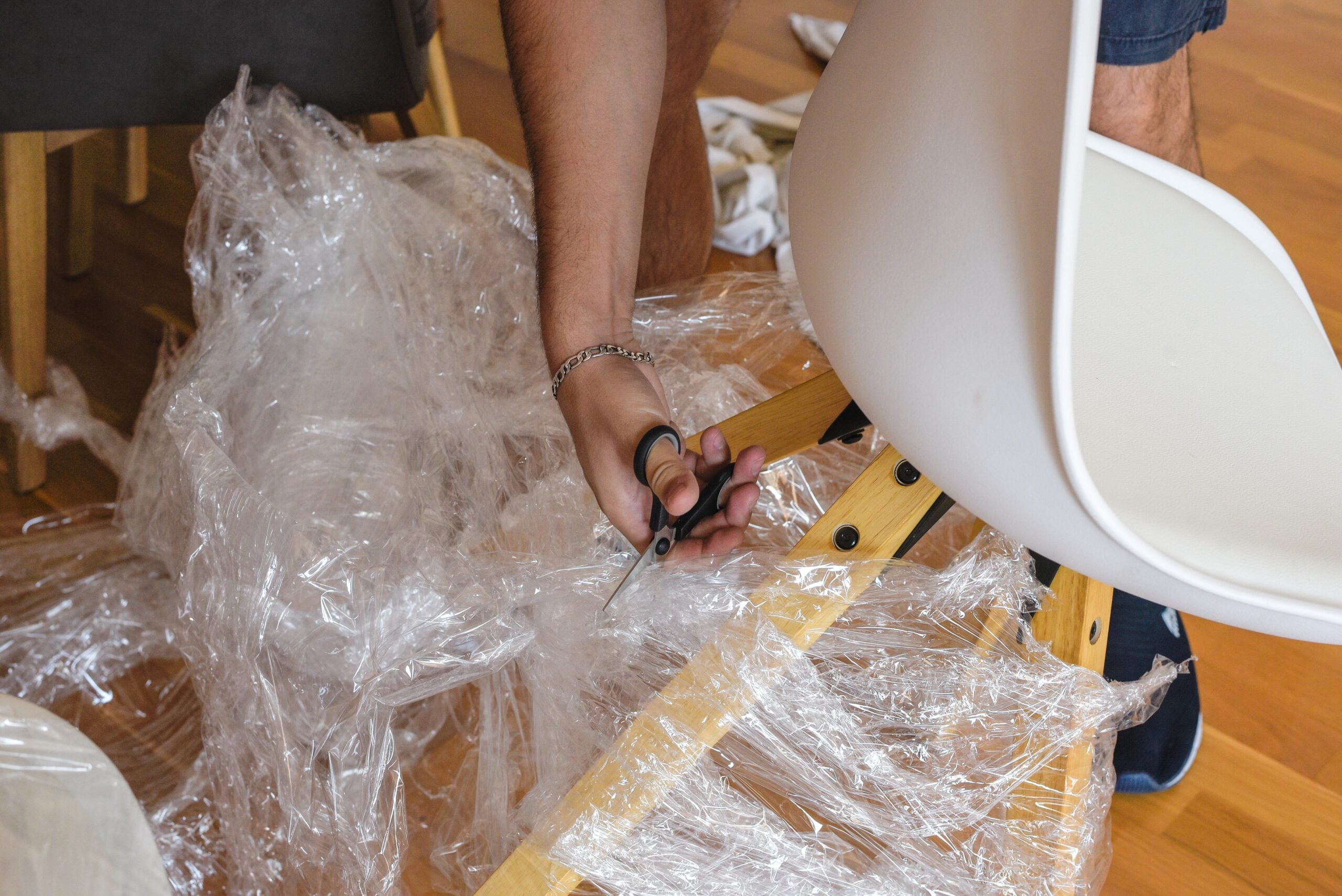
Not all wrapping is created equal. Plastic wrap might seem like the obvious choice, but it traps moisture against surfaces — a recipe for mold and mildew on wood and upholstery.
Instead, use:
- Furniture blankets or moving pads for general protection against scratches and dents
- Breathable cotton covers for upholstered items like sofas and chairs
- Bubble wrap for glass surfaces, mirrors, and fragile decorative elements
- Cardboard corner protectors for table edges and sharp corners
Avoid wrapping anything in plastic directly against the surface unless it’s already sealed or lacquered.
Elevate Everything Off the Floor
Concrete floors in storage units can hold moisture, and that moisture transfers. Place wooden pallets, furniture risers, or even thick plastic sheeting underneath your pieces to create a barrier. This is especially important for wooden furniture and anything with metal components that could rust over time.
Think About How You Stack and Arrange
Heavy items go on the bottom — that part’s obvious. But the arrangement matters beyond just weight distribution. Leave a small gap between furniture pieces and the walls of your storage unit. This allows air to circulate and prevents condensation from building up against your belongings.
Avoid stacking heavy objects on top of upholstered furniture. Over months, that pressure compresses the cushioning in ways that don’t fully recover.
Choose Climate-Controlled Storage Rentals
If you’re storing wood, leather, antiques, or anything with sentimental or monetary value, climate-controlled storage rentals are worth the investment. Extreme heat causes wood to crack and glue joints to fail. Humidity warps surfaces and encourages mold. A stable environment removes both risks entirely.
Standard units work fine for metal patio furniture or plastic pieces, but for anything sensitive, the upgrade makes sense.
Do a Mid-Storage Check-In
If your belongings will be in storage for several months, plan a visit halfway through. Open boxes, check for any signs of moisture, and make sure nothing has shifted in a way that puts pressure on fragile items. Catching a small problem early prevents a big one later.
A Little Prep Pays Off
Furniture that goes into storage properly wrapped, elevated, and stored in the right conditions comes out looking exactly as it went in. The effort you put in before closing that storage unit door is the effort that saves you from costly replacements or repairs later.