Your windows do more than frame a view. They insulate your home, reduce noise, and protect against moisture. But when the seals start to fail, those benefits quietly disappear — and your energy bills quietly climb.
Knowing how to spot a failing window seal early can save you a significant amount of money and hassle. Here’s what you need to know.
What Is a Window Seal, Exactly?
Most modern windows are double- or triple-pane units. Between those panes sits a layer of inert gas — typically argon or krypton — that acts as insulation. The seal is what keeps that gas locked in and outside air locked out.
When that seal breaks down, the insulating gas escapes. Outdoor air, humidity, and temperature fluctuations move in to take its place. The window’s insulating power drops, and the problems begin.
Signs Your Window Seals Are Failing
Foggy or cloudy glass that won’t wipe clean. This is the most obvious sign. When moisture gets between the panes, it condenses on the interior glass surfaces. No amount of window washing will fix it — the fog is on the inside where you can’t reach it.
Visible distortion or a wavy appearance. Failed seals can cause the glass panes to bow slightly inward or outward. If your windows look warped or the view through them seems distorted, the seal may be to blame.
Drafts near the window frame. Run your hand slowly along the edge of a closed window on a cold or windy day. If you feel air movement, the seal or weatherstripping has likely deteriorated.
Condensation on the frame or sill. Moisture collecting on the interior sill or frame — especially during winter — suggests that cold air is finding a way through.
Noticeably higher energy bills. If your heating or cooling costs have increased without an obvious explanation, failing window seals are worth investigating. Compromised insulation means your HVAC system works harder to maintain a comfortable temperature.
Why Window Washing Matters Here
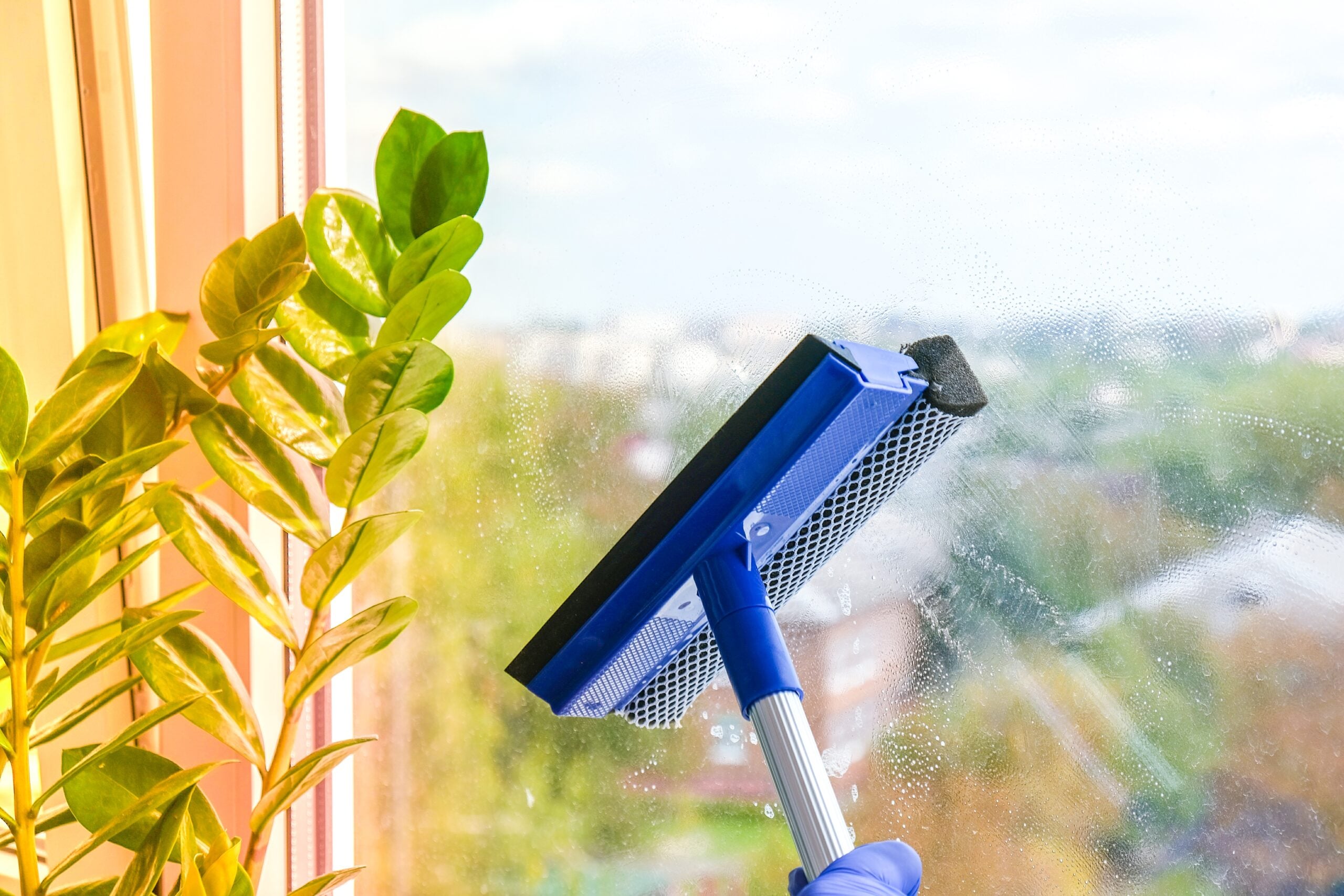
Regular window washing plays a surprisingly useful role in seal maintenance. Clean windows allow you to spot early warning signs — like fogging between panes or hairline cracks near the frame — that dirty glass can easily hide.
When windows are coated in grime, mineral deposits, or hard water stains, you lose visibility into what’s actually going on with the glass. A thorough cleaning gives you a clear baseline. If fog appears after cleaning and still can’t be wiped away, that’s a strong indicator of seal failure, not just surface dirt.
Professional window washing also gives trained eyes a closer look at your frames, seals, and edges. What looks like simple discoloration might actually be early moisture intrusion or seal degradation worth addressing sooner rather than later.
What to Do If You Suspect Seal Failure
Don’t ignore it. A single failed window might seem minor, but moisture intrusion can lead to mold growth in the frame, reduced indoor air quality, and structural issues over time.
Your options typically include:
- Defogging services — A professional drills a small hole, clears the moisture, and reseals the pane. It’s a cost-effective fix for cosmetic fogging.
- Seal repair — If the frame or edge seal is the issue, a window specialist can often repair it without full replacement.
- Full window replacement — For older windows or significant damage, replacement is sometimes the most practical long-term solution.
Stay Ahead of the Problem
Window seal failure doesn’t happen overnight. It’s a gradual process, and catching it early gives you the most options. Make it a habit to inspect your windows seasonally and keep them clean enough to see any changes clearly.
A small amount of attention now can prevent a much larger repair bill later.