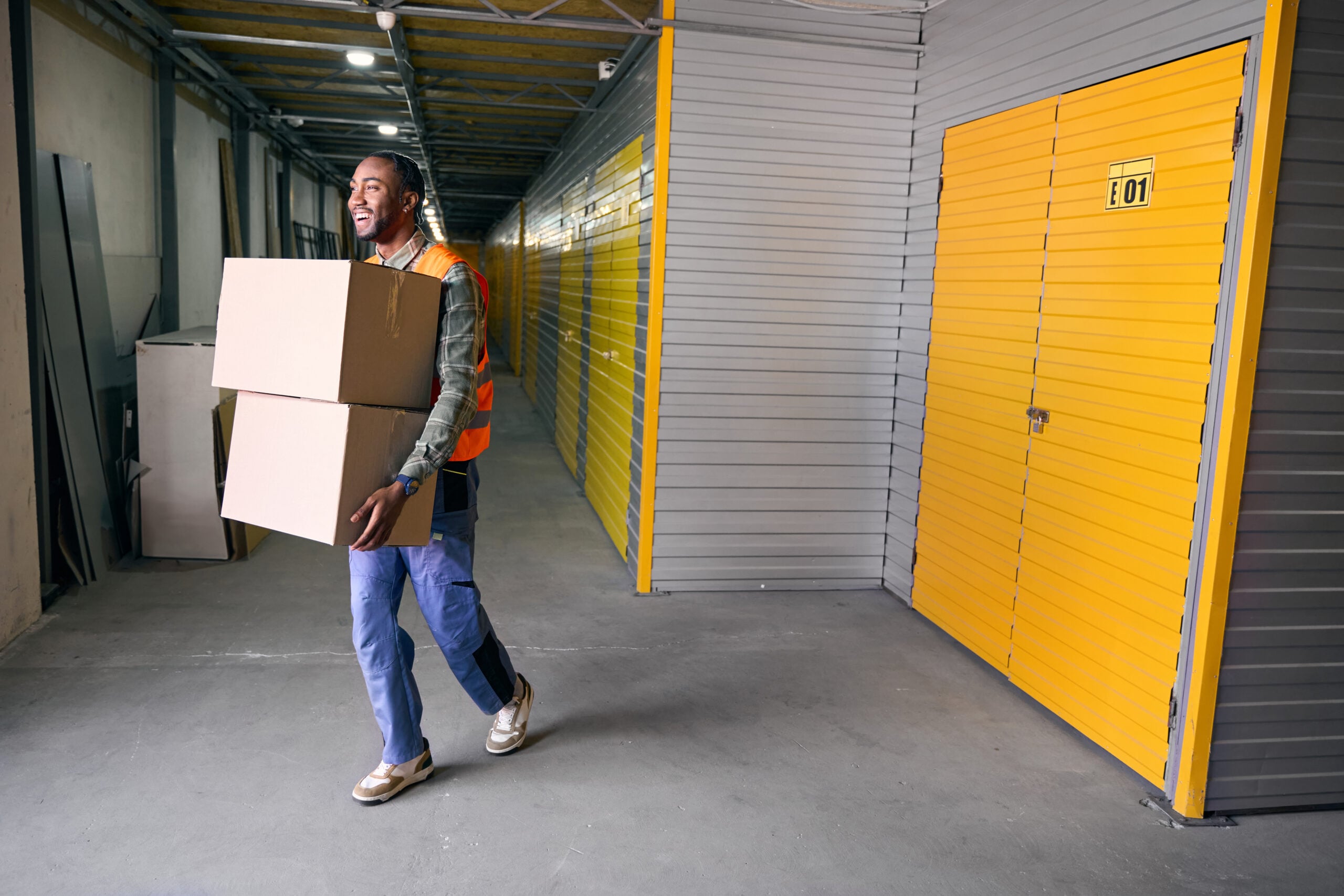
One of the first questions people ask when renting a storage unit is simple: When can I actually get in? It’s a fair question. Whether you’re storing business inventory, seasonal gear, or personal belongings, knowing when you can access your stuff matters.
The short answer? It depends on the facility. Access hours vary widely, and understanding the difference between your options can save you a lot of frustration.
Standard Access Hours vs. 24/7 Access
Most storage facilities fall into one of two categories: those with set access hours and those offering round-the-clock access.
Standard access hours typically run from early morning to late evening — think 6 a.m. to 10 p.m. You can visit during that window any day of the week, but outside those hours, you’re locked out. For most renters, this works just fine.
24/7 access facilities let you come and go whenever you need — middle of the night, early Sunday morning, major holidays. If your schedule is unpredictable or you run a business that requires frequent, time-sensitive access to your rented storage unit, this kind of flexibility can be a game-changer.
Why Access Hours Exist
It might feel restrictive, but there are real reasons facilities set access windows. Security is the biggest one. Limiting access hours means fewer opportunities for unauthorized entry or suspicious activity on the property. Staff can monitor the facility more effectively, and security systems work more reliably when traffic is predictable.
Insurance requirements and local ordinances also play a role. Some properties are simply not zoned or equipped for 24/7 operation.
What to Ask Before You Rent
Before signing anything, get clarity on a few things:
- What are the exact access hours? Make sure they align with your schedule.
- Do hours change on weekends or holidays? Some facilities cut back hours during off-peak times.
- Is 24/7 access available, and does it cost extra? Extended access is sometimes a premium feature.
- What happens if I need to access my unit outside of normal hours? Some facilities have an emergency contact or a manager on call.
These aren’t minor details — they directly affect how useful your rented storage unit actually is.
Climate-Controlled and Indoor Units
It’s worth noting that indoor or climate-controlled units sometimes come with different access rules than outdoor drive-up units. Indoor facilities may close the main building at a certain hour even if the outdoor lot stays accessible. Always confirm whether your specific unit type has any additional restrictions.
Gated Access and Security Features
Most modern facilities use electronic gate codes, key fobs, or app-based entry systems. These tools not only improve security but also create an access log — so the facility knows exactly when you entered and exited. For renters, this adds a layer of accountability and peace of mind.
Some facilities also use individual unit alarms, security cameras, and on-site managers to further protect your belongings.
The Bottom Line
Accessing your rented storage unit isn’t always as simple as showing up whenever you want. Access hours, security protocols, and unit types all shape what’s possible. The good news is that facilities today offer a wide range of options — from restricted hours to true 24/7 access — so you can find one that fits your lifestyle.
Before you commit, do your homework. Ask the right questions, read the rental agreement carefully, and choose a facility whose access policy works for you — not the other way around.