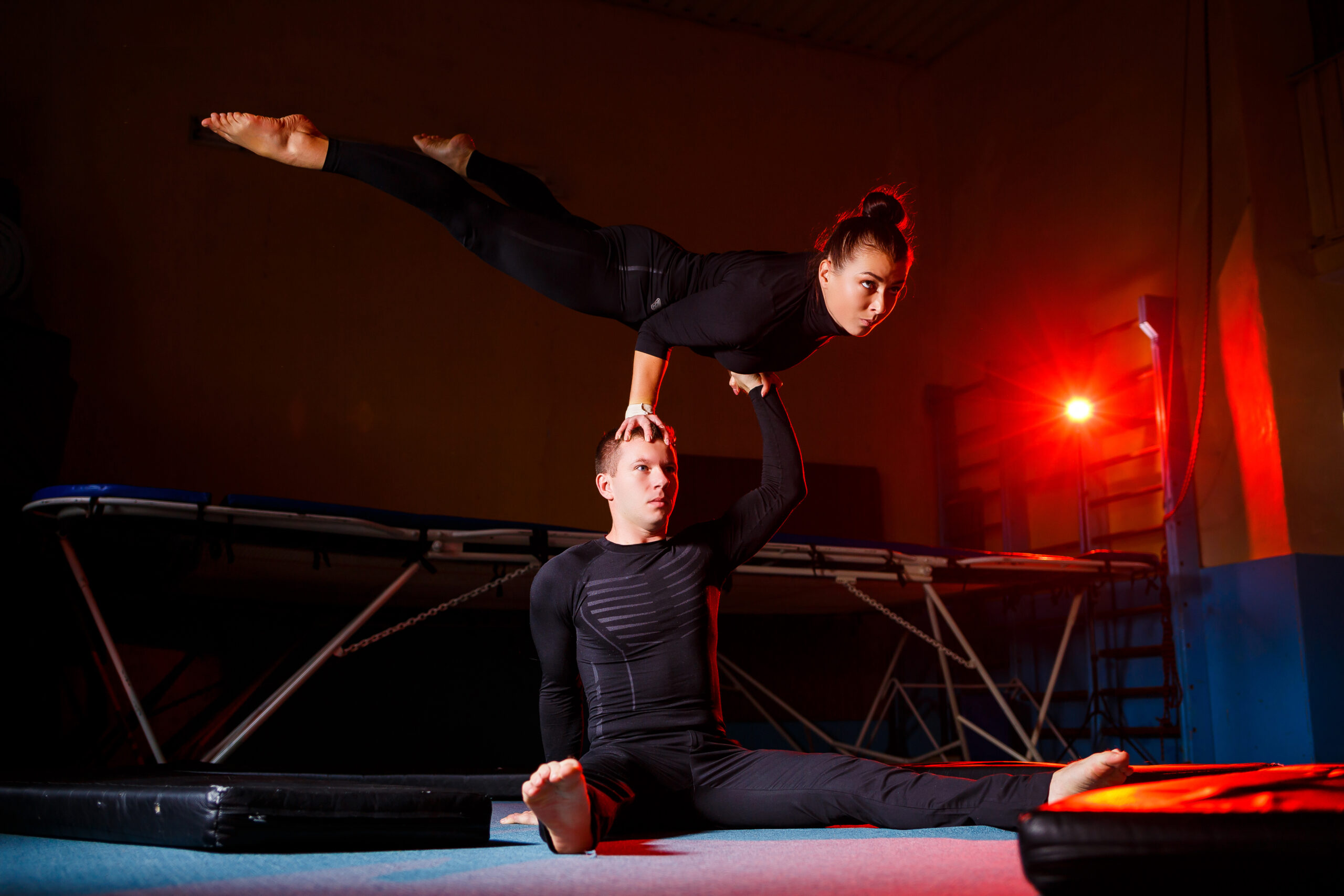
Stunt competitions push athletes to execute powerful tumbling passes, tosses, and pyramids with precision and confidence. None of that is possible without the right surface beneath them. Mats do more than cushion falls; they influence performance, safety, and even how judges perceive the cleanliness of a routine. Choosing the wrong mat can undermine hours of practice, while the right one gives athletes the stability they need to compete at their best.
If you’re responsible for outfitting a gym, sourcing equipment for an event, or simply trying to understand what goes into a quality stunt mat, here are five factors worth considering.
1. Impact Absorption and Density
Stunt routines involve high-impact landings from tosses, twists, and dismounts. A mat that’s too firm won’t absorb enough shock, increasing the risk of joint stress and injury. On the other hand, a mat that’s too soft can throw off an athlete’s balance and slow their reaction time during a routine.
The best stunt mats strike a balance between cushioning and firmness. Look for mats built with multiple foam layers or varying densities, since this combination tends to absorb impact effectively while still offering a stable base for takeoffs and landings. Density should match the level of activity: mats used for basing and catching often need firmer support, while landing zones benefit from softer, shock-absorbing layers.
2. Surface Traction and Grip
A mat’s surface plays a bigger role in performance than many people realize. Athletes need to plant their feet, pivot, and push off without slipping, especially during fast-paced transitions between stunts. A slick or worn-down surface can cause hesitation, which disrupts timing and increases the likelihood of a fall.
When evaluating mats, pay attention to the texture of the covering material. Vinyl surfaces with a slightly textured finish tend to offer reliable grip without being abrasive on skin. It’s also worth considering how the surface holds up over time, since repeated use can wear down traction and make a once-reliable mat unpredictable.
3. Size and Layout Flexibility
Stunt competitions don’t follow a one-size-fits-all format. Some routines require a compact space for a single stunt group, while others need a full floor layout to accommodate multiple groups performing simultaneously. Mats that can be configured in different shapes and sizes give coaches and event organizers more flexibility when designing practice spaces or competition floors.
Interlocking or modular mats are particularly useful here. They allow you to expand or reduce the mat area based on need, and they can be rearranged for different drills, routines, or venue dimensions. This adaptability is especially valuable for gyms that host multiple programs or age groups with varying spatial requirements.
4. Durability and Long-Term Value
Stunt mats endure constant pounding from repeated tosses, drops, and pyramid builds. Over time, low-quality materials can compress, tear, or develop weak spots that compromise safety. Investing in a durable mat upfront often saves money and reduces safety risks down the line, compared to repeatedly replacing cheaper alternatives.
When assessing durability, consider the quality of the foam core and the strength of the outer covering. Reinforced seams and tear-resistant vinyl tend to hold up better against the friction and pressure of regular stunt practice. It’s also worth asking how the mat performs after months of heavy use, since durability claims mean little without real-world consistency.
5. Compliance with Safety Standards
Competitive stunt programs are often held to specific safety guidelines, whether set by governing bodies, insurance requirements, or venue policies. Mats that meet recognized safety standards provide an added layer of assurance that they’ve been tested for adequate shock absorption and structural integrity.
Before purchasing, check whether the mat has been evaluated against relevant safety benchmarks for cheer and stunt applications. This is particularly important for gyms and organizations that need to demonstrate compliance for liability or certification purposes. Choosing mats with documented safety credentials protects athletes and gives coaches peace of mind during high-stakes routines.
Final Thoughts
Selecting the right stunt mat isn’t just about picking a surface to land on. It’s about supporting athletes through every phase of their routine, from the initial toss to the final landing. By weighing factors like impact absorption, traction, flexibility, durability, and safety compliance, gyms and organizers can create a safer, more consistent environment for stunt athletes to perform their best. A thoughtful investment in quality mats pays off in fewer injuries, more confident athletes, and routines that can be executed with precision, competition after competition.