
Ever thought about taking your gaming on the go? Handheld players pack a serious punch. They’re small but deliver awesome graphics and smooth gameplay right in your hands.
Picture yourself on a bus or hanging out at the park, your favorite game coming to life on a portable screen with crisp visuals. It’s a great way to enjoy your games, whether you’re a casual player or chasing that high score.
These handheld devices turn every moment into a mini gaming session. It’s like having a console in your pocket, ready to light up anytime you want to play.
Overview of Handheld Gaming Systems: Top Models, Specs, and Prices
Gaming on the go means you have console-like fun right in your hands. It’s like carrying your favorite game world with you whether you're riding the bus or hanging out at the park. These cool gadgets pack bright screens and solid performance into one neat package, making playtime super enjoyable.
Not every handheld is built the same. Some show off amazing visuals and crisp sounds, while others are all about retro vibes or keeping costs low. Whether you’re after high-end graphics, tight controls, or just something durable for everyday gaming, there’s a device out there for you.
| Device | Price | Display | Battery Life | Key Platform |
|---|---|---|---|---|
| Nintendo Switch OLED | $350 | 7-inch OLED | Varies | Nintendo |
| Nintendo Switch Lite | $200 | Integrated controls, durable design | Varies | Nintendo |
| Steam Deck OLED | $550 | 7.4″ HDR OLED | 50 Whr battery | PC (Steam) |
| Super Pocket | ~$20 | Compact, retro | Basic | Emulation |
| PlayStation Portal | $300 | Ergonomic touch display | Depends on Wi-Fi | PS5 Remote-Play |
Each system is built for a unique kind of gamer. The Switch OLED lights up with a vibrant screen perfect for losing yourself in the action, while the Switch Lite is a tough, kid-friendly companion for casual play. The Steam Deck OLED packs a punch by letting you dive into a huge PC game lineup, all while fitting in your bag. If you crave a touch of nostalgia, the Super Pocket offers classic, budget-friendly fun. And for PS5 owners who want a bit more flexibility, the PlayStation Portal extends your console experience outside the living room. Whatever your gaming style, there’s a handheld waiting to level up your play wherever you are.
Performance Benchmarks and Battery Life in Handheld Gaming Systems
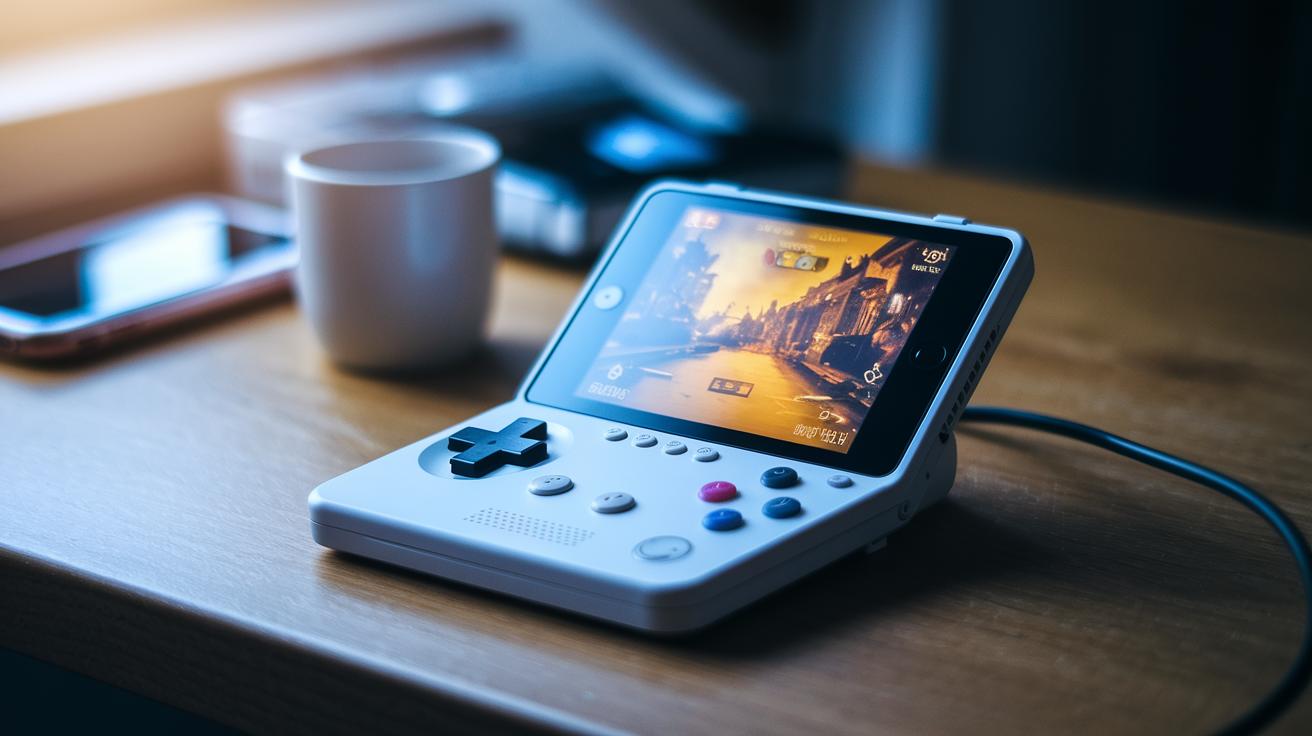
We ran games like Spider-Man 2, Helldivers 2, and The Legend of Zelda: Tears of the Kingdom to see how these handhelds perform in real life. These games helped us gather real numbers on graphics handling and smooth play. We checked things like frame rates and system response while the games were running full throttle.
When we compared the devices, the MSI Claw 8 AI+ really popped with its Intel Core Ultra 7-258V and 32 GB of RAM, getting 10-15 percent more FPS than others. On the flip side, the ASUS ROG Ally, which boasts a 7-inch 120 Hz IPS display and AMD Zen 4 APU, gives you crisp visuals but doesn’t last as long on battery. The differences aren’t just about raw power, they show up in every exciting, action-packed moment.
Battery life and warmth under pressure were all over the place. The Retroid Pocket 5, sporting a Snapdragon 865 and a 5,000 mAh battery, plays strong for about six hours. The Lenovo Legion Go keeps up for around four hours, which is solid too. Meanwhile, the ASUS ROG Ally tends to struggle over 2-3 hours of heavy use, and you can feel it heating up, which might affect those longer sessions.
Game Library Compatibility and Emulation on Handheld Gaming Systems
Official storefronts pack in a neat lineup of games that get regular updates and solid developer support, making them a go-to for everyday play. But if you’re in the mood for a blast from the past, emulators let you jump into classic titles that aren’t found on today’s digital shelves. It’s like reliving those retro moments where every pixel and sound brings back that authentic arcade feel.
- Analogue Pocket – Comes with a 3.5" LCD that can hit resolutions up to 1,600 × 1,440 with variable refresh rates, making it ideal for Game Boy, Game Boy Color, and Game Boy Advance fun.
- AYN Odin 2 – Features a 6" IPS display at 1080p 60 Hz, backed by a Snapdragon 8 Gen 2, and supports a wide Android game library along with many emulated systems.
- Retroid Pocket 4 Pro – A budget-friendly option under $200 that runs games on a Snapdragon 865 chipset, perfect for enjoying your favorite retro consoles.
- Retroid Pocket 4 – Offers similar performance to the Pro, though it experiences a slightly different software update rhythm.
- Playdate – Rolls out a unique 2.7" monochrome screen paired with a quirky physical crank, preloaded with about 24 indie titles and boasting a built-in store for extra goodies.
When it comes to using these emulators, it’s key to mind the legal side and homebrew scene. Homebrew communities create cool tools so you can run both timeless classics and fresh titles, but it’s important to stay on top of local copyright rules. Keeping informed lets you have a full and exciting game library while playing by the rules.
Price and Value Comparison for Handheld Gaming Systems
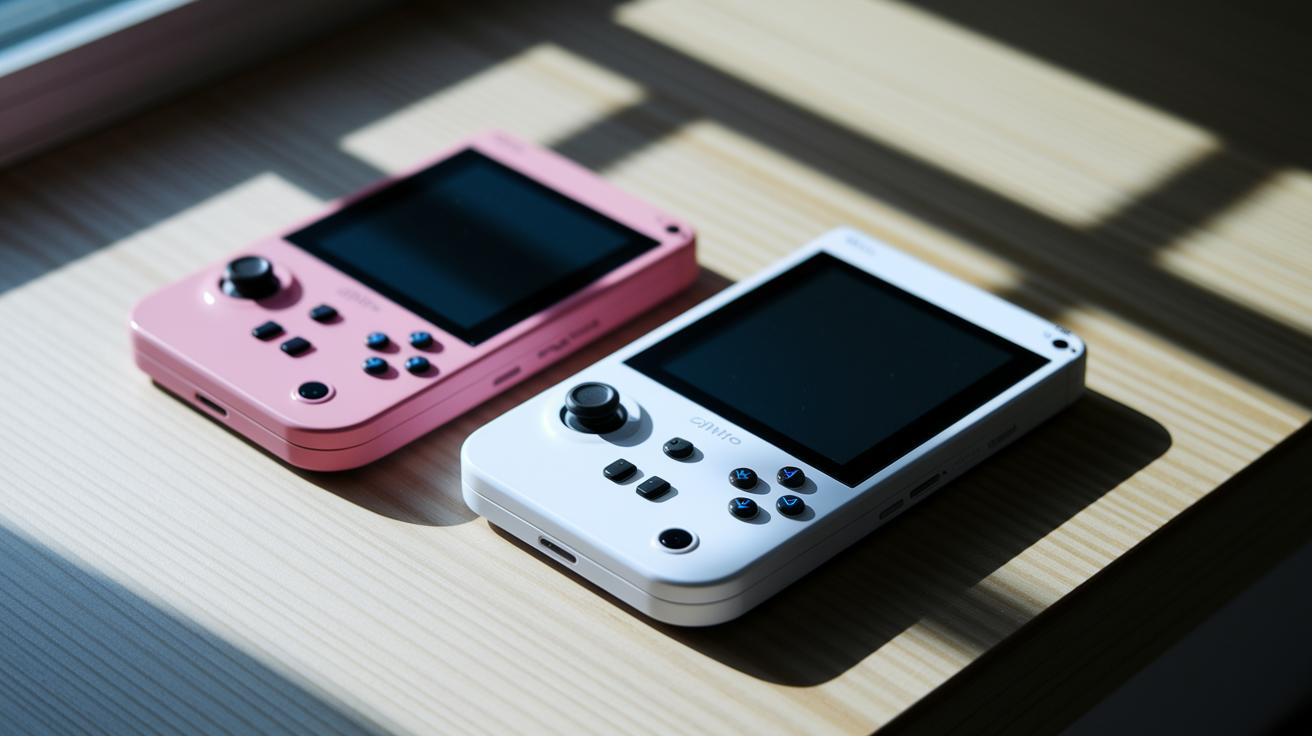
Handheld gaming systems come in a wide range of prices. You can grab a basic retro device for about $20 or invest over $1,000 in a top-tier model. This means there's something for every budget and every style of play. Imagine picking up a little emulator for just $20 and taking a fun trip down memory lane.
Budget options are great if you're all about enjoying classic games on the go. The Super Pocket, at around $20, gives you simple retro gaming without hurting your wallet. The Miyoo Mini Plus costs between $60 and $80 and features a 3.5-inch screen along with a battery that lasts long enough for your favorite old-school titles like PS1 classics. If you want a bit more power, the Retroid Pocket 4 is about $150 and comes equipped with a Snapdragon 865 and 8 GB of RAM for smoother play. Then there's the Logitech G Cloud, priced between $260 and $300. It sports a 7-inch 1080p display and can go for 10 to 12 hours on a single charge, although its software support is a bit limited.
For those ready to spend more for top-notch performance, premium systems deliver advanced features and strong capabilities. The Steam Deck OLED falls in the $550 to $650 range and brings you PC-level gaming on the move. And if you're set on a high-end experience, the ASUS ROG Ally X is built for big budgets, while the AYANEO Kun, which costs over $1,000, offers an 8.4-inch screen with up to 64 GB of RAM powered by a 75 Wh battery.
Ergonomics and Portability in Handheld Gaming Systems
Handheld gaming devices come in all shapes and sizes, each built to fit different play styles. Take the Playdate, for instance. It's super light at just 0.18 lb and sports a small 2.7-inch monochrome display that easily slips into your pocket. Then there's the Nintendo Switch Lite. Its sturdy build and integrated controls mean you won't be left scrambling for loose parts during an intense session.
The Ayaneo Flip DS shakes things up with a cool clamshell design. Its main 7-inch display works alongside a smaller secondary screen, adding flexibility without making the device too bulky. And if you love streaming, the PlayStation Portal offers comfy ergonomic grips for Wi-Fi-only games. Plus, the Steam Deck's larger chassis and well-balanced weight lets you dive into play for up to 5 or 6 hours without fatigue.
These systems are designed with life on the move in mind. Their compact forms slide right into your backpack or even a big jacket pocket, so whether you're on a long commute, grabbing a coffee, or just taking a quick break, your game is always ready to roll.
Buying Guide for Handheld Gaming Systems
Picking the right handheld system really comes down to what you love to play. Are you a fan of modern AAA games, those timeless retro classics, or do you just want something chill for casual fun? Think about the titles that have already won your heart or the new ones you’re excited to try. Maybe you need a beast for PC-like performance, or perhaps a lightweight option that runs emulators or simple games is more your style. Since standardized tests can't capture every little detail across PC, console, and Android handhelds, knowing exactly how you'll use it is super important. Your everyday gaming needs should steer your choice, whether you’re chasing high performance or need something portable for on-the-go play.
- Figure out your favorite types of games
- Decide if raw power or battery life matters more
- Set your budget limits
- Consider how easy it is to carry and the design
- Look into the software and game ecosystem
Once you’ve got those basics sorted, take a step back and consider the whole picture. A solid warranty and good customer support can really boost your overall experience. When a device comes with a strong warranty, it shows the maker truly stands behind its build and performance. This matters a lot during those intense gaming sessions when a sudden glitch can really throw you off. Don’t forget to check out customer reviews on support and see what kind of help you can expect from the manufacturer. Knowing about the support options, like how often it’s updated or if there are extended warranty plans, can really ease any worries down the line. In the end, the perfect handheld isn’t just about having a slick screen or top-notch specs, it’s all about finding the right match for your game library, battery life, budget, and lifestyle, all backed by reliable customer care.
User Reviews of Handheld Gaming Systems
Battery life and heat are hot topics in gamer reviews. A lot of folks are happy with the Steam Deck, which clocks in around 5 hours of gameplay even under heavy load. Its Linux-friendly setup is a real hit in the community. On the other hand, the ASUS ROG Ally, often called “hot-rod,” tends to only last 2 to 3 hours and can get pretty warm when you're pushing it hard.
Comfort and build quality get a mixed reception too. The Lenovo Legion Go offers roughly 4 hours of play, and opinions here are split; some gamers say the controller feels just right, while others notice a few small issues. Meanwhile, the Anbernic RG35XX shows off a more budget build and sometimes stumbles with software glitches that disrupt the overall feel of the device.
Software stability and strong community support also shine through in reviews. The Logitech G Cloud impresses by easily hitting 10 to 12 hours on a single charge, making it a favorite for streaming sessions. Sure, a few users wish it had more native apps, but the active community forums share plenty of neat tips and fixes that help improve the software experience for all.
Final Words
In the action, we explored leading handheld gaming systems, from detailed specs and solid performance benchmarks to practical price comparisons and user reviews. We broke down what each device offers, covering game library support, battery lifespans, and ergonomic designs. By weighing factors like build quality and portability, the guide helps you find the right fit for boosting in-game and streaming performance. With these insights, you’re ready to step up your game and enjoy a smooth, competitive experience with handheld gaming systems. Keep playing strong!
FAQ
Which handheld gaming systems are popular on Reddit?
Discussions on Reddit favor portable devices like the Nintendo Switch, Steam Deck and others, with gamers comparing performance, design and game libraries in a lively, community-driven way.
What are the best handheld gaming systems?
The best handheld gaming systems combine portability, strong visuals and a rich game library, with favorites like the Nintendo Switch OLED and Steam Deck offering a balance of performance and convenience for many players.
What does a handheld gaming console list typically include?
A handheld gaming console list features options like the Nintendo Switch, Switch Lite, Steam Deck and PlayStation Portal, covering a range from retro emulation to advanced PC-level gaming experiences.
What characterizes a handheld game console with built-in games?
A handheld game console with built-in games provides instant entertainment, as seen in devices like the Playdate, which come preloaded with a set of indie titles for quick, ready-to-play action.
What is considered the best handheld console of all time?
Many gamers praise the Nintendo DS as the best handheld console of all time due to its massive game library, innovative design and enduring impact on portable gaming culture.
How does a handheld gaming PC compare to traditional consoles?
A handheld gaming PC, like the Steam Deck, delivers PC-level performance in a portable form, allowing users to enjoy console-quality games on the go with a mix of power and compact design.
What defines a top retro handheld game console?
Top retro handheld game consoles, such as the Super Pocket, blend affordability with nostalgic design, offering built-in games that capture the classic feel of early portable gaming.
What is the best handheld gaming device?
The best handheld gaming device balances performance, display quality and game variety, with models like the Nintendo Switch and Steam Deck often celebrated for their versatility and user-friendly design.
What was the most popular handheld game console?
The Nintendo DS stands out as the most popular handheld game console, widely admired for its extensive game library and broad appeal across different age groups.
Is Xbox coming out with a handheld gaming device?
There are no confirmed plans for an Xbox handheld; Microsoft currently focuses on console integration and mobile streaming solutions instead of a dedicated portable device.
What system offers the best overall gaming experience?
The best gaming system depends on your needs; portable options like the Nintendo Switch offer versatility, while high-performance PCs and devices such as the Steam Deck deliver top-tier graphics and gameplay versatility.