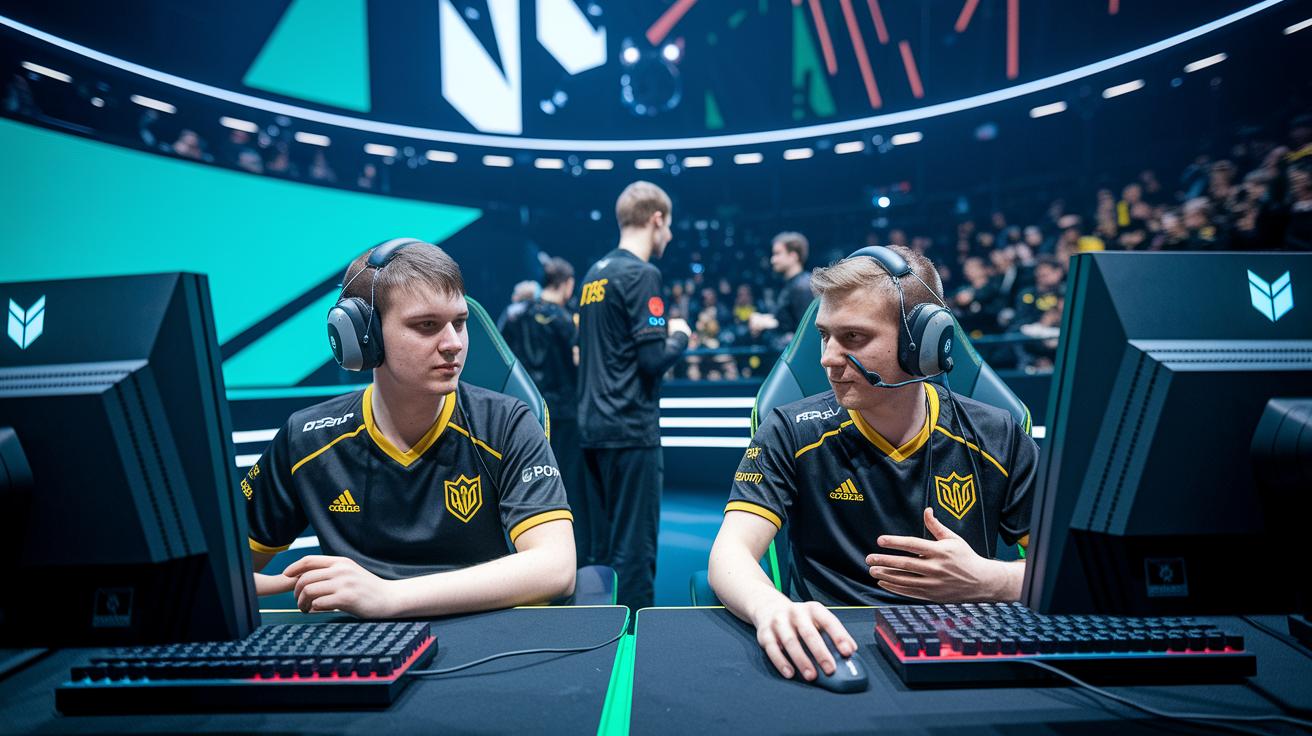
Ever thought about making esports even fairer? Valve’s new CS2 tournament rules for 2025 are shaking things up in a way that benefits every player. They’ve reworked the setup by creating clear team groups and limiting wildcard spots, so matches feel more balanced and structured.
This could be just the nudge competitive play needs to get sharper, while keeping tournaments exciting and true. Imagine a contest where every play feels fair and each win is genuinely earned. Ready for a smoother, more thrilling match experience?
2025 Esports Tournament Policy Update Overview
Valve just dropped a new esports tournament update for CS2, starting in 2025. They want to boost the game’s professionalism and transparency with fresh, clear rules. It feels like they’ve put together a new playbook to make every match run smoother and fairer.
They’ve set up a two-tier system for events, splitting them into Tier 1 and Tier 2. So, for Tier 1, there must be at least 16 invited teams based on Valve Regional Standings. Also, wildcards are limited to two per every eight teams, and these teams won’t automatically jump into the main draw. This keeps things fair and balanced, just like strategizing in your favorite match.
Plus, Valve’s now making a clear line between Ranked and Unranked tournaments. Operators will need to get separate licenses for each. These changes kick in for the Open Circuit season in 2025. It’s a big step forward toward a more structured and streamlined contest setup across all digital and virtual arenas.
Core Changes in the Esports Tournament Policy Update
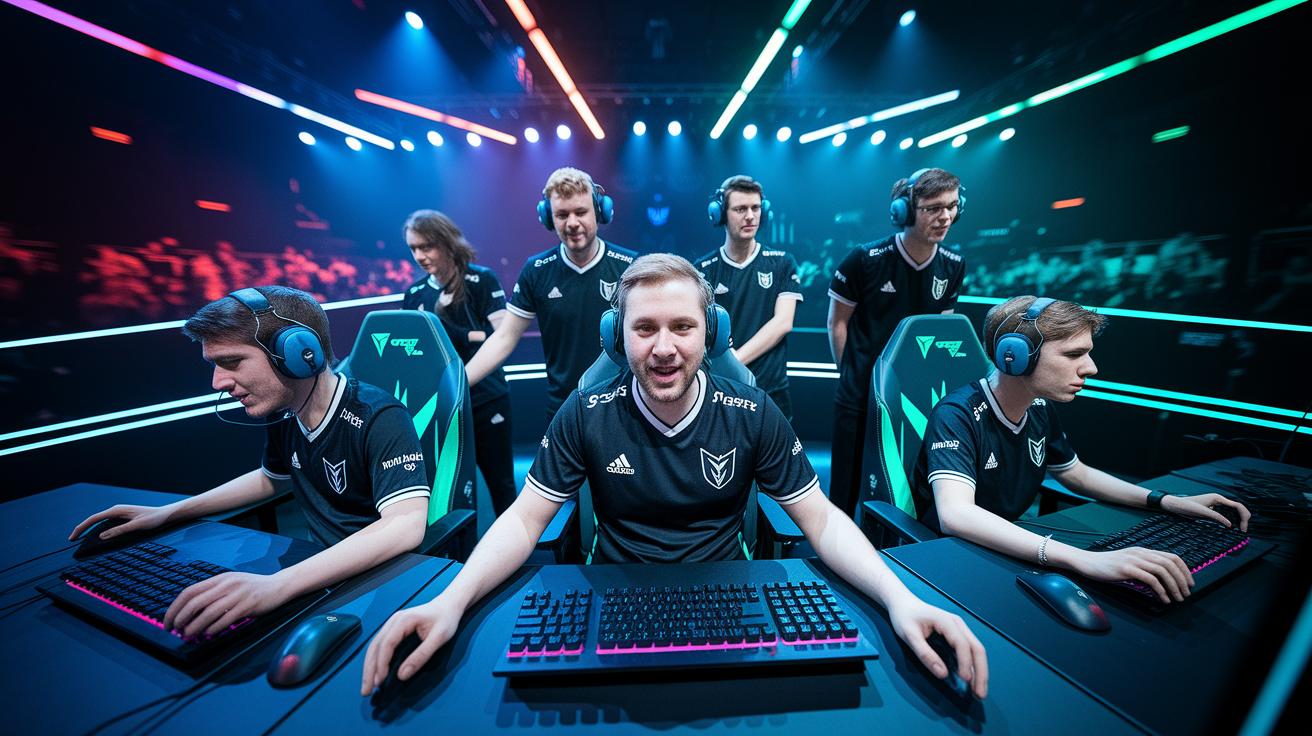
Valve has rolled out fresh tournament rules that bring everything together. They combine team tiers, set clear limits for wildcards, and break down licensing into separate tracks. This update ties performance directly to regional rankings and smooths out the whole contest process.
Tier Classification and Team Requirements
Tournaments now split teams into two tiers. For Tier 1 events, at least 16 teams must be in the mix, chosen based on how well they’ve done regionally. It’s a bit like climbing that in-game ladder, every match counts. And, remember, before hitting the next level, players had to grind through many battles to earn their spot.
Wildcard Cap and Advancement Rules
The new rules cap wildcards at 2 per 8 teams. Wildcard entries have to work for their chance; they can’t just skip ahead into the main draw without proving themselves. This means every slot is earned through real skill, not just luck.
Ranked vs Unranked Licensing
Now, organizers need separate licenses for Ranked and Unranked tournaments. This clear split helps keep things organized, with each format running under its own set of rules. It’s all about making sure every tournament feels fair and focused.
Operator Licensing and Regional Integration
The licensing process for tournament operators has been revamped too. Team invites now directly reflect current regional performance, cutting out extra layers of paperwork and confusion. The result? A smoother, fairer system that makes it clear how teams qualify.
| Policy Change | Details | Effective |
|---|---|---|
| Tier Classification | Tier 1/2 based on regional standings; min 16 for Tier 1 | 2025 Open Circuit |
| Wildcard Cap | 2 per 8 teams; no auto-advance | 2025 |
| Ranked vs Unranked | Separate licenses required | 2025 |
| Operator Licensing | New process tied to regional performance | 2025 |
| New Rulebook | CS2-specific guide | 2025 |
Esports Tournament Policy Update Sparks Positive Shift
The new tournament rules are stirring up a lot of buzz among both players and organizers. Gamers now have to deal with new ways to qualify because of the tier system, which means changing up their usual prep for invites. Fewer wildcard spots make the fight for a seat even tougher, and shifting regional spots could shake up old rivalries. There’s also talk about rising licensing fees that might squeeze team budgets. Everyone now needs to get really comfortable with the updated rulebook. For players, the big changes are:
- New qualification routes because of the tier system.
- Fewer wildcard spots, ramping up competition.
- Possible shifts in regional representation.
- Worries about licensing fees affecting team budgets.
- Higher expectations for knowing the rulebook inside out.
Organizers are facing their own set of challenges too. They need to set up new compliance tracking and anti-cheat tools, plus get separate licenses for Ranked and Unranked events. This means rethinking event formats to meet new team requirements and sticking closely to the fresh enforcement guidelines to keep matches fair. Staff will have to learn the updated officiating standards, and budgets will need to cover any new penalties. For organizers, the main impacts are:
- Getting separate licenses for Ranked and Unranked events.
- Rolling out new compliance and anti-cheat systems.
- Tweaking event formats to hit the minimum team limits.
- Training staff on the new officiating rules.
- Adjusting budgets to handle potential penalties.
Comparing the 2025 Esports Tournament Policy Update with Previous Regulations

Before the update, rulebooks were pretty unclear. Teams and organizers had to guess what was allowed. There was no two-tier system, no limit on how many wildcards could join, and Ranked and Unranked events were bundled under one license. It was a bit like a game where someone could jump ahead without playing through every level.
The new policy clears up those issues. Now, events are split into two tiers, only two wildcards out of eight teams are allowed, and Ranked and Unranked competitions need separate licenses. Believe it or not, before this change, servers sometimes let a wildcard jump ahead as if skipping levels.
New legal and work rules now guide how tournaments are set up. With clear licenses and rules for qualification, organizers have a solid framework to follow. It’s like upgrading from a makeshift game plan to one where every move is clearly mapped out.
Ensuring Compliance under the New Esports Tournament Policy Update
Tournament auditors will keep a close eye on events with regular schedule checks and live reviews to make sure everyone follows the rules. Valve’s oversight teams will work with local groups to check every game using simple compliance dashboards that track licenses and key operations. These regular checks help catch any issues early, keeping the whole event flow smooth. Imagine a live match where a quick alert triggers a fast review of the game logs.
Technical rules now take center stage. Operators need to add standard anti-cheat software to their systems so every match is monitored carefully. Plus, new referee training is on deck to help officials spot any weird behavior during contests. It’s a bit like updating your gaming gear with the latest software, these steps let the team run faster checks and ensure fair play.
There are clear consequences for breaking the rules. If someone doesn’t follow the guidelines, they could face fines or even lose their license, though there is an appeals process for when organizers feel there's been an error. The process is set up to keep evolving with each tournament, kind of like a feedback system that reviews every move and keeps the competition balanced and fair.
Final Words
in the action, we saw the new update laying out clear changes for tournaments, from tier classification to stricter wildcard rules. The revised rules break down qualification paths and boost transparency for both players and organizers. It shows how modern tournaments are aimed at fairness on every level. This update combines a fresh look at team invites, operator licenses, and competition structure. The esports tournament policy update sets the stage for a smoother, more competitive experience for everyone involved.
FAQ
Esports tournament policy update xbox
The esports tournament policy update for Xbox emphasizes clear guidelines for competitive play. It modernizes classifications and team invite rules to boost fairness and transparency for players and organizers.
Capcom Pro Tour rules
The Capcom Pro Tour rules outline competitive standards that mirror recent policy updates. They set clear match and invite criteria to keep tournaments fair and engaging for all participants.
Upcoming SF6 tournaments
Upcoming SF6 tournaments integrate new classification tiers and wildcard rules. These measures aim to balance team competition and promote a smoother, more competitive event experience.
CAPCOM esports
CAPCOM esports now operate under updated tournament policies that clarify team requirements and match organization. This change helps maintain a fair, transparent competitive environment for every event.
Global Esports Federation
The Global Esports Federation plays an advisory role in these updates by endorsing standardized rules. Their efforts help ensure fair oversight and consistency across global esports competitions.