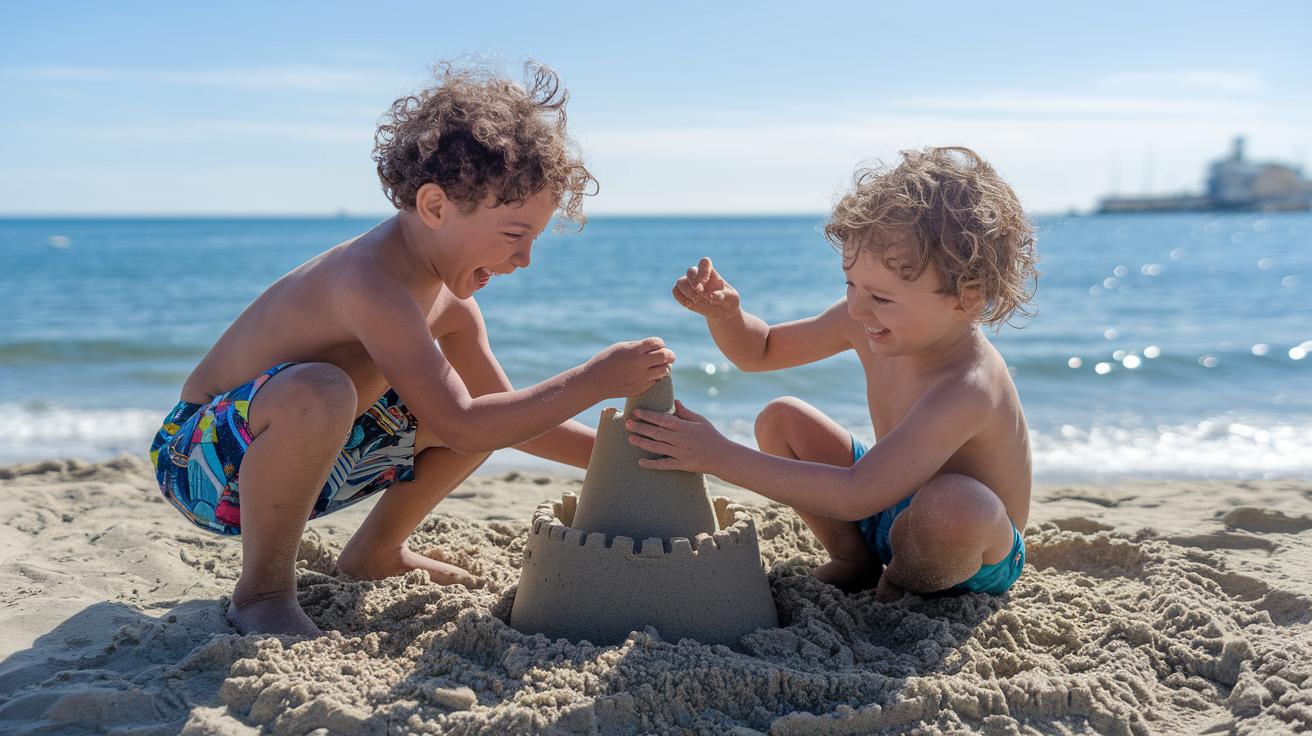
Ever wonder how playing together can make the fun even bigger? Picture a bunch of kids gathered around a puzzle, each one dropping in their perfect piece. Playing as a team isn’t only about having a good time. It builds teamwork, clear talk, and smart problem-solving skills. When everyone shares ideas and backs each other up, the fun really multiplies, and soon enough, everyone feels connected. Today, we dive into how playing together forms these strong bonds, turning every game into a step toward a happier, tighter team.
Understanding Cooperative Play: Definition and Key Concepts
Cooperative play is the last stage of a series of social interactions that sociologist Mildred Parten first talked about way back in 1929. It happens when kids join forces to achieve a common goal, with each child taking on a specific role. Imagine a bunch of kids gathered around a table putting together a puzzle, they talk about what piece goes where, assign tasks, and cheer when each piece fits just right. Unlike other play styles where kids might just mingle, cooperative play has clear rules that everyone follows.
This style of play is all about teamwork and good communication. Kids share ideas, solve problems together, and even figure out how to handle disagreements as a group. They learn to speak in full sentences and listen to others, which helps build social skills and trust. The set guidelines they follow also show them why rules can be useful, while still leaving room for creative adjustments. Think of it like a gaming session where every move counts and no one wins without everyone’s input, a mix of smart strategy and heartfelt teamwork.
By setting clear roles within a simple framework, cooperative play teaches kids how to communicate better, solve problems, and work effectively as a team.
cooperative play Cultivates Joyful Team Harmony
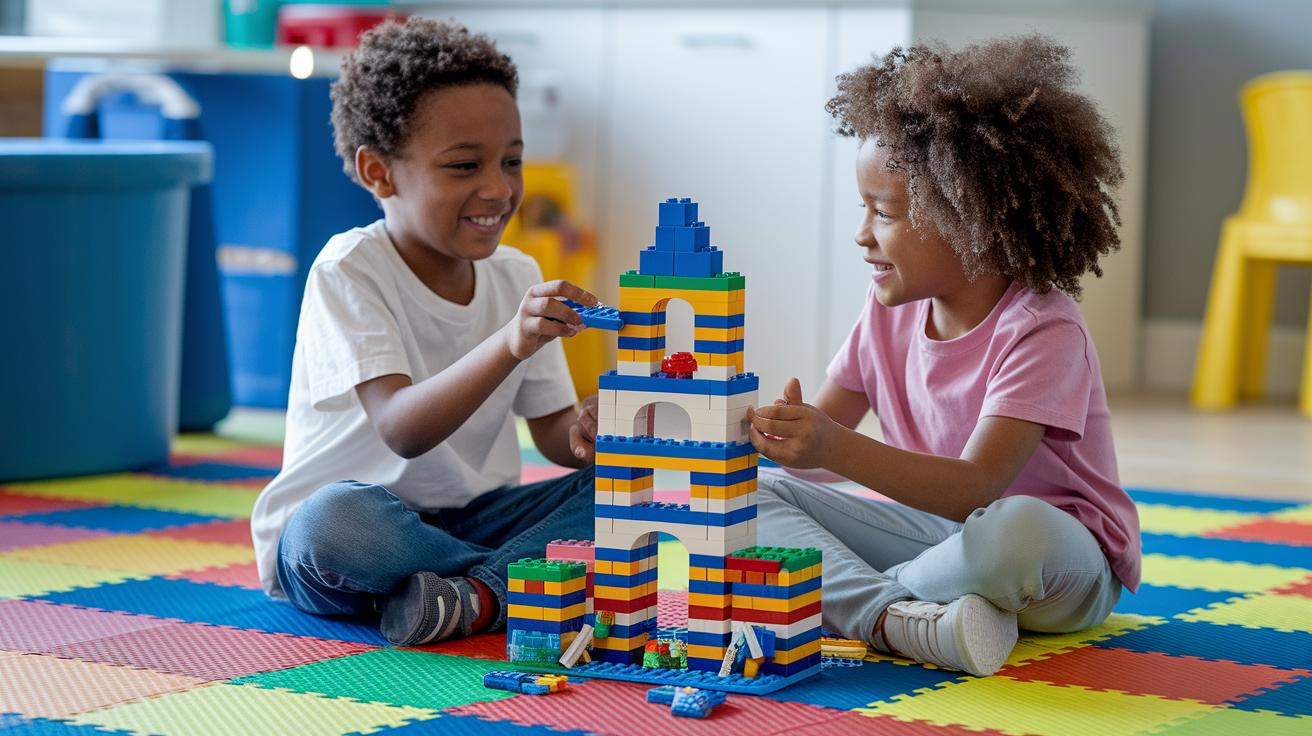
Kids go through different play stages as they grow, kind of like leveling up in your favorite game. At first, play is really simple. For example, in the unoccupied phase, babies up to 3 months just check out everything around them, exploring without any plan.
Then, when they hit ages 1 to 2, they dive into solitary play. Each kiddo is in their own world, enjoying their personal adventure. Around ages 2 to 3, they enter onlooker play, it's like watching someone pull off a cool move and learning by watching.
Next up is parallel play (ages 2 to 4), where kids are side by side with similar toys but aren’t really mixing ideas. Soon after, during associative play (also ages 2 to 4), they start sharing toys and little ideas, although they haven't quite mastered teamwork yet. Finally, when they reach around age 4, cooperative play kicks in. Now, they team up with clear roles and rules, working together like a well-coordinated squad to meet group goals.
| Play Stage | Age Group |
|---|---|
| Unoccupied Play | Infants up to 3 months |
| Solitary Play | Ages 1–2 years |
| Onlooker Play | Ages 2–3 years |
| Parallel Play | Ages 2–4 years |
| Associative Play | Ages 2–4 years |
| Cooperative Play | Begins around age 4 |
Cooperative Play Benefits: Social and Cognitive Growth
Cooperative play is not just fun; it also helps kids grow smarter by solving problems together. When they team up to finish a project, each child learns to listen to different ideas and decide which one works best. Picture a bunch of kids building a Lego tower. One might say, "Let's put these blocks down first," while another has a different idea, kind of like planning a raid in a team game. This style of play sharpens their thinking as everyone adds something to the mix.
Playing together also gives kids plenty of practice with social skills. They learn to take turns, decide who does what, and really listen to each other, much like friends coordinating during a multiplayer match. Imagine kids coming up with a new game rule and talking over the best way to do it. One might take charge of the timer while another scribbles down ideas, just like teammates in a busy sports game. These moments help them build better communication, patience, and flexibility.
Cooperative play also boosts emotional smarts by teaching kids about trust and sorting out disagreements. When conflicts pop up, they learn to manage their feelings and find a way out, just like teammates who clear up a mix-up during a critical part of the match. This kind of experience not only builds stronger bonds but also makes them more aware of their own feelings. In the end, kids become better at solving puzzles and handling the ups and downs of working together.
Cooperative Play in Practice: Examples Across Settings
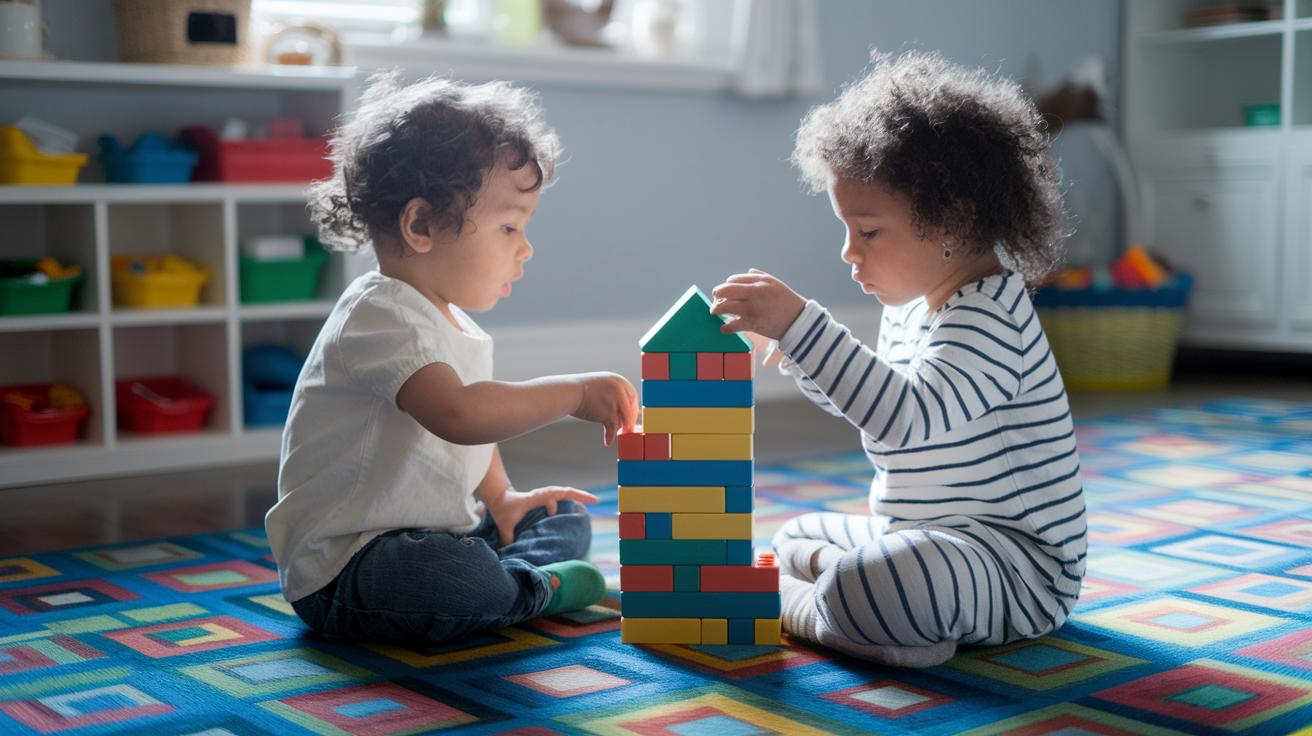
Kids pick up teamwork naturally when they dive into group projects that feel like real-life quests. Imagine a bunch of little players gathered around blocks or sticks, planning out a tall, wobbly tower. They chat about who adds which block, kind of like gamers coordinating moves in an online match. One might say, "I’ll use the big blocks, you do the small ones," and that’s all about working together.
Then there are memory games where the fun really builds. In these games, kids take turns flipping hidden cards and sharing tips on where they remember seeing them. Picture one kid saying, "You take the next turn while I keep an eye on the cards." It shows that even simple games need a mix of patience and teamwork.
Cooperative board puzzles up the collaboration factor even more. Each player handles part of a bigger picture while they debate the best moves and sometimes even change the rules as they go. It’s a lot like when teammates tackle a challenging level in a game together.
Finally, there are online challenges that put kids' quick thinking and clear communication to the test. They might say, "Let’s click here and then there," as they work to solve digital puzzles. This kind of play really hones their digital coordination and strategic skills.
| Activity | Age Range | Skill Focus |
|---|---|---|
| Block Building Collaboration | 4–6 years | Communication & Fine Motor |
| Matching & Memory Games | 5+ years | Cognitive & Team Awareness |
| Cooperative Board Puzzles | 4–7 years | Problem Solving & Rule Management |
| Virtual Team Challenges | 6+ years | Digital Coordination & Strategy |
Promoting Cooperative Play: Strategies for Parents and Educators
Parents and teachers can try lots of simple, hands-on ways to spark cooperative play that builds teamwork and chat skills. Think of it like planning a cool team mission where every child knows exactly what to do, maybe one kid stacks blocks while another guides the play, with rules everyone agrees on. Mixing digital puzzles with in-person games makes it fun and helps kids connect in real life.
When setting up play, keep in mind that different ages need different fun. For the little ones, simple side-by-side tasks work best as they start to copy what they see. Toddlers enjoy a bit of guided make-believe to learn social cues, and preschoolers are ready for group challenges that add a bit more strategy.
Try these ideas to level up your play sessions:
- Swap roles during group tasks so everyone has a turn.
- Use timers or visual signals to help with taking turns.
- Kick off rule-based games that let kids practice negotiating.
- Chat about what happened after the game with quick reflection questions.
- Help kids give each other feedback and work together to solve problems.
These hands-on tips not only make playtime super fun but also teach kids important things like staying cool under pressure, listening carefully, and talking respectfully. By ensuring every child plays a part, you create a vibe of belonging and teamwork that helps in every part of their growth.
Integrating Cooperative Play into Educational Settings
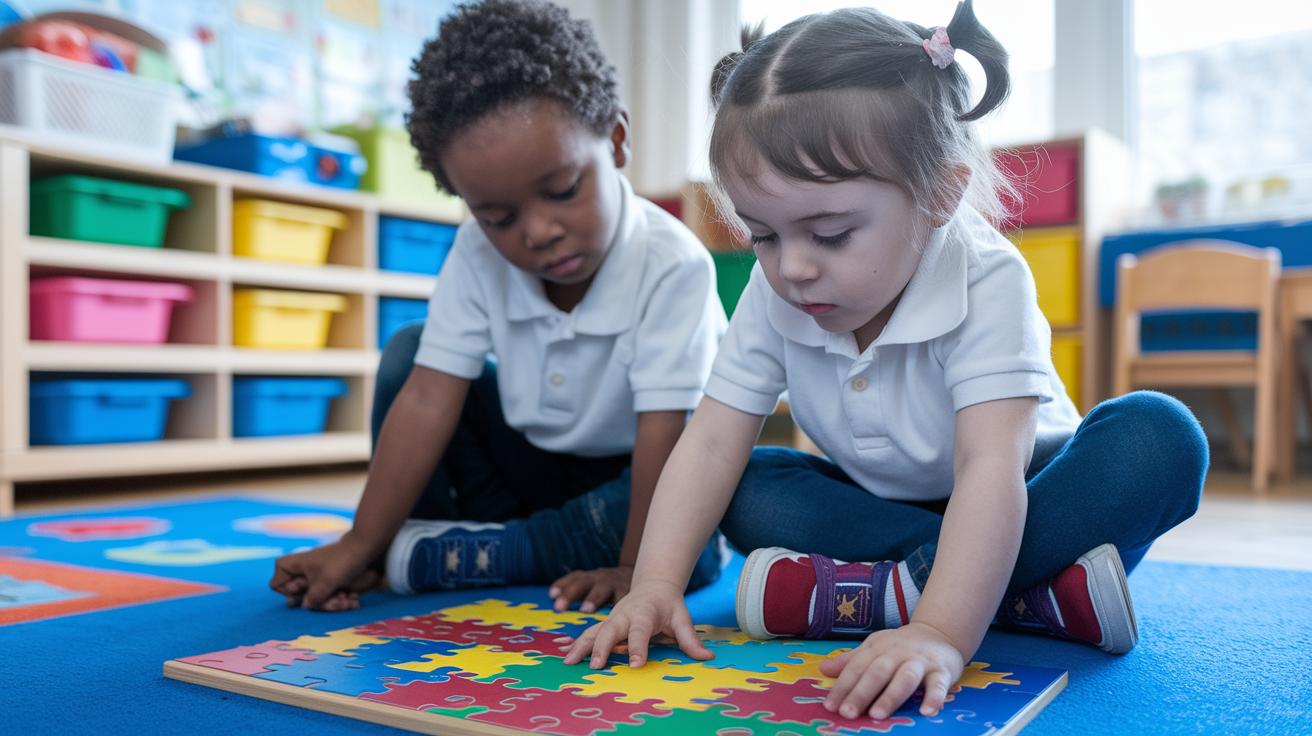
Imagine learning like playing a team match. Teachers can bring cooperative games into lessons so that every kid feels like a vital team member. For example, they might use puzzles, board games, or even movement activities that show how sharing ideas can make tasks more fun and successful.
Many preschools are already trying out group play. Teachers often set up joint story sessions or art projects where every child adds their own spin. Sometimes, students even lead mini-projects that let them experiment while still following a simple plan.
Family events add to the fun too. When community play days or family sessions are held, kids get a chance to practice teamwork outside of school. This real-world practice helps build communication and cooperation skills that last a lifetime.
Research Insights on Cooperative Play Impact
Back in 1929, Mildred Parten kickstarted our understanding of play. She found that kids learning together really boosted their social and emotional skills. Think of it like teaming up in your favorite game, sharing, talking, and even negotiating turns are all part of the play.
Newer studies have picked up right where she left off. Researchers now notice that when kids play in groups, they learn to handle conflicts, manage their emotions, and even get ready for school. When little ones work on a puzzle together, they learn to listen closely and wait their turn, just like when teammates strategize in a clutch match.
Experts suggest making these play sessions simple and clear. By giving kids set roles and a chance to chat about what they learned afterward, we help them build real teamwork skills. This way, they not only have fun but also build a solid base for future learning and effective collaboration.
Final Words
In the action, we explored what cooperative play really means, from its clear definition and developmental stages to its powerful benefits in boosting social and cognitive skills. We talked about engaging activities, classroom integration, and real research that backs up these fun group efforts. This recap shows how cooperative play builds solid teamwork and communication. Keep experimenting with these hands-on strategies to sharpen your skills and grow your in-game community, making every session more engaging and smooth through cooperative play. Enjoy the ride!
FAQ
How does cooperative play differ from associative play?
Cooperative play differs from associative play as it involves kids working toward a shared goal with organized roles and rules, while associative play sees kids interacting loosely without structured cooperation.
What are some examples of cooperative play activities?
Cooperative play examples include group block building, matching and memory games, board puzzles, and team-based online challenges where children collaborate and follow set rules.
At what age does cooperative play typically begin?
Cooperative play usually begins around age four, when children start engaging in structured group activities with clear roles and common objectives.
What benefits does cooperative play offer?
Cooperative play boosts social skills like communication and negotiation, enhances cognitive problem-solving, and fosters emotional growth through shared decision-making and teamwork.
What does cooperative role play or co op play mean?
Cooperative role play, or co op play, means kids take on specific roles in an activity where they work together toward a common aim, emphasizing structure, teamwork, and shared responsibilities.
How is cooperative play used in ABA?
In ABA, cooperative play is applied through structured role-play scenarios where children work together toward a reward, promoting social interaction and cognitive skill development.