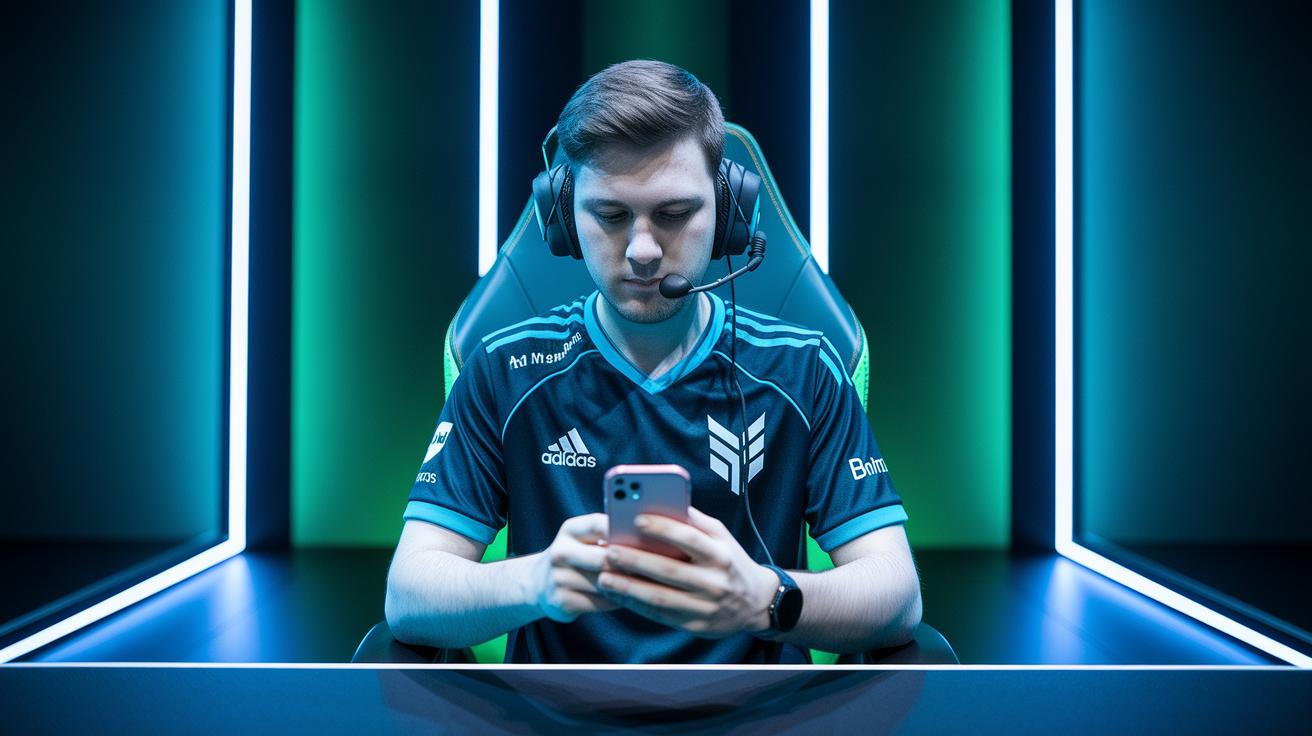
Ever thought about how wearable tech could level up your esports game? Imagine a tracker that checks your heart rate during a clutch play, giving you a heads-up when you're at your peak.
Gamers are now rocking smart gear that monitors stress, reaction time, and even fatigue as you play. It helps you switch up your tactics on the fly so you can stay in top shape.
In this post, we lay it all out, how these wearables boost performance and give you that extra edge when you need it most.
Key Impacts of Wearable Technology on Esports Performance
Wearable gadgets give players a solid boost by collecting live data as soon as the match starts. Fitness trackers, for example, measure your heart rate, stress, and fatigue while you’re in the middle of a game. Picture a device that beeps when your heart races during a clutch play, it lets you know when your body is feeling the heat.
Real-time stats take your game to the next level. Systems track key numbers like decision speed and reaction time, and they show these on live dashboards that players and coaches check out. This instant feedback means you can spot trends and tweak your game plan on the fly. Ever see a quick flash saying “Reaction Time: 0.2 seconds”? That’s your cue to adjust your strategy.
AI takes it further by checking out your past biometric data. It builds training schedules that match your unique pace so you can hit your peak at the right moments. This smart, data-based method (as noted in the Data-Driven Competitive Improvement link: https://nerdladder.com?p=3304) helps keep your routine in sync with the fast pace of each match.
Even wearables hidden in jerseys, wristbands, or controllers add to your edge. They capture every little movement and brainwave burst during gameplay. Coaches use this detailed info to fine-tune strategies and avoid overdoing it, almost like getting advice from a trusted friend. All these factors come together to boost your performance and make wearable tech a key tool in modern esports.
Wearable technology shaping esports performance boosts play

Wrist-worn fitness trackers are a game-changer. They keep tabs on your heart rate, stress, and fatigue round the clock. Imagine getting a quick alert during an intense match that says, "Heart Rate: 145 bpm." It’s like a mini pulse check telling you when you're pushing your physical limits.
EEG headsets come into play especially when the pressure is mounting. They track brainwave activity to show how focused your mind is. This means you know if you're on top of your game or if it’s time to take a quick breather. Picture a headset lighting up before a tough in-match decision, that’s your cue to switch up your tactics.
Smart apparel fitted with RFID and motion sensors is another cool tool in your arsenal. It watches your posture and small movements to help you stay comfortable and ready. Think of it like having a personal coach who nudges you to fix your stance whenever needed.
Haptic feedback suits and controllers bring things to another level by mimicking in-game sensations like recoil or impacts. They make the experience more real and help build muscle memory with every move. For extra tips on sensor tech, check out Competitive Gaming Hardware Optimization Tips.
Implementing Real-Time Analytics with Wearable Tech in Esports
Wearable gadgets push non-stop biometric signals and movement data right into live performance dashboards through wireless systems. With speedy 5G and a super-low delay of 1 ms, teams can instantly check out how players are doing during those nail-biting moments.
Machine learning tools dig into the real-time data to predict when a player's energy might take a dive. So if a device shows signs of rising fatigue, the AI coaching tools can quickly suggest a short break or even a substitution to keep things running at top speed. Picture your screen lighting up with, "Stamina dropping, take a 30-second break." It’s like getting a handy tip exactly when you need it.
Meanwhile, upgraded coaching platforms send live alerts to trainers by flagging heart rate and stress levels, so coaches can jump in without missing a beat. It’s all about using real-time stats to give everyone a clear picture of what’s happening in the match. Then, by matching current workload with past game behavior, predictive analytics helps adjust training and fend off fatigue before it sets in.
In short, blending instant biometric checks, smart AI insights, and live dashboards gives teams the power to balance a fierce game push with needed downtime, keeping every play on point.
Wearable Technology for Injury Prevention and Health Management in Esports
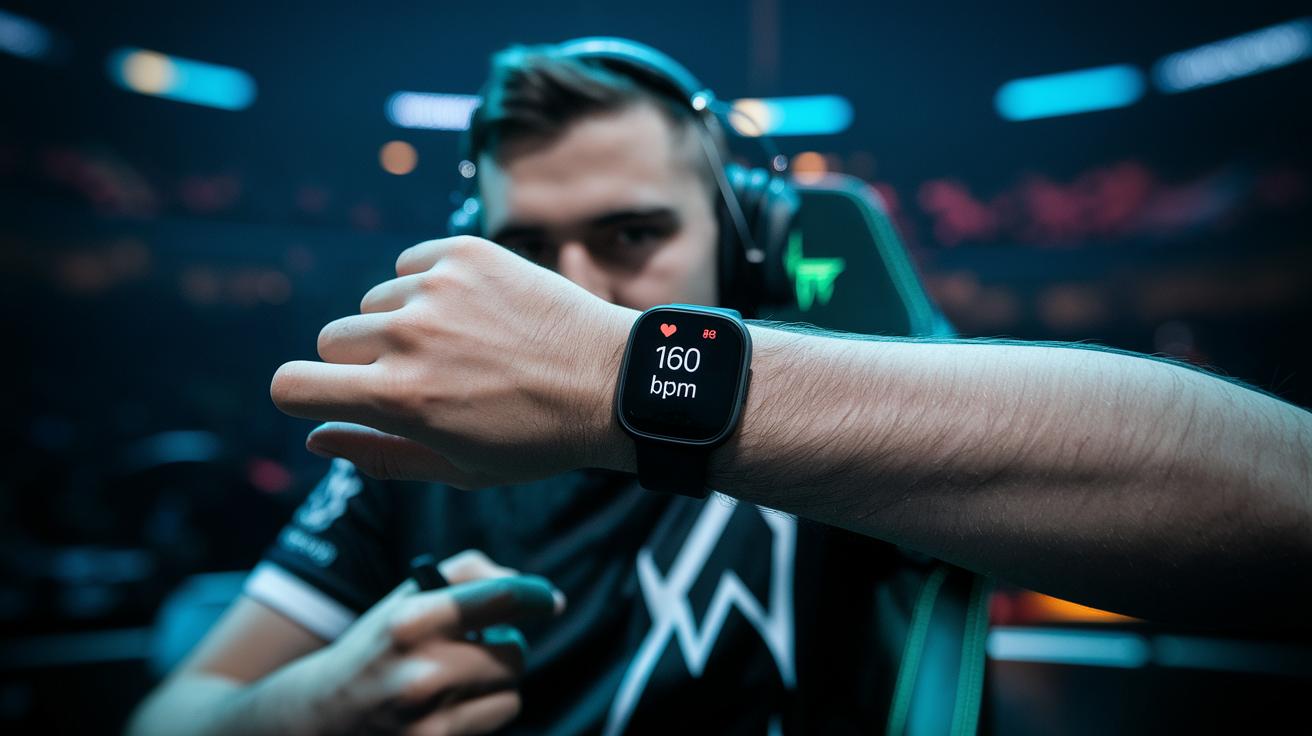
Wearable devices help keep esports players in top shape by constantly tracking heart rate and stress levels during long matches. They give early hints of overexertion so both players and coaches know when it might be time for a break. Picture a device softly buzzing and showing "Heart Rate: 160 bpm" right when you start to feel the strain.
AI-powered systems take this info even further by spotting patterns like rising fatigue. They suggest when to take a timeout so you avoid injury and can keep performing your best. It’s like having a smart coach right by your side during those marathon tournaments.
These gadgets also track how much energy you use, from counting calories burned to checking your hydration needs. After a game, you get a simple report that breaks down all your data, making it easier to plan your training and recovery. This way, each match starts with a fresh mindset and a body that's ready to go.
Future Trends in Wearable Tech Shaping the Next Wave of Esports Performance
Next-gen haptic suits and AR/VR wearables are taking training to a whole new level, making you feel like you're right in the heat of the action. Imagine wearing a suit that gives you a gentle push in the chest when your character takes a hit. It's a cool way to build up those reflexes by mimicking real-life impacts.
Eco-friendly sensors that run on solar or kinetic energy are also in the spotlight. They help reduce energy waste while still streaming non-stop performance data. Think of it like gaming gear that sharpens your play and looks after the planet at the same time.
Keep an eye on neuro-augmented headsets that blend EEG (a way to read brain waves) with eye tracking. They show you clear feedback on where your focus is and how you make decisions. Picture a quick alert on your headset saying, "Gaze stability: Optimal" right before a big move. That kind of instant insight can really fine-tune your strategy during the most intense moments.
And then there are AI platforms that predict match outcomes and guide team tactics using loads of data. With these smart systems, you can adjust your gameplay on the fly. Plus, as wearable tech gets smaller and uses less power, these devices will feel even lighter and more comfortable, letting you track every move without any hassle.
For upcoming hardware innovations, check out Gaming Hardware Performance Update to see what's on the horizon. With these trends, gamers are set to enjoy smarter, greener, and even more immersive tools to boost their performance.
Final Words
In the action, this article broke down how wearable technology shapes esports performance with real-time data and biometric feedback. We saw how fitness trackers and smart sensors keep tabs on heart rate, stress, and even posture during matches. The guide highlighted live analytics, injury prevention techniques, and emerging tech that elevate both gameplay and streaming quality. Embracing these insights can help you fine-tune your gear and tactics, leading to a smoother, more competitive experience in your next match.
FAQ
What does wearable technology shaping esports performance review include?
The review highlights how wearables monitor heart rate, stress, and fatigue, use real-time analytics, and even incorporate AI to adjust training, giving gamers essential performance insights.
How do wearable technology shaping esports performance PowerPoint presentations work?
These presentations outline how devices like fitness trackers and smart sensors collect data for monitoring player health and refining strategies, offering clear visuals and real-world examples to explain the tech’s role.
What are some examples of wearable technology shaping esports performance?
Examples include wrist-worn fitness trackers, EEG headsets for brain activity, and smart apparel with motion sensors, all designed to capture vital biometric data to enhance a player’s in-game performance.
What developments in 2021 impacted wearable technology shaping esports performance?
In 2021, new wearable devices with improved sensors and faster data analytics emerged, making it easier for teams to monitor health, optimize training schedules, and quickly adjust strategies during matches.
What is esports technology and how does Tech Mag fit into it?
Esports technology covers the hardware and software tools that drive competitive gaming performance, with Tech Mag providing reviews, insights, and updates on the latest innovations in this space.