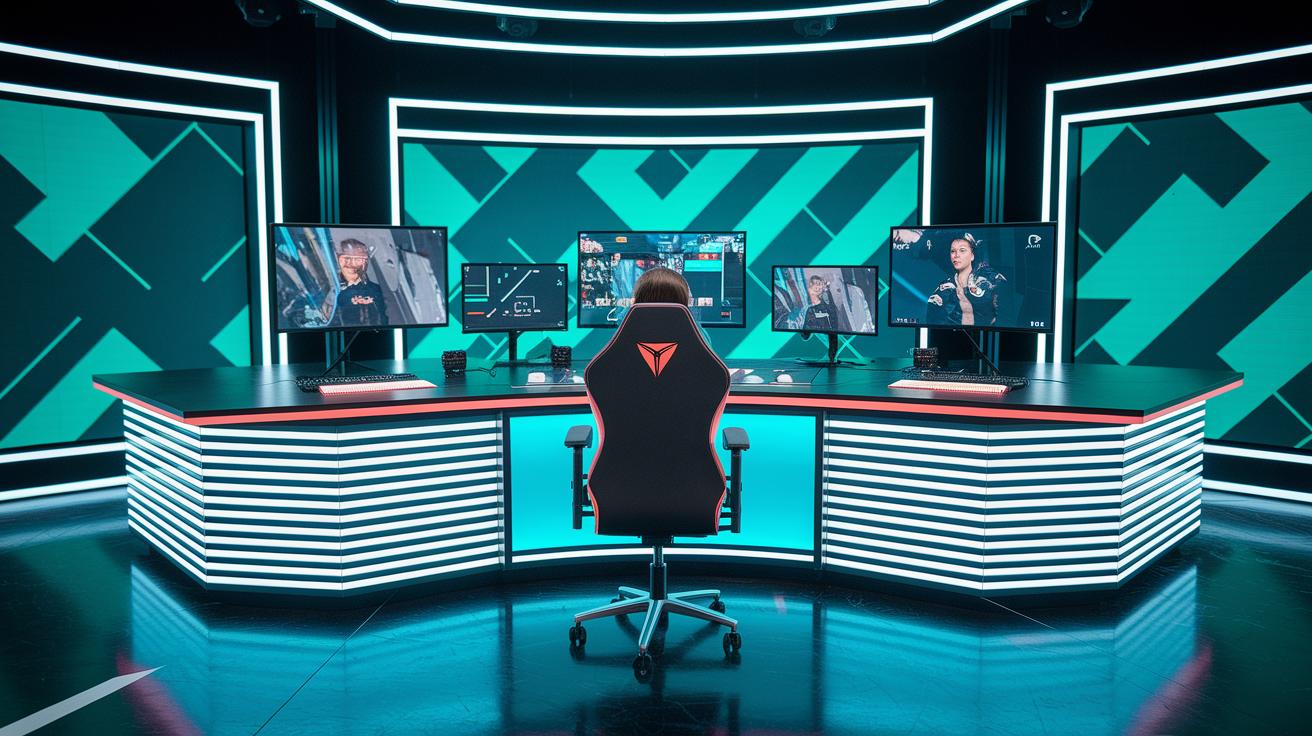
Ever wonder why esports broadcasts feel so fast-paced and exciting? New tech is changing the way we watch games by offering clear, multi-angle views and smart controls that make every move shine. Today, we’re taking a closer look at how live production platforms blend cloud gear with AI-driven cameras to capture every big play with crystal-clear precision.
From quick edits to ultra-HD streams, these new trends are turning broadcasts into dynamic, fan-focused experiences. It’s like being right there in the middle of the action, feeling every twist and turn as it happens.
Key Cutting-Edge Technology Trends Shaping Esports Broadcasting
Imagine live production platforms that blend in-house gear with cloud tech for setups that can flex and scale fast. Think of it as using modular signal processing that quickly changes with game strategy shifts.
Dynamic mapping paired with smart multi-view controls lets producers switch between game angles with ease. It smooths out crew tasks and helps with quick edits during nail-biting moments.
Tech like AES67 and ST 2110 gateways, combined with HDMI converters and timing generators, ensure quality signal flow across networks. This setup keeps everything synced and clear even when the game pace speeds up.
Mid-sized systems come with either 60 or 24 inputs and compact UHD designs, making them perfect for venues of any size. They deliver crisp, high-resolution streams that don’t overwhelm the production team.
Robotic PTZ cameras with AI tracking nail the perfect shot automatically. They adjust focus as players move, capturing every key moment in gameplay.
Cloud-based ground-to-cloud gateways pave the way for ultra-HD streams with minimal delay, boosting the viewer experience. And the use of 5G tech takes these advances even further.
Multiple angles from 360° drone and spidercam views offer fresh, immersive replays. This tech turns any match into a dynamic visual story that truly grabs you.
Live data visuals and real-time stat overlays, powered by interactive fan features and AI commentary, ramp up the excitement. These smart updates create a broadcast that feels as driven by data as it is by passion.
Immersive VR and AR Overlays in Esports Broadcasting
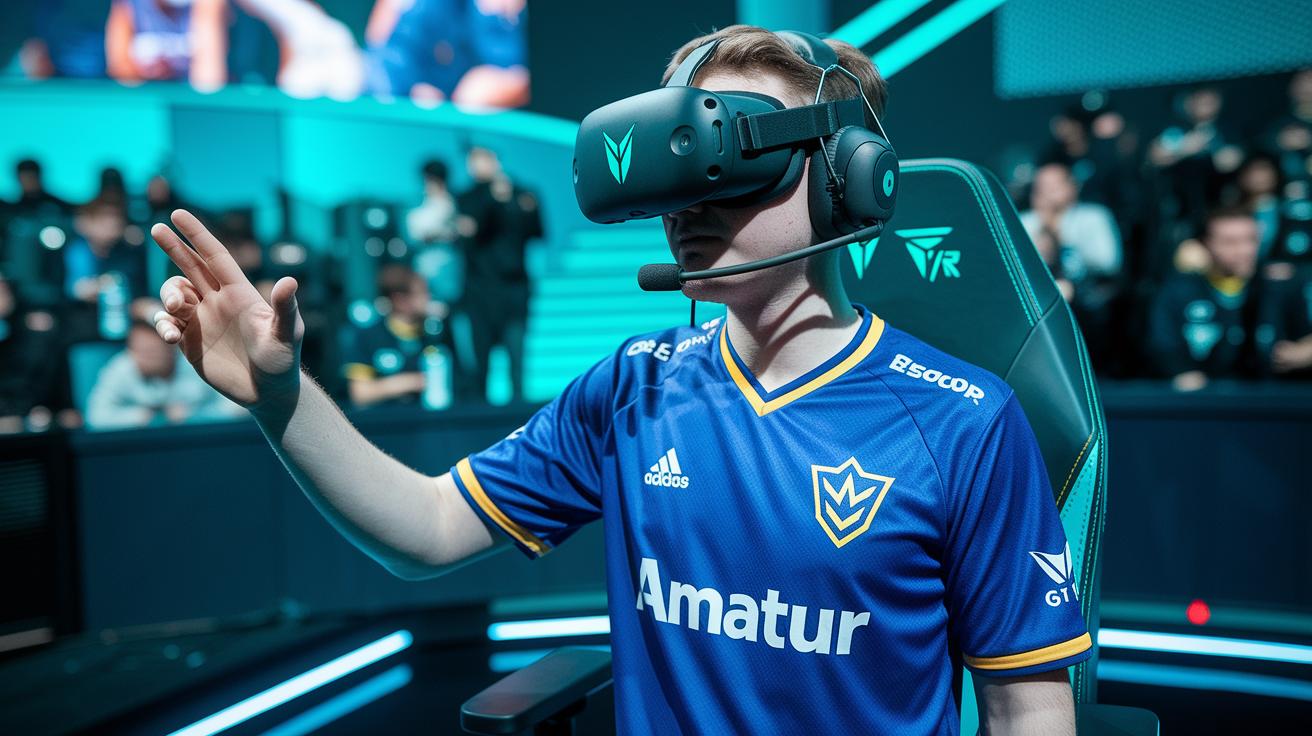
The latest tech is changing how we watch esports. With VR headsets, fans feel like they're right in the stadium, catching every cheer and play as if they were really there. Ever think a VR headset might make you feel like you're standing in the arena while the crowd roars around you?
AR overlays add even more excitement by displaying live player stats, heatmaps, and sponsor graphics directly on the screen. Imagine a crucial moment when a heatmap suddenly lights up, showing how intense the battle is and tracking key moves in real time.
Broadcasters now mix in panoramic 360° videos shot with drones and spidercams to capture all the action. This cool approach gives fans a clear view of every angle, so nothing is missed.
Interactive overlays powered by real-time data bring extra insights that make each play pop. Sure, engineers work hard to keep AR content in perfect sync with live gameplay, tweaking settings so the visuals stay smooth even when things move super fast.
Together, these VR and AR innovations create an experience packed with detail and info. The result? Every match feels special and totally engaging.
AI and Machine Learning Enhancements in Esports Broadcasting
AI is changing how game commentary works by delivering play-by-play action that adapts in real time. Imagine an AI calling out "Incredible triple kill in under five seconds!" It mixes that rush of excitement with quick insights on how the game feels.
Machine learning is a game-changer too. It watches what fans do and even predicts how many people will be watching during a game. Broadcasters use these clues to tweak their approach on the fly, making sure every play is spot on.
Automated highlight reels bring more magic to the mix. These smart systems scan countless replays to pick out the coolest moments and build a quick montage of epic plays. Fans get instant access to all of the best clips without the wait of manual edits.
Robotic PTZ cameras now come with AI that tracks faces and bodies for you. They move smoothly to keep every important move in view, much like having a personal cameraman who never misses the action.
Real-time error detection is another awesome upgrade. Deep learning filters keep an eye on the video feed and fix any glitches as they happen, making sure the broadcast remains crystal clear even when gameplay gets wild.
All these tech upgrades work together to make post-production a breeze and boost the quality on air. This lets technology handle the technical stuff so broadcasters can focus on the fast-paced excitement of esports live.
High-Fidelity Streaming: Ultra HD, HDR and Low Latency in Esports Broadcasting
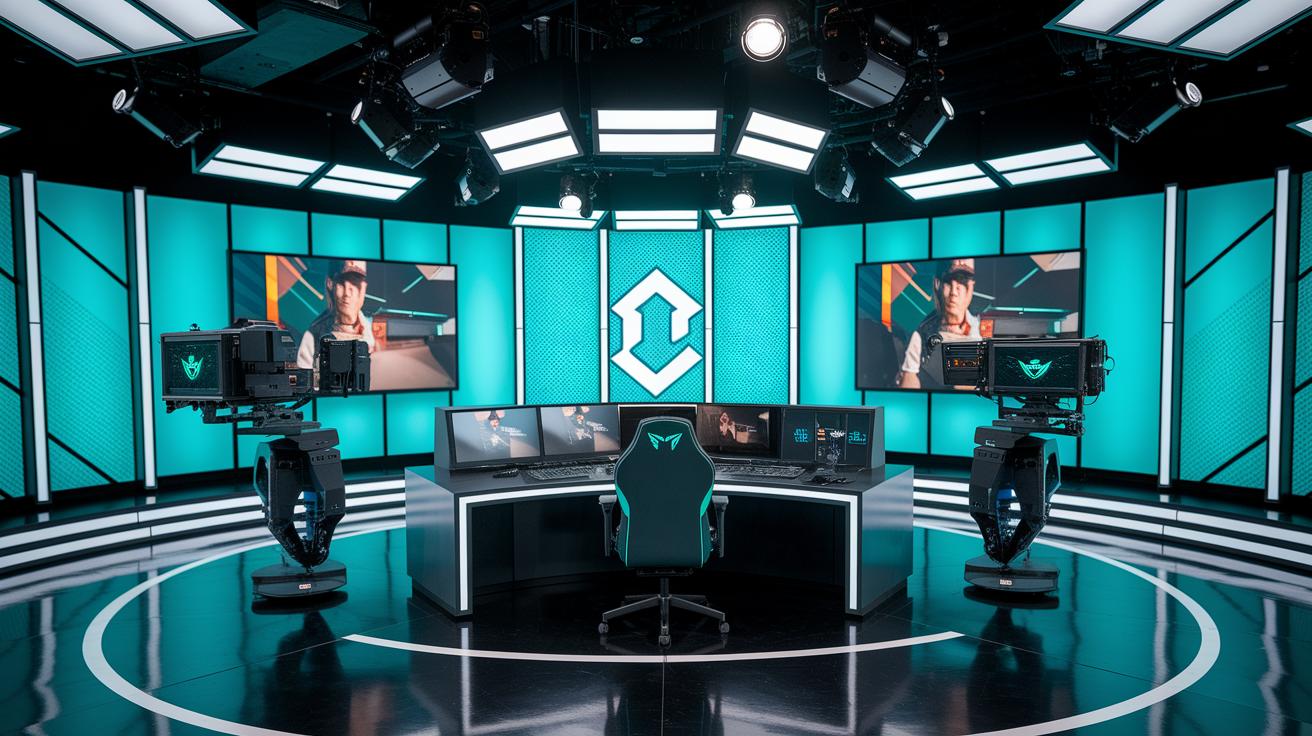
Tech breakthroughs have taken esports streaming to a whole new level. Thanks to 4K and UHD capture, streams now light up with crystal clarity and vibrant colors. Imagine watching a match where every detail pops and each move flows smoothly, even during the most intense parts. Plus, HDR makes things even better by showing deeper blacks and brighter whites that really make the action stand out.
High frame rate streaming is another cool upgrade. Esports events now run at 60 to 120 fps, meaning every movement looks sharp and lifelike, as if you're right there in the arena. Dynamic bitrate adaptation also kicks in to adjust quality on the fly as your network varies, so interruptions are kept to a minimum. And with tech like 5G and edge computing, latency drops to under 100 milliseconds, letting you catch the action almost instantly.
Cloud-based gateways play a big role here too. They link your gear with cloud servers to make sending UHD content a breeze. This smart mix of high-definition capture and video management creates super-responsive streams that can easily handle the rush of competitive gaming.
| Streaming Format | Resolution & Frame Rate | Viewer Benefit |
|---|---|---|
| Standard HD | 1080p at 30-60 fps | Works on many devices |
| UHD | 4K at 60 fps | Shows sharper details |
| HDR | 4K HDR at 60 fps | Brighter colors and contrast |
Cloud-Based and Remote Production Workflows for Esports Broadcasting
Game-changing live production platforms are shaking up how esports broadcasts come together. They mix on-site gear with cloud services so teams working from different places can stay in sync. Built-in tech like AES67 and ST 2110 IP AV protocols ensure that even when teams are apart, their signals stay aligned. Timing generators and tally setups team up to handle every little detail for a smooth show.
Cloud-based production gives teams the freedom to scale up their coverage fast. Whether you're handling a small local event or a huge tournament, scalable systems with various input options make it easy to switch between setups. Remote production tools that use cloud links take the broadcast out of traditional studios and into any venue. This level of flexibility means you can cover events no matter where they take place.
Edge computing works hand in hand with an integrated streaming setup to handle loads of data and make real-time tweaks. This tech combo helps reduce downtime and lets broadcasters adjust as the action unfolds. By cutting down on bulky gear and easing the load on local systems, cloud-based production makes it simpler to deliver high-quality streams without needing a full on-site crew.
Solid operational training supports these remote production setups, so teams feel confident handling every angle with minimal fuss. With the right mix of tech and know-how, modern esports broadcasts can stay nimble and pack in plenty of detail.
Robotic Cameras and Smart Automation in Esports Broadcasting
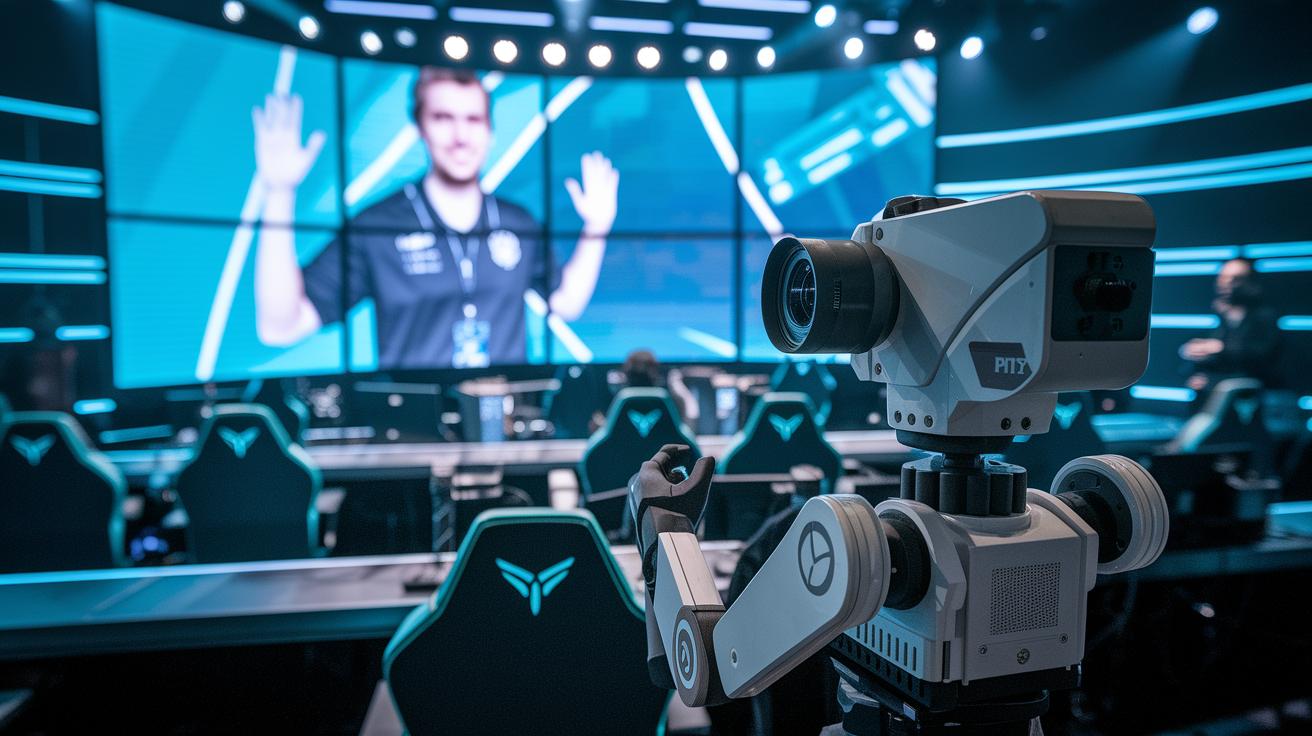
Robotic camera control software using track-based systems has completely changed how live esports events are filmed. Think about AI-powered Pan/Tilt/Zoom cameras that use facial and body tracking to grab the best shots automatically. It's like having a camera that never misses a moment.
Now, producers can even switch camera feeds with a simple hand wave, thanks to gesture control interfaces. Imagine a producer casually waving to shift the focus right onto a game-changing play, it’s almost like giving a silent order in the heat of action.
Automatic camera switching now jives perfectly with multiviewer dashboards and integrated tally systems. This setup handles shot sequences on its own, letting teams zero in on winning strategies and fine-tuning their gameplay.
By blending these smart features with existing AI camera tech, the whole process delivers super accurate, dynamic coverage while cutting down on manual tasks.
Interactive Fan Experiences and Future Trends in Esports Broadcasting
Esports broadcasts are getting a serious upgrade, and fans are now an essential part of the game. Broadcasters are blending interactive experiences into each match so you can actually shape what you see. Imagine voting in real time to pick the best angle of an epic play. Meanwhile, social media comments flash across the screen, making every moment feel like a shared celebration. And with personalized dashboards, you get to choose the stats and overlays that suit your style, turning a regular game into a custom experience just for you.
- Multi-angle replays with instant viewer polling: Imagine watching a clutch play and immediately voting for your favorite camera view, it transforms watching into an active game.
- On-screen social media walls: Picture live tweets and fan comments popping up as you cheer on your team.
- Hyper personalized graphic dashboards: Think of it like setting up your own viewer hub where you choose what news, player stats, or cool overlays you want to see.
- Virtual commentary rooms: Envision joining a digital chat room where fans share their thoughts alongside live game insights.
- Interactive tournament maps: These maps let you explore the game’s progress and key spots in real time.
- Instant social media feeds: Stay updated with a constant flow of live fan reactions.
- Geospatial audience mapping: Imagine broadcasts that adjust content based on where viewers are tuning in from.
- AI-powered predictive viewership models: These smart tools learn your preferences and offer tailored content as the game unfolds.
All these features empower you to create your own viewing experience. With live interactions and fan-driven innovations, esports broadcasts are becoming immersive, personalized spectacles that put you right in the heart of the action.
Final Words
in the action, we explored advanced broadcast techniques that bring a fresh spin to esports. We broke down how smart camera robotics, AI insights, and immersive overlays work together with cloud-based production for slick, low latency streaming. Each section offered a quick look at tech that makes every match feel more dynamic and engaging. The drive to improve performance and streaming quality shines through these cutting-edge technology trends in esports broadcasting. Keep pushing boundaries and stay excited about the next play!
FAQ
What is Statsedge esports?
Statsedge esports delivers insightful data and performance metrics for competitive gaming. It helps fans and teams by providing clear stats to quickly analyze gameplay and refine strategies.
What is expected for the esports industry in 2025?
Predictions for the esports industry in 2025 point to increased viewership, smarter tech like AI commentary and interactive tools, and tighter connections between gaming and streaming communities.
Which esports are the most watched?
The most watched esports include games like League of Legends, Dota 2, and Fortnite, known for high-stakes tournaments and a massive global fan base that drives massive viewership.
How does the gaming industry connect with esports?
The gaming and esports sectors work in tandem, with game creators, event organizers, and streaming platforms teaming up to produce engaging content that boosts both play and viewer interest.
Where can I find the latest esports news?
Finding the latest esports news is simple; check dedicated esports websites and active social media channels, which offer timely updates on tournaments, tech shifts, and player trades.
What topics are covered in esports research?
Esports research spans audience trends, performance analytics, and tech advancements. This research offers clear data insights that help shape competitive strategies and improve broadcast quality.
What are esports data sets used for?
Esports data sets are used to break down player performance, game outcomes, and viewer habits. They help coaches, teams, and broadcasters make smart, data-driven decisions.
What defines a good esports website?
A good esports website shows a clean design with real-time updates, interactive stats, and engaging features. It creates a friendly hub where fans and teams can connect and stay informed.
How has technology changed sports broadcasting?
Technology has transformed sports broadcasting by introducing ultra HD streaming, low latency networks, and immersive VR/AR experiences, all of which make watching live games more exciting and interactive.
What significant trends are shaping esports today?
Trends shaping esports today include AI-driven commentary, smart camera robotics, AR overlays, immersive VR stadiums, and cloud-based production, all working together to elevate the broadcast experience.
What technology supports esports broadcasting?
The technology behind esports broadcasting mixes high-definition cameras, AI automation, VR/AR tools, low latency streaming capabilities, and cloud-based platforms to create dynamic viewing experiences.
What does the future hold for sports broadcasting?
The future of sports broadcasting promises even more immersive experiences with advanced VR, real-time analytics, improved streaming through 5G and edge computing, and interactive viewer controls that enhance fan engagement.