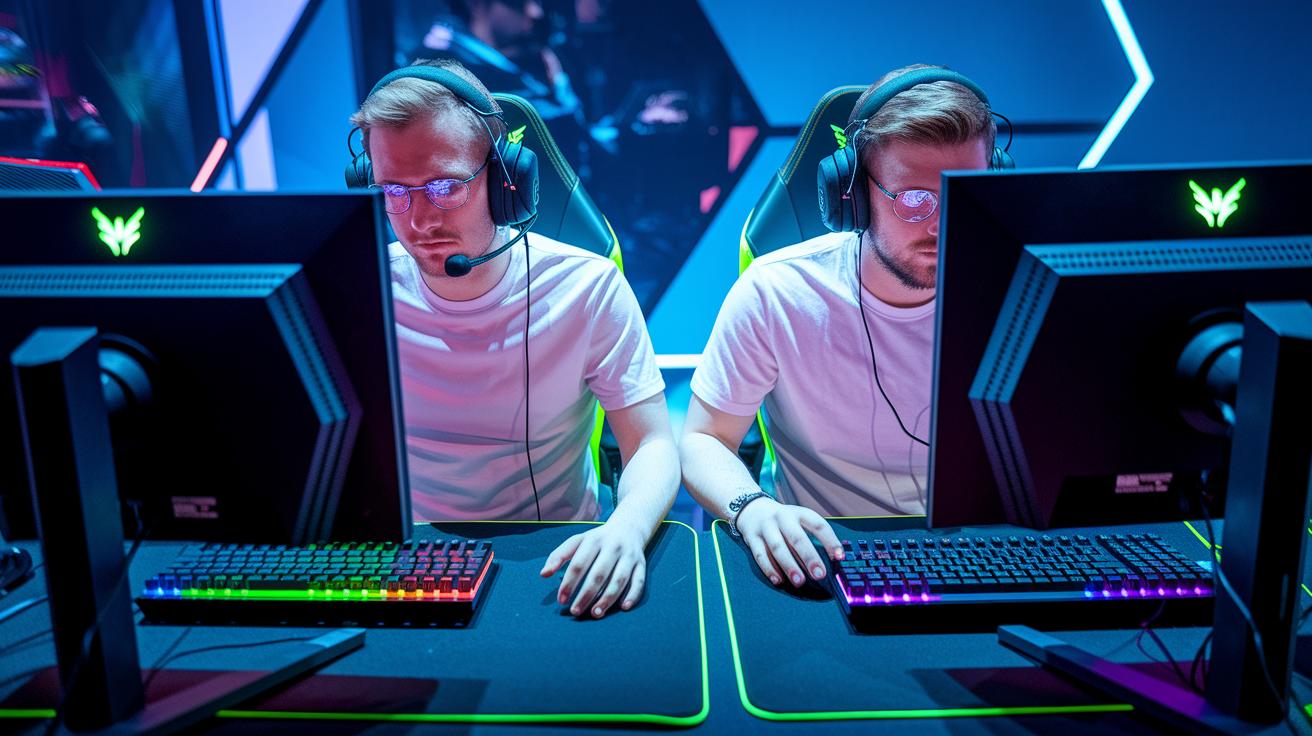
Have you ever been surprised by an opponent’s sneaky move? In esports, a fixed strategy just doesn’t work.
Changing your plan at the right moment can flip the game, even when things get tough. Picture a teammate shouting that the enemy’s key move is down. That call lets everyone switch gears instantly.
Winning with flexible tactics means you’re always watching, timing your moves just right, and working as one tight team. In this article, we’ll dig into how quick, adaptive strategies can outsmart your opponents and give your team the win.
Countering Opponent Strategies with Adaptive Esports Tactics
Adaptive tactics keep you one step ahead by switching up your game plan as things change. Good team chat is key; when everyone knows their role and when to adjust, it makes all the difference. Picture a teammate yelling, "Watch out, enemy cooldown in 5 seconds!", it helps everyone stay alert and on their toes. Teams that use these strategies pay close attention to maps, using familiar layouts, callouts, hiding spots, and usual routes to shift their play when needed.
In short, you’ve got to change your strategy on the fly by reading your foe’s moves and the latest game trends. When teammates trust each other and know their parts, quick moves like countering an enemy push or shifting resources feel natural. Imagine a support player suddenly going on the attack because the team spots a gap in the enemy lineup. A clear call followed by a fast switch can turn a tough spot into a win.
| Step | Description |
|---|---|
| Monitor Enemy Cooldowns | Think of both teams like chess players, timing moves when pieces are open. |
| Rotate Resources | Swap key items like gold or ammo based on what your team needs at that moment. |
| Adjust Vision Control | Share quick updates about enemy spots and escape paths. |
| Enhance Map Awareness | Keep updating callouts on common routes and hiding places. |
| Reassign Roles | Switch tasks mid-game to handle unexpected enemy moves. |
By using these quick steps, teams stay flexible and turn surprise challenges into clear opportunities for victory.
In-Match Tactical Shifts for Adaptive Esports Victory
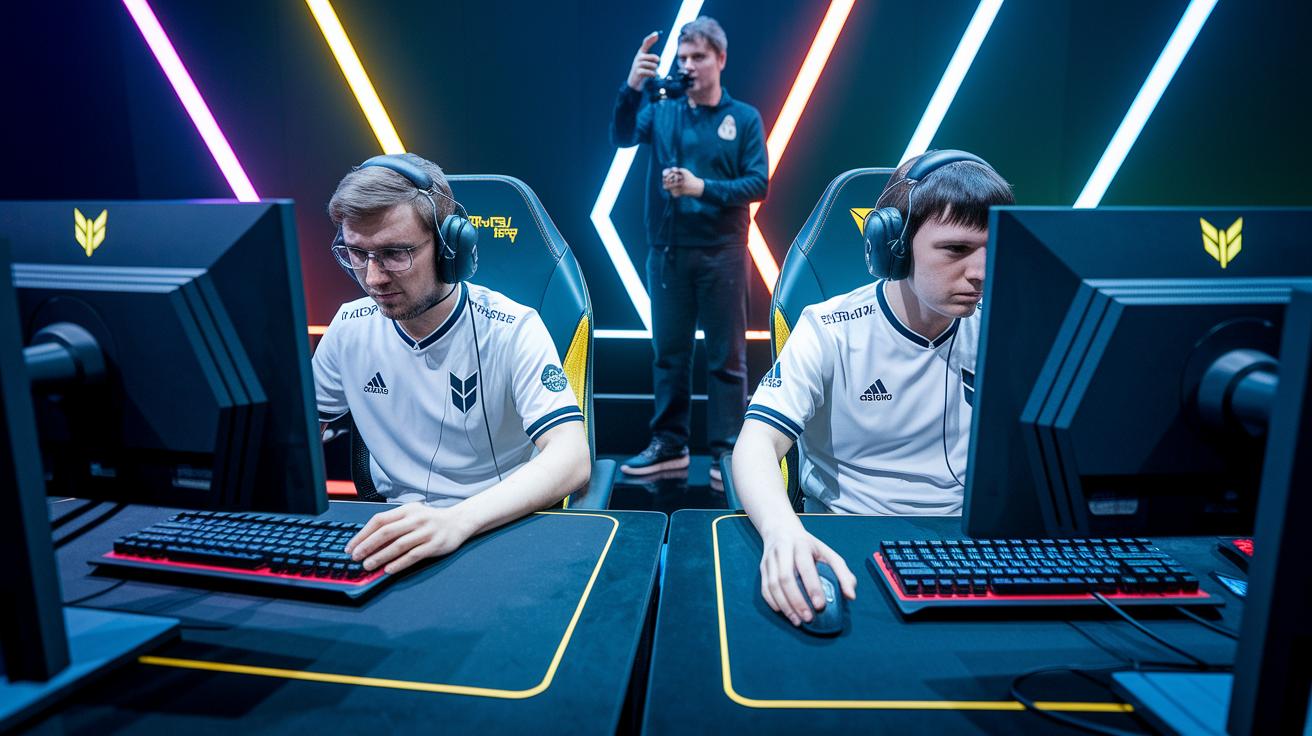
In the middle of a match, teams need to switch up their strategies and sometimes even swap roles to handle the pressure. Watching live details like the kill feed and objective timers lets you know when to change targets or move resources as the map changes. For example, if a foe is out of position, your team can quickly change its focus and turn a risky situation into a win.
Rapid Tactical Recalibrations
Keeping an eye on live game info is the name of the game. When the kill feed starts lighting up, check it and the timers to catch early signs of change. A quick shift in strategy helps keep everyone ready to handle any surprises the match throws at them.
Role Flexibility in Response
Sometimes players need to change roles during a match to help the team. For instance, a jungler might help out in a lane if an enemy overreaches, or a support might take on extra tasks when the carry falls back. This kind of role-swapping makes the whole team more prepared for the fast-paced action.
Leveraging Opponent Behavior Insights for Counterplays
Start by watching your opponent carefully in every match. You track how they move, keep an eye on the kill feed, and look back at past games. This way, you see patterns, like how they always build or hang around important spots on the map. Each time you notice the same behavior, it builds a picture of where you might take advantage.
Next, use what you learned about the map to plan your moves ahead. By noting repeated paths, favorite hideouts, and common callouts, you can guess where your opponent might go next. If they often use a certain lane or flank, you can set up an ambush or block their exit. This approach means you’re not just reacting but planning smart counterplays.
Finally, mix these insights into quick, well-timed actions. When you see a familiar pattern, team up to disrupt their flow. For example, launch a fast attack and follow it with a strong defense to catch them off guard. By using the game’s full toolkit and coordinating with your teammates, you can stop enemy pushes and turn their habits into your strengths.
Developing Flexible Game Strategies in Esports Tactics

Pre-match, teams dive into patch notes and balance updates like they're hunting for hidden treasures. They scan for any little tweak that might flip the game on its head. For instance, one recent update cut cooldown times on key abilities, completely changing how team fights play out. With these insights, teams craft a main game plan and stash a couple of backup ideas, just in case.
Before the match even starts, they also study their opponents, checking out patterns and overall game trends. This helps them tailor strategies to counter the enemy's usual setup. A good trick is to jot down expected plays and then line them up against the new game mechanics. It’s a bit like preparing for a boss fight by knowing all the possible moves in advance.
Strategic Countermeasures and Dynamic Winning Techniques
Esports teams must think on their feet. When opponents make a move, they quickly mix up roles and tactics to throw off the other side. It’s like a fast-paced chat where everyone’s always ready to switch gears.
| Countermeasure | Scenario | Impact |
|---|---|---|
| Vision Denial | During Baron contention | Breaks enemy map control |
| Lane Freeze | Setting up a gank | Forces enemy errors |
| Objective Bait | Feigning an attack | Makes opponents overcommit |
New trends show teams using smart tactics built on in-game data and quick talk. They mix both planned moves and sudden switches, such as swapping roles or faking plays, to create memorable turning points. Ever thought about how one sneaky move can completely shift the game? That surprise twist might just flip the score and boost team energy in a heartbeat.
Refining Adaptive Play Style through Performance Reviews

After every game, teams come together to chat about what went down. They look at every move, from voice calls to in-game positioning, to see where things clicked and where they didn’t. Sometimes a replay might show that a support player took a little too long with their call, and that delay cost the team a big opportunity. Moments like these spark a closer look at how timing and sharing info can be improved.
Teams then set clear goals based on these reviews. They note where callouts were missed, reactions were slow, or role changes really shined. Every detail, good or bad, turns into a lesson for the future. A quick tune-up like perfecting callouts or speeding up decisions in tough spots can become the focus of the next practice session. One teammate might even say, "Remember how we lost our edge when the enemy faked us out? Let's fix that." This way, every bit of feedback builds into a daily routine for getting better.
Next up, these ideas move into practice. Teams run scenario sessions and scrimmages that mimic real game situations. By trying out these new tactics in a relaxed setting, players get a feel for improved communication and quicker thinking. Not only does this boost individual skills, but it also builds trust and a team spirit that’s all about learning and growing together.
Final Words
In the action, we broke down how teams can adjust on the fly, from quick map reads to role shifts that outsmart rivals. We unraveled strategies that move with the match, using clear communication and precise resource management. Thanks to adaptive winning tactics: countering opponent strategies in esports, every play evolves into a step toward dominating the game. This approach not only boosts confidence but also fuels a smoother, more calculated performance. Embrace these methods and keep pushing the limits.
FAQ
How do adaptive esports tactics counter opponent strategies?
Adaptive esports tactics counter opponent strategies by tracking live data and adjusting roles and resources mid-match, ensuring every player responds to changes on the fly.
How do teams execute in-match tactical shifts for victory?
Teams execute in-match tactical shifts by reading live updates like kill feeds and objective timers, then swapping roles when needed to tackle sudden enemy moves.
How does analyzing opponent behavior lead to effective counterplays?
Analyzing opponent behavior uses past actions and map awareness to predict enemy moves, allowing teams to craft timely responses that capitalize on exploitable patterns.
How are flexible game strategies developed before and during matches?
Flexible game strategies are developed by assessing game trends and drafting a main plan with backup options, then adjusting tactics mid-match based on real-time feedback.
What countermeasures help reverse match momentum dynamically?
Countermeasures like vision denial, lane freezing into ganks, or baiting opponents for collapse shift momentum by disrupting enemy flow and creating openings for advantageous plays.
How do post-match performance reviews refine adaptive play styles?
Post-match reviews refine adaptive play styles by analyzing communication and tactical execution, gathering actionable insights, and incorporating them into future training and play adjustments.