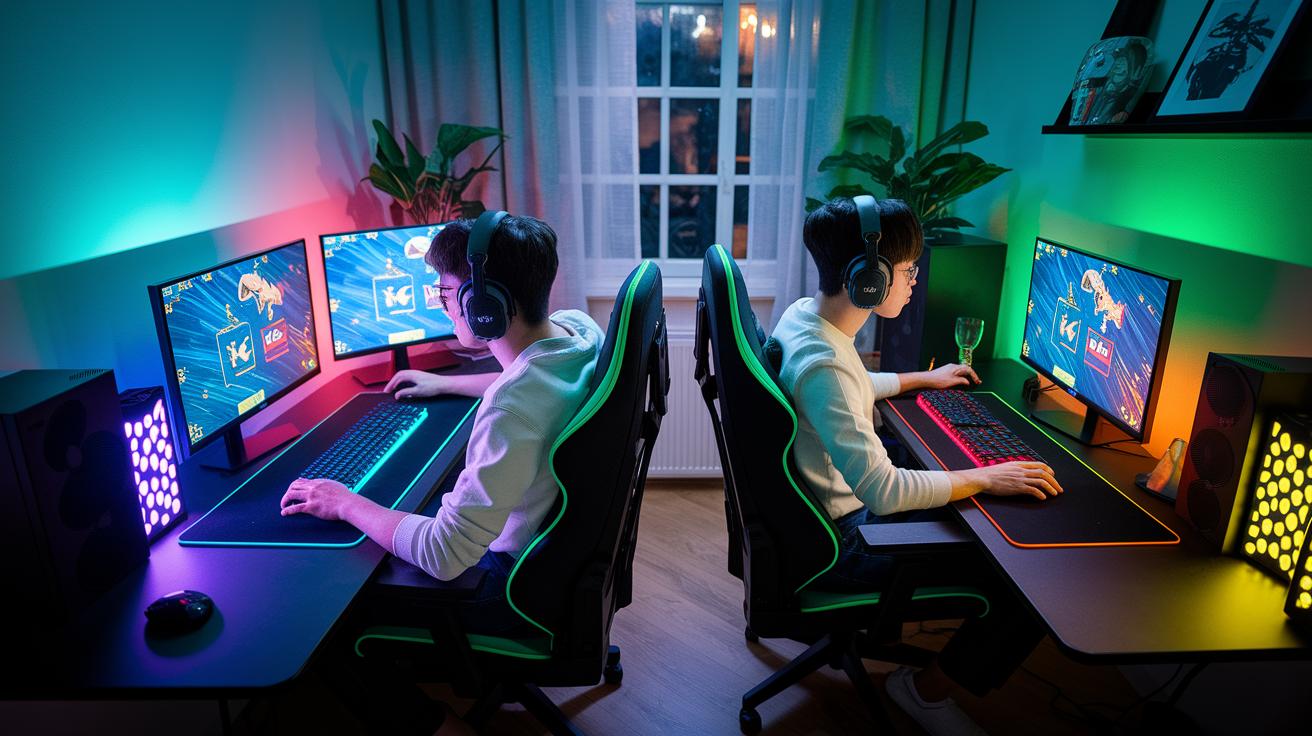
Ever wondered if games might start learning from you instead of you just mastering them? With billions of plays stacking up and feeding tons of data, game characters are starting to act more like real people.
AI is changing the way games work, making opponents learn your moves and even giving classic games a cool, modern twist. Stay tuned, because this smart tech is pushing game innovation into some really exciting territory.
How AI in Gaming Is Transforming Interactive Entertainment
AI is changing the way we play games, giving us fresh digital worlds to explore. With more global competition and online betting, game makers are forced to rethink how they design their games. Every day, around 2.5 billion gamers generate nearly 50 TB of play data. That huge number is driving some really exciting improvements in AI.
NPCs in games now feel a lot more lifelike. They no longer just stick to fixed responses. Instead, they learn from your actions and adapt in real time. Imagine facing an enemy who changes tactics based on your moves, it keeps every encounter feeling new and thrilling. On top of that, AI is used for visual upscaling, meaning older games get a visual boost that makes the graphics look modern while still giving off that nostalgic vibe.
Another cool trick is procedural content generation. This technology creates new worlds and challenges on the fly, cutting down on development time and keeping gameplay endless. Automated testing tools also play a big part by scanning complex code, so developers can quickly fine-tune game balance and performance.
Below is a simple breakdown of key AI functions and their impact:
| AI Function | Impact |
|---|---|
| Realistic NPC Behavior | Dynamic responses that heighten gameplay immersion |
| Visual Upscaling | Enhanced graphics that modernize classic games |
| Procedural Content Generation | Endless in-game worlds and challenges |
| Automated Testing | Streamlined debugging and balanced game design |
These advances aren’t just changing the way games are made, they’re setting up the future of digital entertainment in a big way.
AI in Gaming NPC Behavior and Intelligent Opponent Systems
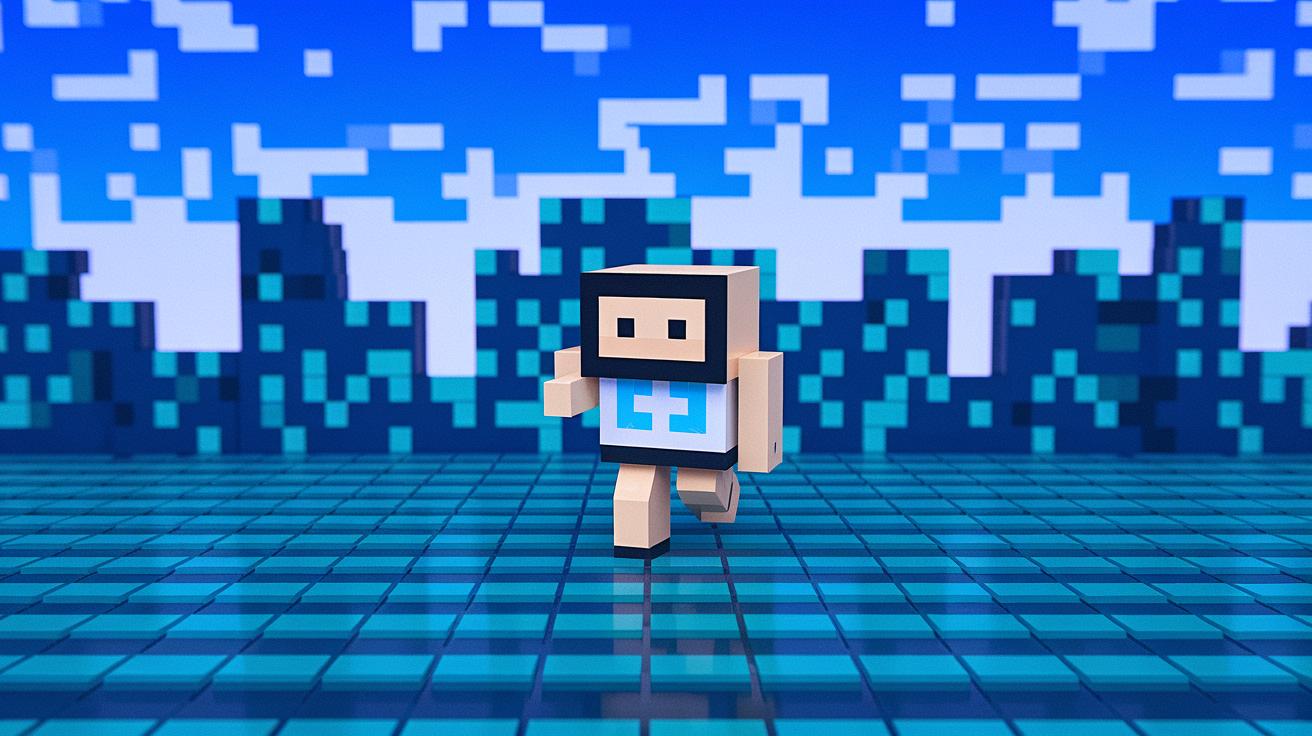
Old-school NPCs used simple rules and finite state machines to stick to set routines. For example, think of an enemy that patrols around until it spots you, then quickly switches to attack mode. It’s like having a guard that simply follows its script until something unexpected happens. Plus, pathfinding algorithms help these characters move smoothly around obstacles, almost like planning the perfect sneak attack.
Then there are behavior trees that let NPCs make smarter choices. Picture an enemy weighing its options, maybe hiding, attacking, or backing off, depending on what’s happening in the game. It feels more natural, almost like how real players decide their next move. And with reinforcement learning, things get even more exciting. These agents learn from each round, adjusting their strategies based on your moves, kind of like an opponent who learns your favorite tricks over time.
All these approaches, rule-based systems, finite state machines, pathfinding, behavior trees, and reinforcement learning, come together to create opponents that feel alive. They react to your actions in real time, making every match unpredictable and engaging, just like facing off against a clever and adaptable rival.
Artificial Intelligence in Procedural Content Generation for Games
Generative AI is shaking up game design. It automatically creates levels, maps, and assets on the fly, saving developers heaps of time so they can dive right into creativity. It's like every time you log in, the game spins up a fresh world right before your eyes.
Developers are using these techniques to mix up gameplay endlessly. They try out things like algorithmic level design and even let computers paint the assets, which means every playthrough feels unique. By 2025, more than 40 games will lean on this AI magic, showing just how popular it’s becoming.
Then there’s dynamic difficulty scaling. This cool feature tweaks the game based on how well you're playing. If you're on fire, the game might ramp up enemy tactics or toss in new obstacles to keep the challenge alive. Whether you’re a newbie or a seasoned pro, AI is busy balancing the action in real time, giving you endless hours of immersive, ever-changing gameplay.
AI in Gaming Design and Personalized Player Experience
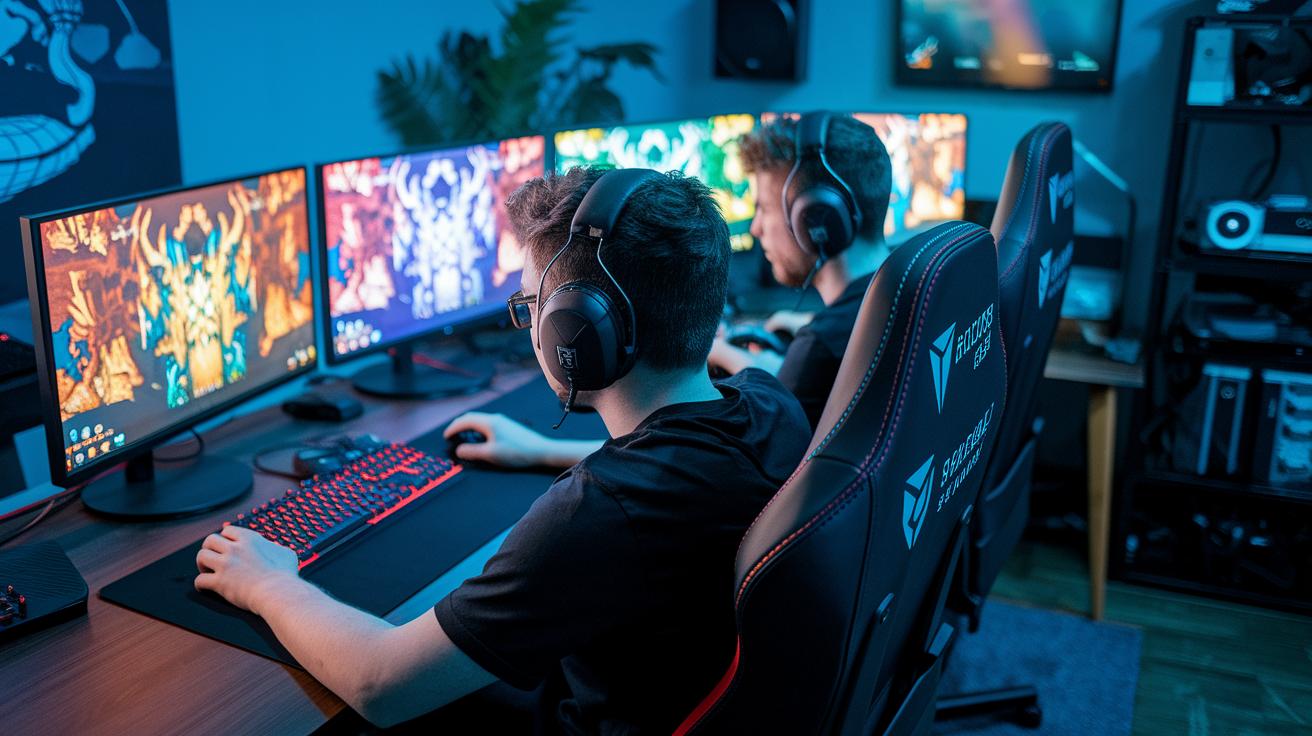
Player-experience modeling tweaks the game on the fly to match your skills and style. It uses simple formulas to change enemy moves and level challenges exactly when you need it, almost as if the game knows when to raise the stakes. Imagine playing a title where every win makes your foes tougher, keeping each battle fresh and exciting.
Next, sentiment analysis listens to what players say in reviews and adjusts the story accordingly. When you mention that the plot feels flat or emotionless, the game quickly adds more drama or a twist to make it feel alive. Picture a moment when a quick comment sparks a plot change, making the game world more engaging and fun.
Then, adaptive challenge algorithms study your play patterns and fine-tune enemy strength and rewards. These smart systems constantly balance the difficulty so each challenge feels just right, not too easy and not too hard. If you keep breezing through levels, the game might ramp up the challenge to keep you on your toes, offering a perfectly tailored experience every time.
Machine Learning for Game Testing, Analytics, and Balancing
Machine learning has really changed the game for testing, balancing, and quality checks. Modern tools now scan through millions of lines of code to catch bugs early, which speeds up the whole development process. They run loads of simulated scenarios to spot glitches fast, almost like a coach reviewing every play before match time.
At the same time, live analytics digs into about 50 terabytes of player data every day. This huge amount of info helps catch new gameplay trends, shows which features hit the mark, and finds spots open to exploits. If you're curious about how it all works, check out the guide at https://sololadder.com?p=1821.
Using data-driven strategy, developers can fine-tune games for better balance and fairness. Deep data mining gives clear feedback on enemy strength, reward systems, and game pacing. Automated pipelines also streamline testing and quick fixes, keeping gameplay smooth. For more on this setup, you might want to visit https://sololadder.com?p=1922.
Bringing all these systems together really transforms game development. It makes games more dynamic and responsive, updating quickly and fixing issues on the fly, just like a live playbook that adapts to how players behave.
Future Trends and Innovations in AI in Gaming
Cloud streaming changes how we play games by taking hardware limitations out of the equation. Instead of needing pricey, high-end rigs, the heavy lifting is done in the cloud. This means you can jump right into the action without a big investment. If you’re curious about all the details, check out this cloud gaming services comparison: "https://nerdladder.com?p=2308".
Blockchain and NFTs are opening up secure spaces for in-game markets. Now, digital items come with proof of ownership, so every rare piece or exclusive gear is really yours. With this technology, trades feel safer and in-game economies get a trustworthy boost. For more on how blockchain is mixing things up in gaming, take a look at: "https://rogueimc.org?p=7363".
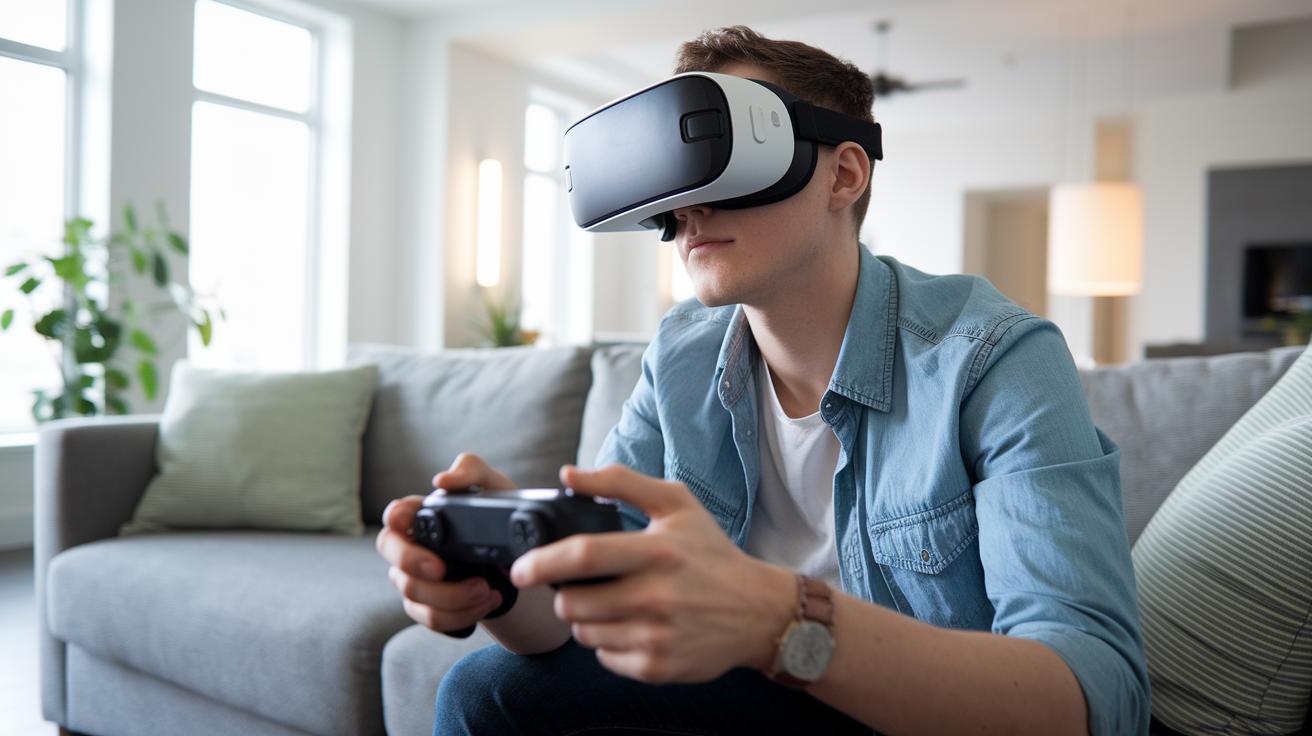
Then there’s the magic of AR and VR that brings games to life like never before. Imagine playing a game where your real movements trigger epic in-game events or where your voice and wearable gadgets make the experience super personal. Plus, mobile AI rendering is set to deliver vivid visuals and fresh gameplay. All of these innovations point to a gaming future that is more connected, secure, and immersive, keeping the fun front and center for every player.
Final Words
In the action, we broke down how AI is transforming gaming. We covered lifelike NPC behavior, automated content creation, personalized in-game experiences, and real-time analytics for balance and design.
We also looked at game testing methods and how machine learning shapes strategies for more engaging play.
AI in gaming continues to push creative boundaries and perfect gameplay, making every match more thrilling and smooth. The future is bright, and the action is just getting started.
FAQ
Q: Ai in gaming reddit
A: Ai in gaming reddit is a community where gamers share insights, news, and opinions on AI effects in game design, NPC behavior, and development techniques.
Q: Future of AI in gaming
A: The future of AI in gaming sees smarter NPCs, dynamic level design, and advanced challenge scaling that create more engaging and tailored player experiences.
Q: Ai in gaming examples
A: Ai in gaming examples include adaptive NPC strategies, real-time balancing analytics, automated testing tools, and procedural content generation that all boost gameplay innovation.
Q: Advantages of AI in gaming
A: Advantages of AI in gaming feature realistic NPC interactions, faster game testing, personalized gameplay, and efficient content creation processes that enhance overall game quality.
Q: AI in game development
A: AI in game development speeds up asset production, sharpens quality assurance through bug detection, and adjusts game difficulty in real time, ensuring smoother and more immersive play.
Q: Disadvantages of AI in gaming
A: Disadvantages of AI in gaming include technical glitches, possible algorithmic biases, increased resource demands, and concerns over diminishing original creative input in game design.
Q: History of AI in gaming
A: The history of AI in gaming started with simple rule-based systems and finite state machines, evolving over time into complex machine learning and adaptive algorithms that enrich player interactions.
Q: Gen AI in gaming industry
A: Gen AI in gaming industry supports automated content creation, realistic NPC responses, and adaptive difficulty settings, all driven by large-scale player data to improve gameplay experiences.
Q: Is there an AI that helps with gaming?
A: Yes, there are AI systems that help with gaming by improving quality assurance, managing in-game behaviors, and analyzing play data to offer smarter and more engaging experiences.
Q: Is AI coming to video games?
A: AI is already in video games, powering smarter NPCs, procedural content, and adaptive challenges that constantly reshape gameplay and make each playthrough unique.
Q: Is it legal to use AI in games?
A: It is legal to use AI in games; developers use these tools to enhance performance and creativity, though data-related regulations might influence how AI features are implemented.
Q: Is AI taking over the gaming industry?
A: AI is not taking over the gaming industry but is widely adopted as a helpful tool that improves game design and player interaction while complementing human creativity.