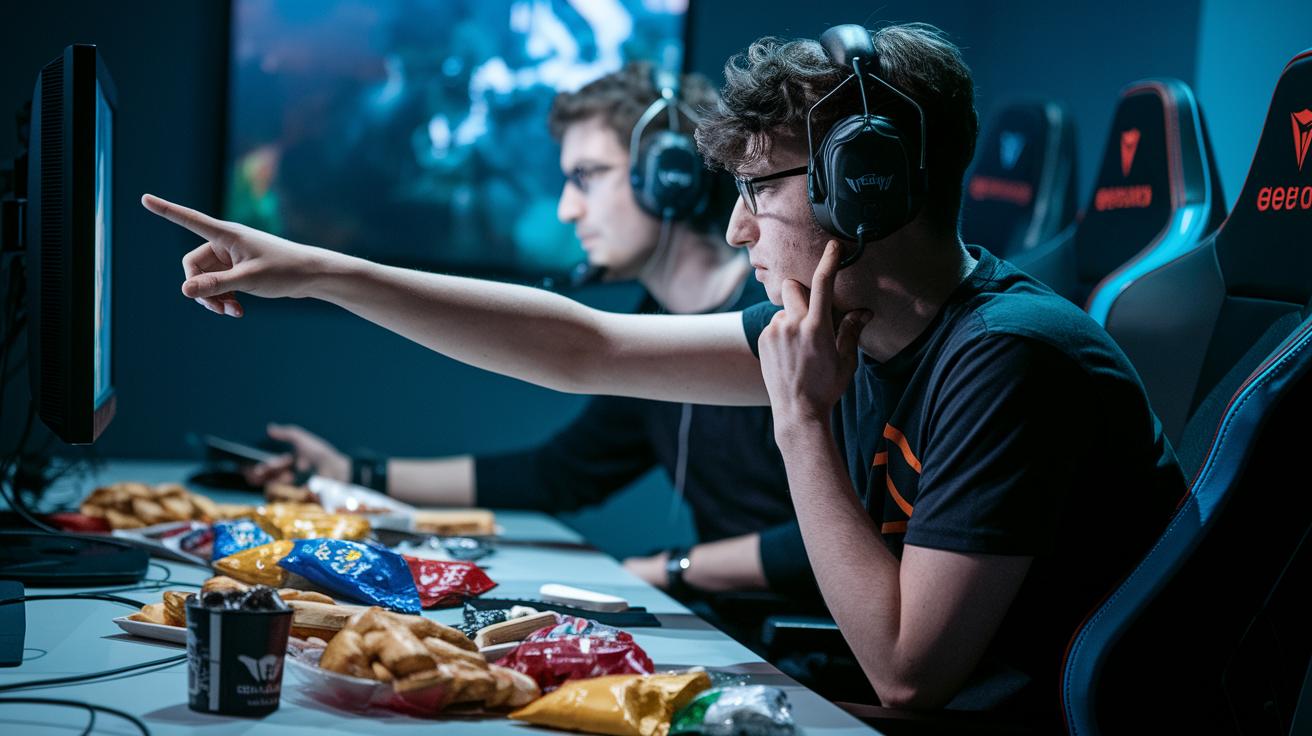
Ever wonder if a split-second decision could be your secret weapon? Competitive gaming means you need fast reflexes and clever planning. Drills that build muscle memory and smart use of your limited resources can turn a good game into something unbeatable.
In real match conditions, you’re put to the test, just like landing that perfect combo in your favorite title. You feel that rush when everything clicks, right? This post breaks down how training under pressure and focusing on your core skills can really level up your game and boost your performance.
Core Competitive Gaming Tactics for Peak Performance
Competitive gaming means training hard and knowing how to change your game on the fly. Pro players practice under real match conditions so they can rely on steady play and pull off those exciting clutch moves when it matters most.
Focusing on a few key skills can really boost your game. Think of it like practicing a well-timed combo in your favorite title. Drills that work on specific parts of the game, like using just the last few builds to train under pressure, help you get sharper with your decisions.
- consistency training: sticking to regular routines that build muscle memory and mimic real match scenarios.
- resource management: practicing with a limited stock, such as using just the last 100 resources, to learn how to build efficiently.
- precision decision-making: slowing down in crucial moments to avoid mistakes, like a 1v2 loss from missing an edit.
- stress-driven drills: doing controlled exercises under pressure to feel the intensity of a real tournament.
- meta-awareness: staying up-to-date with game strategies and opponent tactics to always be one step ahead.
Mixing these tactics builds a strong foundation for peak performance. When players combine regular training with quick thinking and smart resource use, the results show in impressive tournament finishes. It’s all about embracing those tough drills and keeping an eye on new game trends to grow and level up your play.
Pre-Game Planning Systems in Competitive Gaming Tactics
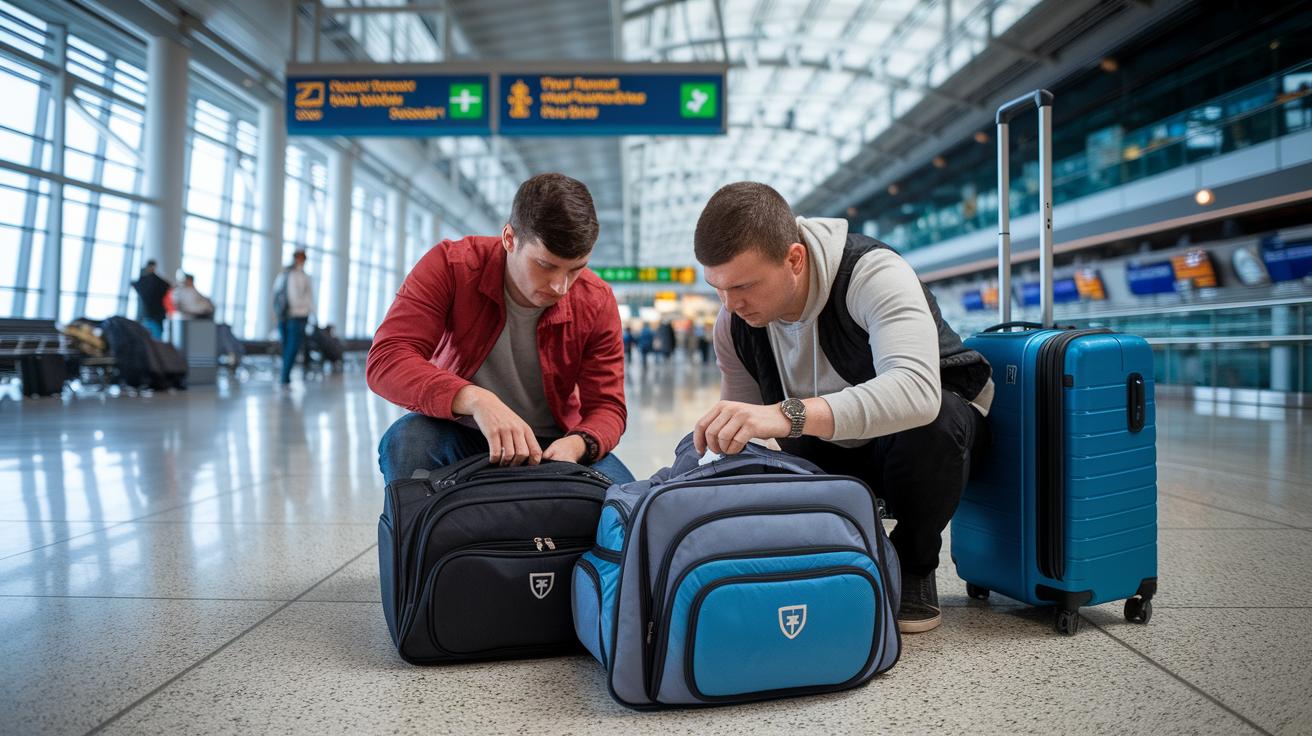
Travel Logistics
Tournament veterans know the secret: get there early. They plan to arrive at least 15 minutes before registration, which helps shake off last-minute nerves and leaves room to fix any unexpected hiccups. Smart players even set aside a little extra cash in case of surprise expenses. When they fly, they stick to carry-on bags to speed things up and dodge long waits at baggage claim. Choosing a nearby place to stay means less travel time and more rest before the game. Imagine walking into the arena relaxed and fired up for the match.
Tournament-Condition Practice
Practicing under real tournament conditions is a game changer. Gamers set up sessions that follow the same rules they’ll face in the competition, whether it’s a four-stock match in Smash Bros. or using team formats in Pokémon events. This way, every drill feels just like the real deal. They also pay attention to the playing conditions, checking weather records and short-term forecasts to stay comfortable during the match. Training this way makes the jump to competition feel smoother and builds the confidence needed to perform at your best.
In-Match Adaptation Skills in Competitive Gaming Tactics
When a game heats up, just a split second can turn a near miss into an epic win. Pro gamers scramble through daily scrims to fine-tune their ability to change tactics on the fly. They learn to read the game as it unfolds, knowing exactly when to switch things up.
Adapting on the spot means making quick moves. Picture this: you notice an opponent keeps using the same move, and you counter it in seconds. That’s the essence of rapid tactical response. Every click counts, and players must decide fast whether to charge ahead or hold back for a safer play.
They often practice in intense, high-pressure scenarios where every moment counts. Custom match drills let them experience evolving game conditions where one mistake could be a game changer. This hands-on training sharpens their skills, keeping them unpredictable no matter what the enemy throws at them.
In those critical moments, end-game precision is everything. Pros spend countless hours perfecting their builds and nailing that clutch shot, so every decision during the heat of the game is calculated and precise. This not only builds confidence but also hones their ability to pivot quickly when it matters most.
Team Coordination Methods in Competitive Gaming Tactics
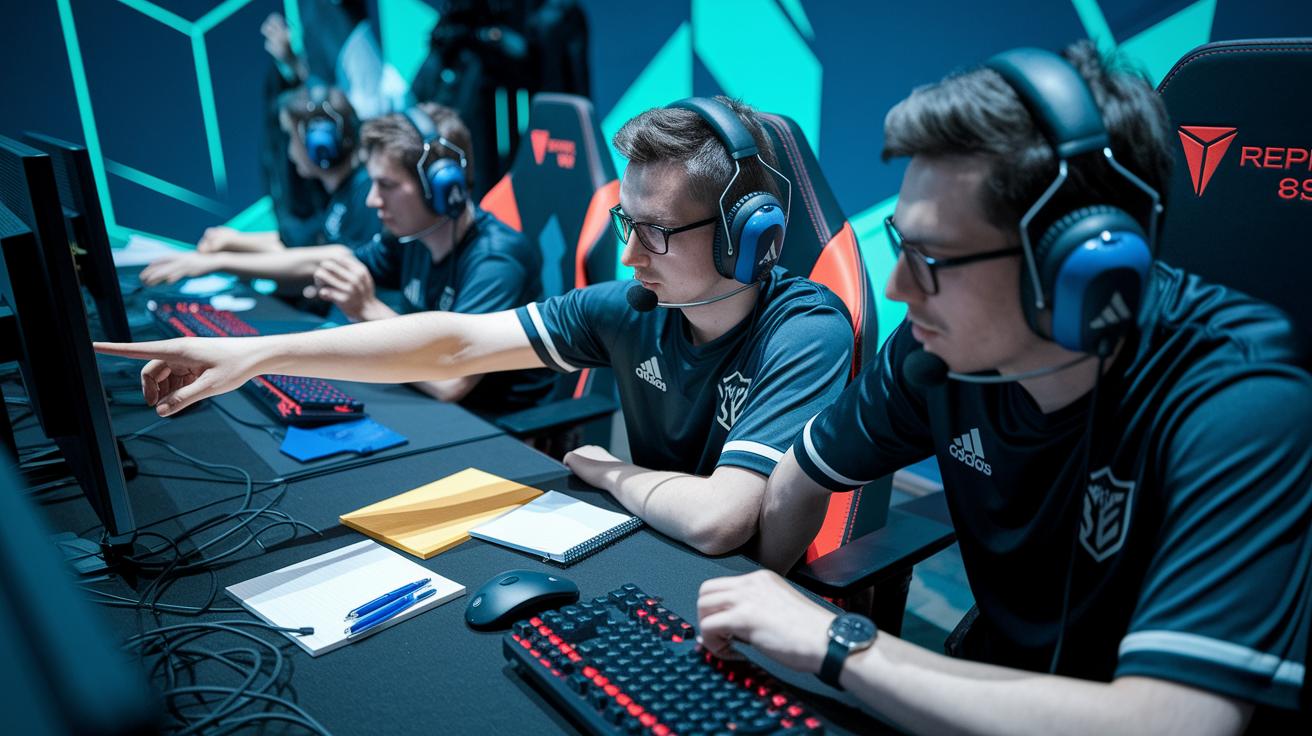
Winning teams know that clear signals and defined roles make all the difference. Top FPS squads run daily voice sessions and catch up after scrimmages so everyone stays in sync. Regular drills like timed rotations and coordinated push sequences help players get into a natural flow. The result? Each player can react quickly, dodge confusion, and pull off plays smoothly when the pressure is on.
Communication Protocols
Communication is the heart of teamwork. Teams stick to short, clear call-outs, like "Entry now!" or "Switch to support!", to keep things simple. They also set a priority order for signals so that the most urgent messages always come through. It’s less about chatting and more about having disciplined communication that stops mixed-up instructions during critical moments.
Role-Specific Strategies
Giving each player a specific role keeps the game moving smoothly. One might take charge as the entry fragger, while another covers support. Sometimes, a dedicated navigator watches the minimap, alerting the team to enemy movements. When every member knows their part, it boosts individual performance and tightens overall coordination. Regular drills lock these roles in, so when the match heats up, the team transforms into a powerhouse ready for anything.
High-Performance Mindset and Mental Resilience Training in Competitive Gaming Tactics
Every top gamer knows that a strong mind is just as important as rapid reflexes. They often give each gameplay session a quick rating to figure out what needs work. They celebrate tiny wins and learn from every misstep, turning a setback into a stepping stone. Ever thought, "That glitch only makes me sharper for the next round"? That kind of self-check builds a mindset ready to take on any challenge.
Staying cool under pressure is key. Many gamers rely on simple breathing techniques during those nail-biting moments to slow things down and clear their minds. They stick to steady sleep habits and munch on protein-packed snacks so their bodies and minds are in top shape. Think of your brain as your best weapon, tune it up before each match.
All of these habits combine to form a resilient, competitive mindset. Regular self-assessments and smart stress fixes keep players focused and prepared to shine when the game is on the line.
Post-Match Analysis and Strategic Feedback Loops for Competitive Gaming Tactics
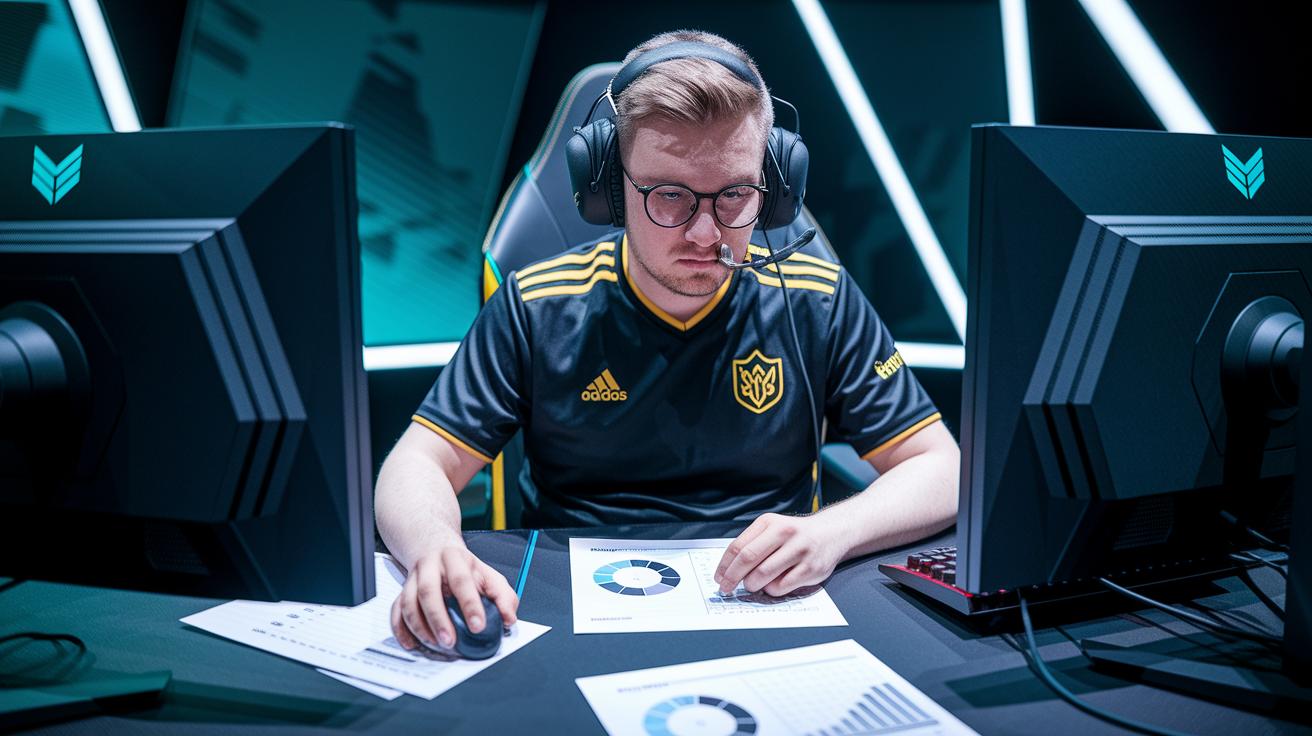
After every match, top gamers sit down with replays, looking for those epic moments and even the mishaps that cost them the win. They break down every play to spot where decisions could be sharper. Every mistake is a lesson for the next round. For instance, a missed clutch shot might just spark a new tactic for future games.
Some seasoned teams also dive into old tournament footage to understand their opponents better. They pick up on little trends and adjust their strategies along the way. They keep an eye out for repeating patterns in enemy play, which helps them stay one step ahead, even if the game unexpectedly changes.
| Metric | Purpose |
|---|---|
| Scrim win rates | Shows how well the team performs in practice matches |
| Average materials used | Checks how smoothly resources are managed during key moments |
| Clutch conversion percentages | Measures the ability to win in high-pressure situations |
| Opponent strategy shifts | Keeps track of changes in competitors’ tactics to shape future plans |
By mixing replay insights with performance data, players create a cycle of constant improvement. They review each part of the match, tweaking their strategies based on what worked and what didn’t. This approach pushes them to change drills, adjust in-game roles, and test new moves during scrims. By matching solid data with emerging trends, teams gradually sharpen their competitive edge. The end game is a custom playbook that evolves with the team and adapts as the tournament scene shifts.
Final Words
In the action, we broke down core competitive gaming tactics that boost your performance. We covered pre-game planning, in-match adaptation, team coordination, mental focus, and post-match analysis to fine-tune your play. Each section detailed methods to level up your strategic approach, making you more confident in advanced moves and technical setups. With these competitive gaming tactics at your disposal, you're set to sharpen your gameplay and smooth out your streaming sessions. Keep pushing forward and enjoy every win as you rise to the next level.