
Ever noticed how some players shoot up the ranks like they're on turbo speed? They set small, clear goals and practice like they're in a true tournament. Treating each match like a high-score challenge makes boosting your skills part of the fun.
In this post, you'll learn how keeping your targets simple, practicing under match-like pressure, and learning from the best can really level up your game. Ready to turn every play into a chance to grow? Let's jump in and get that win!
competitive play improvement methods: Boost Your Game
Clear, set goals act just like your in-game objectives. They help you stay focused and show you exactly what to improve. When you set simple targets, like boosting your MMR by 500 points in four weeks or learning two new hero roles, you give every practice session a purpose. It’s a lot like aiming for a high score at your favorite arcade; you know what you’re reaching for and can track your progress. Every match then turns into a chance to level up your skills.
It’s essential to match your practice routines to how tournaments really work. When you play under conditions that mirror competitive events, say, playing Smash Bros with 4 stocks and an 8-minute timer or practicing Pokémon with open team sheets, you start feeling the same pressure as at a tournament. This method trains you to think fast and make smart decisions, just like a pro ready for any twist the game might throw your way.
Staying sharp means always learning from the pros. Keeping up with last season’s meta updates and studying top players’ tactics can give you fresh ideas to improve your gameplay. You might pick up a smart positioning move in a clutch moment and decide to try it out yourself. This continuous learning and adaptation help you maintain an edge over your competitors every time you jump into a match.
Designing Effective Training Routines for Competitive Play
Block-based training is a total game changer. Instead of wandering around aimlessly, try breaking your session into focused 90-minute blocks. Start with 20 minutes of drills to sharpen your aim and movement. Then, jump into 30 minutes of live matches to soak in that real-game action. Finally, spend 40 minutes reviewing your gameplay to see where you can improve. It’s like having a solid game plan where every minute really counts.
Mixing up who you play against is super important too. Battling players about 50% above your level pushes you to adapt and pick up tougher tactics. Spending 30% of your time with players at your own level lets you fine-tune the skills you already have. And playing against lower-ranked opponents for the remaining 20% gives you a chance to experiment without too much pressure. Ever feel that by taking on bigger challenges, your everyday game just naturally levels up?
Tools like Aim Lab or KovaaK’s are awesome for daily reaction and crosshair drills. They let you jump into fast-paced scenarios, like a series of quick flick-shot challenges, to keep your mechanical skills razor-sharp for every match.
Mastering In-Game Decision-Making for Competitive Improvement
Decision trees and checklists turn those split-second moments into clear steps. They help you make fast decisions during heated matches. For example, when you come face-to-face with an opponent, you might think, "If they rush, then fall back; if they guard, then push forward." This approach cuts down on second-guessing so you can stick to your game plan. Before each move, ask yourself, "Is my back safe? Do I have enough resources?" These quick checks help keep things under control when every moment counts.
Managing your resources might be the game-changer between a win and a loss. Imagine you're deep in Fortnite with only 100 materials to work with. Using them smartly, like building a safe spot or taking a high ground, can really shift the momentum. A good rule of thumb is to save about 30% of your resources for surprise encounters. When you treat your supplies as precious and plan their use, you open up chances to hit those key spots. Fast, smart resource moves boost both your defense and your attack.
In clutch moments, taking a beat to slow down your thoughts can be a real game-winning trick. Focus on one task at a time to keep your head clear when the pressure builds. If you face several threats, pause and check out each enemy one by one. Think, "Step 1: Spot the biggest threat. Step 2: React to it." This method helps your brain work through chaos in a calm, steady way, reducing mistakes and upping your game when it matters most.
Boosting Reaction and Focus with Competitive Play Drills
Quick reflexes and staying sharp are what win games. When you train, you’re working your brain and your hands at the same time. Think of it like a rapid flick-shot drill where every move is a split-second call, just like pulling off a clutch play when the pressure’s on. These drills are the heart of getting better in competitive play, pushing you to react fast and keep your focus even when things get wild.
Set aside five minutes for some high-intensity flick-shot practice in Aim Lab. You’ll see targets popping up at different distances, really waking you up. Then, take a relaxed 10-minute break for a concentration session using a Pomodoro style, just imagine pushing past the tiredness as if every second really does matter, like those edge-of-your-seat moments in a big tournament. Next, mix it up with timed scenario drills where you must act in two seconds. This helps you make snap decisions without getting stuck overthinking.
Practice like this on the regular, and those lightning-fast responses become second nature. When it’s game time, you’ll be dodging, countering, and striking so instinctively, it almost feels like your moves come from pure gut reaction.
Analytical Gameplay Reviews for Competitive Improvement
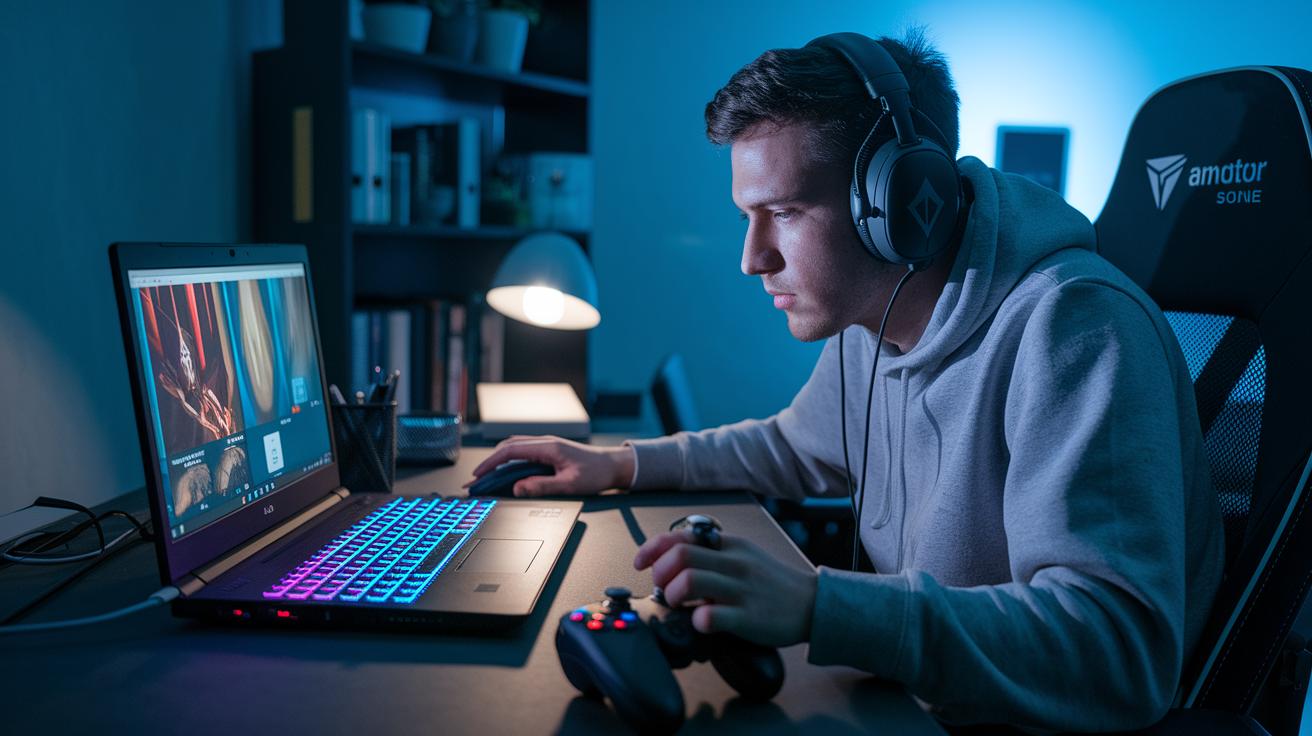
Recording your gameplay is a great way to check your skills without any bias. You can use tools like NVIDIA Shadowplay or built-in capture features to capture every action without breaking your flow. Watching the recorded match lets you see what really went down during those heated moments and helps you catch mistakes you might miss in the middle of the action.
Keep an eye on these areas:
- Tilt
- Positioning
- Resource mismanagement
- Timing
- Awareness
After finishing a match, take a few minutes to watch your footage and jot down notes on these error areas. Mark the exact time when mistakes happen so you can see where your strategy needs to change. Working on one error at a time not only cuts down on misplays but also boosts your ranking over time. When you keep improving in these areas, your gameplay feels smoother and more competitive. For more ideas on tracking your progress, check out the tips to climb gaming leaderboards to see how your improvements stack up against key performance metrics.
Cultivating Mental Toughness and Consistency in Competitive Play

Staying cool under pressure is the name of the game. When matches get tough, mental toughness means keeping your focus and bouncing back even after a rough round. Imagine a gamer who, after a challenging match, scribbles down three clear steps, perhaps changing up their strategy, drilling a specific skill, and managing emotions, to turn that setback into a winning comeback.
Journaling can really help here. Right after you finish a session, note what went off track and list three simple things to try next time. And don’t forget to rest right: try to get eight hours of sleep every night and take a quick two-minute break every hour. These habits keep your mind sharp and your body in top shape, so you stick around for the long game.
Tracking your progress is just as important. Set aside time each week to check your stats, like your win rate, how long your matches last, or how often you make mistakes. This way, you can easily spot what’s working and what needs a little extra practice. In the end, this steady and smart approach builds your mental strength and steadily boosts your competitive edge.
Final Words
In the action, we broke down setting clear, time-bound goals, mimicking tournament setups in practice, and refining in-game decision-making. You learned how to use reaction drills and analytical reviews to track and fix errors. We also touched on building mental toughness for steady play. These competitive play improvement methods make your grind practical and fun. Keep grinding, stay focused, and enjoy every game, you’ve got what it takes to level up your play and impress your peers.
FAQ
FAQ
What are the core pillars for competitive play improvement?
The core pillars include setting clear, time-bound goals, training in realistic, tournament-like conditions, and adapting your gameplay by studying pro strategies and meta updates.
How do clear, measurable goals boost competitive play improvement?
Setting measurable goals, like raising your MMR by 500 points in four weeks, provides a clear target and a way to track progress, which helps keep your training focused and driven.
How does a block-based training routine improve competitive gaming performance?
Block-based routines, with dedicated segments for drills, live matches, and reviews, help you work on specific skills and adapt to varied opponents, leading to overall performance growth.
How do in-game decision frameworks aid competitive play improvement?
Using decision frameworks, such as if-then trees, streamlines split-second choices under pressure, allowing you to manage resources and high-stakes scenarios more effectively during matches.
What drills can help boost reaction speed and focus?
Reaction drills like 5-minute flick-shot sessions in Aim Lab and timed decision exercises train rapid responses and sharpen focus, preparing you for fast-paced, competitive matches.
How does reviewing recorded gameplay contribute to error reduction in competitive play?
Recording and reviewing gameplay with timestamped mistakes helps you pinpoint errors in positioning, timing, and resource use, which guides improvements and ultimately boosts your ranking.
How is mental toughness developed for long-term competitive play improvement?
Cultivating mental toughness through journaling setbacks, tracking key performance metrics, and following disciplined rest cycles builds consistency and resilience in competitive gaming.