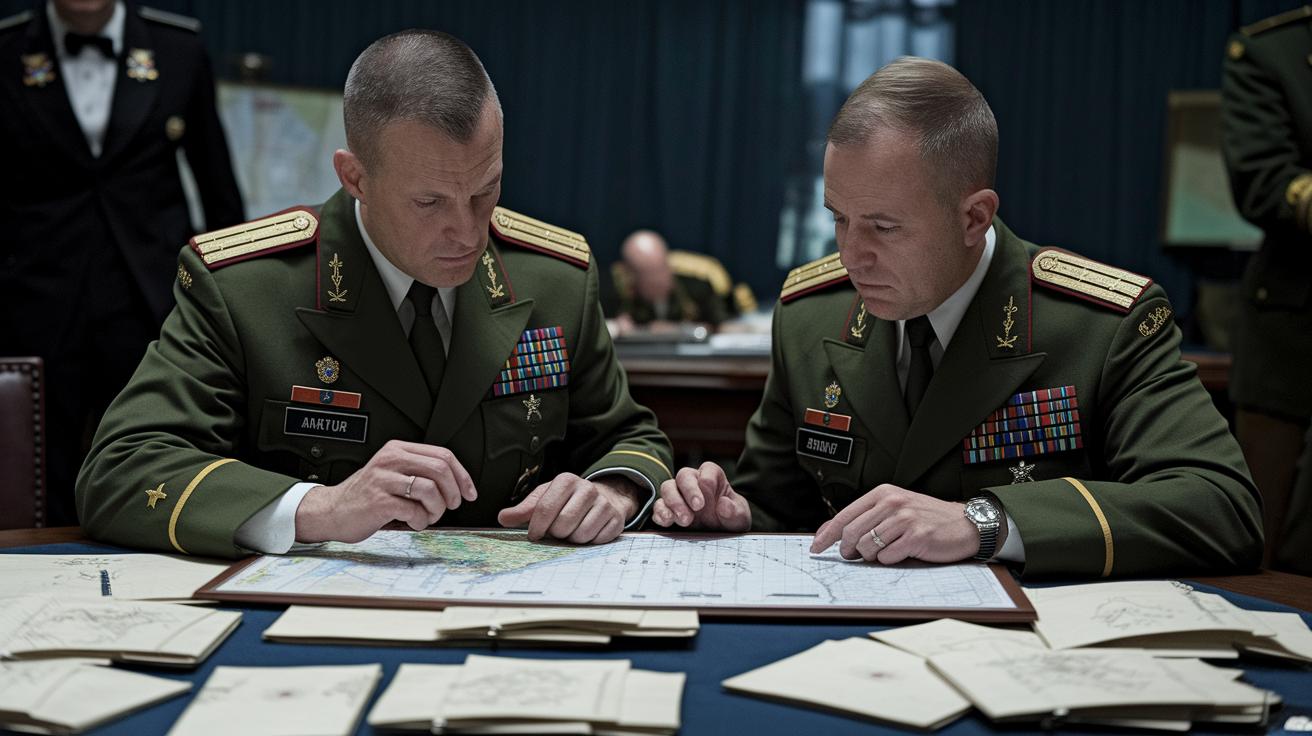
Ever wonder if old-school battle plans can beat today’s rivals? It turns out that mixing time-tested military ideas with clever business moves is a lot like pulling off a secret play in your favorite game. In this post, we explore four key moves that help companies hold their ground, launch quick strikes, and even avoid pitfalls by catching competitors off guard. Bold moves can change the game and turn tough challenges into wins, proving that a smart plan is the ultimate power play.
Competitive War Strategies Explained
Competitive war strategies mix old-school military ideas with modern business smarts. They borrow tips from Sun Tzu's Art of War, showing us how to win smartly without always having to face off head-on. Think of it like a company keeping their moves secret, kind of like how Apple drops surprise product announcements to keep competitors guessing.
There are four main moves in today's game. Defensive strategies help big brands protect their ground, much like a castle keeps its treasures safe. Offensive strategies push challengers to take big risks, sort of like launching a sudden attack in a game. Guerilla tactics work for smaller teams that need to stay nimble, relying on clever surprises and fast thinking. And then there are flanking strategies, where companies sneak into less crowded areas of the market to shake things up.
Game theory pops up when companies weigh risk and reward, kind of like planning your next move in an intense match. They use data to map out where rivals might be weak. Imagine Netflix timing a release just right to catch competitors off guard, an unexpected play that shifts the game.
In short, blending classic battle plans with modern market moves creates a powerful strategy. This isn’t just theory, it’s shown in real-world examples of companies that know how to outthink and outplay their competition.
Historical Competitive War Strategies in Practice

Back in the day, Sun Tzu showed us that smart thinking and quick, unexpected strikes could win wars. Imagine a general pulling off a surprise move, kind of like saying, "knowing your enemy is half the battle", so he doesn't have to face them head-on. It’s like pulling off a sneaky trick during a heated match.
Then there's Napoleon in the 1800s. He wasn’t about slow plays. Instead, he moved his forces fast, hitting hard before his opponents could react. His rapid maneuvers left enemy lines in total chaos, much like catching your rival off guard in a last-minute play.
World War II also brings some cool insights. The German blitzkrieg used coordinated air and land attacks to overwhelm defenses in no time. At the same time, the Allies spun clever deception plans like Operation Bodyguard that tricked opponents about their real targets. These moves show us that a good game plan can force an unprepared foe into a scramble, totally shifting the balance of the fight.
For instance, think about how Napoleon’s fast, calculated moves could instantly turn the battle in his favor. This mix of brainpower, speed, and a bit of misdirection still helps shape competitive strategies today, reminding us that a smart, decisive play can totally change the game.
Enemy Analysis Framework in Competitive War Strategies
This framework mixes old-school wisdom from Sun Tzu with today’s smart tools. It all starts by breaking things down into five key parts: moral law, heaven, earth, command, and discipline. Think of it like checking out a competitor’s streaming vibe before you set up your own event. Ever wondered what really drives your rival’s crowd? That answer can show you hidden strengths, much like understanding why people follow a certain streamer.
Next up, you move into deep competitor profiling. Instead of just guessing, you can use tools like SWOT analysis and even AI to get a game-changing edge. Here’s a simple breakdown:
| Step | Description |
|---|---|
| Identify Strengths | Look for what they do best in marketing and community vibes |
| Spot Weaknesses | Notice where they miss chances or drop the ball with content |
| Find Opportunities | Use live data trends to see potential for growth |
| Mark Risks | Pinpoint moments that could flip their advantage to your favor |
Then, the risk part comes into play. You work it out by thinking about how others are involved and what might tip the scales in a match. Picture it like mapping out your rival’s online moves, checking when their strategy seems to drop off, and planning your counterattack. These details help build a playbook that’s ready for action.
Finally, merging classic game plans with modern digital insights gives you a strong, flexible strategy. This way, you can set clear targets, predict when things might change, and adjust on the fly. It’s like turning all that gathered intel into an epic win on the field.
Combat Simulation Planning for Competitive War Strategies

Simulation planning turns game theory into real action on the field. War games help you practice making snap decisions, just like those nail-biting moments in an online match where every move could mean victory or defeat. Imagine sitting through a war game session and quickly mapping out your strategy, similar to planning a surprise attack with your friends online.
Tabletop drills are like gathering your squad around the map before a big tournament. They let you work on logistics and team coordination. Each drill shows you where communication might falter or resources might run short, so you can tweak your plan in a safe setting.
Computerized simulations let you run through many different scenarios, much like replaying a favorite level until you nail every move. These digital sessions boost your planning skills by letting you practice managing resources and handling unexpected challenges in realistic game-like conditions.
By mixing war games, tabletop drills, and computerized simulations, you build a training ground that feels as real as a competitive match. This approach turns abstract ideas into solid, battle-tested routines that give you the confidence you need, whether you're on the battlefield or tackling a high-stakes challenge.
Adapting Competitive War Strategies in Modern Market Warfare
Companies are playing a smarter game by building on tried and true methods we’ve mentioned before. They switch prices quickly and make digital moves that use real-time data instead of dragging out long price battles. Think of it like Amazon launching a surprise sale that throws competitors off, kind of like pulling off a perfect double-tap in your favorite shooter.
Netflix drops new shows at just the right moment, and Apple keeps its supply chain under wraps to keep rivals guessing. These clever tactics use gentle price tweaks and online promos that fit together in one smooth strategy.
Businesses now react to fresh data to instantly adjust their plans. Small changes make a big difference, helping them score market wins and stay ahead of their competition.
Final Words
In the action, we broke down competitive war strategies to boost both gameplay and streaming performance. We covered classic military principles, enemy analysis frameworks, and simulation plans that mirror real market contests. Each piece ties back to dynamic tactics that help you adjust on the fly, much like updating your game plan during a tense match. Experiment with these ideas, fine-tune your approach, and watch how your performance and strategic insights steadily improve. Stay sharp and keep leveling up!
FAQ
What do competitive war strategies in WW1 and WW2 showcase?
The competitive war strategies in WW1 and WW2 demonstrate tactics such as trench warfare, blitzkrieg, and deception campaigns. These historical approaches offer clear lessons in timing, movement, and quick adaptations.
What competitive war strategies were used in 2022 and are regarded as the best?
The competitive war strategies from 2022 emphasize aggressive market moves, rapid adjustments, and smart positioning. They blend traditional military insights with modern simulation tools to create a real-time tactical advantage.
Where can I find competitive war strategies or military strategy and tactics PDFs?
The competitive war strategies and military tactics PDFs offer detailed layouts of historical campaigns and current business applications. These documents serve as handy guides for anyone studying proven methods for smart, competitive moves.
What are some basic military strategies and examples of competitive tactics?
The basic military strategies include offensive, defensive, flanking, guerrilla, and attrition methods. Examples such as Blitzkrieg and deceptive operations demonstrate key principles that have been adapted for modern competitive contests.
What are the main tactics or methods used in war?
The main war tactics focus on swift force maneuvering, surprise strikes, concentrated attacks, and rapid repositioning. These methods quickly disrupt enemy plans and are mirrored in competitive market contests today.