
Ever thought about how gaming consoles changed the way we play? Back in the day, we started with clunky machines, and now we’ve got powerful Generation Nine consoles that blow our minds. Gamers still remember the excitement of their first cartridge games, and they can’t help but get pumped when they see today’s super-fast tech.
This article takes you through the evolution of gaming systems, showing how each era pushed our skills and fired up our imaginations. It’s a story of growth, proving that gaming only gets more epic with time.
Console Generations Radiate Gaming Brilliance
For a long time, video game hardware started very simple and has grown into some really advanced machines, now even reaching Generation Nine. This timeline shows both the tech upgrades and the changes that gamers have felt over the years. Many players fondly remember their early gaming days. One fan once said, "I still remember the wonder of my first cartridge-based game; it felt like stepping into a new world." Moments like these remind us why this timeline matters, even as we debate where one era ends and another begins.
| Generation | Years Active | Key Feature |
|---|---|---|
| Generation One | 1970s-1980s | Single-Game Units |
| Generation Two | 1976–1983 | Cartridge-Based Systems |
| Generation Three | 1983–1987 | 8-Bit Revolution |
| Generation Four | 1987–1993 | 16-Bit Systems & Enhanced Audio |
| Generation Five | 1993–1999 | CD-ROM & 32/64-Bit Era |
| Generation Six | 1999–2006 | DVD & Online Beginnings |
| Generation Seven | 2005–2013 | HD Graphics & Digital Platforms |
| Generation Eight | 2012–Present | Hybrid Systems & Advanced Online Ecosystems |
| Generation Nine | 2020–? | Ultra-Fast Storage & Ray Tracing |
This gaming timeline is more than just a list of technical improvements. It weaves in the personal stories and feelings of gamers around the world. Conversations, filled with both excitement and a bit of skepticism about early consoles, show how we honor the past even as we look to the future. In truth, it brings together decades of awesome breakthroughs and changing player experiences into one neat story.
Console Generations – First Generation: Single-Game Units and Early Hardware
Back in the late 1970s and early 1980s, gaming consoles were just starting out. People experienced systems like the Magnavox Odyssey that had built-in games, no cartridges or disks needed. Imagine turning the device on and finding only one or two games available, it was like opening a tiny, mysterious treasure chest.
Designers worked with really basic hardware back then and had to make creative choices for graphics and sound. Some even tinkered with VHS-based systems and early development kits to show off what video game tech might become. Every pixel and beep had to matter, making it a time of bold experiments within strict limits.
Gamers still talk about that quirky, almost magical era. Even though the tech was simple, it sparked debates about what really made a video game system. Those early days set the stage for future consoles and continue to shape our memories of gaming history today.
Console Generations – Second Generation: Cartridge-Based Programmable Systems
From 1976 to 1983, Generation Two changed the game for home entertainment. Big names like the Atari 2600 and Intellivision let players swap out games easily using ROM cartridges. This meant you could switch games without being stuck with just one, turning everyday living rooms into fun, mini-arcades.
This new way of doing things also boosted graphics and sound quality. Developers jumped at the chance to create huge libraries filled with imaginative titles. With stronger hardware, games became richer and more engaging, drawing both old fans and newcomers in. Soon, consoles became a common sight in homes, defining a lively era in video gaming.
Even now, gamers and experts chat about how Generation Two set the stage for future innovations. The memory of swapping cartridges and watching tech evolve reminds everyone how this period shaped modern gaming.
Console Generations – Third Generation: The 8-Bit Revolution
Between 1983 and 1987, the 8-bit era totally changed how we play games at home. After the rough patch of the 1983 crash, consoles like the NES and Sega Master System came in and brought back the joy of gaming. People loved the smooth performance and cool designs that made playing video games feel fresh and exciting. Better graphics and easy-to-understand gameplay helped gamers trust home consoles all over again.
• Standard 8-bit CPU architecture
• Controller and interface standardization
• Explosion of third-party and first-party game libraries
Gamers really dug these improvements. The new control setups and richer graphics created a mix of new and familiar feels that got everyone hyped. This amazing comeback not only saved the market but also set the stage for the consoles we enjoy today. It’s a vivid reminder that the 8-bit revolution remains a key chapter in gaming history, influencing both retro milestones and modern systems.
Console Generations – Fourth Generation: 16-Bit Systems and Enhanced Audio
From 1987 to 1993, Generation Four really upped the game. Consoles like the Sega Genesis and Super Nintendo rocked 16-bit processors that brought brighter colors and smoother gameplay. Games looked sharper and ran faster, making every detail pop like never before. Developers got creative, building more detailed worlds that felt like real art.
Audio took a huge leap too. With improved sound chips and even early CD-ROM add-ons, games started to sound as good as they looked. Classics like Sonic the Hedgehog and Super Mario World cranked up the volume with cool soundtracks and crisp effects that pulled you right into the action.
This generation changed how we remember gaming. Its mix of snappy graphics and booming sound set the stage for everything that came after, leaving a lasting mark on gamers everywhere.
Console Generations – Fifth Generation: 32/64-Bit and the CD-ROM Transition
From 1993 to 1999, consoles like the Sony PlayStation, Sega Saturn, and Nintendo 64 burst onto the scene and flipped the gaming world on its head. Switching from cartridges to CD-ROMs unlocked tons of extra storage space, which let developers pack games with more levels, richer stories, and detailed graphics. This meant gamers could explore a much bigger variety of games without running into the old cartridge limits.
This was also the era when games started showing off early 3D graphics. Ever remember the first time you saw a game where characters popped out in 3D? That fresh look made each new angle a mini challenge, and the move to CDs allowed for intricately designed levels and more believable characters. It really set the stage for the immersive worlds we dive into today.
Big-time competition kicked off as console makers raced to outdo each other. Brands were constantly pushing for cooler designs and snappier graphics. This battle led to lively chats among gamers and critics about which features were most valuable, laying the groundwork for the cutting-edge strategies that shape our modern gaming experience.
Console Generations – Sixth Generation: DVD, Online Beginnings, and 3D Graphics
Generation Six was a game changer. Cartridges made way for DVDs, giving consoles like the PlayStation 2, Xbox, and Nintendo GameCube tons more storage space. This meant games could show off hours of cinematic storytelling, better sound, and longer play times, just imagine booting up a game that feels like watching a mini movie.
Online play started taking shape during this time too. Early multiplayer services let you connect with friends, swap strategies, and even compete over basic networks. The Xbox and GameCube even dipped their toes into online gaming, laying down the roots for today’s digital battlegrounds. It reminds you of setting up a weekend session where everyone jumps online to share victory cheers and tips.
Real-time 3D graphics really hit their stride with Generation Six. With smoother animations and richer visuals, games began to feel more real and engaging. Fans still chat about how much of a leap this was, and it’s easy to see why, this era set the stage for all the visual magic we enjoy now in gaming.
Console Generations – Seventh Generation: High-Definition Graphics and Digital Platforms
Between 2005 and 2013, consoles like the Xbox 360, PlayStation 3, and Wii gave gamers a serious visual boost. High-definition became the new norm, and every game burst with vibrant detail that felt as real as a live movie. Thanks to these hardware upgrades, each scene came alive with sharper images and smoother animations that really pulled you into the action.
These consoles also changed the game when it came to storing and buying titles. Built-in hard drives replaced those old external memory cards, making it easy to save huge files. Digital storefronts popped up too, letting you download games and updates straight to your console. This shift made it a breeze to snag the latest releases with just a click.
Streaming services and new control methods added even more excitement. Consoles started offering media streaming, so you could switch between gaming, watching movies, or listening to music without missing a beat. And with innovative motion controls, like on the Wii, interacting with games felt fresh and different. It just goes to show that combining crisp graphics with cool, new tech can completely change how we play.
Console Generations – Eighth Generation: Hybrid Platforms and Advanced Online Ecosystems
Generation Eight has been around since 2012 and keeps evolving. It changed console design by mixing home gaming with portable play. Think of it like swapping gear mid-match for that sudden burst of strategy.
The PlayStation 4, Xbox One, and Nintendo Switch are great examples. They come with a hybrid design that lets you play at home or on the go. It’s like switching loadouts during a heated match, smooth and full of options.
Subscription services and cloud features have totally changed how we play. You get full digital libraries, cross-buy options, and cloud saves that back up your progress on any device. Imagine starting a game at home and then hopping on the bus to finish it without missing a beat. It really gets gamers excited.
Even as the digital world shifts fast, Generation Eight holds its ground. Its blend of online services, smart designs, and hybrid capabilities sparks lively chats among both gamers and experts. Fans love that while new tech keeps emerging, the key traits of this era give it a steady identity. It remains a major chapter in gaming history, setting the stage for future consoles to push even further.
Console Generations – Ninth Generation: Current Innovations and Uncertain Trajectories
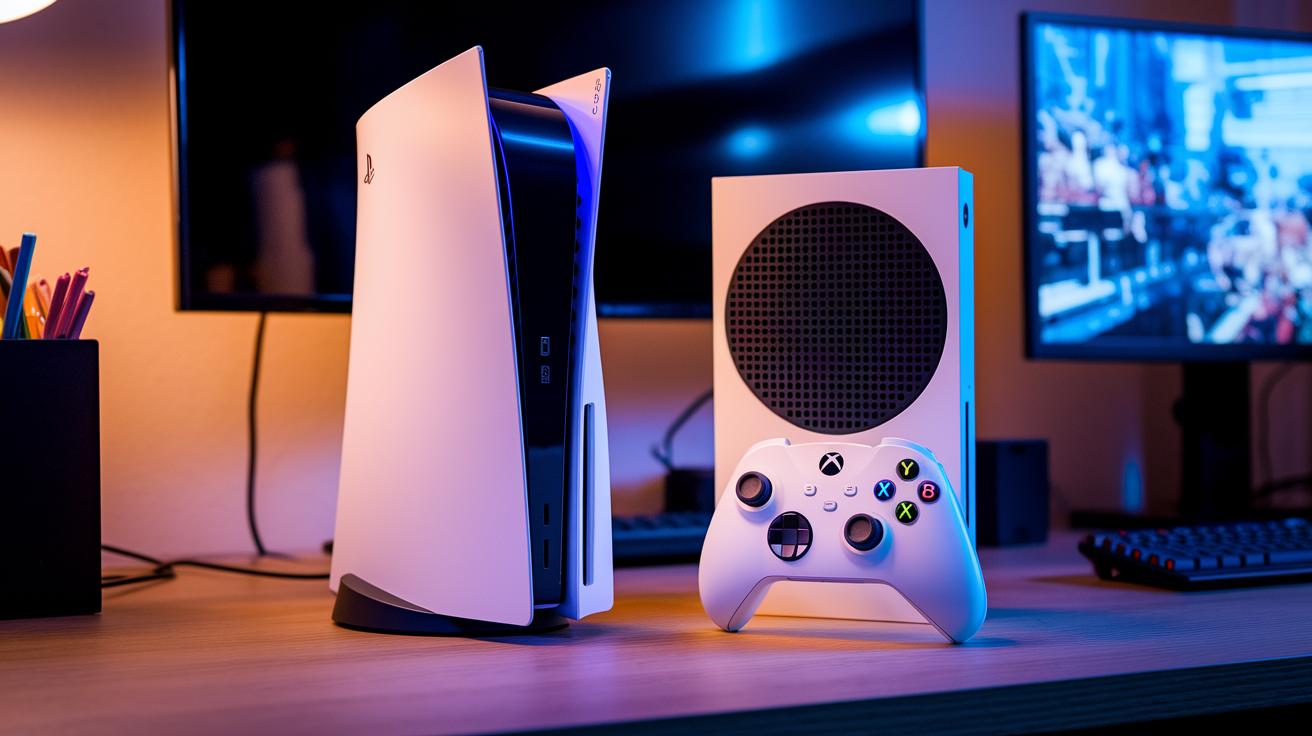
Generation Nine burst onto the scene in 2020, offering top-notch tech that changes how we play games. The big names, PlayStation 5 and Xbox Series X|S, bring super-fast SSDs that make load times almost vanish. They also pack hardware-driven ray tracing so game worlds feel real and vibrant. Early reviews were full of excitement over these upgrades, with lots of talk about backward compatibility and VR boosts. With native VR support and speedy online play, this generation not only shouts power but also makes us rethink what a console generation really means.
Here are some cool features:
• NVMe SSD for quick load times
• Hardware-accelerated ray tracing
• Broad backward compatibility
• Built-in VR headset support
• High-speed online play
Gamers continue to chat about whether these innovations mark a whole new era or just polish what we already knew. Many wonder if ultra-fast storage and immersive VR can completely change the game, or if it's just the next step in an ongoing evolution. The mix of excitement and healthy doubt keeps the conversation lively and ties in perfectly with our shared passion for gaming.
Final Words
In the action of gaming evolution, we highlighted a timeline that ranges from single-game units to cutting-edge systems with advanced online setups. We unpacked the milestones that have marked each console generation, showing how gameplay and hardware have grown over time. The framework of console generations remains a central part of gaming history. Embrace these milestones as inspiration to upgrade your battles and streaming sessions, every piece of tech innovation is a step toward an even smoother, competitive gaming experience.
FAQ
What are console generations?
Console generations refer to distinct eras marking major hardware and software shifts in gaming. They define differences from early single-game units to modern high-spec, online-connected systems.
How can I compare console generations using charts and timelines?
Console generations are often visualized with charts and timelines that align system launches, key features, and market trends, making it easy to grasp gaming history at a glance.
What are handheld console generations?
Handheld console generations outline portable devices’ evolution from basic, single-function units to sophisticated systems with network connectivity and advanced features.
What are the characteristics of 7th generation consoles?
The 7th generation consoles, like Xbox 360, PlayStation 3, and Wii, featured HD graphics, built-in storage, and digital downloads, radically changing the home gaming experience.
What are the key features of 8th generation consoles?
The 8th generation consoles, such as PlayStation 4, Xbox One, and Nintendo Switch, support hybrid designs, digital libraries, and subscription services, enhancing online play and connectivity.
What defines 9th generation consoles?
Modern 9th generation consoles, including PlayStation 5 and Xbox Series X|S, offer faster load times, ray tracing graphics, and broader backward compatibility, pushing current gaming to new heights.
Is there information about 10th generation consoles?
While 10th generation consoles remain speculative, discussions hint at future tech with advanced online integration and improved graphics that could reshape gaming systems.