
Ever wondered if a number could really show your gaming skills? CS2's new ranking system does more than just tally wins and losses. It breaks your rating into parts so you can see how you do on different maps and in various play styles.
Imagine being awesome on Dust II while still figuring out your approach on Inferno. This new setup makes it easy to track your progress and work on what you're best at.
Curious to see how these tweaks can help level up your game? Let's dive in.
cs2 ranking system: Elevate Your Game
CS2 now sports a fresh ranking system that leaves behind the old Global Offensive setup. It splits player ratings into two parts that work side by side to gauge your skills. In Competitive Mode, you'll see 18 map-specific ranks lined up in six tiers, from Silver I up to Global Elite. This means your skill on one map (like Dust II) might not match your performance on another (say, Inferno).
Premier Mode takes a different route by using an ELO-based CS Rating. You start at 1,000 and can climb past 30,000. Players are sorted into seven color-coded tiers: Gray, Light Blue, Blue, Purple, Pink, Red, and Yellow. For example, if you hover around a CS Rating of 10,000, you're playing at a level similar to Master Guardian II. Boost it over 20,000, and you're showing elite skills that remind folks of Global Elite.
To get your rank in either mode, you have to play 10 qualifying matches. Competitive Mode also requires you to hit level 10 on Steam, while Premier Mode asks for Prime status. Wins, losses, and details like positioning, aim, and game sense all count toward your rating, kind of like tuning up your gaming setup after every match.
cs2 ranking system Premier Mode explained

In Premier Mode, you kick off your CS Rating by playing 10 qualifying matches. These games set your starting score at 1,000, and your rating grows or drops based on win-loss results and how well you nail key skills like aiming, positioning, and overall game sense. The system, which is similar to the ELO method, can boost your score above 30,000, and it sorts players into seven tiers using colors: Gray, Light Blue, Blue, Purple, Pink, Red, and Yellow.
Every match is a fresh chance to fine-tune your tactics. Even tiny tweaks, like changing your spot on the map after a rough round, can really add up. For example, after an intense match, you might try shifting your stance and adjusting your way of holding the mouse. This helps you aim quicker and with more precision. Every win and loss turns into a lesson that eventually sharpens your overall game.
cs2 ranking system Competitive Mode deep dive
Competitive Mode in CS2 uses the same ranks as CS:GO but adds a twist. There are 18 different placements spread over six tiers. You have Silver from I to VI, Gold Nova from I to III, Master Guardian in two levels, Legendary Eagle in two forms, Supreme Master First Class, and finally Global Elite. This means you might get a different rank on one map than on another. For example, you might do great on a map that needs careful planning but not so well on a fast-paced one. This system really makes you work on specific map skills.
Every match you play affects your rank. A win lifts you up and a loss can drop you down a notch. The system uses a hidden ELO method that looks at both the overall team win and how you played during the match. Even small improvements like better positioning or using cover well can have an impact. With each game, you learn a bit more and adjust your strategy, like fixing a mistake you noticed in a previous round.
When it comes to picking teammates or forming a team, there are helpful guides out there. For instance, "Esports Ladder Matchmaking Explained" gives you tips on how the matchmaking works and how teams are formed. This way, every game you play counts as you make your way up the Competitive ranks.
Key factors influencing progression in the cs2 ranking system

Match results and your basic stats like kills, deaths, and assists are just part of the story. In Premier Mode and Competitive Mode, other details play a big role too. Whether you team up with a full party or hop into a match solo matters, and even the opponent's rank range, up to five ranks above or below you, adds extra layers to your progress.
I remember one time I queued solo against a full team, and the data showed that a boost in my kill rate really pushed my rating up noticeably. Using game analytics helps you see how all these factors mix together, so you can track your progress in ways that go beyond just the final score.
Tips to improve your rank in the cs2 ranking system
Spend time practicing on each map so you get to know every nook, spike spot, and enemy hangout. A lot of gamers say that learning every twist and turn helps you move better and catch foes off guard, just like tweaking your route on Dust II.
Talk more with your regular crew. Using set callouts and moving together can really boost your overall game sense. Try practicing these callouts in casual play to build real chemistry with your squad.
Watch your game replays after every match. They’re a great way to spot little mistakes like poor positioning or missed chances. You might even notice if you’re getting too aggressive in tight spots and need to adjust your timing.
Boost your aim by hitting training modes or deathmatch sessions. Small tweaks can lead to big wins. Focus on timing your shots and consider smart grenade throws to shake up enemy positions.
Mix map practice, teamwork, replay reviews, and regular aim drills with your core team to see real MMR gains.
cs2 ranking system vs. CS:GO: A comparison
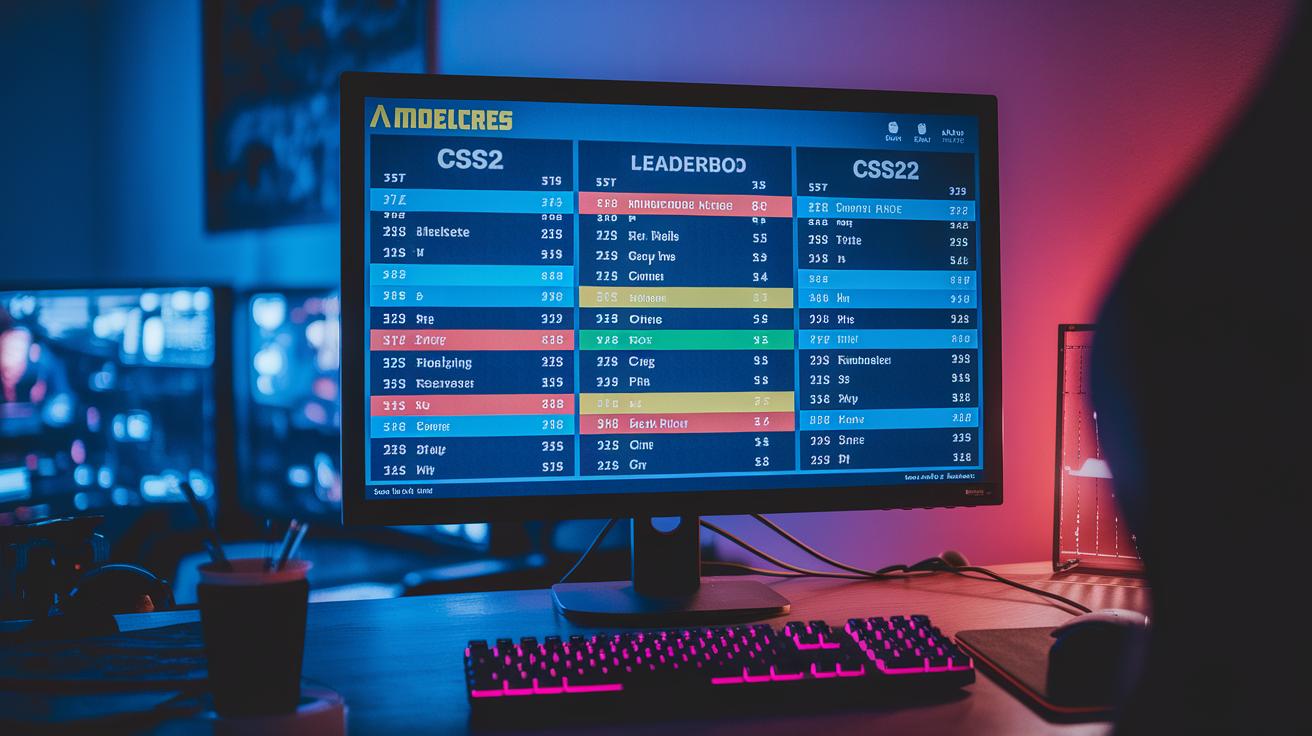
CS2 paves the way with a fresh rating system. Your score kicks off at 1,000 and can climb way past 30,000, so you see your progress as it happens. It breaks down your overall skill and your performance on specific maps, letting you know exactly where you shine. Gamers focusing on map work have seen their ratings jump up to 20% faster compared to using one combined score.
Matchmaking now sticks to pairing players within a tight five-rank range, making matches more even and fun.
Every season, the leaderboard resets and clear tier colors roll out, giving you new goals to hit and fresh challenges to tackle.
| Feature | CS:GO | CS2 |
|---|---|---|
| Rating Visibility | Hidden MMR | Visible CS Rating starting at 1,000 |
| Ranking System | Single, overall rank | Dual: map-specific and numerical overall |
| Matchmaking Range | Less defined | Fixed within a five-rank range |
Curious to dive deeper into how ladder dynamics affect your game? Check out Understanding Ladder Dynamics in Gaming at https://nerdladder.com?p=2689.
cs2 ranking system leaderboards and distribution insights
In Premier Mode, the leaderboards list the top 1,000 players in each region and refresh each season. This means you get a fresh look at how players rank both locally and globally. Imagine checking the board every few months and seeing names shuffled around based on current game performance, it really pushes you to keep improving.
When you dive into the numbers, you'll notice the median CS Rating hovers around 8,904. That puts a lot of players in the Light Blue tier since half of everyone falls below this score. On the flip side, about 17% of players, usually those with ratings under 5,000, end up in the Gray tier. And in Competitive Mode, only the top 0.7% of players make it to the Global Elite level.
This ranking system not only shows where you stand but also paints a clear picture of the overall trends in the CS2 community. With lively charts and detailed breakdowns, you can easily see what it takes to climb the ranks in this fast-paced, ever-changing competitive scene.
Frequently Asked Questions about the cs2 ranking system

-
What are some common misconceptions about the CS Rating system?
Lots of gamers think one awesome game can cancel out several losses. But really, your hidden rating is all about steady performance and teamwork over time. Think of it this way: a consistent climb usually beats one big, lucky play. -
How does hidden ELO differ when queuing solo versus with a party?
The system looks at both how well you play on your own and how you work with your team. When you queue with friends, it can smooth out the ups and downs, while playing solo shows off your individual skills. So, you might want to tweak your approach depending on how you’re playing. -
What strategies can boost performance on individual maps?
It helps to focus on key parts of the map, like chokepoints or where everyone tends to gather. For example, spending some time on de_inferno and nailing your positioning at crucial spots can really improve your map ranks. -
How should players approach season resets and leaderboard changes?
Season resets bring new challenges, and they’re a great chance to think about how you play. Stick to winning steadily and keep working with your teammates; over time, those small improvements add up to a big boost.
Final Words
In the action, we've seen how the cs2 ranking system changes gameplay with its dual-mode structure and map-specific ranks. The article walked through Premier and Competitive systems, explained how match results and performance shape your rank, and offered tips to boost your skills. It also compared CS2 to CS:GO and broke down leaderboard insights along with common questions. Keep practicing and refining your gameplay for a smoother, more competitive experience. Stay positive and keep pushing forward!
FAQ
Cs2 ranking system reddit
The cs2 ranking system discussed on Reddit highlights community insights on placement matches, performance metrics, and the evolution from CS:GO’s ranking model to CS2’s dual system.
CS2 ranks compared to csgo
The cs2 ranking system compares to CS:GO by keeping map-specific Competitive Mode ranks while adding a numerical Premier rating for more transparent performance evaluation.
CS2 ranks in order
The cs2 ranking order in Competitive Mode spans from Silver I to Global Elite, and in Premier Mode, it features an ELO rating displayed across seven color-coded tiers from Gray to Yellow.
CS2 level ranks
The cs2 level ranks indicate player progress through placement matches and performance stats, influencing matchmaking and rewards as you move through different stages of gameplay.
CS2 Premier ranks
The cs2 Premier ranking system starts with a 1,000 ELO and adjusts through wins, losses, and individual performance, placing you in one of the seven visible tiers from Gray to Yellow.
CS2 ranking leaderboard
The cs2 ranking leaderboard tracks top players regionally, showcasing Premier ratings and regional stats, with top percentages like Global Elite representing the highest performing players.
CS2 rank distribution
The cs2 rank distribution shows a median rating around 8,904 in the Light Blue tier, with roughly 17% of players in the lower Gray tier and the Global Elite marking the top players.
CS2 XP ranks
The cs2 XP ranks reflect your progress by combining match outcomes with individual in-game performance, including kills, positioning, and game sense, rewarding steady improvement over time.
How does the ranking system in CS2 work?
The cs2 ranking system operates with two modes: map-specific Competitive Mode and numerical Premier Mode, both using wins, losses, and performance metrics from placement matches to determine skill level.
Will CS2 have a new ranking system?
The cs2 ranking system is new compared to CS:GO, featuring dual modes with map-specific ranks in Competitive and a numerical ELO-based system in Premier for a more detailed performance look.
What is a good rank in CS2?
A good rank in CS2 varies by mode, but on Premier, ratings around 10,000 indicate upper-tier competitive play, while achieving Global Elite in Competitive Mode marks top-level skill.
What rank is 7500 Elo in CS2?
A 7500 Elo in cs2 suggests you’re in the lower to mid-tier range of Premier Mode, where many players progress past this point as they improve their overall game performance.