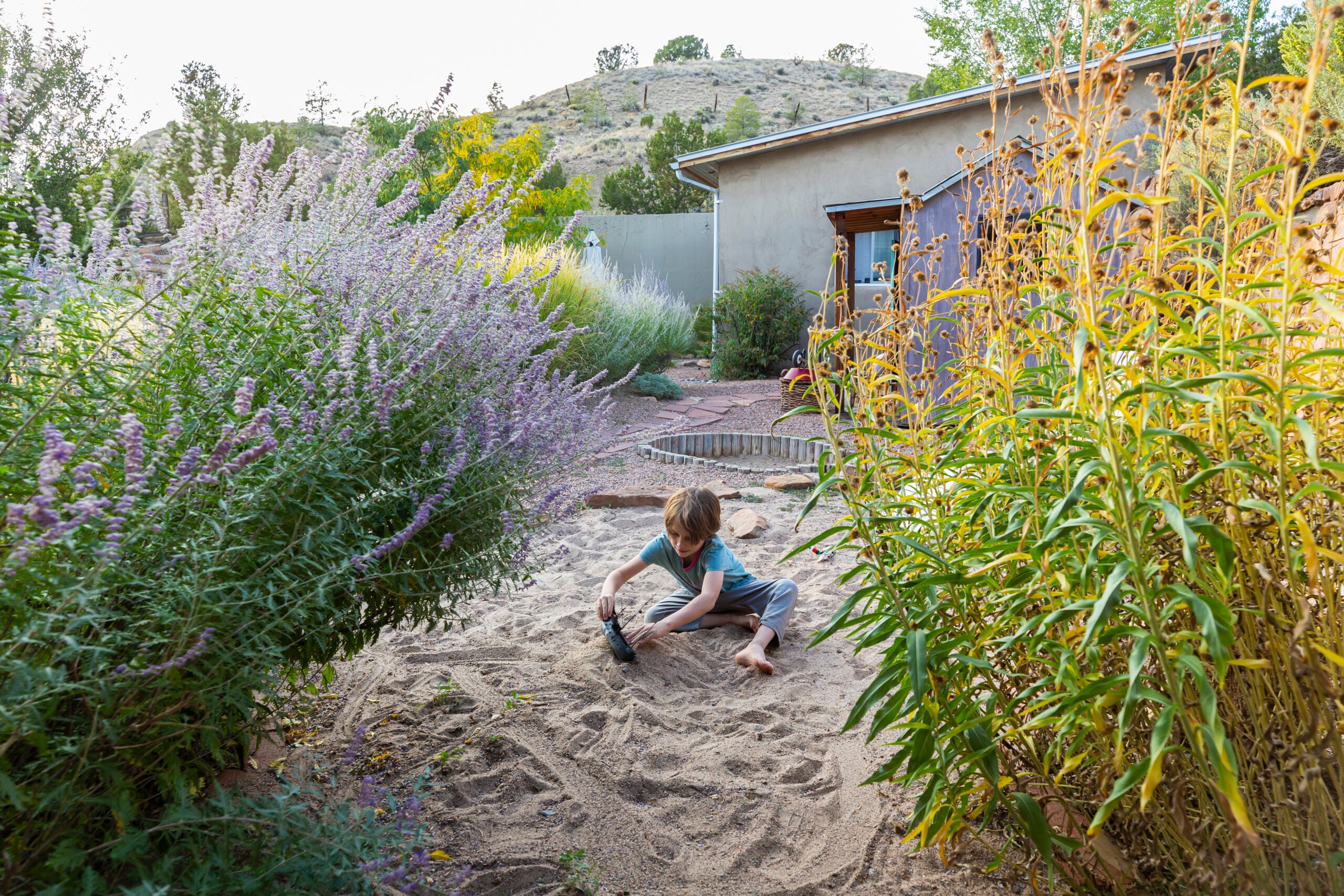
Water bills climbing. Grass turning brown. Watering restrictions hitting at the worst time. If any of this sounds familiar, it might be time to rethink your outdoor space — not as a compromise, but as an upgrade.
Drought-tolerant landscaping isn’t about letting your yard go wild. It’s about designing a landscape that thrives with less water, less maintenance, and a whole lot more resilience.
Start With the Right Plants
The foundation of any drought-tolerant yard is plant selection. Native plants are your best starting point. They’ve evolved alongside your local climate, which means they’re naturally adapted to regional rainfall patterns and soil conditions.
Beyond natives, consider succulents, ornamental grasses, lavender, sage, and yarrow. These plants are tough by nature. They store water efficiently, tolerate heat, and still deliver color and texture throughout the seasons. The goal is layering — ground covers, shrubs, and accent plants working together to create visual depth without demanding constant irrigation.
Replace or Reduce Your Lawn
Traditional turf is one of the biggest water users in a residential landscape. Reducing or replacing it can make a dramatic difference.
Some popular alternatives include:
- Clover lawns — soft underfoot, stays green with minimal water, and actually improves soil health
- Gravel or decomposed granite — clean, modern, and essentially zero maintenance
- Low-growing ground covers like creeping thyme or buffalo grass, which can handle light foot traffic
- Hardscaping — patios, stepping stones, and decorative rock that eliminate water needs altogether
You don’t have to rip everything out at once. Start with the areas that struggle most — the sunny strips, the sloped sections, the corners that always seem to dry out first.
Improve Your Soil
Great drought-tolerant landscaping starts underground. Amending your soil with compost improves its ability to retain moisture, which means your plants stay hydrated longer between watering sessions.
Mulch is equally important. A thick layer of organic mulch around your plants — wood chips, shredded bark, or straw — reduces evaporation, regulates soil temperature, and suppresses weeds that compete for water. It’s one of the simplest, most cost-effective upgrades you can make.
Water Smarter, Not More
Even drought-tolerant plants need some water, especially when they’re getting established. The key is efficiency.
Drip irrigation systems deliver water directly to the root zone, cutting down on evaporation and runoff. Pairing them with a smart timer or moisture sensor takes it a step further — your system only runs when the soil actually needs it.
Watering deeply but infrequently also encourages plants to develop deeper root systems, making them far more resilient during dry spells.
Design With Purpose
Drought-tolerant doesn’t mean stark or sparse. Thoughtful design can produce a yard that looks intentional, layered, and genuinely beautiful.
Group plants with similar water needs together — a technique called hydrozoning. This makes irrigation far more efficient and ensures that thirsty plants aren’t competing with drought-tolerant ones for the same resources.
Incorporate hardscape elements like boulders, raised beds, and dry creek beds to add structure and interest. These features handle heavy rainfall better, direct water where it’s needed, and reduce erosion.
The Payoff
A drought-tolerant landscape rewards you in multiple ways. Lower water bills. Less time mowing and maintaining. A yard that doesn’t turn into a liability every time summer hits hard.
More than that, it’s a landscape built to last — one that works with your environment rather than against it. That’s not a sacrifice. That’s just smart design.