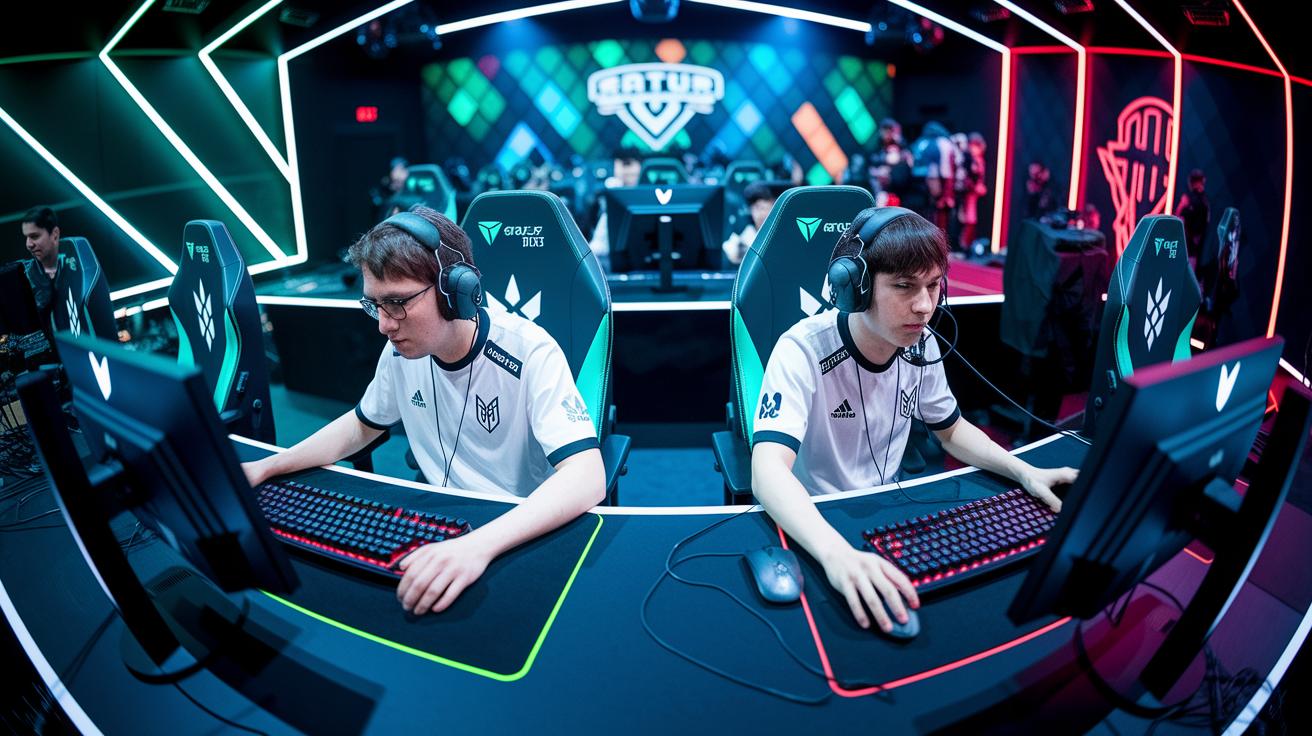
Ever thought about whether esports is just casual gaming or a full-blown tactical showdown? Esports is much more than simply playing for fun. It’s where every match turns into a strategic battle, from small arcade contests to tournaments with huge prize pools.
Numbers show this scene is growing fast. It’s a place where smart strategy mixes with skill to spark amazing wins. In this piece, we break down the main reasons why esports gets so intense and how every move can change the game completely.
Defining Esports Competitive Dynamics: Core Drivers and Market Signals
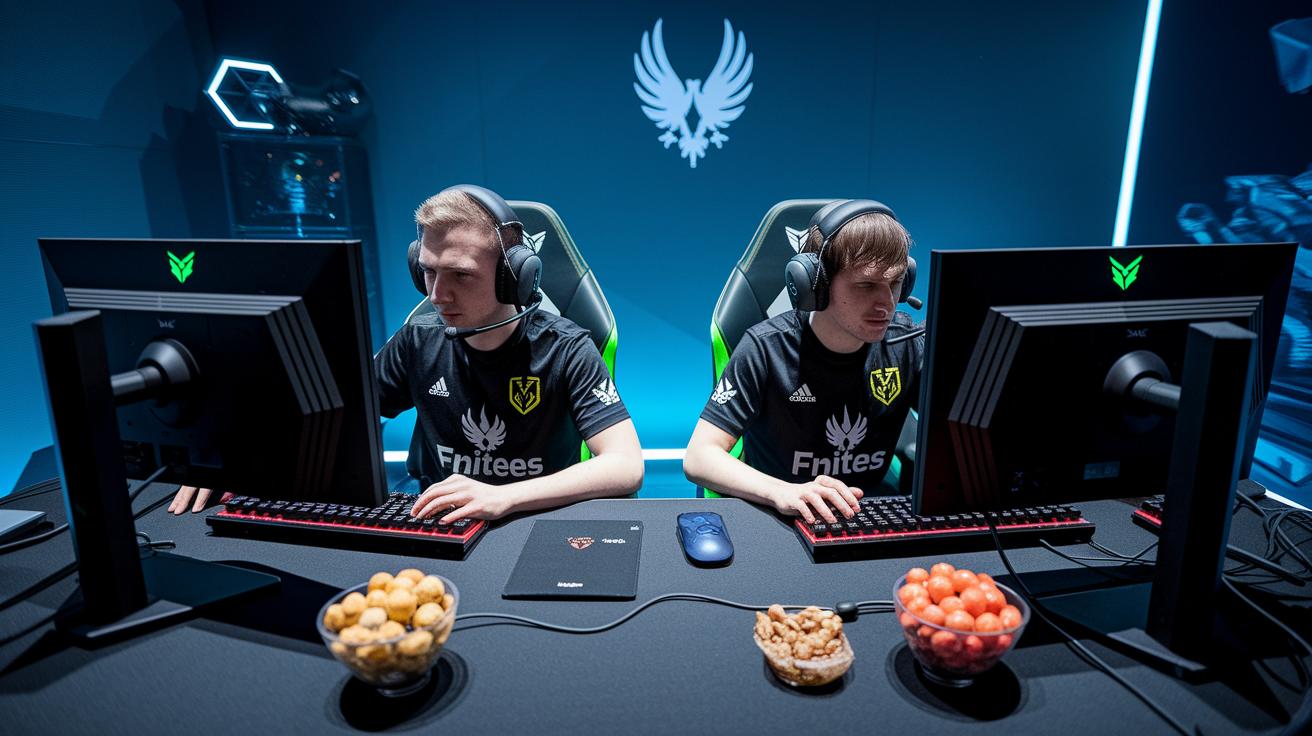
Esports began as small arcade contests in the 1980s and has grown into a massive billion-dollar industry. Think of it as moving from a casual backyard match to a packed stadium championship. Every tournament, game publisher, player, coach, organizer, and sponsor adds to the mix, creating a complex and vibrant scene. Revenue skyrocketed from $463 million in 2016 to $1 billion in 2019, a leap that shows just how dynamic things have become.
Audience growth has played a huge role in this boom. In 2018, esports events drew in about 380 million viewers worldwide, highlighting its wide appeal. The earnings in this world vary a lot. Players earn roughly $1,000 to $5,000 a month, and coaches make about $61,000 a year. Developers and agents are also finding their niche; for example, U.S. game developers have a median pay of around $116,722, and agents work on approximately a 10% commission. All this talent and tech blend together to push both the competitive spirit and financial growth.
Taking a closer look at the market paints an even clearer picture. The value chain of esports is built on organized competition, strategic sponsorship, and deep fan connections. Each revenue milestone and viewer count is like a decisive in-game moment that shifts the balance. These financial signals show that esports is not only evolving like traditional sports, but it is also charging ahead with a digital twist and a feeling of immediacy that keeps fans on the edge of their seats.
Tournament Structure Evolution and Its Impact on Esports Competitive Dynamics
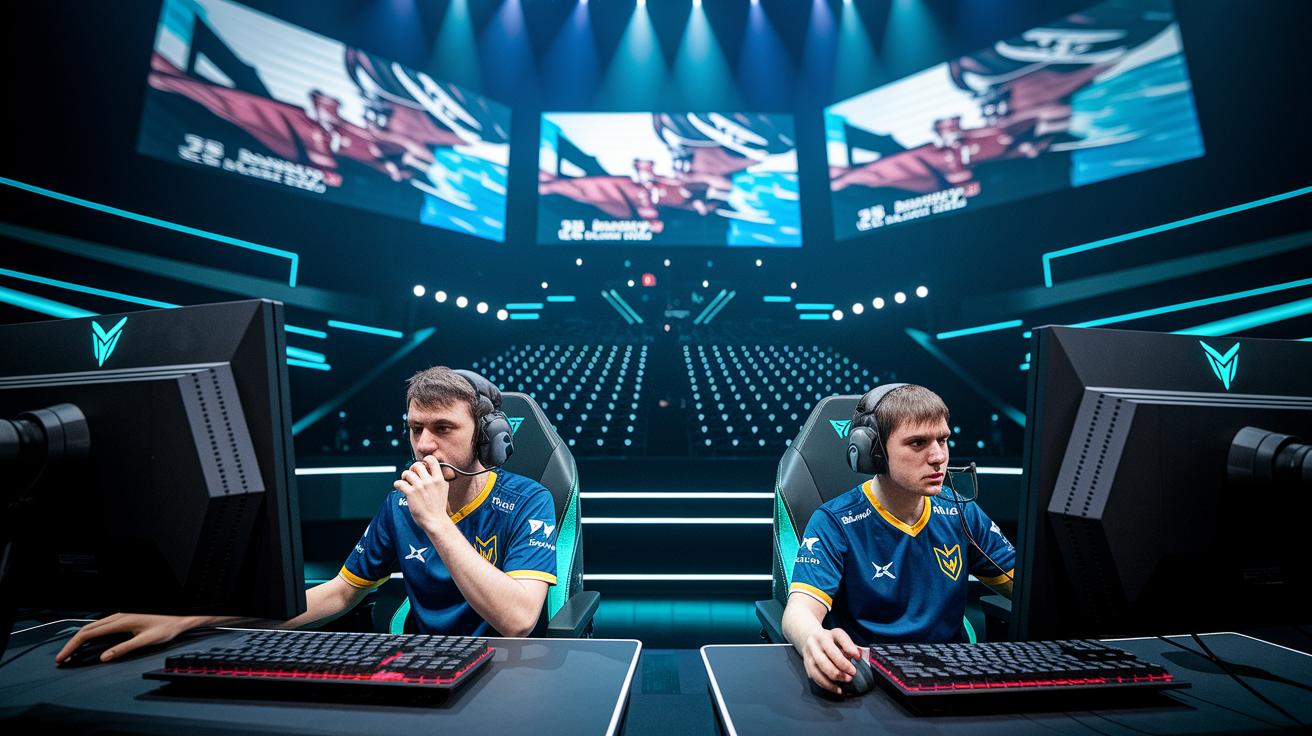
Esports has come a long way. Early tournaments were fun, low-key events that soon turned into big, organized spectacles. Back in 1980 with the Space Invaders contest and 1981 with the Donkey Kong tournament, we got a sneak peek at how tournament setups could be a game changer.
Then things really kicked off in 2005 when the Cyberathlete Professional League finals hit MTV. That moment showed us that mixing tournaments with TV broadcasts could pull in more fans and crank up the excitement. Nowadays, tournament setups are super detailed, laying out match structures and guiding players step by step.
For example, the 2023 League of Legends World Championship finals drew over six million viewers online and 18,000 live fans at Seoul’s Gocheok Sky Dome. Moments like these prove that smart tournament setups really boost the competitive energy.
Looking ahead, events like the Snowdown Showdown on November 20, 2024 , a free Fortnite tournament for kids , are injecting fresh excitement into the scene. This new twist mixes the classic feel of past formats with today's innovative tournament ideas, encouraging younger players to join in the fun.
| Year | Event | Structure Format |
|---|---|---|
| 1980 | Space Invaders Competition | Arcade Contest |
| 1981 | Donkey Kong Tournament | Early Bracket |
| 2005 | Cyberathlete Professional League Finals | Broadcast-Integrated Competition |
| 2023 | League of Legends World Championship Finals | Global League Battle Organization |
| 2024 | Snowdown Showdown | Youth Competitive Format |
Team Strategy Development in Esports Competitive Dynamics
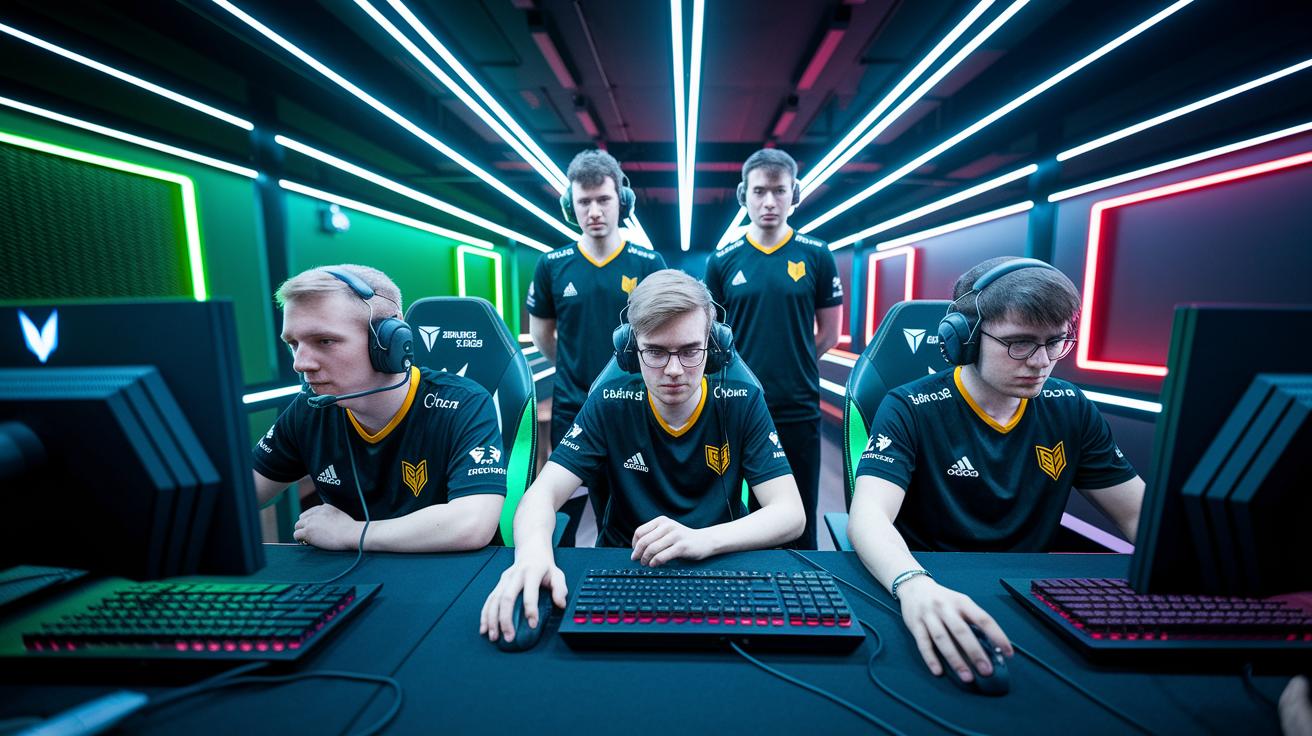
Team strategy in esports kicks off with clear role assignments that match the needs of each game. In games like RTS and MOBA, teams split up roles into parts like tactical leaders, damage dealers, and vision controllers to cover all parts of the match. Each player gets a job, kind of like setting up positions on your favorite sports team. For example, one player might handle map control while another goes after key objectives. It’s like repositioning your star player just as the defense is off-balance. This smart role planning helps teams stay flexible when updates come in and the competition changes, making sure everyone plays a vital part.
Roster management is just as important. Keeping a tight, well-practiced team while watching your budget really pays off. Many top teams shuffle their players during major patch updates, using mid-season transfers to freshen up teamwork. They run daily drills, hold regular strategy meetings, and even do intense bootcamp sessions before big tournaments. All of this builds solid team play and creates a style that can handle pressure. With player salaries ranging from $1,000 to $5,000 a month and coaching costs around $61,000 a year, every roster move is key in balancing the books while keeping the team competitive.
Player Performance Metrics Influencing Esports Competitive Dynamics
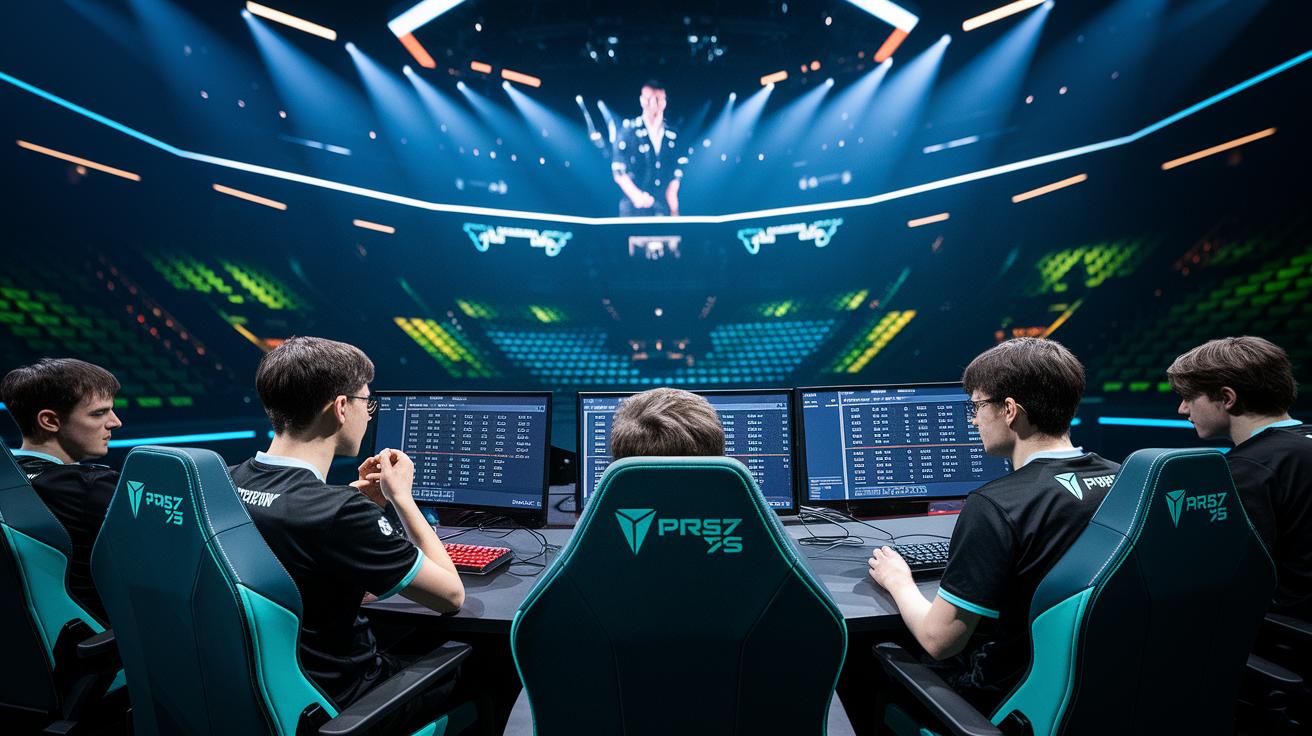
High-level esports events run on numbers that really tell the story of every nail-biting match. Teams playing RTS and MOBA titles keep an eye on data like kill/death ratios, map control, and economy stats all at once. For example, during one crazy match, a sudden boost in map control flipped the game, proving how one key moment backed by data can change everything. Broadcasters and coaches often use tools like heat maps and replays to quickly spot weak spots and adjust plans on the fly.
On the bigger scale, teams use these insights to shape their overall strategy. Think back to the League of Legends 2023 World Championship finals: teams even tweaked their champion picks mid-series after looking at their opponent's data. This smart move shows that tiny changes in numbers can lead to huge tactical shifts. Coaches shared these insights with players, who then adjusted their game plan instantly, mixing real-time stats with sharp on-field decisions.
Viewer numbers also highlight how powerful these tools are in esports. With millions tuning in online and thousands watching live, every piece of data adds to the excitement. Teams push their limits by using smart, data-driven plays, while analysts break down every shot and move to show how strategy meets skill. It’s a thrilling look at how numbers help shape the game, making every match feel fresh and full of surprises.
Meta Shifts and Patch Revision Effects in Esports Competitive Dynamics
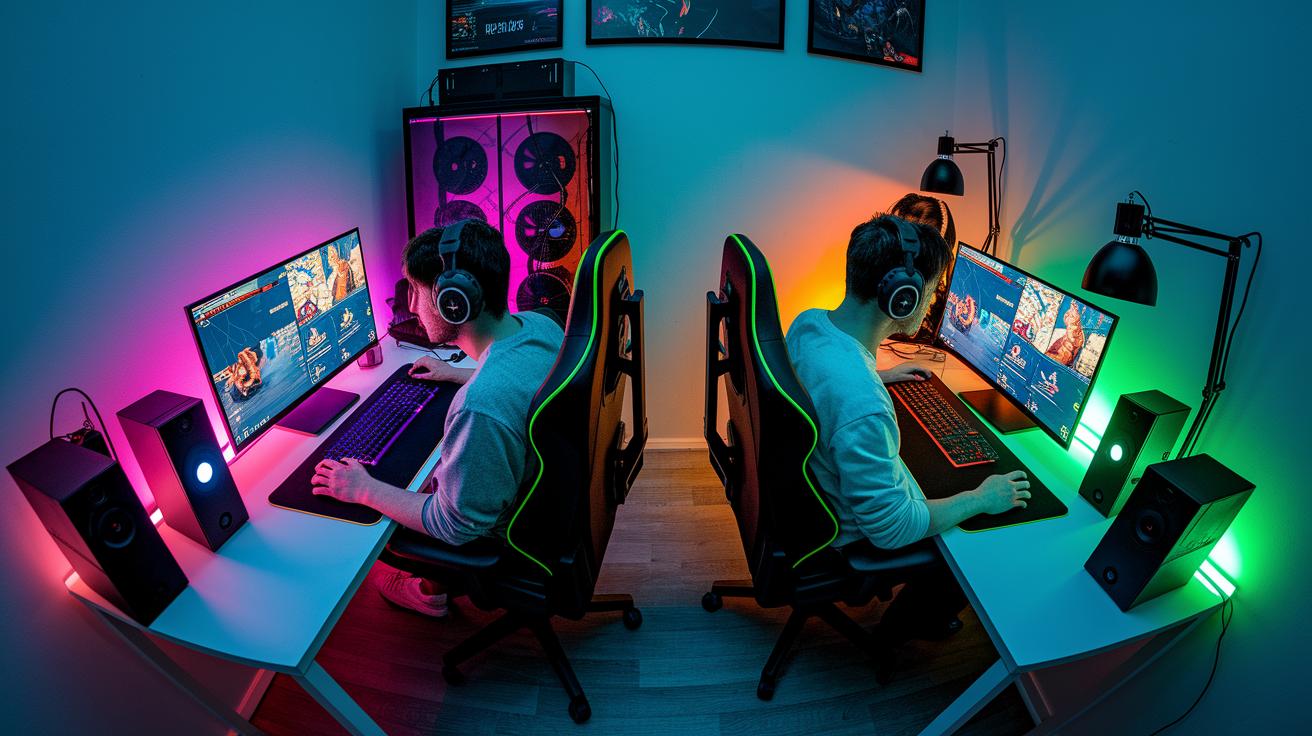
Game updates have a huge impact on how esports matches go down. In games like MOBAs and fighters, developers drop balance patches that can completely change the game overnight. When a patch hits, teams need to rethink their setups and tweak their strategies on the fly. For example, if a patch boosts a character’s power, players might scramble to switch up their move combos and overall game plans. This constant change keeps things fresh and makes every match feel unpredictable.
Each patch brings its own set of challenges and cool new chances to shine. Every update means players dive into the details, fine-tuning their techniques and reworking their strategies. It creates a lively, ever-changing competitive scene where teamwork feels a lot like traditional sports, but with its own digital twist. In the end, these rapid changes push teams to try new things and experiment, keeping every matchup exciting and full of surprises.
Sponsorship and Market Models Shaping Esports Competitive Dynamics
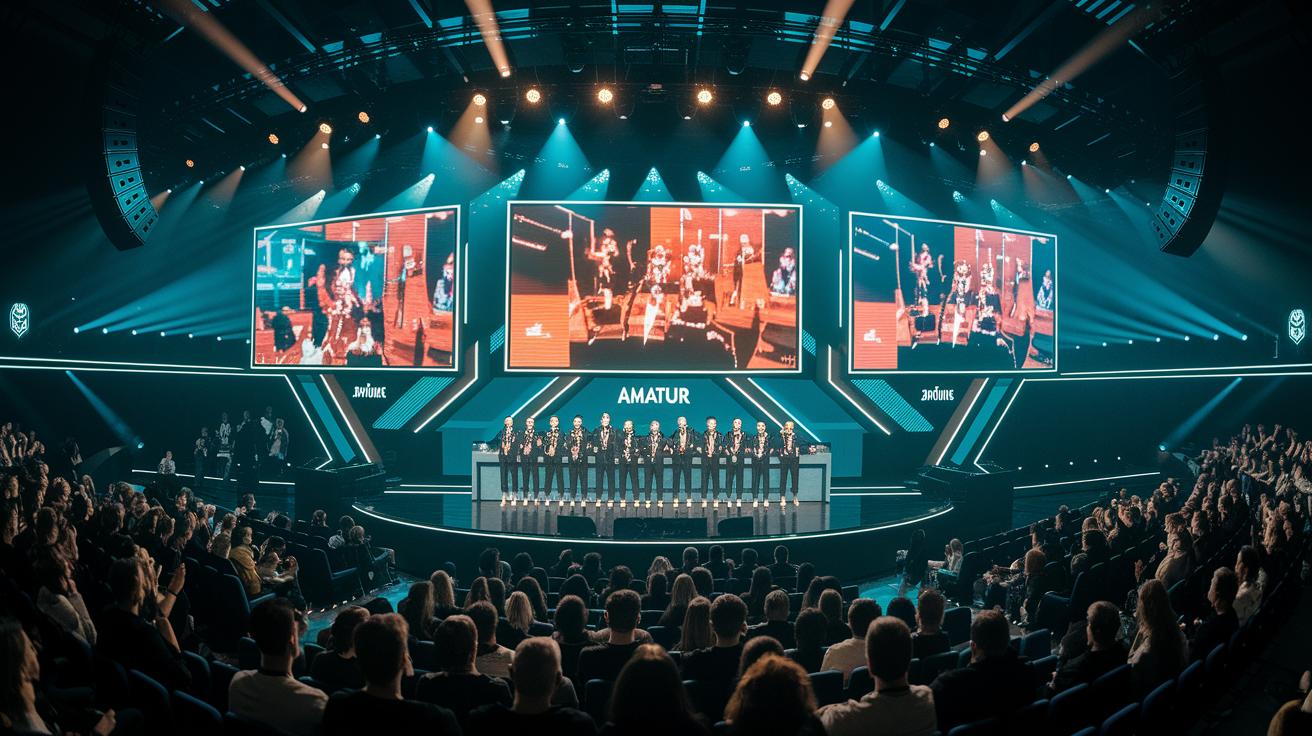
Sponsorship money really drives esports forward. Since 2016, the industry has shot up from $463 million to over a billion by 2019, and experts now expect it to hit $4.3 billion by 2024. This boom comes from mixing classic sports sponsorship with digital ads that grab attention.
Sponsors touch almost every part of esports, from funding teams to backing event setups. Plus, numbers matter, a whopping 380 million viewers in 2018 is predicted to grow to 856.5 million by 2028, and these figures guide sponsors in deciding where to put their cash.
Market models keep shifting as sponsors explore fresh ways to connect online. They’re now juggling team deals, event partnerships, and even broadcast rights on platforms like Twitch and YouTube Gaming. This mix reaches fans in both real-life arenas and digital spaces while tying competitive play to broader brand stories. They track audience reactions closely to make sure everyone, from sponsors to teams, wins in the long run.
| Sponsorship Model |
|---|
| Team-based sponsorships |
| Event partnerships |
| Digital advertising |
| Broadcast rights |
Future Trajectories of Esports Competitive Dynamics

Future trends suggest that digital gaming is becoming more intertwined with classic sports. Esports events like the Olympic Esports Series and the NBA 2K League mix the high-energy of video game battles with the familiar thrill of traditional sports matchups. And with the rise of virtual reality and cool augmented overlays, watching a game is turning into an experience where you almost feel the action right up close. It's like being in the thick of a live arena battle, exciting stuff!
Experts also predict big growth ahead. Revenue is set to jump from $4.3 billion in 2024 to $5.7 billion by 2028, drawing in around 856.5 million fans around the world. This booming scene is also paving the way for new learning opportunities and career paths through fresh academic programs and apprenticeships. In truth, as tech and traditional sports become tighter buddies, esports isn’t just about winning a match, it’s about crafting thrilling, new adventures that keep both fans and players on the edge of their seats.
Final Words
in the action, we broke down how esports competitive dynamics shape every match, from the evolution of tournament formats and team strategies to the precise player performance metrics. We also covered how meta shifts and sponsorship models impact the game’s rhythm and growth. Future trends promise even more innovative gameplay and viewer experiences. The insights shared here bring a fresh view of the competitive scene, giving you practical and data-driven ideas to boost your own gaming prowess while staying ahead in esports competitive dynamics. Keep pushing those boundaries.
FAQ
How is esports competitive?
The esports competitive field is defined by intense strategy, dynamic teamwork, and rapid shifts in gameplay that push players to adapt quickly.
What is the most competitive e-sport?
The competitiveness of an e-sport depends on the game, with titles like League of Legends offering some of the most demanding and skill-driven matchups.
How are esports tournaments structured?
Esports tournaments are organized into qualifiers, group stages, and elimination rounds, ensuring a fair contest through clearly defined formats.
How physically demanding is esports?
The physical demands in esports come from long gaming sessions and the need for quick reflexes and focus, requiring players to build both mental and physical endurance.
What are key aspects of team dynamics in esports?
Team dynamics revolve around specialized player roles, steady communication, and regular practice to build strong in-game cohesion that leads to success.
What drives the growth and value of the esports industry?
The growth in esports is fueled by sponsorship deals, skyrocketing viewership, and digital advertising, making it a market worth billions.
Are there esports articles for students?
Esports articles for students break down tournament structures, player roles, and market trends in easy-to-understand language, offering clear insights into the industry.
Why has esports seen such an impressive rise?
The rise of esports is tied to global viewer engagement, advanced broadcast technologies, and evolving tournament formats that capture the excitement of fans worldwide.