
Ever thought that a few numbers could flip a match on its head? In esports, data isn’t just a list of stats, it’s the secret code that explains what’s really going on in the game.
Imagine these numbers as your personal playbook. They give players hints about smart moves and fire up the crowd with clues on strategy and teamwork. In this article, we break down key stats like win rate and the KDA ratio (that’s kills, deaths, and assists) to show you how each number beats with the pulse of the game and amps up the excitement.
Essential Metrics for an esports data dive

Metrics are a gamer’s secret weapon. They help teams break down every play while letting fans get into the details. With these numbers, you can see everything, from slick in-game moves to the changing story of the match. For example, a high win rate isn’t just a number; it tells you about countless hours of strategy and teamwork in games like League of Legends and Counter-Strike 2.
Live stats add an extra rush to watching esports. When you check out gameplay stats or viewer feedback, it feels like you’re right there in the heat of the action. Take the KDA ratio, for instance, it’s like reading the heartbeat of the match. These key numbers not only guide team tactics but also spark new, fun content that turns raw data into stories of jaw-dropping comebacks and smart plays.
| Metric | Description | Typical Use |
|---|---|---|
| Win Rate | The percentage of matches won | Shows overall team success |
| KDA Ratio | The ratio of kills, deaths, and assists | Measures individual performance |
| Objective Control | How often game objectives are secured | Highlights strategic impact |
| Damage Per Minute | The rate at which damage is done | Tracks offensive efficiency |
| Map Utilization | How well players use the map’s spaces | Helps plan tactical moves |
| Reaction Timing | The speed of in-game responses | Improves split-second decisions |
| Fan Engagement | Interactions and viewership feedback | Tweaks broadcast experiences |
| Viewer Indicators | Real-time trends from the audience | Boosts content delivery |
These stats not only drive game strategies on the field but also fuel fresh, creative content. Teams polish their practice drills and broadcasters set up interactive visuals so that every single stat transforms into a smart play or a captivating story that makes esports even more epic.
Evolution of esports data dive collection methods

Back in the day, gathering esports stats was all about doing things the old-fashioned way, manually and by pulling numbers from live broadcasts. In 2014, people collected data by hand, and even when big events like the Katowice Major rolled around, the early methods showed their limits.
Then, a few years later, things began to change. By 2016, event organizers and game publishers started using special apps and platforms to handle match stats. This upgrade helped everyone look closer at game performance and made it easier to break down matches for deeper analysis and more lively tournament coverage.
Now, things have come a long way. Companies are focused on building live-data pipelines that are standardized and super reliable. They work closely with game developers and tournament organizers to safeguard data. Plus, changes like the December 2023 German court ruling have tightened how live data is shared and advertised, which has made everything more consistent and secure for everyone involved.
Manual and Broadcast-Scraping Era
Back in early 2014, collecting esports data meant a lot of manual work and scraping numbers off of live broadcasts. The process was slow and prone to mistakes, so fans and teams ended up with only rough estimates instead of detailed insights. It made deep competitive analysis really tough since you could never get the full picture.
Rise of Official Live-Data Partnerships
Starting in 2016, things took a big step forward. Tournament organizers and game publishers began testing new apps to handle match stats more smoothly. This shift meant that live data became both easier to access and more reliable. Suddenly, teams and fans could get a clearer view of match details, which really boosted the quality of competitive analysis.
Standardization and Data Protection
Today, the focus is on setting up live-data pipelines that are both standardized and secure. Working together with game developers has become the norm, which means the data is accurate and protected. With changes like the 2023 court ruling, advertising around live-data feeds has gotten stricter, making sure that esports statistics remain trustworthy and efficient for everyone involved.
In-Game Telemetry and Real-Time Analytics in an esports data dive

Telemetry grabs game data straight from the server, recording every match event in real time. It captures everything from keystrokes to in-game ability casts so that every piece of data shows exactly what happened.
Key Technologies Capturing Telemetry
Modern systems use smart streaming pipelines that log millions of events in each game. They track every move, ability cast, and objective interaction. The info is sent instantly to analytics dashboards, letting fans and teams see every crucial play as it happens. It’s like having a play-by-play breakdown right at your fingertips.
Applications in Fan Engagement
Live dashboards, custom widgets, and interactive overlays turn raw numbers into a cool viewing experience. Fans can watch live stats, track player performance, and even dive into the sequence of events that shape a match. This steady stream of data helps everyone feel more connected to the game.
Teams and broadcasters both score big with these insights. Coaches can tear apart game sessions to find strengths and spot areas to improve, while broadcasters highlight those game-changing moments as they unfold. Breaking down the gameplay like this turns complex stats into clear, helpful info that makes watching the game even more exciting.
Benchmarking Performance in an esports data dive

Benchmarking performance isn’t just about the numbers; it reveals the hidden trends that shape our game plans. For instance, one team tweaked its strategy when they noticed a drop in clutch plays during tight rounds, proving that good metrics can change the game.
More advanced analysis methods like comparing trends and tweaking scores in real time help coaches make specific changes. Imagine a team checking their reaction times against an opponent’s pace and spotting a steady 15-millisecond gap. That tiny delay pushed them to quickly adjust their training.
| Win Rate | KDA Ratio |
|---|---|
| Objective Control Rate | Reaction Timing |
| Map Utilization | Clutch Impact |
Teams and coaches use details like these to fine-tune training, sharpen their tactics, and make quick in-game decisions. These metrics guide coaching choices and help pinpoint where extra practice can lead to real wins.
Visual Reports and Audience Insights in an esports data dive

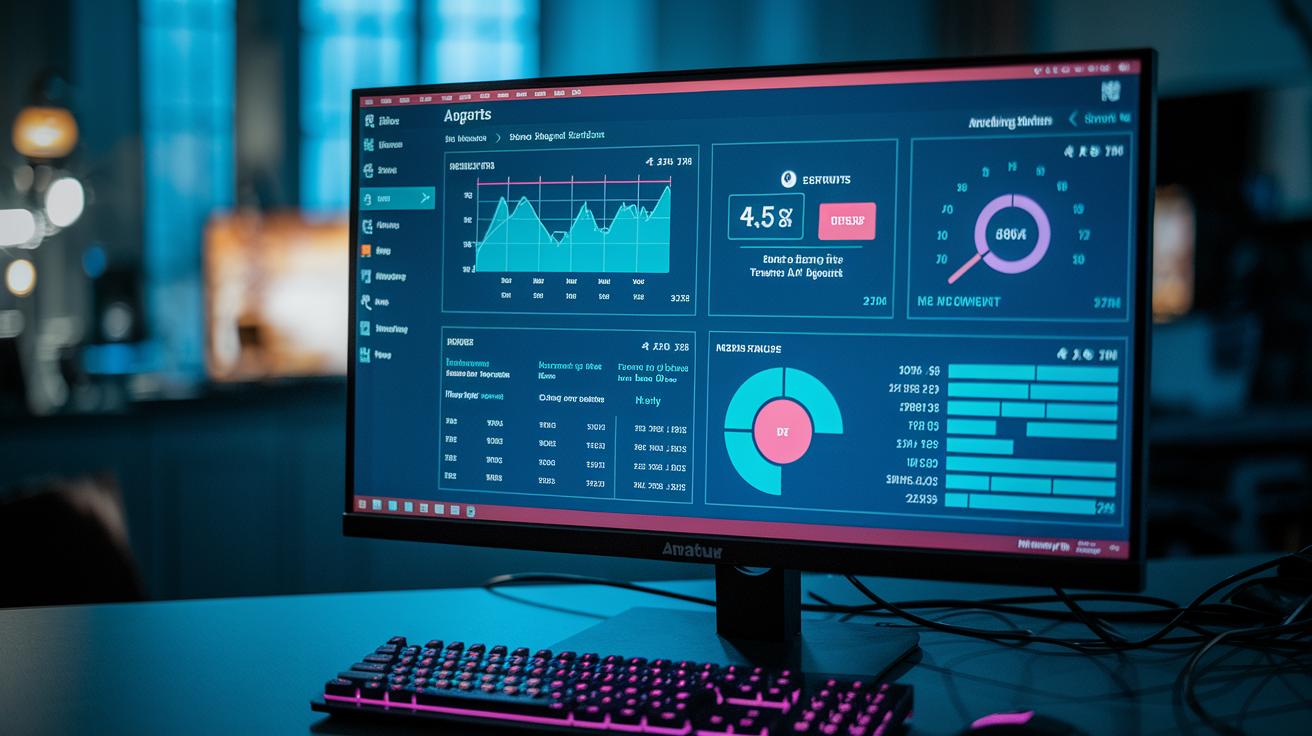
Interactive dashboards are a game changer for teams and fans. They mix real-time game data with cool graphics like heat maps that show player movement or timelines that capture every big moment. It’s like watching your heart beat when a key objective is taken, and it makes the stats not just numbers but a living story.
Audience metrics add another fun twist by turning raw data into a narrative that speaks to the excitement of the match. Streamers and broadcasters keep an eye on things like chat reactions and live score shifts to adjust the flow on the fly. These instant feedback loops help customize what you see, so every fan gets a unique look into the game’s pulse.
Infographic reports and shareable visuals make things even more engaging. Simple bar charts or timelines break down tough numbers into clear visuals that anyone can follow. Imagine a report that vividly shows a team’s comeback, letting you track the momentum like watching a real-time replay. These creative stories boost social chatter and keep the excitement going long after the game is over.
Predictive Modeling and Forecasts in an esports data dive
Machine learning has totally changed the game when it comes to analyzing esports. These systems study old match data and live game stats to give us surprisingly good predictions. Picture this: a machine learning tool goes through thousands of in-game events and then signals that a team is likely to stage a comeback in the final moments of a match.
These techniques mix event forecasting with simple number crunching to turn raw stats into insights you can actually use. They pull together historical results and current gameplay to come up with things like elimination odds, bracket predictions, and efficiency scores. It’s a bit like watching past game clips to guess future plays. By comparing today’s trends with past patterns, these models craft forecasts that fuel real-time visual displays and strategic highlights. Coaches love this because it helps them spot small shifts, like a slight change in reaction times, that might hint at a new meta, so they know when to tweak training drills.
Teams now lean on these forecasts to fine-tune their game plans and manage resources better. With quick predictions at their fingertips, coaching staffs can switch up strategies on the fly and even set up new drills to outplay opponents as their gameplay evolves.
Final Words
In the action, we broke down the essentials of an esports data dive, from core metrics and live telemetry to benchmarking, visual reports, and even predictive modeling. Each part helped shine a light on what drives gameplay performance and audience engagement.
We saw how real-time analysis can boost strategy and fan interaction, making it easier to pick up cutting-edge insights. Embrace these approaches and keep pushing for a smoother, competitive gaming experience with every esports data dive.
FAQ
What do esports viewership statistics cover, including game breakdown and 2024 trends?
The viewership statistics highlight audience numbers by game and include projections set for 2024. This data helps teams, broadcasters, and fans understand current trends and fan behavior.
What does the free esports data dive include, and how can I download it?
The free esports data dive offers real-time metrics captured from matches and key performance indicators. It is available for download through official platforms providing comprehensive insights into competitive play.
What are Esports Charts and how do esports player stats factor in overall statistics?
Esports Charts display dynamic insights like audience numbers and engagement trends, while player stats reveal performance details. Together, they provide a complete picture that fuels strategic decisions and enhances fan experience.