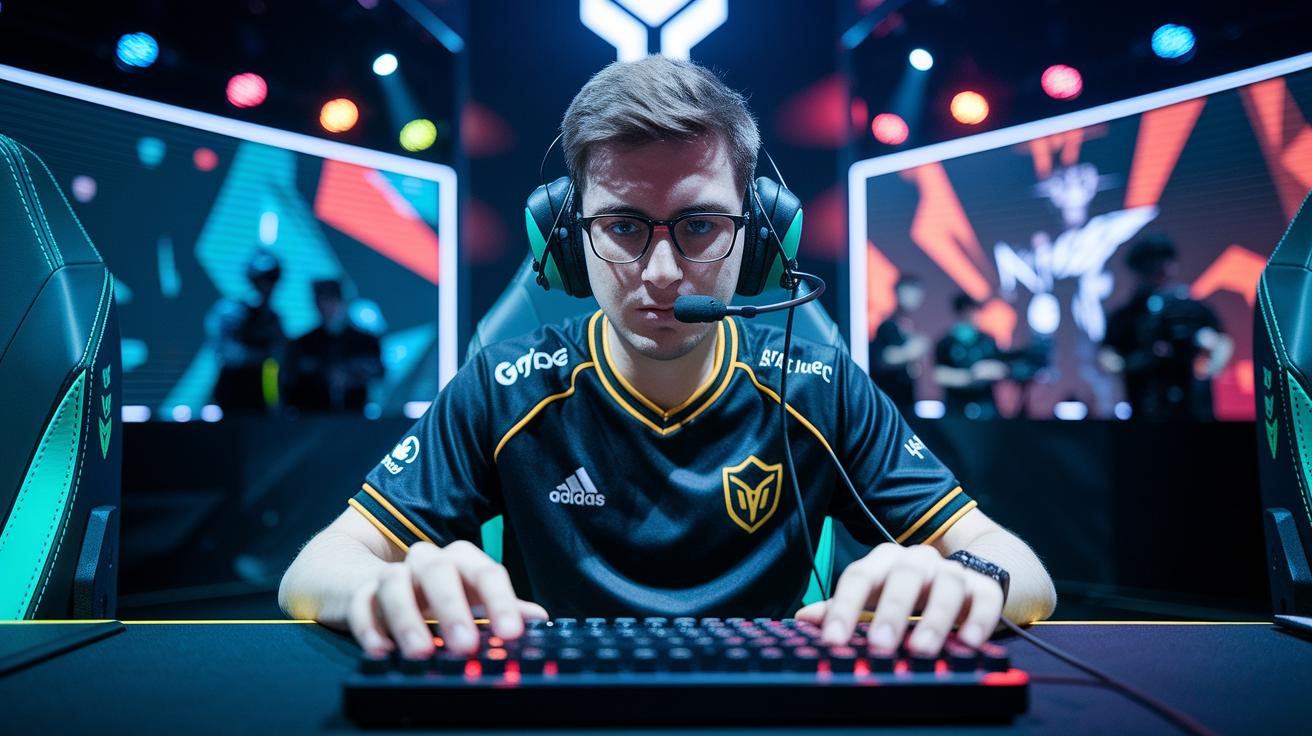
Have you ever wondered how a simple game grew into a huge competition that now attracts millions of fans? It all began with a modest game in 1958 called Tennis for Two, a spark that eventually lit up the world of online play.
Back in the day, arcade machines and home consoles got everyone excited, turning tiny contests into the big tournaments we cheer on today. Let’s take a look at some key moments that helped shape esports into the thrilling show we enjoy now.
esports history: Remarkable Origins and Milestones
Esports got its start as a fun experiment in gaming, quickly growing into one of today’s biggest competitive shows. Back in 1958, something as simple as Tennis for Two lit the spark, and by 1972, gamers were already diving into the thrill of the Spacewar! tournament at Stanford. Around the same time, home consoles like the Magnavox Odyssey, Atari, and Nintendo opened up a whole new world of play, setting the stage for a community of gamers to bond over competitions and epic matchups.
Below is a quick look at some key milestones that helped shape esports into what it is today:
| Milestone | Era |
|---|---|
| Tennis for Two | 1958 |
| Spacewar! Tournament | 1972 |
| Arcade Competition Surge | 1980s |
| Home Console Impact | 1972–1980s |
| Online Multiplayer Emergence | 2000s |
| Record-Breaking Tournaments | 2010s |
| Global Industry Boom | 2010s |
Over the years, what began as small gatherings grew into major international events. The rise of online multiplayer games in the early 2000s made it easier than ever for gamers to compete from anywhere, and soon, massive tournament prize pools and live streams on platforms like Twitch had everyone talking. Each era built on the last, turning competitive gaming into a well-organized scene full of passion, big wins, and memorable moments. Every step along the way, from modest contests to today’s multi-million-dollar events, marks a turning point that keeps the esports spirit alive and kicking.
Esports Milestones and Pioneering Competitive Events

The early tournaments showed that digital contests could really grab a crowd of dedicated gamers. Back in 1972, the Spacewar! tournament at Stanford brought players together and hinted at a future where organized competitions would shape gaming culture. Imagine events back then like Tennis for Two, where simple button presses sparked excitement even before digital graphics became common.
Later on, things only got better. In the 1980s, arcade tournaments brought communities together with local competitions. And by the 2000s, online match-ups changed the game with new ways to play and compete in real time. Each event helped refine the tournament strategies we see today, mixing skill, balance, and engagement in every match. As one expert pointed out, these early milestones acted like a practice ground for designing modern tournaments.
| Event | Year | Detailed Impact |
|---|---|---|
| Tennis for Two | 1958 | Offered one of the first interactive experiences that hinted at digital competition. |
| Spacewar! Tournament | 1972 | Laid the groundwork for organized gaming contests focused on competitive play. |
| Arcade Era Competitions | 1980s | Built local gaming communities and influenced the tournament formats we still see today. |
| Online Multiplayer Surge | 2000s | Connected gamers worldwide and experimented with real-time competition styles. |
| Global Esports Boom | 2010s | Turned gaming contests into professional leagues, using innovative strategies to organize events. |
These trailblazing events not only marked important milestones but also reimagined how tournaments could be run. Today’s highly organized competitions reflect that same spirit of constant improvement, balancing skill and community excitement. It’s all about keeping the energy high and always pushing for the next big breakthrough in esports.
Evolution of Esports Competitive Structures and Industry Growth
Esports started as friendly matches in basements and arcades, then grew into full-blown leagues with solid rules, official regulators, and team setups that mirror the structure of traditional sports. What once was just a fun pastime has turned into a serious arena where pros get support from coaches and event organizers. This shift not only grabbed the attention of huge audiences but also paved the way for big cash prizes and major media buzz, showing just how far digital sports have come.
Key factors have driven this steady evolution. Think of these as the building blocks that changed how competitions are played and watched:
- Emergence of Broadband Internet
- Formation of Professional Teams
- Growth in Sponsorship and Investment
- Expansion of Streaming Platforms
- Establishment of Regulatory Leagues
The speedy rise of broadband internet made seamless multiplayer gaming possible, which turned local events into international spectacles seen by millions. Teams started forming with dedicated players, and sponsorships poured in, making esports as real and competitive as any traditional sport.
Nowadays, winning is just part of the story. Esports is also about a rich ecosystem that supports pro play and high-level media coverage. Streaming sites now host tournaments that pull in tens of millions of viewers, and leagues provide the kind of structure we've long seen in classic sports. All of this has helped push competitive gaming to new heights, blending tech and talent in a way that keeps the excitement alive.
Cultural Impact and Legacy in Esports History
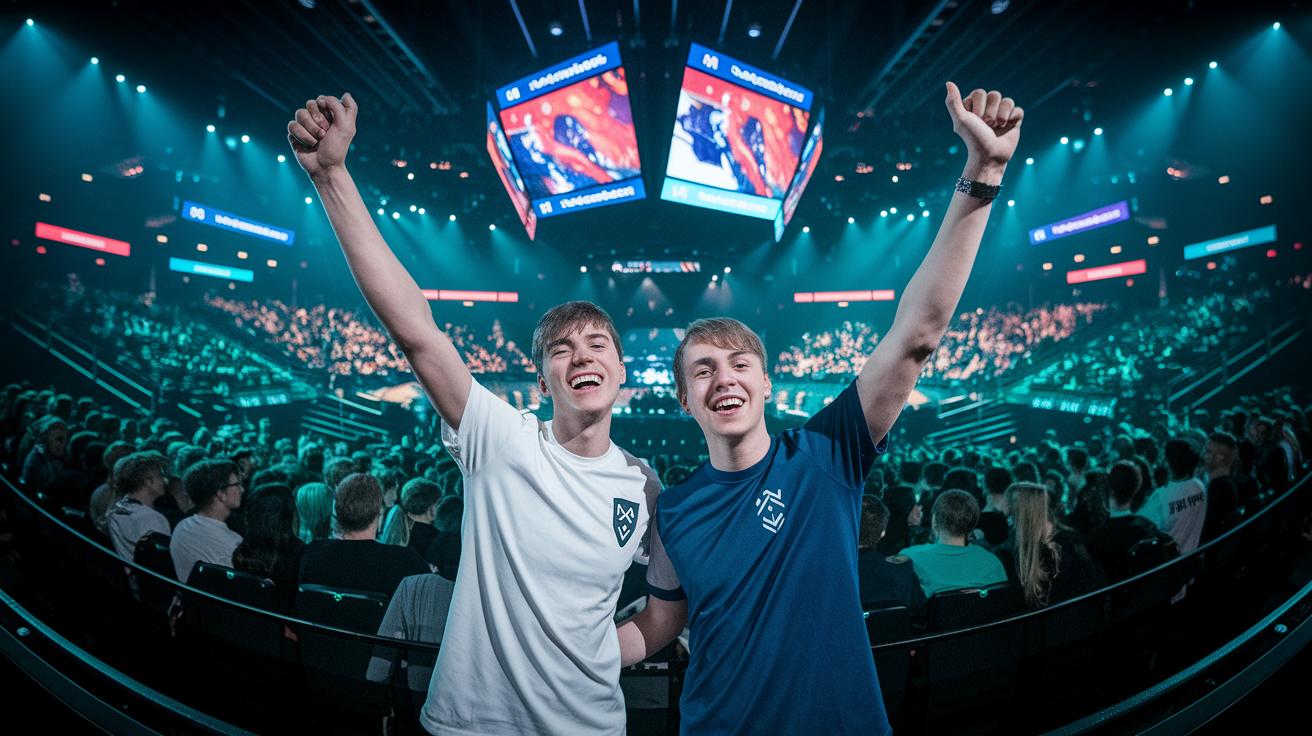
Esports isn’t just about tech upgrades or flashy tournaments, it's also about how our culture has shifted along the way. University competitions and local grassroots events sparked passionate fan groups and even led to academic studies on competitive gaming.
Big-name gaming teams have really pushed the scene, creating unforgettable rivalries and matchups. Their fierce battles give fans a real sense of community, turning casual viewers into lifelong supporters.
Social media and streaming services have made sharing epic game moments super easy. Picture a gamer yelling, "That clutch play changed everything!" after a surprise win with friends. This instant sharing turns small local contests into worldwide celebrations, letting everyone join in on the fun.
Old-school tournaments and landmark matches laid the groundwork for today’s digital sports culture. Fans now cheer every milestone and underdog victory, connecting decades of gameplay into one ongoing story that keeps the spirit of esports alive.
Final Words
In the action, we traced esports history from early games and competitive tournaments to today’s well-structured leagues and tremendous streaming platforms.
We recapped key milestones that shaped competitive events, industry growth, and cultural impact.
We saw how early experiments, record-breaking tournaments, and modern sponsorship models work together to create a robust gaming scene.
The story of esports history reminds us that every twist and turn builds toward a vibrant, ever-refreshing competitive spirit.
Keep pushing forward and enjoy every play along the way.
FAQ
What is the Esports History game and where can I play it?
The Esports History game tracks major milestones in competitive gaming. It can be found on platforms like mobile (APK) and Steam, letting you relive key moments in esports evolution.
What is the timeline of esports history?
The esports history timeline covers key moments from early games like Tennis for Two and Spacewar! to modern record-breaking tournaments, outlining major turning points and shifts in competitive gaming.
Where can I find detailed esports history on Wikipedia?
The esports history Wikipedia page offers an in-depth look at esports evolution, featuring articles and timelines that document the growth and cultural impact of competitive gaming.
What do the terms “Esports History crack” and “Esports History trainer” imply?
These terms refer to modified versions or tools that change gameplay. They bypass normal checks, potentially risking game security and violating user agreements, so they are best avoided.
What is the biggest esports event in history?
The biggest esports events feature massive prize pools and global viewership, with tournaments for games like League of Legends, Dota 2, and Counter-Strike setting record-breaking milestones.
Which country is known as the top esports powerhouse?
South Korea has earned its reputation as a top esports powerhouse due to its strong competitive scene, advanced training infrastructure, and impressive international tournament results.
Did you know interesting facts about esports history?
Esports history is full of cool details, from humble beginnings with early computer games to astonishing growth seen in global tournaments that have reshaped competitive gaming.
Is exploring esports history free?
Yes, you can access much of esports history information for free online through articles, community discussions, and specialized databases, making it easy for any fan to dive in.