Ever thought competitive gaming could blow up into a billion-dollar biz? Esports has exploded from old-school arcade play to huge tournaments where millions tune in. Each intense match mixes smart strategy, real skill, and a fan base growing every day. And today, top names are pouring cash into cool new gear while fresh competitions give that rush, kind of like nailing a last-second win. Let’s break down what’s fueling this epic industry and what it could mean for gaming's future.
Comprehensive Esports Industry Landscape
Esports started out as a fun hobby and has grown into a huge business worth over $1.38 billion. Millions of fans around the world tune in to watch their favorite players. Game makers now pour serious cash into creating and sharing games, while teams put in a ton of practice for both in-person and online showdowns. It’s amazing to see how far competitive gaming has come.
Big companies are investing in cool gaming gear and software, which has opened up even more ways to enjoy the game. New competitions and game types keep things exciting, much like that rush you feel when a gamer pulls off a last-second win. That kind of high-speed action makes every match feel fresh and unforgettable.
Every part of the esports world works together to drive the industry forward. From the developers behind the games to the organizers setting up epic tournaments, each piece adds to the growing excitement. Regular game updates and massive events, whether online or live, keep audiences coming back for more and show why esports is one of the most loved ways to enjoy gaming.
Early arcade tournaments in the 1970s laid the groundwork for today’s massive international competitions, proving that even small beginnings can spark incredible growth.
Historical Evolution of the Esports Industry
Competitive gaming got its start with those classic coin-op arcade machines. Back in the 1970s and 1980s, players fought for high scores on timeless arcade games. It’s a bit like remembering your first time throwing down in Street Fighter with your buddies. As home consoles and PCs rolled in, that same competitive fire lit up living rooms everywhere.
Then, as the new millennium dawned, online multiplayer really took off. LAN events popped up, letting gamers meet face-to-face while sharing their love for the game. Small tournaments slowly paved the way for the epic, large-scale competitions we see today.
Key milestone moments include:
• 1970s–1980s: Arcade tournaments laid the groundwork for competitive play.
• 2000s: Online multiplayer sparked regular LAN events and local meetups.
• 2011: The first League of Legends World Championship launched with a seven-figure prize pool – imagine teams battling for millions in prizes!
• 2013: The International Dota 2 Championship broke ground with over $2.8 million in prizes.
• Late 2010s: The Overwatch League introduced team franchising, stepping up the game of professionalism.
Each of these steps built on the last, turning a small niche into a vibrant, global gaming community.
esports industry deep dive: Exciting Growth Prospects
The world of competitive gaming is really on the rise. In 2023, its value hit $1.38 billion, and experts are betting it could top $2 billion by 2026. This growth comes from a cool mix of PC gaming, booming mobile tournaments, and a steady following on consoles.
PC gaming is still the superstar, making up about 60% of the prize money and views, like the main stage where all the big plays happen. Mobile gaming is quickly catching up and now makes up nearly 25% of events, thanks to tech that’s easier to use and a growing number of players who keep the action fresh. Console gaming, with about 15% of the market, still brings plenty of competitive energy for its dedicated fans.
Different regions are showing some exciting trends too. The Asia-Pacific area leads with roughly 45% of the revenue, driven by local tournaments and a massive, passionate fan base. North America follows with 30%, thanks to solid event setups and fans who really get into the game. Europe clocks in at about 20% of the market and keeps growing with more viewers and investments. Other regions add roughly 5%, rounding out a really diverse scene. In fact, Asia-Pacific is growing at about 15% each year, North America at 12%, and Europe around 10% YoY.
| Region | Revenue Share | Growth Rate (YoY) |
|---|---|---|
| Asia-Pacific | 45% | 15% |
| North America | 30% | 12% |
| Europe | 20% | 10% |
| Rest of World | 5% | N/A |
This mix of platforms and global areas paints a clear picture of a vibrant, fast-growing world of esports that's all set for its next big play.
Revenue Models & Digital Monetization in the Esports Industry
Sponsorships are a big deal in esports, they fill about 40% of the revenue gap by linking brands with teams. It’s wild to think that some teams land deals that rival the contracts of major league sports teams. That extra cash really fuels their competitive fire.
Media rights and broadcasting deals bring in another 30%. Networks and online platforms grab exclusive rights to show live tournaments, which not only boosts the game’s exposure but also opens up extra cash streams from a super engaged audience.
Then there’s advertising, making up roughly 15% of the total revenue. Companies drop ads during live streams and on video content. Ever notice how a perfectly placed in-game ad can catch the eye of millions during a nail-biting match? Those views can quickly turn into serious dollars.
On top of that, merchandise sales, ticket sales for live events, and digital streaming each contribute around 5%. These smaller streams gain power from the huge online followings that esports events enjoy, with loyal fans ready to spend on their favorites.
| Revenue Stream | Percentage |
|---|---|
| Sponsorships | 40% |
| Media Rights | 30% |
| Advertising | 15% |
| Merchandise | 5% |
| Ticket Sales | 5% |
| Digital Streaming | 5% |
Big tournaments pull in viewers from all over the world, which in turn bumps up both sponsorship values and ad profits. With such a mix of revenue channels, the esports industry keeps evolving and paving the way to a very promising, lucrative future.
Tournament Architecture & Signature Esports Events
Esports tournaments are as lively and unpredictable as the games themselves. Teams kick things off with open online qualifiers and then move on to seasonal leagues that feel like intense run-ups to the final showdown. Every match matters, and only the strongest teams make it to the finals.
Take the League of Legends World Championship or The International Dota 2 Championship, for example. These events come with prize pools in the millions, pulling in huge live crowds and even bigger online audiences. Fun fact: in many cases, the thrill of a last-second play in these tournaments is just as exciting as a championship game in traditional sports.
LAN finals usually bring together 20 to 30 teams that battle it out in double-elimination brackets over three to five days. This setup cranks up the pressure and really tests teamwork and consistency. Regional leagues like the LCS, LEC, and LCK feed into these global battles, bringing fresh talent from all over.
- Online qualifiers grow into high-pressure seasonal leagues.
- Multi-million-dollar prizes fire up fans around the globe.
- Double-elimination rounds in LAN finals build real nail-biting moments.
These design choices show just how tournaments are crafted to keep fans on the edge of their seats.
Streaming Innovations & Media Rights Evolution in the Esports Industry
Esports viewing is evolving really fast. Fans jump on live streams every day on sites like Twitch and YouTube Gaming, adding up to more than 10 billion hours of gameplay each year. The secret behind this massive pull is fresh broadcast tech that lets you catch the action almost as it happens. This means every clutch play and quick in-game reaction feels super immediate.
Low-Latency Streaming Technologies
Low-latency streaming lets you see events with less than a three-second delay. That near-instant feedback is a game changer in live matches where every split second counts. The tech also tweaks video quality based on your internet speed, so even if your connection wavers, you still get smooth viewing. Imagine watching an intense match without a single lag spike, it's almost like being in the arena.
Evolving Media Rights Models
Media rights for esports are also on the move. Instead of sticking to one network, leagues are now signing deals that spread across several platforms, mixing digital streams with traditional TV. This shift means more channels, a bigger audience, and better deals all around. It’s all about making the game accessible no matter where you are.
Looking ahead, cool new features like VR spectating and augmented reality overlays could make watching esports even more immersive. Picture feeling like you're right there in the front row at your favorite match, soaking in every electrifying moment.
Viewer Demographics & Fan Engagement Tactics in the Esports Industry
Esports draws in a lively crowd mostly aged 18 to 34, with about 70% male and 30% female fans. Many of these gamers hail from APAC and North America, where competitive gaming isn’t just a pastime, it’s a culture. They’re not just about the game; they love being part of a buzzing community that chats during matches and hangs around after the play.
Keeping these fans fired up is all about smart engagement. For instance, live polls and in-stream rewards let you join in the fun instantly. Picture this: right after a jaw-dropping play, a quick poll pops up asking, "Which move rocked your world?" It turns a moment of glory into a shared celebration.
Then there are tiered digital memberships. By offering different levels, you can dish out exclusive chat badges, special emotes, or early access to fresh content. It’s pretty much like scoring backstage passes to your favorite match.
Social media also plays a huge role. Platforms like Twitter, Discord, and TikTok spark off quick chats and lively debates, just like swapping tips with a friend during a break.
And let’s not overlook grassroots programs. These initiatives invite fans to shape events and even pitch in with their own content, making everyone feel like a part of the team.
Career Pathways & Industry Roles in the Esports Industry
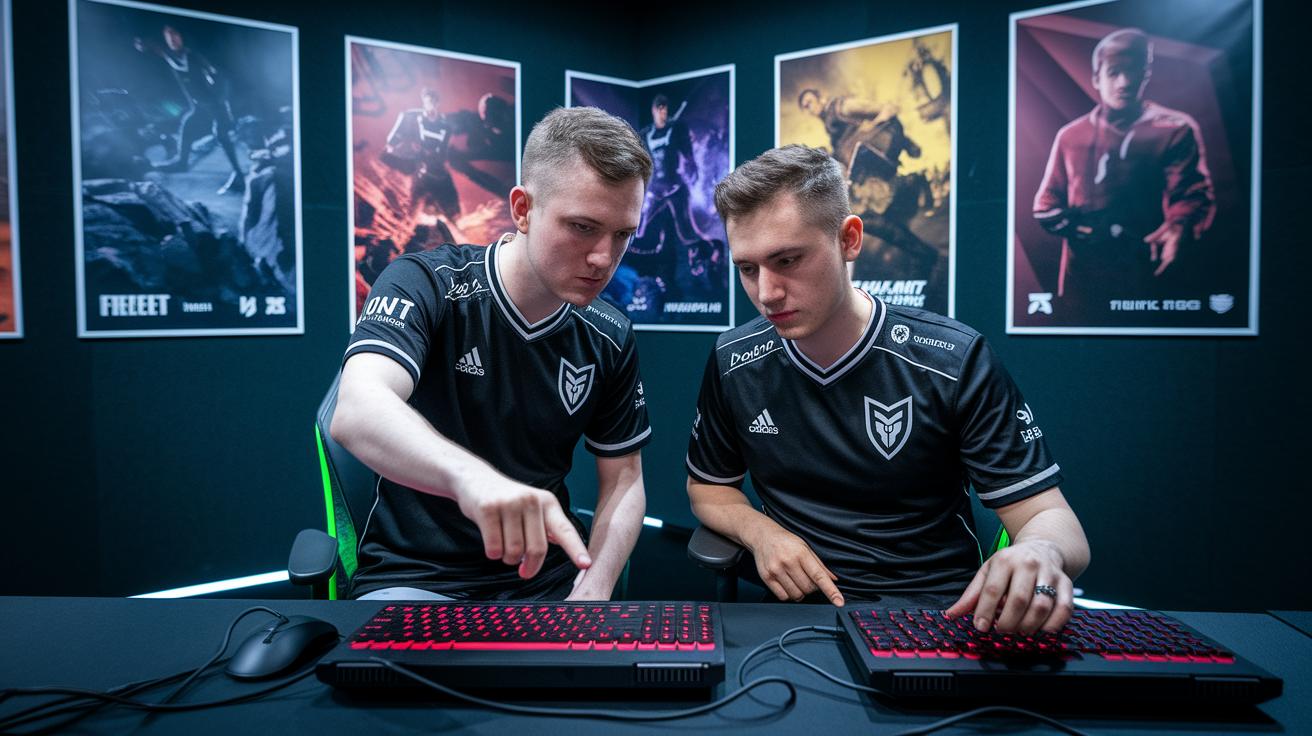
Esports is not just about playing games at a top level. There’s a whole crew of dedicated people working behind every epic match. Whether you dream of coaching a team or hosting an event that brings fans together, there are loads of ways to get in on the action. It’s a lot like putting together your perfect gaming squad – everyone has their own role to help the team win.
Let’s take a look at five main career paths:
-
Coaching and Performance Analysis: This role involves managing players, breaking down game stats, and offering smart tips. Imagine a coach who watches every move, just like a captain calling out key plays during a tight game.
-
Tournament Production and Event Management: These professionals set up live competitions and handle all the details. Think of someone organizing a big tournament like getting your ultimate LAN party off the ground.
-
Broadcasting and Media: This track brings the game to fans with live commentary and behind-the-scenes streams. Picture an announcer who makes you feel like you’re right in the heart of the arena.
-
Marketing and Sponsorship: Here, experts create cool campaigns and secure partnerships that boost the profile of teams and events. They work behind the scenes to shine a spotlight on the action.
-
Community Management and Social Media Content: This job is all about connecting fans with their favorite teams using creative posts and interactive channels, much like chatting with friends during a heated match.
Every role is important, proving that esports thrives on talent both on stage and behind the scenes.
Investment Outlook & Franchise Valuation in the Esports Industry
Over the past couple of years, venture capital and private equity have poured over $2 billion into esports. It’s like that adrenaline rush after a clutch game-winning play, sparking rapid team growth and league expansion.
In top leagues like the Overwatch League, franchise fees range between $20 million and $50 million per slot. Picture it as snagging a rare skin drop in your favorite game, thrilling and game-changing.
Franchise valuation in esports works a lot like building your ultimate team. Every income stream adds points, whether it’s from sponsor deals, media rights, or merchandise sales. It all comes together to create a winning score.
Key factors for valuing a franchise include:
- Sponsorship deals that promise steady revenue.
- Media rights contracts that ensure a reliable cash flow.
- Merchandise sales that tap into devoted fans.
- Extra partnerships that bring in additional earnings.
These elements form a clear roadmap for predicting long-term growth. For instance, a franchise might enhance its media display quality to boost viewer engagement, much like upgrading your streaming setup for clearer, more exciting gameplay. This approach keeps the valuation connected to current wins while paving the way for future success.
Final Words
In the action, we explored how competitive gaming has grown into a multi-billion-dollar arena. We covered everything from market segmentation and robust revenue models to the evolution of tournament structures and streaming innovations. This insights-packed article offers an esports industry deep dive that breaks down historical trends and future prospects clearly for everyone. Every section works together to show how advanced strategies and tech improvements can boost your performance. Let the ever-expanding energy of esports keep you motivated and ready for your next big play.