
Ever wonder how brands can turn sponsorship cash into clear wins? Esports is shaking things up by basing deals on real, measurable numbers. Last year, over 60% of earnings came from deals that ranged from supporting whole leagues to backing star players.
We're breaking down how these solid figures help boost smart ROI and push brands away from old media trends. Think of it like planning a match where every move matters and every stat sets up the next big win.
esports sponsorship deal analysis: Smart ROI Growth
In 2022, sponsorship raked in over 60% of all esports revenue, pouring in about $800 million from both gaming and lifestyle brands. That’s a huge chunk of cash that shows just how key sponsorship is in esports. Deals come in different sizes, from backing entire leagues and team branding to individual player deals, each adding its own flavor to the esports money game.
Esports sponsorships can be split into three main types, all built to boost brand exposure and reel in the audience. These different packages work for various budgets and marketing plans, making them a hit with both gaming gurus and brands from outside the industry. The main options include:
- League-wide sponsorship rights
- Team jersey and venue branding
- Individual player endorsement deals
- Event-specific partnership packages
Now, if you stack these deals up against traditional sports media agreements, you start to see a clear shift. Traditional sports rely a lot on media rights as their main money source. Esports, on the other hand, leans into direct sponsorships and creative brand links. They pull in viewers with smart digital activations and targeted online campaigns. This means sponsors can really track returns with solid numbers and active audience engagement, something not always possible with traditional media deals. With its flexible, multi-tier setup, esports lets brands fine-tune their investments to hit specific goals, leading to better ROI and a strategy that keeps up with the fast pace of the digital world.
Financial Terms and ROI Metrics in Esports Sponsorship Deals

When it comes to esports sponsorships, having clear targets is key for keeping the deals coming back. Contracts often depend on numbers like impressions, viewing minutes, and social engagement to show that the money put in is paying off. These targets not only help seal renewals but also smooth out payments and fine-tune strategies in a rapidly changing scene.
- Guaranteed impressions
- Tiered payment schedules
- Demographic reach clauses
- Bonus for hitting performance goals
- Minimum view-time guarantees
| Metric | Definition | Example Value |
|---|---|---|
| Impressions | Total times content is seen across platforms | 50M |
| Viewer Minutes | Total minutes the live stream was watched | 120K |
| Engagement Rate | Level of interactions relative to viewership | 3% |
Today, AI tools have become a game-changer for tracking sponsor ROI. These dashboards monitor every logo and mention in real time, giving detailed counts and breaking down the audience by key groups. This kind of insight lets sponsors switch up their game plan quickly, making sure every cent invested brings in solid results.
Market Trends in Esports Sponsorship: Endemic vs. Non-Endemic Brand Participation
Esports is changing fast and the types of sponsors backing it are evolving too. Back in 2022, traditional gaming brands were everywhere. But more recently, brands from outside the gaming world have started joining the party.
Viewership numbers are a big reason for this shift. In 2022, about 530 million people tuned in to esports, and by 2024 that number is expected to hit around 577 million. With more viewers, companies from industries like beverages, finance, automotive, and consumer electronics see a golden chance to connect with a younger, digital audience. These new sponsors are not just putting their logos on stage. They are getting creative with digital campaigns and fresh ways to engage fans that are both trackable and flexible.
Some key examples of these non-gaming sponsors include:
- Beverages (like Monster Energy)
- Financial services (like Mastercard)
- Automotive (like Audi)
- Consumer electronics (like Samsung)
- Apparel (like Nike)
- Food and snack brands (like Coca-Cola)
This trend shows a direct link between growing audience numbers and the return on investment for sponsors. As brands use real audience data to guide their strategies, both old-school gaming sponsors and new industry players can find exciting opportunities. Today, sponsor investments mean more than just brand visibility. They offer innovative ways to merge creative storytelling with measurable results, setting up the scene for even more imaginative partnerships in the future.
Case Study Analysis of a High-Profile Esports Sponsorship Deal
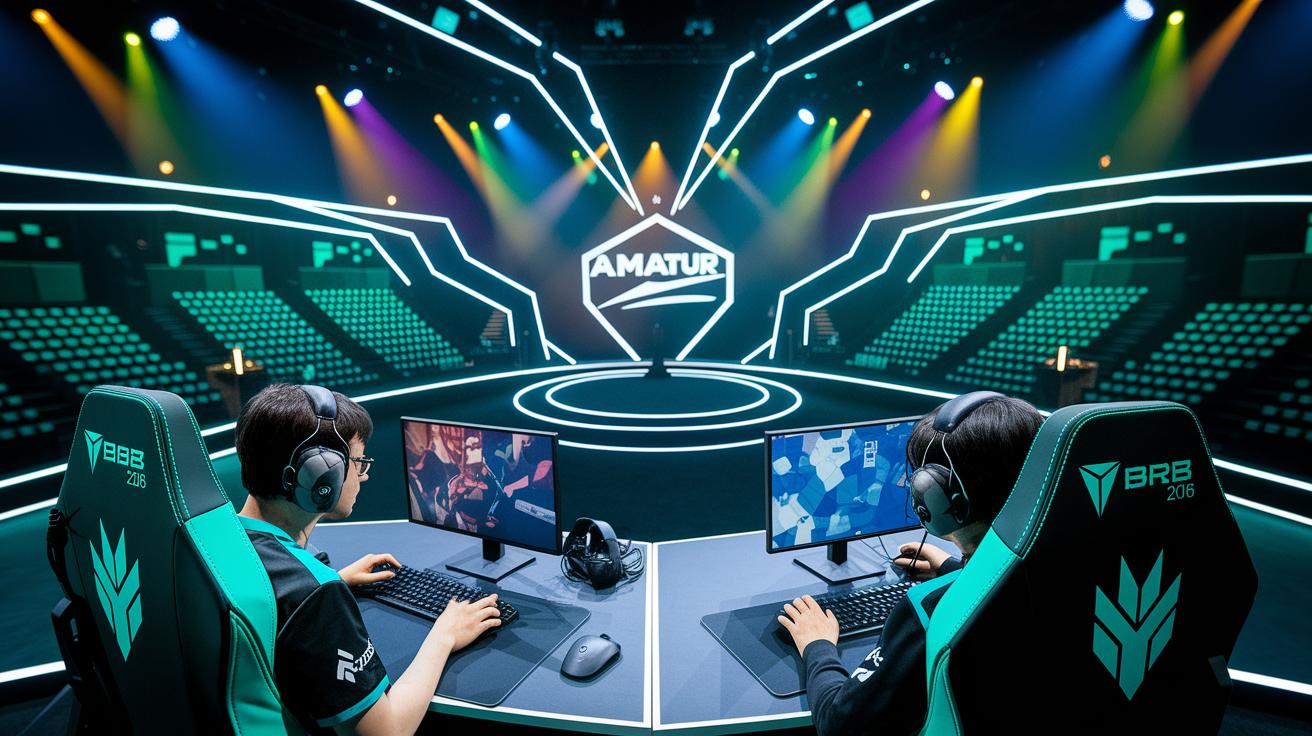
Red Bull took things to another level with its Kumite tournament in the Street Fighter series. This multi-day event not only offered big cash prizes but also reached gamers worldwide through Twitch, YouTube, and eye-catching logos everywhere. Fans got to join in on social media challenges and even score some special co-branded gear, which made the whole experience feel electric.
Tournament Structure and Sponsorship Rights
Red Bull secured rights that covered both the live event and its digital side. At the venue, every spot showcased the sponsor’s style, and online, digital overlays kept the branding consistent throughout the tournament. They also set up fun social activities that pulled fans into ongoing challenges and buzz. Plus, co-branded merchandise connected the in-person excitement with online chatter, making everyone feel part of the action.
Results and Engagement Metrics
- Peak live viewership
- Total social-media engagements
- Merchandise sell-through rate
- Impressions on digital overlays
• Focus on engaging fans across multiple channels
• A cool mix of physical and online branding that worked together smoothly
• On-the-fly data helping shape future sponsorship moves
Technological Innovations and Analytics in Sponsorship Deal Analysis
AI-powered tools are changing the game when it comes to measuring sponsorship impact. Take Shikenso, for example. This system uses smart tech like computer vision and audio detection to spot every brand logo across different channels. In real time, it shows you easy-to-read dashboards with counts of impressions and simple breakdowns of who’s paying attention.
- Computer vision logo tracking
- AR advertising overlays
- VR event branding
- Dynamic in-game billboards
- Real-time social mention monitoring
Multimedia rights surveys are now a big part of how esports sponsorship deals are evaluated. Many contracts include tech-focused clauses so that every digital moment, whether it’s an AR overlay or a VR activation, is tracked and even monetized. This clear setup not only boosts transparency in deal performance but also helps brands figure out where each ad dollar is best spent. For instance, detailed dashboards show exactly how much value each ad placement brings in different media segments.
Privacy and regional rules still play a huge role in using these tech tools. Companies have to balance cutting-edge analytics with local laws to make sure they’re protecting user privacy and sticking to regulations.
Future Outlook and Strategic Recommendations for Esports Sponsorship Deals
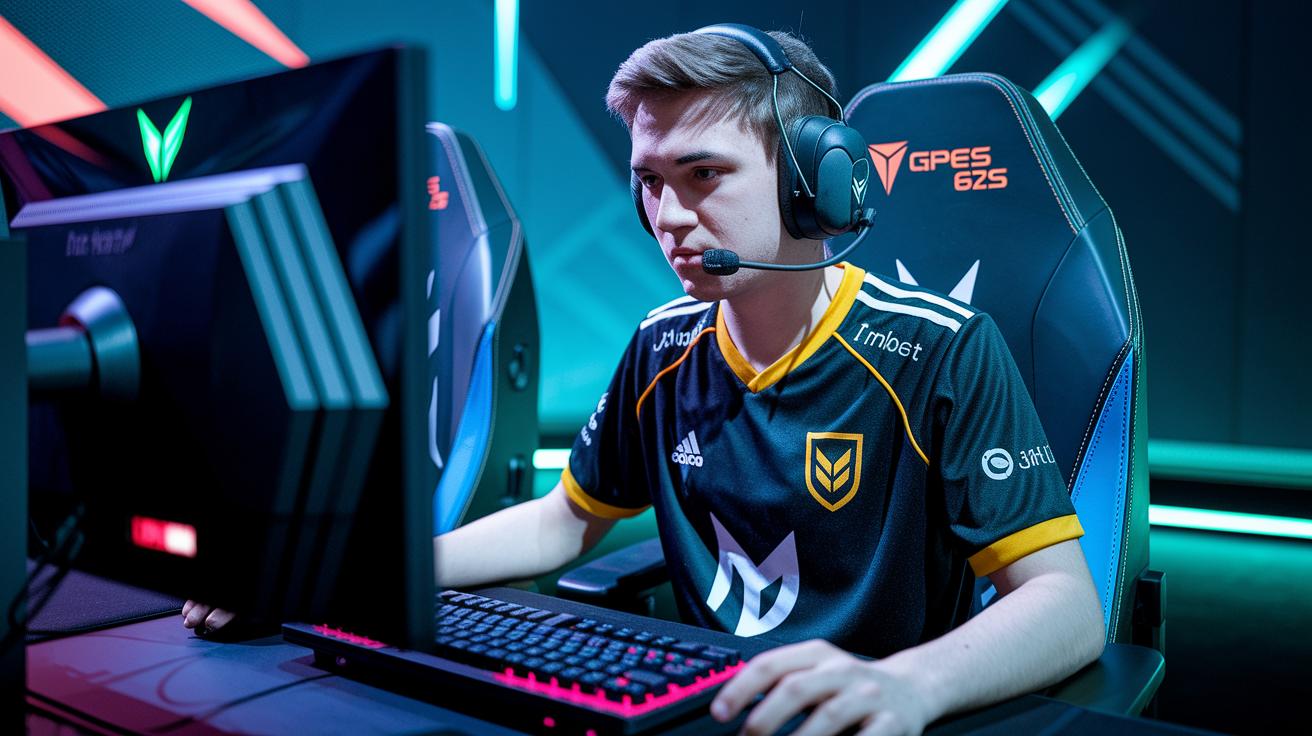
The esports market is on fire. It will jump from $2.06 billion in 2024 to about $9.29 billion by 2032. That’s a steady 20.7% growth every year. Most fans, around 85%, see sponsors as a big deal. They are usually between 18 and 44 years old, with roughly 72% males and 28% females. This crowd really connects with brands that match their energy, and they’re starting to notice sponsors who value diversity and social goals.
So, sponsors are rethinking how they make deals and planning ahead for any bumps along the way. They need strategies that not only show clear returns now, but also set them up to benefit from a growing audience over time.
- Link KPIs to tiered payment models
- Keep diversity and inclusion partnerships at the forefront
- Expand media rights across different regions
- Bring mobile-first competition assets into play
- Add contingency clauses to brace for market ups and downs
It pays to be smart about risk, too. Building strong risk-mitigation strategies means being ready for both market changes and new regulations. This approach helps protect investments and keeps returns steady.
Some exciting trends to keep an eye on include:
- Growth of women’s esports leagues
- Virtual and hybrid event sponsorships
- AI-driven content personalization
- Performance-based bonus structures
Final Words
In the action, we broke down sponsorship structures, financial terms, tech innovations, and market trends, all built into smart esports sponsorship deal analysis. We walked through details like revenue sharing, digital tracking, and high-profile case studies that show how brands step up their game. Each section offers insights that boost both gaming performance and streaming quality. This deep dive leaves you with a clearer picture and the confidence to discuss and apply advanced strategies in your next esports move. Keep pushing forward and refining your competitive edge.
FAQ
Esports sponsorship deal analysis pdf
The esports sponsorship deal analysis pdf provides a detailed review of deal structures, revenue sharing, and financial terms, offering clear insights into league, team, and player-level agreements to help brands assess potential ROI.
Esports sponsorship packages
The esports sponsorship packages outline various deal tiers such as league-wide rights, team branding, and player endorsements, ensuring brands understand the range of benefits available for reaching targeted gaming audiences.
Gaming sponsorship
The gaming sponsorship deals connect brands with esports platforms by offering creative rights, financial guarantees, and advertising opportunities that drive audience engagement through dynamic in-game and digital promotions.
Mobile game sponsorship
The mobile game sponsorship integrates brands within mobile gaming environments through in-app ads and interactive placements, providing unique digital exposure to an audience that is highly engaged and constantly on the move.
How to get sponsored by gaming companies
The process to get sponsored by gaming companies involves building a strong online presence, consistently engaging your audience, and showcasing skills and authenticity, which can attract brands looking for genuine partnerships.