
Ever wonder if virtual reality could totally change competitive gaming? Sales numbers and buzzing communities are showing that esports might soon be even more immersive and full of action. Imagine stepping into a game world that feels just as real as your living room, with every move you make looking and feeling lifelike. Next-gen headsets are already turning this from a dream into reality, and experts say VR esports could rewrite the rulebook on how we compete. Get ready for a game-changing revolution that might just transform our play for good.
Market Forecasts for Future Trends in Virtual Reality Esports
Data shows that virtual reality gaming is not just a trend but a fast-growing world that keeps surprising us. For example, Meta Quest headsets have sold over 30 million units by 2023, which tells us that more and more people are getting on board. In the U.S., the number of VR users jumped from 11 million in 2017 to nearly 33 million in 2023. That paints a picture of a vibrant community ready for exciting, immersive gameplay.
Analysts believe that VR esports will break into the main stage of competitive gaming within the next 5 to 10 years. Gamers will soon enjoy more social experiences, playing side by side with friends in lifelike virtual arenas instead of playing alone at home. Investors are also excited; by 2022 the market reached an impressive value of about $209.2 billion, showing a lot of faith in what VR has to offer.
There are a few trends to watch:
- Affordable, next-gen headsets making VR more accessible
- A growing number of users around the globe fueling a strong community
- Rising market value that covers both hardware and software breakthroughs
- Predictions that VR esports will soon join traditional competitive gaming
These insights point to an exciting future where VR changes the way we see esports. Before VR became a mainstay in competitive gaming, only a handful of enthusiasts explored its potential; now it has grown into a multi-billion-dollar field. It's amazing to see how virtual reality is set to bring thrilling, high-tech competition to our screens, and it only looks to get even bigger.
Hardware and Software Innovations Shaping Virtual Reality Esports
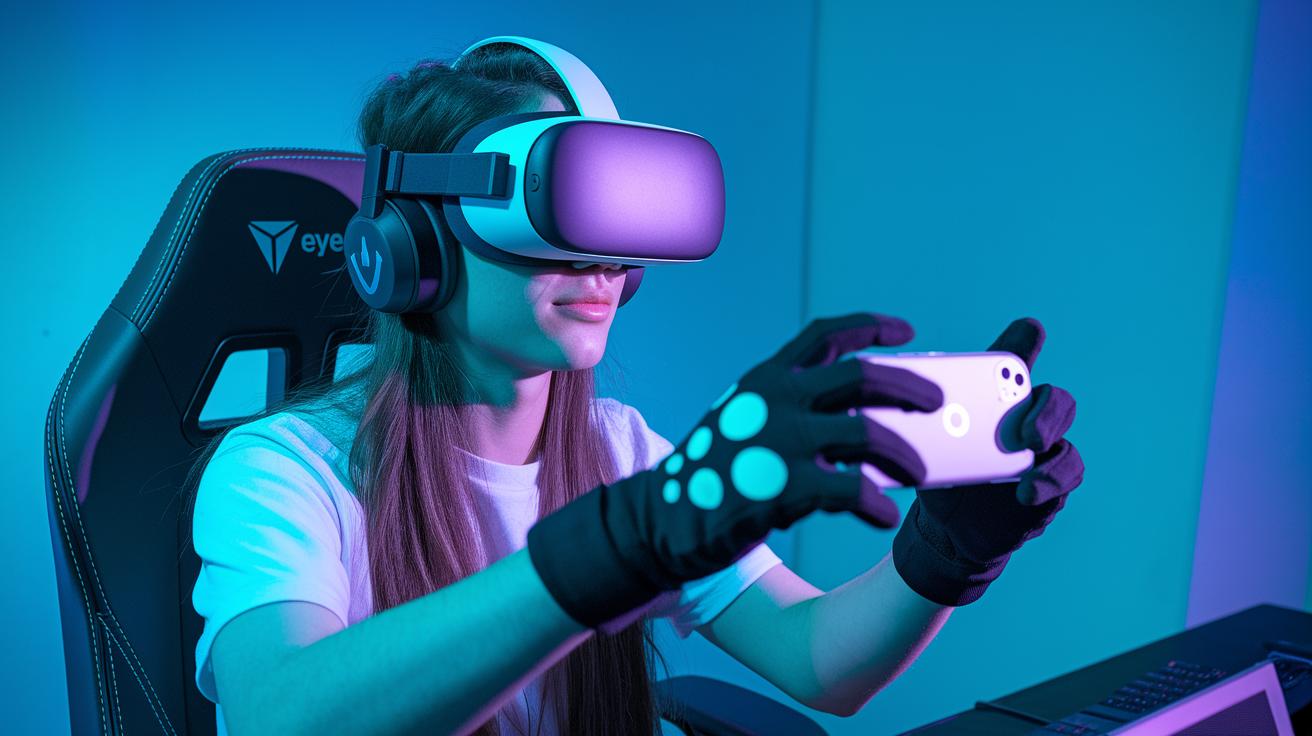
Next-gen headsets are making gameplay feel almost real. The new tech lets you sense every hit and collision like it’s happening right next to you. Imagine landing a perfect strike and actually feeling the jolt, the advanced haptic feedback brings that moment to life.
Soon, integrated eye tracking will let the game follow your gaze, making interactions smoother and more natural. It’s like having the game read your mind, responding exactly where you look.
On the software front, AI and AR upgrades are turning VR platforms into worlds that change with your play style. Devices like the ones similar to Apple Vision Pro push for a mix of digital and real, so you never feel isolated. Plus, the PICO 4’s light, sub-600 g design proves that comfort and performance can play well together.
| Technology | Benefit | Timeline |
|---|---|---|
| Advanced Haptic Feedback | Feels every impact like real life | 2024–2026 |
| Integrated Eye-Tracking | Makes gameplay super responsive | 2025–2027 |
| Sub-600 g Design (PICO 4) | Light and comfy for long play sessions | 2023–Present |
| AI & AR Environments | Adapts worlds to your personal play style | 2024–2027 |
All in all, these hardware and software breakthroughs are set to make VR esports more fun, immersive, and easy to use.
Audience Engagement and Spectator Technology in Virtual Reality Esports
In 2023, VR gaming changed the way fans enjoy matches. Now it’s not just about playing; people watch, chat, and hang out in virtual spaces with both friends and new faces. Imagine joining a lively virtual arena that feels as exciting as the game itself, even if you don’t own a fancy headset. It’s like being able to tune into your favorite match on your phone, laptop, or tablet. Gaming just got a lot more accessible and fun.
Advanced tech in broadcasts is totally shaking up our viewing experience. Picture watching a game with real-time stats popping up on the screen or choosing from different camera views to see your favorite player in action. These cool features make you feel like you’re part of the game, not just a spectator. And soon, you’ll even get interactive fan avatars and personalized stats that let you control your own viewing experience.
In short, technology is bridging the gap between esports and live sports, only with that extra VR twist that makes it all so exciting. Check out these top five ways tech is leveling up the fan experience:
- AR overlays that show live game stats
- VR viewing modes with multiple camera choices
- Cool, interactive fan avatars
- Custom viewing analytics just for you
- Streaming that works across different devices
Investment Trends and Economic Outlook for Virtual Reality Esports

Investors are buzzing about VR esports right now. A fresh $750K funding call for VR game founders shows just how confident they are in this space. New funding is sparking cool innovations and making the whole scene more exciting. Plus, with around 150 new job postings in VR gaming, companies are quickly leveling up their teams to set up competitive digital tournaments.
More gamers are diving into using headsets, and you can feel the thrill in the market. With more people joining the VR revolution, high valuations are boosting investor optimism. Many are betting on strong growth over the next 5 to 10 years. It almost feels like watching the final moments of an epic game. Remember when a popular streamer mentioned, "Back in 2022, the VR market was valued at nearly $209.2 billion"? That really set the stage for a high-stakes battle that just keeps getting bigger.
The hiring surge and streamlined tech advances are clear signals of a healthy financial trend in competitive gaming. With more capital, fresh hires, and smarter tech, the outlook feels as thrilling as a game-winning play, keeping both investors and gamers on the edge of their seats.
Gameplay and Design Innovations in Future Virtual Reality Esports
VR games are changing the way we battle it out in virtual arenas. Games like Beat Saber, Half-Life: Alyx, and Saints & Sinners are setting a high bar with their immersive styles. Developers are mixing things up with vibrant, playful designs that remind you of fun, colorful worlds like those in Roblox. Imagine a game that feels just as joyful as your favorite childhood playground, where every new level could lead to a big win. These creative twists make the action more engaging and attract gamers of all ages.
Indie teams are stepping into the spotlight with fresh ideas that flip the old production rules. One cool example is a top-ten Meta Quest game crafted by someone too young to drive. It’s proof that smaller teams can go toe-to-toe with big studios using passion and innovative thoughts. And it doesn’t stop there, experiments with cross-device play, pairing PC-VR with console-VR, are on the rise. This move will let players jump into high-energy battles on any hardware they choose, making every match feel smooth and exciting.
The future of VR esports is all about these exciting design changes, the drive of up-and-coming indie developers, and the promise of seamless play across different devices. Every game will feel fresh, fun, and a little unpredictable, just like the best moments in your favorite esports match.
Challenges and Solutions for Scaling Future Trends in Virtual Reality Esports
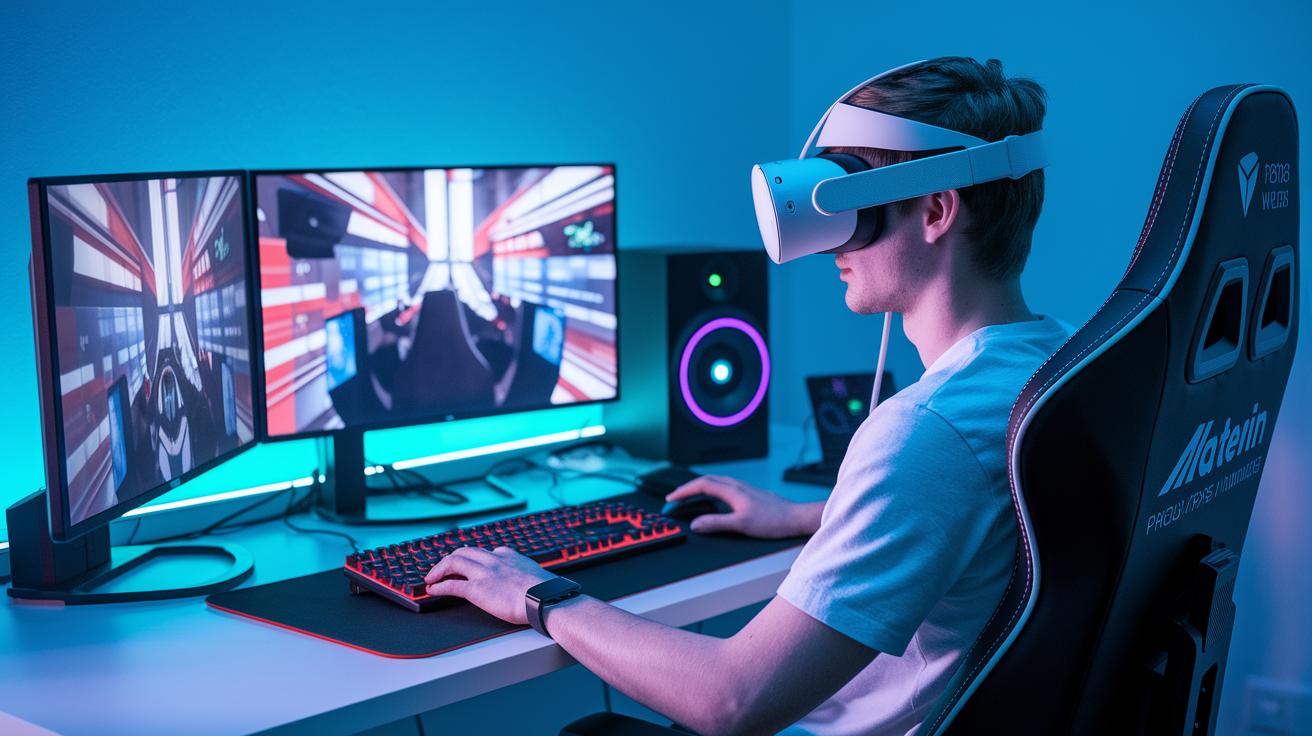
VR esports faces some real challenges. For one, high headset prices, few VR-specific games, motion sickness, and heavy streaming demands can put a damper on the experience. Gamers sometimes battle discomfort during long sessions, and older devices can struggle with fast-paced streams, keeping the scene from growing as much as it could.
But there’s good news too. Headset designs are getting smarter and lighter. Manufacturers are cutting down the weight and adding smart ventilation, which helps keep you cool and comfy. Imagine diving into your game and feeling that cool breeze, like walking into a well-air-conditioned room on a scorching day. Plus, new toolkits for developers are opening up the path to more diverse and exciting games.
On top of that, wellness tips are stepping in to help manage motion sickness and screen fatigue. Features like built-in rest reminders and quick comfort tips in-game can prompt you to take a break just when you need it. And with ethical guidelines to handle sensitive content, gamers can feel a bit more at ease. Together, these improvements are building a stronger and friendlier VR esports community, setting the stage for even more epic virtual competitions.
Final Words
In the action, this article took you through market forecasts, hardware breakthroughs, and spectator tech that’s reshaping VR competitions. We highlighted investment updates and fun yet challenging design innovations that could change competitive play. Each section built a clear picture, laying out data, emerging tech, and creative game design. The insights aim to boost your knowledge and performance in VR gaming while keeping you ready for future trends in virtual reality esports. Keep pushing for excellence and savor every winning moment.
FAQ
What are the future trends for virtual reality esports in 2025 and beyond?
The future trends indicate that VR esports will see mainstream competitive play with advanced hardware, improved social features, and blended spectator tools driving a richer, interactive gaming scene.
What do virtual reality future predictions involve?
These predictions point to rapid market growth, innovative technologies like eye-tracking and ergonomic headsets, and enhanced software features that push VR toward mainstream usability.
What is the future of VR gaming?
The future of VR gaming includes immersive titles, cross-platform play, and hardware improvements that create more realistic and engaging competitive experiences.
What is the future of VR sports?
VR sports are set to evolve with interactive play modes, smart integration of AR overlays, and improved viewing options that bring sports-like excitement to digital arenas.
What is the future of virtual reality in education and entertainment?
VR in education and entertainment will merge interactive learning and fun experiences using immersive visuals, AR integration, and adaptive software that redefines engagement.
What skills do people need to work in virtual reality?
Working in VR requires technical know-how in software and game development, creative design insight, and familiarity with emerging technologies like haptic feedback and AI integrations.
What is the current state of virtual reality technology?
Today’s VR technology is marked by rapid hardware improvements, rising adoption rates, and sophisticated software that drives market growth and a more immersive gaming experience.
How is virtual reality progress measured?
Progress in VR is seen through increasing headset sales, expanding user numbers, and substantial market valuations, all reflecting steady innovation and industry expansion.