
Are today's game roadmaps really shaking things up, or are they just following an old, tired playbook? Imagine every update feeling like a clever new move during your favorite game.
Modern game roadmaps go beyond simple timelines. They work like smart blueprints, guiding big updates and enhancing player experiences. With cloud gaming on the rise and gamers creating more and more content, these roadmaps are changing how games feel and work.
Let’s explore the bold strategies that are reshaping the future of gaming.
What Defines Modern Game Roadmap Trends?
Game roadmaps act as plans that guide creative gaming projects. They help teams decide when to roll out cool new features, updates, and fresh experiences, all while keeping up with what players expect. With the rise of free-to-play AAA games and events like Fortnite’s seasonal updates, a solid roadmap can really shift the way gamers enjoy their play time.
But a solid roadmap is more than just a timeline, it’s a smart strategy that brings together new tech and exciting game moments. Think about it: cloud gaming searches have shot up by 975% over the past five years, and players creating their own content is boosting game life. Add in the magic of AI helping with development and using mixed ways to earn money, and you’ve got a roadmap that helps games thrive long-term.
- AAA cross-platform free-to-play games are changing how companies and players see the game world.
- Cloud gaming searches have jumped 975% in five years, showing a clear shift toward streaming.
- The rise in user-made content, like a 57% boost in Roblox searches, keeps games interesting for longer.
- AI is speeding up game creation and letting teams offer personalized play.
- Hybrid earning methods like rewarded ads and microtransactions open up new revenue options.
- Early Access and live updates, like Fortnite’s seasonal changes, keep communities active.
- Games are turning into social hangouts, with community hubs outshining traditional competitive setups.
These trends point to a shift toward flexible, tech-driven strategies that hit the mark for both gamers and the market. By mixing fast-paced updates, player-focused tweaks, and various ways to earn money, modern game roadmaps are set up to change quickly and deliver awesome experiences that keep players coming back for more.
Mapping Key Milestones in Game Roadmap Trends

Mapping key milestones lets game teams keep track of progress and plan ahead in a smart way. By breaking the journey into stages like Early Access Beta and full public release, developers can line up creative goals with technical checkpoints. For example, early access kicked off as a beta in Q3 2023, moved into open access by Q1 2024, and is set for a full launch in Q4 2025. This steady timeline matters, especially when you see big industry trends. Look at Fortnite’s seasonal roadmap, which introduced themed content and shifts between November 2023 and March 2024. Meanwhile, cloud gaming first ran tests in 2020 and expanded worldwide from 2022 to 2024. And mobile gaming in areas like MENA and SEA is booming, with user numbers rising by 45% between 2022 and 2024.
| Milestone | Description | Date/Timeframe |
|---|---|---|
| Pre-Production | Testing ideas and setting up the team | Q1 2023 |
| Early Access Beta | Limited player testing phase | Q3 2023 |
| Open Access | Gaining community feedback | Q1 2024 |
| Seasonal Live Ops | Monthly themed updates | Q3 2024–Q1 2025 |
| Full Launch | Worldwide release with a big marketing push | Q4 2025 |
Adapting the pace to fit the project and market needs is key. Teams must keep an eye on trends like mobile gaming growth in new regions and the evolving cloud gaming landscape. This flexible approach helps ensure game features roll out at a steady pace that meets both creative dreams and market demands.
game roadmap trends: Bold Strategies Ahead
In the post-privacy era, UA strategies now lean on probabilistic models and aggregate attribution methods to fine-tune CPI targets. These tools let developers spot the best ways to spend on new players even without detailed personal data. Hybrid monetization is also getting a lot of love; for example, studies show microtransactions rake in about 60% of revenue while rewarded ads bring in another 30%. This blend suits different types of gamers, from those who enjoy quick, small perks to those who invest more deeply.
Influencer campaigns on TikTok and YouTube are making a real impact. Games like Among Us and Goose Goose Duck saw a 20% boost in installs when backed by influencer content that feels raw and genuine. Meanwhile, emerging markets such as India, Southeast Asia, and MENA saw a 45% growth in users between 2022 and 2024. These regions are quickly turning into key battlegrounds, driven by local players who fuel both new downloads and ongoing play.
Social gaming is another exciting trend. Community-driven experiences have sparked a 30% bump in engagement, showing that players now crave spaces where they can connect and interact, not just play a game.
With these stats in mind, smart game roadmap strategies should mix these insights into their plans. By focusing on smart user acquisition, genuine influencer efforts, tapping into emerging markets, and boosting social engagement, development teams can design roadmaps that not only push innovation but also speak directly to what gamers are looking for today.
Case Studies Showcasing Successful Game Roadmap Trends
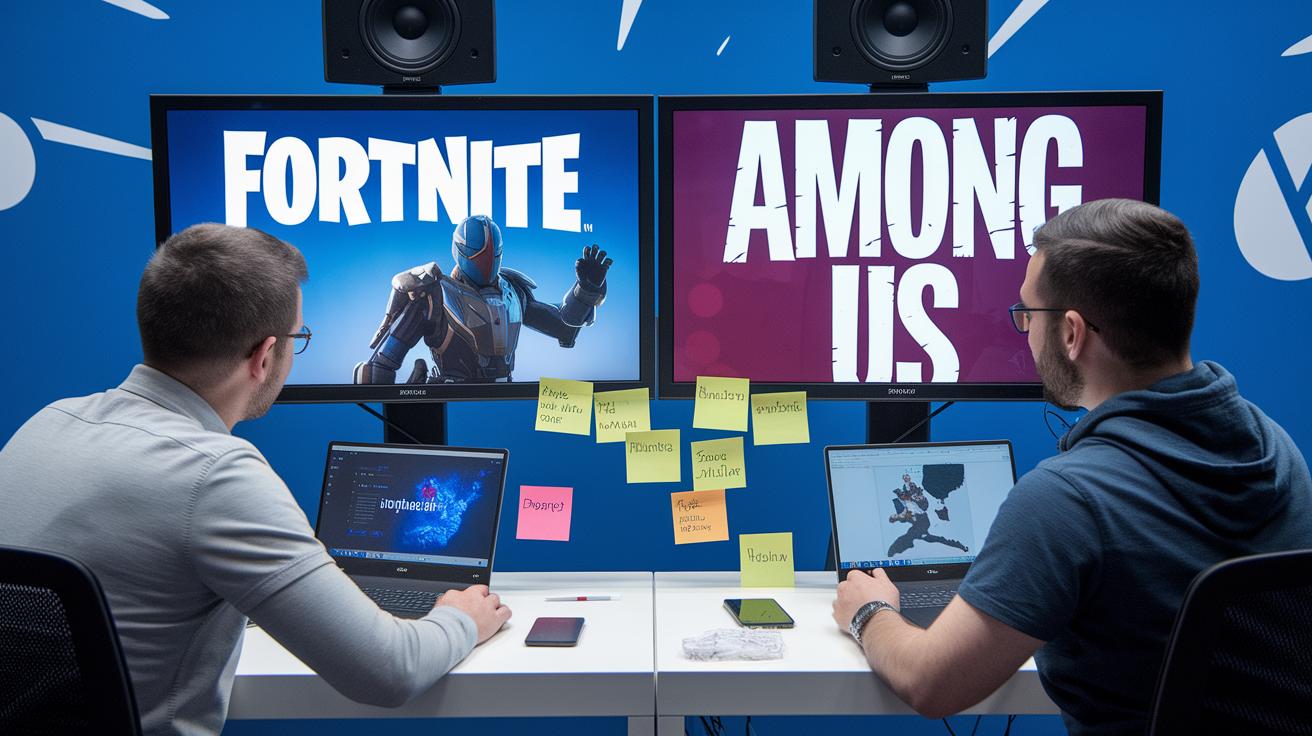
Real-life examples show that a clear game plan really pays off. Teams that update quickly and put players first see more engagement and growth. These stories explain how steady, smart updates and a focus on community feedback can lead to big wins.
Fortnite Seasonal Live Ops
Fortnite is a prime example of quick, focused updates. Epic uses fast, timed sprints to roll out fun themed drops every season. This smart approach lifted player returns by around 40% year after year. Picture it like dropping a surprise bonus round in the middle of an intense game. Each update is planned to keep the momentum going, inviting players back for more action.
User-Generated Content in Among Us
Among Us took a different route by letting players help shape the game. In mid-2021, the addition of custom mods and tools allowed players to create their own game modes. This change boosted monthly users from 100K to 500K in just six months. Imagine giving players a digital paintbrush to add their personal touch. This tactic not only made the game more fun but also kept it feeling fresh and adaptable.
These examples teach us key lessons for game roadmap design. Quick and flexible updates, mixed with strong community input, can drive strong growth and higher player retention. Bringing together regular seasonal changes with community-created content offers a tried-and-true approach to keeping a game lively and engaging.
Innovative Approaches in Emerging Game Roadmap Trends
AI-powered backlog sorting is shaking up how game roadmaps come together. By watching how players interact and predicting trends, developers can zero in on features that truly resonate. It’s like getting the perfect game update right when you need it. Meanwhile, breaking down projects into smaller, bite-sized sprints lets teams try new ideas on the fly, just like testing a fresh strategy during an intense match.
Cross-functional groups are teaming up across live ops, marketing, and analytics to keep things adaptable. This modular scheduling lets teams pivot quickly based on what players are saying in real time. And it doesn’t stop there. Imagine parallel sprints that even cater to chill, wellness-focused game modes. It’s a blend of action-packed RPG elements with relaxing social features, all coming together in a creative and flexible way.
- AI-driven backlog sorting based on player insights
- Roadmaps split into focused, mini-sprints
- Teams uniting live ops, marketing, and analytics
- Parallel sprints for relaxed game modes and wellness content
- Blueprints that mix and match diverse game mechanics
- Rapid iteration cycles to test and tweak ideas instantly
Using these fresh methods, teams can easily adjust their plans to match what players love. This approach keeps the game experience lively and evolving along with its community, delivering a design process that’s as personal as it is dynamic.
Future Outlook for Game Roadmap Trends
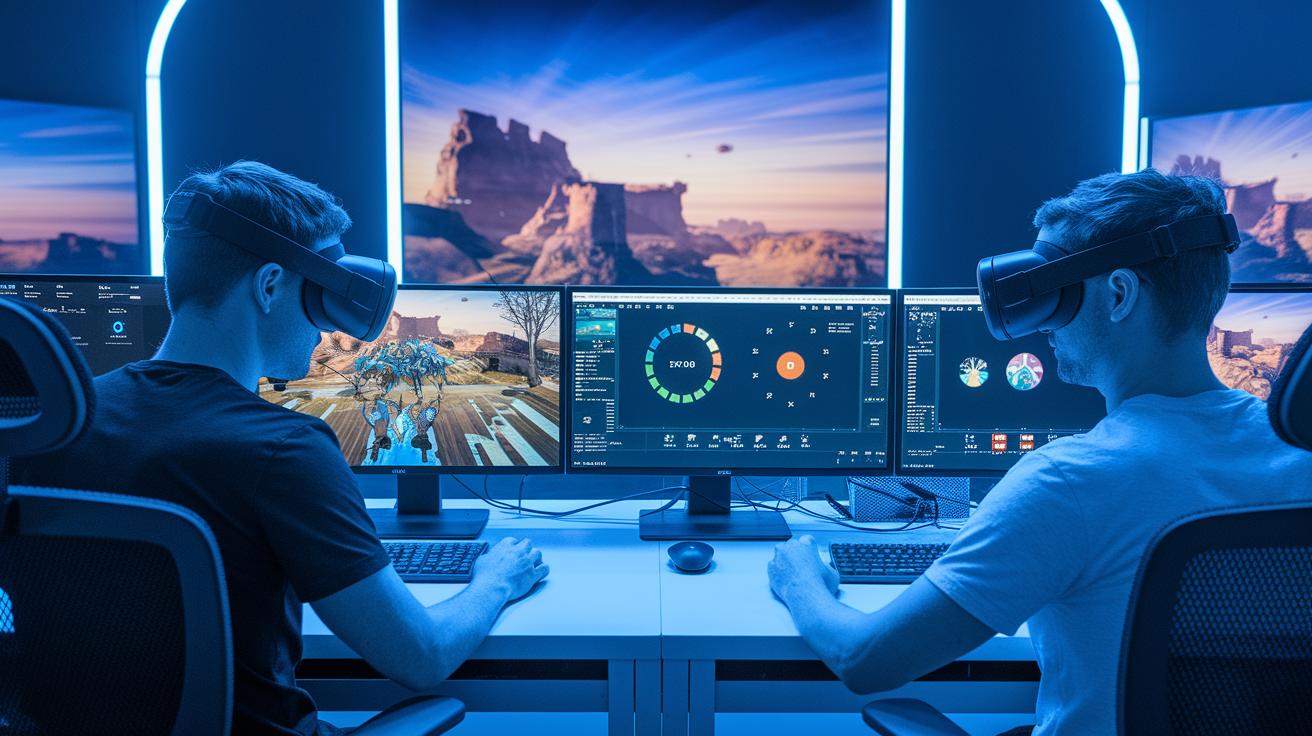
Real-time dashboards that show live game stats are about to change game planning. Teams can adjust things on the fly, almost like switching up your strategy mid-match. Developers will watch player actions as they happen and quickly fine-tune their approach. Imagine tweaking your move during a game based on what’s happening right now. It’s a simple but powerful way to keep updates smooth and engaging.
Immersive planning is next up. By 2026, planning with VR and AR will let players try out updates in fully immersive worlds before they hit the live game. And starting in 2025, major studios will roll out calming, wellness-focused gaming modules. These modules are designed to give players a breather during intense sessions, almost like a mental power-up break.
Overall, the future of game roadmaps is all about quick action and cool, immersive experiences. Cloud-based systems will speed up update cycles, aiming for monthly drops that keep games feeling fresh. This smart approach blends real-time data, hands-on testing, and wellness features to make sure game development stays in tune with player needs and market trends.
Final Words
in the action, this article broke down modern game roadmap trends through key milestones, real-world case studies, and hard statistics. The breakdown showed how free-to-play shifts, cloud gaming growth, and innovative scheduling fuel smoother in-game experiences. By tying together agile updates and data-driven insights, we see that smart planning drives better gameplay and streaming quality. These game roadmap trends set the stage for future wins, keeping the field competitive and fun.
FAQ
What are gaming trends for 2025?
The gaming trends for 2025 show a shift toward cross-platform, free-to-play models, fast cloud gaming growth, and user-driven content, paired with blended monetization methods that keep gameplay fresh and engaging.
What are current gaming trends?
Current gaming trends highlight rising social spaces, continuous updates via Early Access, and live operations that add community features, all aimed at increasing player interaction and excitement.
What are online gaming trends?
Online gaming trends focus on real-time events, live community hubs, and smooth monetization practices that build a more connected and interactive digital play experience.
What are Android game roadmap trends?
Android game roadmap trends involve planning for quick mobile updates, incorporating user feedback in staged rollouts, and mixing microtransactions with rewarded ads to boost in-app engagement.
What are mobile gaming trends in 2025?
Mobile gaming trends in 2025 emphasize rapid feature updates, hybrid monetization, and community-focused content, catering to a growing audience that demands frequent and immersive experiences.
What do gaming trends on YouTube show?
Gaming trends on YouTube indicate that content creators greatly influence game popularity by highlighting new features and sparking buzz, which in turn shapes marketing strategies and player expectations.
What are social trends in gaming?
Social trends in gaming point to a move toward interactive community hubs and live shared experiences, promoting an environment where players enjoy a mix of casual and competitive play.