
Ever think about how a simple game might change the way we connect? Gaming has come a long way, from busy arcades to lively online hangouts where we share ideas and have fun together.
It all started with basic games that brought friends together. Now, gaming even influences how we dress, talk, and see one another.
In this post, we dive into how gaming doesn’t just entertain us; it also sparks cool, new trends that shape our everyday lives.
Historical Evolution and Societal Impact of Gaming Culture
Back in the 1970s and 1980s, arcade gaming kicked off the video game craze. Those early game rooms, with their simple graphics and basic sounds, were the hangout spots where friends would gather to crush high scores and share big smiles. Before long, home consoles like the Atari 2600, NES, and Sega Master System made gaming a regular part of everyday life, blending fun and technology with the latest trends in music, fashion, and chat.
Then came the 1990s, when PC gaming exploded with hit games like Doom, Quake, and Half-Life. These games not only told cool stories but also challenged players' skills, turning gaming into a social event that even influenced the way people talked and dressed. In recent years, mobile games like Candy Crush, Clash of Clans, and Pokémon Go have taken fun to a whole new level, mixing casual play with major cultural impact. This progression has changed the way we interact through games and has kept gaming at the heart of modern entertainment.
| Era | Timeframe | Landmark Titles |
|---|---|---|
| Arcade | 1970s–80s | Various Classic Games |
| Home Consoles | 1980s–90s | Atari 2600, NES, Sega Master System |
| PC | 1990s–2000s | Doom, Quake, Half-Life |
| Mobile | 2010s–Present | Candy Crush, Clash of Clans, Pokémon Go |
Community Values and Subcultures Within Gaming Culture

Gaming culture is full of energy and creativity. Groups of players come together to celebrate games, share cool ideas, and mix art with play. Each community adds its own spark, showing how shared passion can change the way we game and connect online.
-
Esports teams
Esports teams are all about the thrill of competition and working together. They bring gamers who commit fully to mastering a game, often battling it out in high-stakes tournaments. Their tight bond and focus push the limits of virtual matches and make each win feel epic. -
Indie communities
Indie communities burst with creativity. Independent developers and passionate players rally around unique game projects that dare to be different. Their fresh ideas often ripple out and inspire trends, paving the way for new thoughts on game design. -
Retro collectors
Retro collectors keep the spirit of old-school gaming alive. They seek out classic titles and restore arcade cabinets and consoles that shaped early video game history. Their enthusiasm brings back cherished memories and turns nostalgia into a lively celebration of past play. -
Modders
Modders love to mix things up by tweaking games to create something new. By adding fresh content or changing gameplay, they show just how versatile games can be. Their custom mods give old favorites a second chance at life and invite others to dive in and experiment. -
Fandom creators
Fandom creators spread their love for games through art, cosplay, and fan events. They craft stories, designs, and live shows that honor iconic games and characters. Their creative efforts keep the gaming conversation buzzing and build a strong sense of community.
These groups play a big role in shaping the values of gaming today. They bridge art and competition, spark innovation, and remind us that being a gamer is about more than just playing–it’s about connecting, creating, and enjoying the ride together.
Technological Platforms and Their Influence on Gaming Culture
Gaming platforms have come a long way. They started in arcade rooms and on home consoles and then moved to personal computers and today’s lively streaming sites. It’s like the game room vibe moved right into our living rooms. Now, with sites like Twitch and YouTube, watching gameplay can feel as thrilling as playing it. Live chat streams make every comment feel like a cheer from an excited crowd.
Online chatting has become a big part of the whole viewing experience. People join these digital hangouts and create their own set of friendly rules, mixing courtesy with playful jokes. It’s like having a fun, casual conversation with your buddies while watching your favorite game. That mix of friendly banter and competitive spirit turns an ordinary stream into a lively, interactive show full of talent and personality.
Virtual reality is taking storytelling to a whole new level. With VR, the line between being a player and a viewer starts to blur. Check out how virtual reality is reshaping game storytelling to see what we mean. Imagine stepping into a dynamic world where every move you make builds your own epic adventure. It’s a unique blend of feeling close and part of something huge at the same time, letting gamers share memorable, breathtaking moments together.
Esports Trends and Professional Elements in Gaming Culture
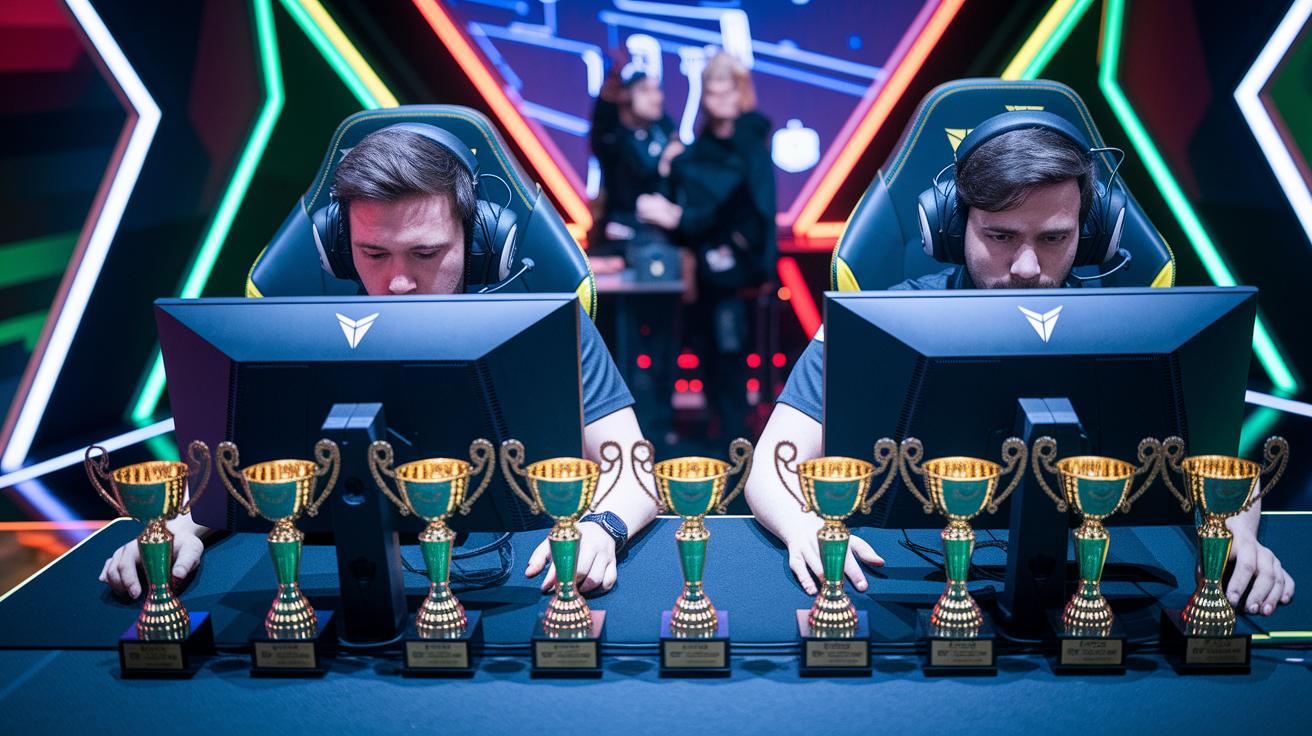
Modern esports has flipped the script on what started as just casual play, turning it into a high-stakes stage where teams fight for glory. Big tournaments, like The International with a prize pool topping $40 M in 2021 and LoL Worlds, have upped the competitive ante. These events helped shape organized team setups and introduced a clear pecking order in the gaming scene. Now, players get access to focused training, smart coaching, and a level of professionalism that lights up every match. It’s no wonder esports has gone from small meetups to events that captivate millions worldwide.
The business side of esports has also had a major update. Instead of old school sponsorships alone, income now comes from merch, streaming, and special sponsorship deals. Media rights have become a big piece of the puzzle, with cool broadcast tech turning gameplay into a fully produced show. Professional gamers are even seeing higher salaries as teams sign contracts much like those in traditional sports. And thanks to sponsorship and endorsement deals, even new teams can get the funding they need to level up their game and connect with fans. For more insights on what's coming next, check out “future trends in esports: expert predictions” (https://rogueimc.org?p=7227).
Broadcasting in esports is next-level, featuring slick production values and interactive streaming that pulls fans right into the action. Worldwide viewership keeps growing thanks to advanced streaming services and broadcast networks that deliver sharp visuals, expert game talk, and immersive storytelling. All of this makes watching esports feel like being part of a shared, exciting experience. The blend of fresh visuals and a growing viewer base has firmly placed esports as a major player in gaming culture, striking a chord with both fans and sponsors alike.
Creative Expression and Narrative Innovation in Gaming Culture
Game stories have really evolved over time. They used to be simple and straightforward, but now they open up to huge worlds filled with cool backstories and endless possibilities. Remember the old arcade games? They often had basic backdrops that just set the stage for the action. Today, games like The Last of Us and Hades let you dive into deep narratives where every choice matters, much like chatting with a friend about a plot twist.
Here's something cool: When players first jumped into the dark world of The Last of Us, they felt a level of storytelling that was as real as a blockbuster movie. This shift shows how game designers now invite us to really get involved with characters and plots that evolve as we play.
Fans and community creators have stepped in to add their own flavor to these epic tales. Modders, fan fiction writers, and artists have breathed new life into classic game stories by adding unexpected twists or even creating entirely new chapters. Imagine a mod that reveals a secret side of your favorite hero, it’s like getting a behind-the-scenes look at a role-playing chat. These creative touches not only celebrate the original game but also push developers to think about storytelling in a fresh, dynamic way.
Both indie gems and big-budget blocks are experimenting with game narratives that change on the fly. Developers are now playing around with stories that adjust in real time based on your actions, making every run feel unique. Think about a game where the storyline shifts just like a live conversation, with the world listening and reacting to every move you make. This blend of official design and fan-inspired creativity is setting the stage for digital stories that are as personal as they are exciting.
Social Dynamics and Identity Formation Within Gaming Culture
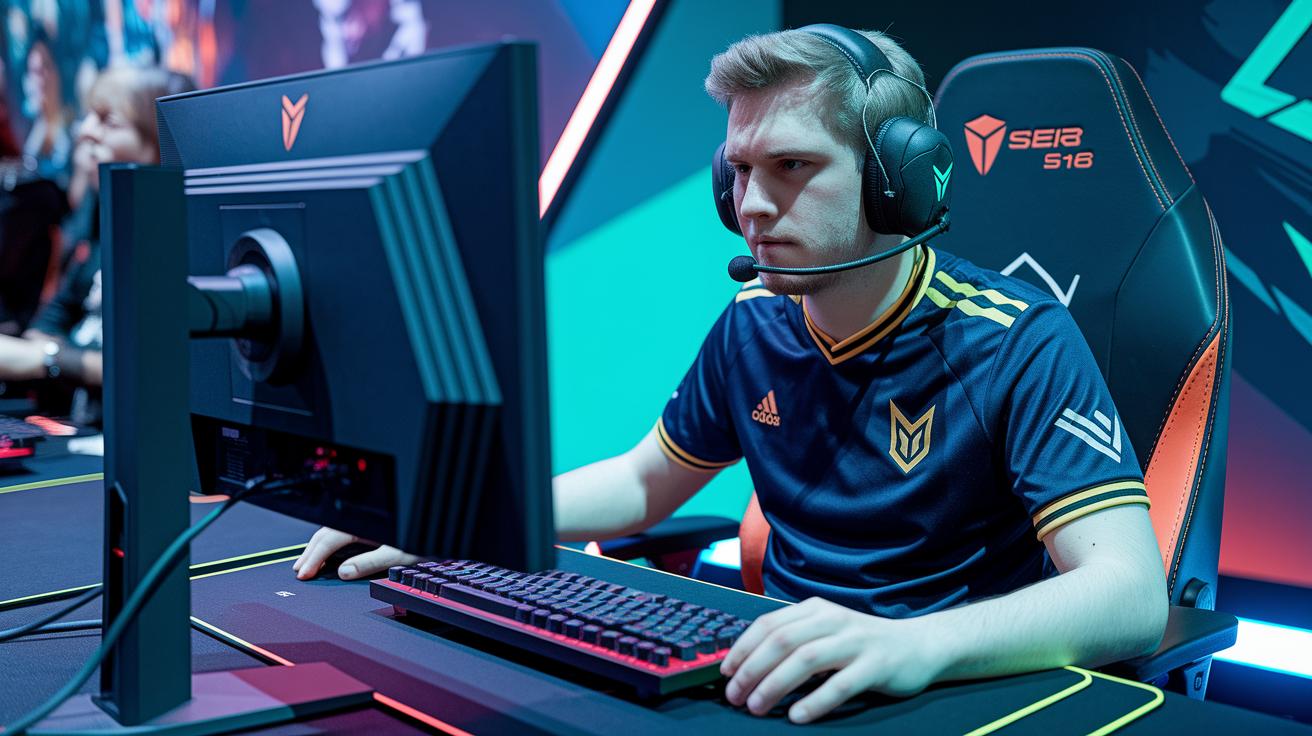
Gamers build their online personas with cool avatars and catchy usernames that show who they are. Many also join guilds or clans that highlight teamwork and shared interests. For example, choosing a fierce dragon as your avatar can hint that you're into competitive play and value strength. Every icon and name tells a little story about the player behind it.
Platforms like Reddit, Discord, and local forums bring community rules to life. These spots are more than just chat rooms, they set clear guidelines for how we all interact. Imagine a buzzing Discord server where everyone agrees to use friendly words and swap game tips. Even small shifts in tone and humor make the community feel supportive during wins and losses alike.
Around the world, gaming communities show different vibes. In North America, you might hear casual banter mixed with a drive to win, while many European gamers stick to a polite and balanced conversation. In parts of Asia, players often focus on respectful chats and in-depth game strategies. These regional flavors add interesting layers to how gamers form their digital identities, as they share trends and let each unique style shine.
Gaming culture Ignites Exciting Social Trends
Cloud gaming, AI, and VR are totally shaking up our gaming world. Imagine being able to jump into your favorite game without needing super expensive gear. Platforms let you stream games right from the cloud, making it simple to play anytime, anywhere. And check this out, virtual reality hubs like Meta Horizon are creating cool places where friends can hang out in lifelike settings. Plus, AI is throwing some wild twists into game stories, giving each playthrough a fresh spin.
New funding ideas are also changing the game for creators and players. Traditional earning methods now mix with cool support systems like subscriptions and community-backed sites such as Patreon. This lets fans back the content they love, sparking more creative stories and game innovations. As these new money moves take hold, expect higher quality productions and more inventive projects making their way to your screen.
The future of viewership is looking epic too, with predictions of over 650 million esports fans by 2025. This surge isn’t just from regular broadcasts; it’s all tied into short videos and events that hit up multiple platforms. Modern streaming now comes with live chats and interactive bits that draw viewers into the action. As the line between playing and spectating blurs, these fresh content styles are adding a whole new level of excitement.
Final Words
In the action, we traced gaming's evolution from arcade roots to mobile hits, breaking down its impact on music, fashion, and communication. We highlighted vibrant subcultures, tech-driven shifts, and the rise of esports professionalism.
We also peeked into creative storytelling and the ways players build identity and community. Each section paints a picture of a dynamic, ever-changing gaming culture that keeps pushing the limits. The future looks bright and full of exciting possibilities.
FAQ
What is the meaning of gaming culture?
The meaning of gaming culture refers to the shared traditions, behaviors, and language within communities of players, influencing music, fashion, and social interactions.
What are examples of gaming culture and subcultures?
Examples of gaming culture include communities on Reddit, esports groups, modding communities, indie game circles, and retro gaming circles that shape distinct lifestyles and shared practices.
What are some common gaming culture facts?
Some gaming culture facts highlight how video games have influenced art, social slang, and public celebrations, marking the fusion of technology and creative community values.
What is Gaming Culture magazine?
Gaming Culture magazine is a publication covering game reviews, trends, and stories that reveal insights into gamers’ lifestyles and the evolving world of interactive play.
How has the history of gaming culture evolved?
The history of gaming culture evolved from arcades and home consoles to PC and mobile gaming, with each stage bringing new social interactions, creative expressions, and technology trends.
What are gaming culture norms?
Gaming culture norms include shared online etiquette, the use of specific slang, respect for veteran players, and the celebration of fair play and community support across various platforms.
What does Gaming culture pdf refer to?
Gaming culture pdf refers to downloadable resources that document the evolution, community values, and trends in gaming, often used for educational or research purposes.
What defines gaming culture in America?
Gaming culture in America is defined by active online communities, regional influences, a rich arcade-to-esports history, and unique social customs that resonate with players nationwide.
What are the big 3 in gaming?
The big 3 in gaming refer to the major console families like Atari, Nintendo, and Sega, which each played a crucial role in shaping game development and the community’s shared identity.
What are positive aspects of gamer culture?
Positive aspects of gamer culture include strong community bonds, creative fan activities like art and mods, a sense of belonging, and a shared passion that drives both social and competitive play.