Ever noticed how your game feels super smooth even when things get intense? It's like there's a secret engine powering every match.
Imagine playing a fast-paced game where each move lands perfectly. When your home system and cloud tech work together, sudden bursts of players and wild battles are handled with ease.
In this article, we'll show you how smart server setups, cool tech tools, and teamed-up networks come together to create the perfect scene for multiplayer action. Stick around as we break down exactly what makes this tech tick.
gaming infrastructure fuels smooth multiplayer experiences
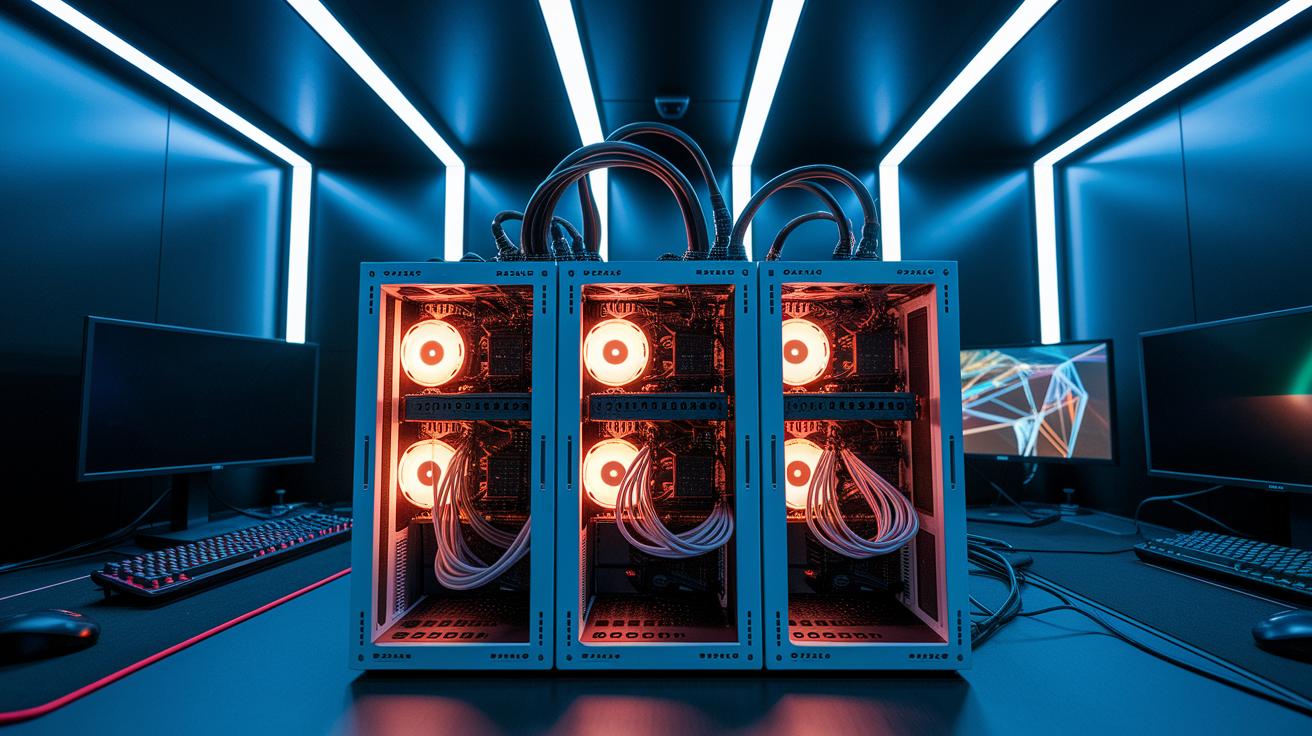
When your gaming platform can grow without a hitch and stays super responsive, every match feels smoother and more exciting. Imagine you're in the middle of a heated game with loads of players, and the system handles everything without a single hiccup. It’s like having a finely tuned engine in a race car, the faster it goes, the better your gameplay feels.
Hybrid setups that mix on-prem and cloud systems make a big difference. They help push games out faster and handle sudden rushes of players. Big names like Equinix, i3D.net, and Ubisoft are teaming up to get these systems up and running quickly. Experts like Paul Dehnert and Jim Poole have even talked about real-world examples that show how combining the old-school and new-school methods creates gaming networks that are both strong and flexible.
- Physical servers and GPU clusters
- Virtualization and container platforms
- Content delivery networks
- Edge computing nodes
- Backend orchestration and microservices
- Monitoring, logging, and analytics tools
Each piece works like a well-coordinated play in a team match. Physical servers and GPU clusters are the muscle behind processing and rendering each move. Virtualization tools help manage resources like a smart coach, while content delivery networks and edge nodes get data to you faster, almost like a power-up right when you need it. Backend orchestration and microservices keep everything running smoothly, and monitoring tools act as your constant game tracker. Together, these parts create a gaming setup that’s ready for online multiplayer battles, cloud gaming, and anything in between, letting you dive into the digital arena and compete at your best.
Server Architecture and Gaming Data Centers

In many gaming setups, you'll find on-premises racks with powerful, dedicated servers built for top-notch performance. These setups let operators fiddle with each hardware detail, which really matters when every millisecond counts in a heated match. On the flip side, cloud VM clusters add a cool layer of flexibility. Tools like KVM and VMware help data centers share resources smartly, while container tech such as Docker and Kubernetes makes game updates and scaling a smoother process. Ever imagine a platform that can suddenly adjust to a rush of players with a quick update? That's the power of Kubernetes in action.
Picking the right spot for your data centers is a big part of the game plan. It’s all about placing them near the main player hubs and linking with regional edge points to cut down on lag. When data travels a shorter distance, gamers get quicker responses in those high-stakes moments. More and more, operators are turning to eco-friendly gaming data centers that focus on energy-efficient cooling and smart power management. Recent case studies from early May 2025 have shown that these innovative cooling methods and power-saving tricks not only work but also keep performance high, even under unpredictable loads.
| Cloud Provider | Average Latency | Scalability | Pricing Tier |
|---|---|---|---|
| AWS | 20 ms | Auto-scaling EC2 | Pay-as-you-go |
| Azure | 25 ms | VM Scale Sets | Reserved Instances |
| Google Cloud | 22 ms | Cluster Autoscaler | Committed Use |
Network Optimization for Low-Latency Gaming Infrastructure
Lag is a game-changer. Every millisecond counts, and even a tiny delay can flip the outcome of a match. In those nail-biting moments, keeping your round-trip time under 30 ms makes your actions feel sharp and on point. When lag hits, it messes up your strategy, just like expecting an enemy move only to be too slow because of a delay.
To keep your setup running smoothly, try these techniques:
- Use regional edge nodes
- Set up QoS and traffic prioritization
- Go with BGP anycast routing
- Switch to UDP-based game protocols
- Implement real-time traffic shaping
- Leverage hardware offload (DPUs)
- Enable peer-to-peer overlays for direct sessions
By putting these tips into play, gaming setups can cut down delays and boost performance. Systems constantly track things like jitter and packet loss to tweak routes on the fly, just like adapting your strategy during an intense match. Automated updates keep everything tight even when player numbers surge or traffic changes unexpectedly. All this fine-tuning and smart routing turns lag into a minor glitch, ensuring every gamer stays locked in without missing a beat.
Security and Scalability in Gaming Infrastructure Backends

Security Measures
When it comes to protecting your gaming platform, you just can't take shortcuts. DDoS defenses work like a sturdy barrier, blocking unwanted traffic with techniques such as scrubbing centers and rate limiting. Imagine a gate that only lets in the good stuff, keeping troublemakers out before they even reach your server. Identity and access management, using tools like OAuth and RBAC, ensures only the right people are allowed in and can do what they need to do. Plus, encryption with TLS 1.3 and AES-256 locks down your data whether it's sitting in storage or zooming across the net. And with automated patching and constant vulnerability scanning on duty like a watchful night guard, your system stays alert and secure.
Scalability Solutions
Staying agile matters just as much as being secure. Horizontal scaling with Kubernetes pods lets you add more resources as needed, kind of like calling in backup players when the game heats up. Auto-scaling groups from major cloud providers adjust capacity when traffic spikes, so your platform remains flexible during peak hours. Load-balancer health checks act like a coach’s whistle, constantly ensuring every part of the system is in top form. Real-time resource reallocation makes sure no server gets overwhelmed, keeping gameplay smooth and responsive. Finally, blue/green deployment patterns let you roll out updates without any downtime, making new features and fixes as smooth as a perfectly set play.
Emerging Technologies Shaping Future Gaming Infrastructure

Blockchain gaming and web3 development are opening up new ways for game rules to work on many servers instead of just one controlled by a single company. Smart contracts and tokenized items are already changing how we trade digital gear. Imagine grabbing a rare in-game weapon or outfit that comes with a trusted history, much like scoring a legendary trading card.
This new setup also boosts cloud gaming by letting more players join and more complex moves happen without any hiccups. Experts from May 2025 point out that these decentralized and serverless systems make games safer while keeping virtual economies transparent by securely storing digital assets on blockchains.
AI gaming analytics platforms are another exciting change. They can predict when to add more server power in real time, kind of like switching lanes to beat rush-hour traffic. Plus, blending edge computing with cloud services is turning out to be the best way to achieve ultra-low latency and smooth play. New networking methods, like QUIC and 5G mobile edge, help reduce delays and speed up data routes. These smart solutions not only improve game streaming but also create fast, responsive environments where every click and command feels instant, making the future of gaming both thrilling and innovative.
Final Words
in the action, we broke down how gaming infrastructure comes together with key components like physical servers, cloud virtualization, and low-latency networks.
We also covered the backbone of server architecture, data center designs, network tweaks, and safeguards that keep gameplay secure and smooth.
Emerging tech adds a fresh twist that can change the playfield even further.
Every piece works as a team to boost your gaming experience, setting you up for a solid run and an exciting next match.
FAQ
Frequently Asked Questions
What are gaming infrastructure companies?
Gaming infrastructure companies build and manage the hardware, software, and networks that power online gaming. These firms focus on creating systems with low latency and high scalability for smooth, competitive play.
What does gaming infrastructure 2022 refer to?
Gaming infrastructure 2022 encompasses the new technologies and models introduced that year. These innovations focused on hybrid cloud approaches and advanced server setups that boosted performance and scalability.
What is cloud gaming?
Cloud gaming is a service that streams games from remote servers so players can enjoy high-end titles on any device. It relies on robust hardware and fast internet connections to deliver smooth gameplay.
What is cloud gaming architecture?
Cloud gaming architecture describes the distributed, high-performance system design that hosts and streams games. It uses powerful servers, edge nodes, and optimized networks to ensure low-latency and uninterrupted play.
What is A16z gaming accelerator and AI gaming a16z?
A16z gaming accelerator refers to a program by Andreessen Horowitz that backs promising gaming startups, including those leveraging AI to enhance game development and player experiences.
What is Gaming Fund?
Gaming Fund is an investment pool that supports innovative gaming startups and projects. It provides financial backing to fuel new technologies and platforms that drive the gaming industry forward.
What is Facebook cloud gaming?
Facebook cloud gaming involves streaming games via Facebook’s platform, blending social networking with gaming. It uses the company’s extensive network to deliver a smooth and integrated playing experience.
What are gaming facilities?
Gaming facilities are specialized centers that house game servers, manage network traffic, and deliver optimized performance for online multiplayer and streaming services to gamers.
What are the big 3 in gaming?
The big 3 in gaming typically refer to industry-leading companies known for dominating market trends, innovating hardware and software, and setting high standards in gaming experiences.
What is gaming architecture?
Gaming architecture is the blueprint for building gaming systems. It integrates physical servers, networks, and software to create efficient, low-latency platforms for online and competitive gaming.
What is DRM in the gaming industry?
DRM, or digital rights management, in gaming is a system used to protect game content from piracy. It safeguards intellectual property while ensuring gamers access their purchased titles securely.