
Ever wondered if a tiny delay of just 50 milliseconds could turn a win into a loss? Imagine your move lighting up the screen right when you press the button, with no lag at all.
Low latency makes every click and key press count by matching your actions to what you see almost instantly. In competitive gaming, where every split-second decision matters, this tech helps you react faster, play smoother, and keeps the game fair.
This article dives into how low latency can boost your performance, transforming every match into a real test of skill.
Impact of Low Latency Technology on Competitive Gaming: Key Benefits for Performance, Responsiveness, and Fairness
Low latency is all about keeping the delay between your button clicks or key presses and what happens on screen super short, in just a few milliseconds. Think of it like this: when you press a key and your character jumps instantly, that's thanks to low latency making every command feel immediate.
In a competitive game like an FPS, MOBA, or racing title, even a tiny delay of 50 milliseconds can really throw you off your game. It might be the difference between dodging an attack or missing a crucial shot. One famous match even saw a star player miss a headshot because of a lag, shifting the whole game's momentum.
When every single action syncs perfectly with the game server, it cuts out annoying issues like rubberbanding or misregistration. This means that every win or loss truly reflects your skill, giving everyone a fair shot.
Performance Advantages in Competitive Gaming Through Low Latency
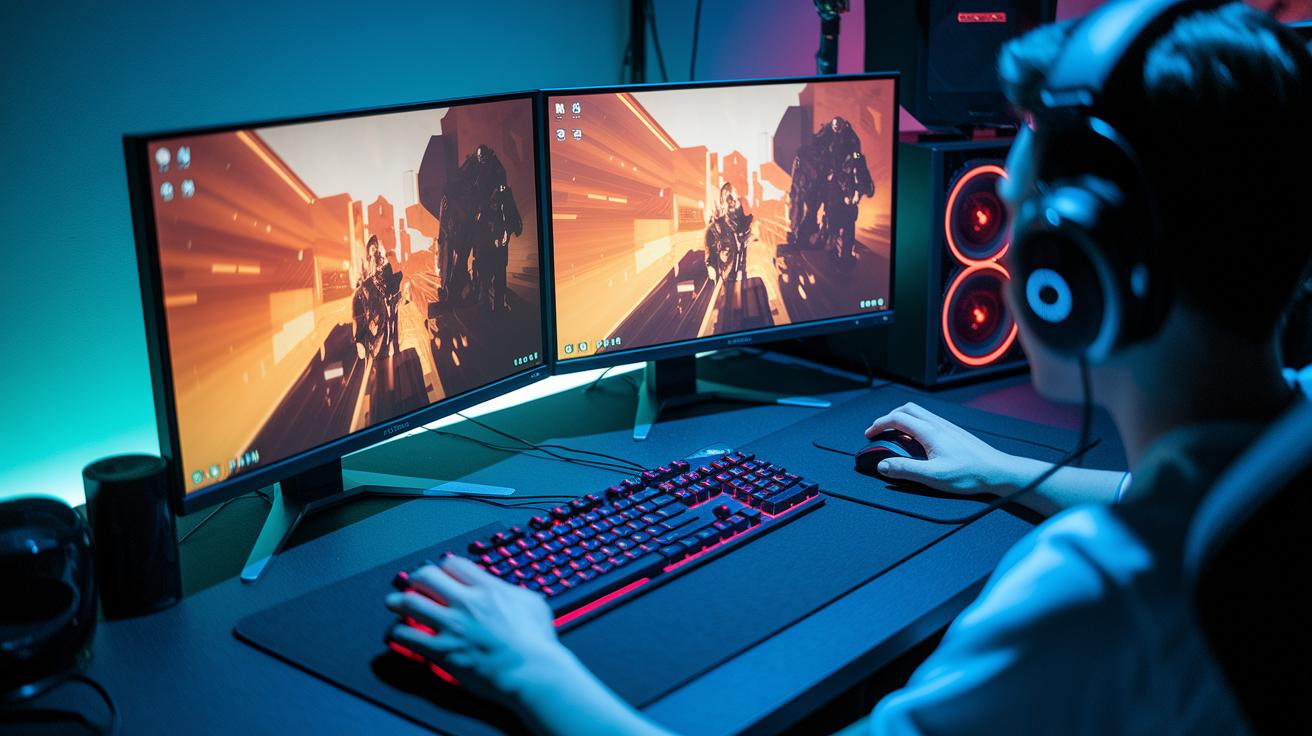
When you hit a key, low latency makes it feel like magic, every move happens right away. Developers are always tweaking things to sync your actions with the server, nipping delays in the bud and fixing glitches like screen tearing and stuttering. It makes your reactions snappier and gives you a smooth ride with clear visuals and crisp sounds every match.
Low latency really amps up every move you make. It links rapid responses with smooth frame delivery and tight audio-visual sync, so every hit feels true to your skill level.
- Near-instant action execution
- Faster in-game reaction times
- No more screen tearing
- Smoother frame rates with less stutter
- Better synced audio and visuals
- Spot-on hit registration
- Fair, responsive multiplayer play
All those benefits pack a solid competitive punch, turning each match into a true test of your gaming skills.
Technical Enhancements Driving Reduced Delay Effects in Competitive Gaming
When every click matters, game tech tweaks give you that edge by shaving off precious milliseconds. Developers are busy behind the scenes, boosting netcode and client-side prediction so your commands hit the game without a hitch. It’s like your in-game moves are getting a turbo boost, making each match feel fast and smooth.
Smarter server placement and higher tick rates also play a big role. They help signals travel quickly so your actions feel immediate. And with high-performance hardware like GPUs, FPGAs, and network switches speeding up processing, delays almost vanish. Even sound isn’t left behind; low-latency audio gear makes sure every sound is crisp and in sync with the visuals.
| Enhancement Type | Description |
|---|---|
| Netcode & prediction | Investments in better netcode and client-side prediction help cut lag by predicting moves. |
| Server tick rate & placement | Quick, smart server setups and higher tick rates shrink the time it takes for data to travel. |
| Hardware acceleration (GPU/FPGA) | High-end GPUs, FPGAs, and network switches work together to speed up processing. |
| Audio device optimizations | Low-latency audio systems, whether wired or using the latest Bluetooth, match sound with action in under 10 ms. |
| Protocol upgrades (e.g. QUIC) | New protocols improve how quickly data handshakes and packets move around. |
| 5G & fiber edge computing | Advanced 5G and fiber tech reduce the gap between the gamer and the server, cutting latency. |
When these upgrades work together, every command and response happens almost simultaneously. Your game actions register instantly, giving you a serious advantage when milliseconds count. It’s a setup that makes your gaming experience feel almost magical, perfectly syncing your moves with the game’s flow.
Real-World Case Studies: Minimal Lag Benefits in Competitive Gaming
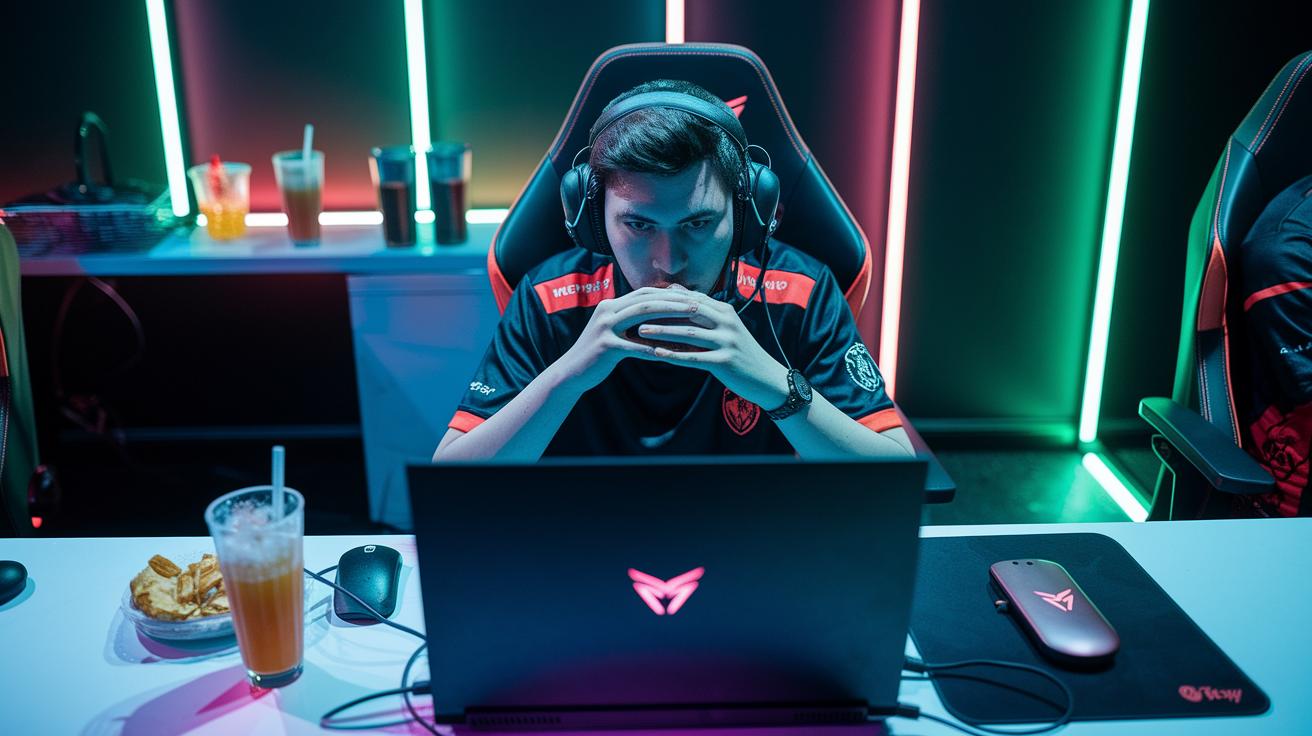
At big LAN events for PC and console games, tournaments often clock in at less than 10ms of latency. This means that when playing shooters or MOBAs, every button press feels almost instant. Every move counts exactly when you make it, so the action stays smooth and true to your skills.
Mobile games like Call of Duty Warzone and Dragon Ball Legends have jumped on the low-lag bandwagon too. Their network setup cuts delays to almost zero, letting players compete on equal ground. With such fluid gameplay, your reaction speed and overall performance really get a boost.
Regional differences in internet quality also show how important low latency is for fair gaming. In parts of Southeast Asia, urban players might have a ping of around 20ms, while rural gamers often struggle with delays closer to 60-100ms. This gap can tip the scales in competitive play. For more details, check out the latest esports industry analysis.
Mitigation Strategies for Network Challenges in Competitive Gaming Environments
Network issues can mess with even the best gamers. Sudden jitter spikes and random packet drops might throw off your game rhythm. Imagine playing your favorite shooter and feeling like your moves come in slow motion, it’s frustrating when your connection stutters right in the middle of the action.
Jitter and Packet Loss Solutions
Developers tackle jitter and packet loss with smart tricks like forward error correction, buffering, and quality of service settings. FEC is basically a backup plan; if a data packet misses, extra information helps fill in the gap. Buffering works like a shock absorber, smoothing out those sudden data spikes, while QoS makes sure the most critical data gets through fast. So, when you pull off a slick dodge, these behind-the-scenes fixes help ensure your move registers right away.
Latency Monitoring and Diagnostics
Keeping an eye on latency is like giving your connection a regular health check. Gamers and tech pros run ping tests and use monitoring tools to catch delays before they become a problem. This constant check-up can spot issues early, so you don’t face annoying lag during crucial moments. By tweaking settings and scheduling regular diagnostics, competitive gaming setups can cut down on connection hiccups, giving you a real edge when every millisecond counts.
Future Trends in Competitive Gaming: Evolving Infrastructure Models and Next-Gen Protocols

Edge computing, 5G mmWave setups, and AR/VR tech are pushing competitive gaming into a whole new realm. Imagine jumping into a virtual arena where every action happens almost instantly. It’s like switching from slow-motion to super speed, making each move feel real and perfectly timed.
New protocols like QUIC and upgrades based on UDP promise lightning-fast handshakes and quick packet delivery so your commands get through without a hitch. AI-driven network management is now smart enough to spot busy moments and reroute traffic on the fly. Picture this: a system that keeps a constant eye on your network and adjusts in real time, so you hardly notice anything off.
These breakthroughs bring quicker response times and a steadier gaming experience. Less lag means your commands are executed with great precision every time. As these fresh technologies blend into our current setups, the world of esports becomes a smoother, more skill-focused battleground where every split-second truly counts.
Final Words
In the action, we explored how low latency, measured in milliseconds, sharpens each competitive move.
We broke down the benefits, faster reactions, smoother gameplay, and fairer match outcomes, illustrated by real-world examples and technical upgrades.
This overview proves the impact of low latency technology on competitive gaming is a real game booster, fueling responsive play that turns split-second decisions into epic wins. Keep pushing those limits and enjoying every electrifying moment!
FAQ
Is lower latency better for gaming?
Lower latency means faster response times and smoother gameplay. It reduces the delay between your actions and on-screen events, which is key for quick reactions and precise control in competitive matches.
Is low latency mode good for gaming?
Low latency mode improves your gaming experience by letting your actions register instantly. It tweaks your system to cut down delays, making gameplay feel responsive and keeping you one step ahead.
How much latency is good for competitive gaming?
Competitive gaming benefits most from latencies around 50 milliseconds or lower. This range helps maintain crisp responsiveness, ensuring your moves are accurately timed and your gameplay remains fair.
Why is low latency important?
Low latency is important because it directly boosts reaction speed and game accuracy. Reduced delay gives you smoother performance, enabling your skills to shine during fast-paced, high-stakes matches.