
Ever thought that indie games might be giving giant studios a run for their money? Indie developers are catching our eye with cool new ideas and fast-paced gameplay.
In this article, we dive into seven indie games that show creativity really pays off. We break down some clear trends, smart ways to make money, and how small teams are taking on big budgets.
So, get ready to see how these underdogs are not just surviving but really thriving in today’s competitive gaming world.
Growth Trends in the Indie Game Industry
Indie games have really made their mark lately. In recent years, we're seeing more releases and a bigger share of digital sales for these creative titles. Studios that once only dropped one or two games are now cranking out unique, fun experiences that speak to a wide audience. It all comes down to the special storytelling and unexpected gameplay that set indie games apart from the big-budget ones.
Platforms like Steam and itch.io are giving indie developers a solid stage to shine. These digital storefronts let creative minds experiment and get noticed, and sales are steadily climbing as gamers around the world look for something fresh. Many indie games are now pulling in a fair piece of the revenue, which shows that good games don't always need a huge budget to be a hit.
- Global digital stores that reach every corner of the world
- Mobile gaming that opens up play for almost everyone
- Crowdfunding to help developers bring cool ideas to life
- Niche groups hungry for unique and different games
- Social media buzz spreading the word fast
Looking ahead, experts feel the indie game scene will keep growing. Even though we don’t have the exact numbers yet, more indie titles are expected to hit the market thanks to better distribution methods and gamers’ constant hunger for innovative gameplay. Developers are exploring new ways to earn money and working closely with their communities to fine-tune their creations. With new international markets and platforms emerging, the indie game industry is set for even more excitement and success.
Monetization Models in the Indie Game Industry

When you're a small studio, having multiple ways to earn money isn’t just about the cash. It keeps your creative spark alive even when funds are tight. Sticking with just one method can be a gamble, especially when player tastes change almost as fast as a game patch. Trying out different monetization tactics helps you pay for ongoing projects, boost game quality, and interact with players in new ways. In short, when one income stream slows down, another can step in to keep things moving, kind of like having a backup play when your first plan doesn’t work.
-
Premium Sales
With premium sales, you set a fixed price for your game. Players pay once and get full access. If reviews and word-of-mouth catch fire, sales stay steady. But there’s always the risk of strong market competition or gamers waiting for a sale. -
Downloadable Content
This model lets you sell extra levels, costumes, or features after the main game is out. Gamers pay a little more to enjoy additional content they love. It can bring in a lot of cash if the extra content really connects with fans. The downside? It might split your player community if not everyone feels included. -
In-App Purchases
Here, small transactions are built right into the game. Players can buy items that boost gameplay or speed things up. Returns vary a lot, and some players might get frustrated or think the game is leaning too much toward “pay-to-win.” -
Crowdfunding
Before your game launches, you might get funding directly from fans and backers. They can support your project with donations or even pre-order your game. Success here depends on meeting backer expectations, and if you fall short, it can really hurt your project. -
Sponsorship Deals
Teaming up with brands for in-game product placements or promotions falls under sponsorships. This means you get extra cash without needing more direct sales. If done right, the deal is a win-win. But it might also limit your creative freedom if the sponsor has strong opinions. -
Advertising Revenue
Ads can be placed in free versions or demos, and you earn money from impressions and clicks. However, the payout is often small, and too many ads risk annoying your players.
Hybrid strategies are becoming more popular too. By mixing subscriptions with microtransactions, studios can experiment with different income sources. This lets you keep things fresh and your players engaged while also fueling innovation.
Development Challenges in the Indie Game Industry
Indie game teams often struggle with keeping costs under control. When you can trim expenses, you have more money to fuel creativity without emptying your wallet. These small studios face challenges like limited budgets for staff, pricey software licenses, steep learning curves for new tools, and the high costs of outsourcing tasks. Finding smart ways to manage money is crucial for staying on track while still delivering fun, quality gameplay.
| Category | Average Cost (USD) | Resource Impact | Potential Savings |
|---|---|---|---|
| Staffing | $5000 | High | 25% |
| Software Licensing | $2000 | Moderate | 15% |
| Toolchain Learning | $1000 | Low | 10% |
| Outsourcing | $3000 | High | 20% |
Lean workflows can really change the game when funds are low. By simplifying how work gets done, teams can cut out extra costs and dodge slowdowns that drag the project. Lots of studios are switching to open-source tools, they’re a budget-friendly alternative to costly software. This not only helps with cash flow but also builds a spirit of teamwork and innovation. And when you're using free or cheap tools, it means you can reinvest more in game design and boosting the player experience. Cool, right?
Audience Dynamics in the Indie Game Industry

Indie games are riding a big wave of popularity thanks to players who love unique, offbeat genres. These fans aren’t just following the usual big titles, they’re making their own mark with games that might remind you of retro arcades or quirky simulators. There’s a real buzz when like-minded people come together to share their passion for these hidden gems.
- Discord chats where friends jump into group play on the spot
- Reddit threads and live Q&As that let fans fire off their questions
- Twitch streams where gamers share the best parts of the game
- YouTube playthroughs that reveal secret tricks and fun surprises
- Twitter discussions that spark instant reactions in the community
When you find an indie game that fits your style, it’s hard not to keep coming back. Fans report feeling a special kind of connection, especially when developers keep updating the game and add cool community events. And you know what? Real talk from streamers and creators, who share honest takes on the game, helps build a strong bond between the game and its players. This mix of active community chats and genuine influencer support is creating a loyal and excited fan base.
Competitive Dynamics in the Indie Game Industry vs AAA
When you stack indie studios against AAA giants, the differences jump out right away. Indie developers work with tight budgets and small teams, so they can shift gears and try new ideas on the fly. AAA studios, with their big money and long production times, sometimes end up playing it safe. It’s like comparing a daring, last-minute play in a street match to a well-rehearsed, predictable professional game.
Creative Differentiation
Indie studios make their mark by using fresh game mechanics and storytelling with a twist. They’re not scared to break the rules or mix genres in ways you wouldn’t normally expect. Ever played a game where your choices shape the story? That’s the kind of magic these studios bring. Their bold, experimental style speaks to gamers who want something different from the usual blockbuster fare.
Budget and Marketing Gaps
Indie developers thrive on creativity but often get hit with tight marketing budgets and limited reach. With fewer funds, they lean on word of mouth, social media buzz, and community support instead of big ad campaigns. This means they might not get as much attention as the AAA giants, but it also pushes them to build authentic, direct connections with their fans. In the end, this blend of raw creativity and smart resource use helps them capture niche audiences hungry for something fresh and unconventional.
Emerging Patterns and Future Outlook for the Indie Game Industry
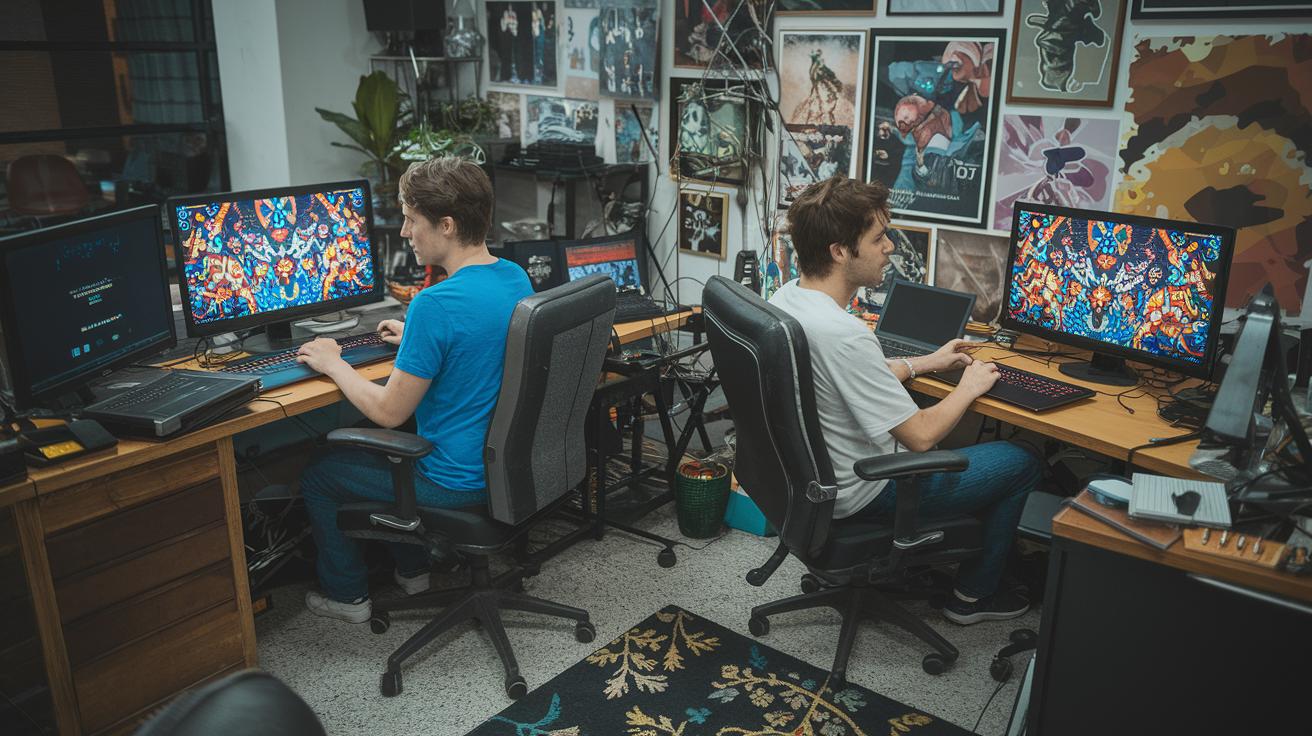
Cloud gaming and smart AI design tools are totally reshaping how small game studios build their indie titles. With these new tech boosts, developers can host games on the cloud which slashes local hardware costs, and tweak game elements on the fly with AI, making room for wild, creative ideas. And with subscription models rolling in, teams can secure steady cash flow while pushing the limits of innovation.
- Episodic releases let you enjoy the story in neat little bites.
- Live-ops updates keep the community buzzing with regular in-game events.
- Low-code engines make development a breeze so creators can zero in on fun gameplay.
- Subscription-based access models give reliable funding and help build lasting bonds with players.
These trends show that big changes are coming to the indie game scene. Studios are set to harness these tech improvements to deliver live, evolving gaming experiences that adapt even after launch. With these shifts, expect more indie games to offer tailored, flexible play that connects with you on a personal level. Small teams now have the right tools to keep up with rapid tech changes, keeping innovation and cool storytelling at the heart of the indie experience.
Final Words
In the action, we broke down growth trends, monetization models, development challenges, audience dynamics, and competitive dynamics against AAA. Each section offered clear insights with lists and concise breakdowns. We even spotted emerging patterns that hint at innovative tech reshaping the scene. This indie game industry analysis not only highlights where things stand but also sparks ideas for boosting performance and streaming quality. Embrace these insights and get ready to power up your game, the future looks bright!
FAQ
Indie game industry analysis reddit
The indie game industry analysis on Reddit brings community insights from gamers and developers. It highlights real-time opinions on trends and market changes that shape the indie scene.
Indie game industry analysis 2022
The 2022 analysis summarizes growth patterns, innovative monetization methods, and challenges indie developers faced. It offers a clear snapshot of the market dynamics that influenced studios during that year.
Indie game industry analysis 2021
The 2021 report outlines market expansion, production challenges, and evolving revenue streams for indie games. It reflects the key trends and strategic decisions that impacted developers during that period.
Indie game industry analysis pdf
The PDF on indie game industry analysis presents data-driven insights, covering market trends, growth drivers, and development challenges. It serves as a handy resource for gamers and creators seeking quick, accessible information.
Indie game market size
Indie game market size refers to the overall revenue and audience reach achieved by smaller studios. It defines the scope of the market influenced by digital sales, fan communities, and alternative revenue models.
Indie game market research
Indie game market research dives into audience demographics, revenue strategies, and platform performance. It provides essential insights for developers and investors, offering a strategic view of industry opportunities.
Indie game trends
Indie game trends focus on emerging design philosophies, storytelling methods, and novel monetization techniques. These trends capture shifting consumer preferences and guide developers in crafting unique gaming experiences.
Highest grossing indie games 2024
The highest grossing indie games in 2024 mark titles with standout commercial performance. They achieved success through creative gameplay and compelling narratives that resonated with global audiences.