Ever wonder how one console changed everything? Back in 1979, the Intellivision hit the scene and shook up the whole gaming world. Its smart tech and cool design mixed fun with learning in a way no one had seen before. Gamers had to rethink home gaming, and even now, it still gets people talking.
Intellivision Console Origins & Market Debut
Mattel Electronics introduced the Intellivision with a burst of energy that changed home video gaming. Unveiled at the 1979 Winter Consumer Electronics Show, it immediately caught everyone’s eye with its fresh design and cool tech. The console used a General Instrument CP1610 chip running at 3.6 MHz, backed by 4 KB of RAM and a dedicated graphics processor. It was like igniting a spark that promised a whole new gaming adventure. Ever had that feeling when you discover a secret level in your favorite game?
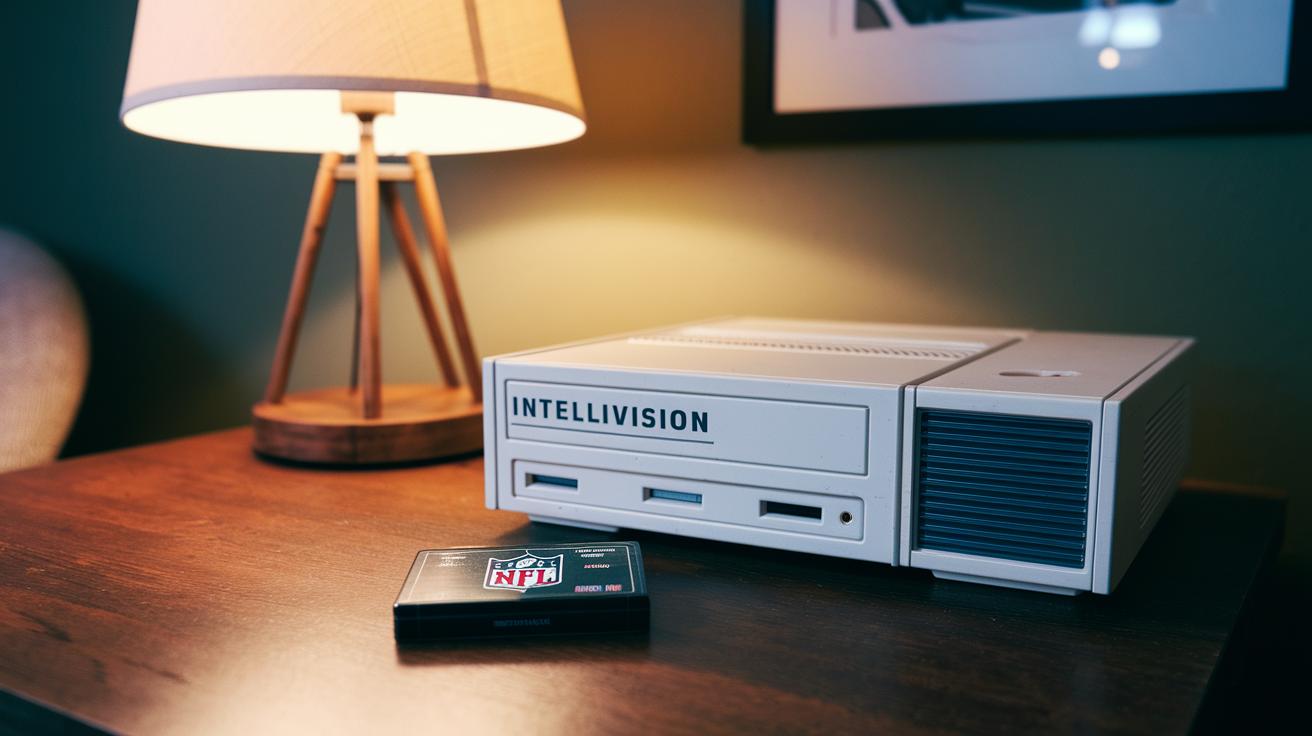
The system hit store shelves on June 1, 1979, for $165. It came bundled with 14 ROM packs that included an NFL-licensed football game along with some educational titles. This mix of fun and learning really clicked with early gamers. If you’re curious for more details on the hardware, check out console hardware release scoop.
Early tests in Los Angeles, New York, and Chicago during February and March 1980 were key in seeing how gamers responded. Partnerships with big retailers like The Broadway, Macy’s, and Marshall Field made these test runs feel exclusive and memorable. It was like pulling off a well-executed combo move in a tight match, the launch set the stage for the Intellivision to become a legendary rival in the gaming scene, a legacy that still sparks excitement today.
Intellivision Console Technical Specifications & Architecture
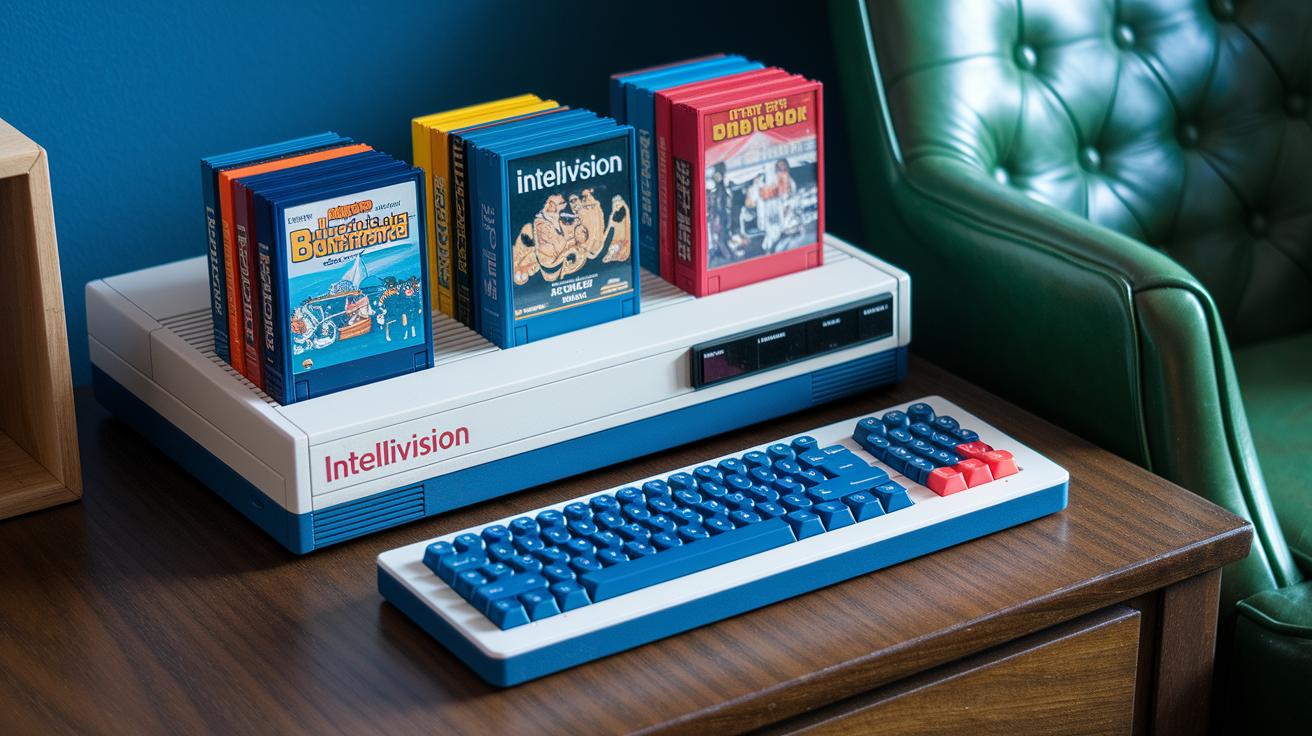
The Intellivision's design was pretty clever for its time. It uses a General Instrument CP1610 16-bit microprocessor that runs at 3.6 MHz, paired with 4 KB of RAM. The cool part is the GI video chip, which mixes 16- and 10-bit processing to keep graphics sharp. Plus, the system was built to be flexible. You can add more memory, up to 64 KB, and it even has ports for a 64-key keyboard, cassette drive, and a microphone for voice synthesis. Back in 1977, they pulled parts off the shelf to create something that was nearly ten years ahead of other 16-bit consoles.
| Component | Specification |
|---|---|
| CPU | General Instrument CP1610 @ 3.6 MHz |
| System RAM | 4 KB |
| Graphics Processor | GI video chip (16/10-bit) |
| Expansion Slots | Up to 64 KB modules |
| Input Interface | Disc-based controller + keypad |
This mix of solid circuitry and modular design was ahead of its time, setting the stage for future innovations. It didn’t just make gameplay smoother; it also laid down a marker for what a forward-thinking console should be. Kind of like pulling off an epic in-game combo that surprises everyone, this setup pushed digital game design forward and left a lasting impact on gaming hardware.
Intellivision Console Game Library & Exclusive Titles
When Intellivision first hit the shelves, players got 14 ROM packs loaded with cool sports games and smart educational programs. One game, an NFL-licensed football title, made you feel like you were really on the field, with the rush of a live game and that fresh, cut grass smell.
Soon after launch, the system’s library grew to over 100 different cartridges. Each release, whether it was sports, strategy, action, or a learning game, felt like a hidden bonus level in your favorite game. It was all about trying new challenges and showing off your skills.
Iconic titles in sports and action really stood out and kept gamers coming back. The exclusive games were such a hit that the console sold 5.8 million cartridges. Many remember how these games combined tough challenges with simple, clear graphics that made every play feel real.
The console wasn’t just about one or two big hits, it offered a lineup that catered to all kinds of tastes:
- Sports Simulations
- Strategy Games
- Action Adventures
- Educational Titles
Each type of game added its own unique vibe, making the Intellivision a true pioneer in bringing a wide variety of fun right into your living room.
Intellivision Console Expansion Modules & Accessories
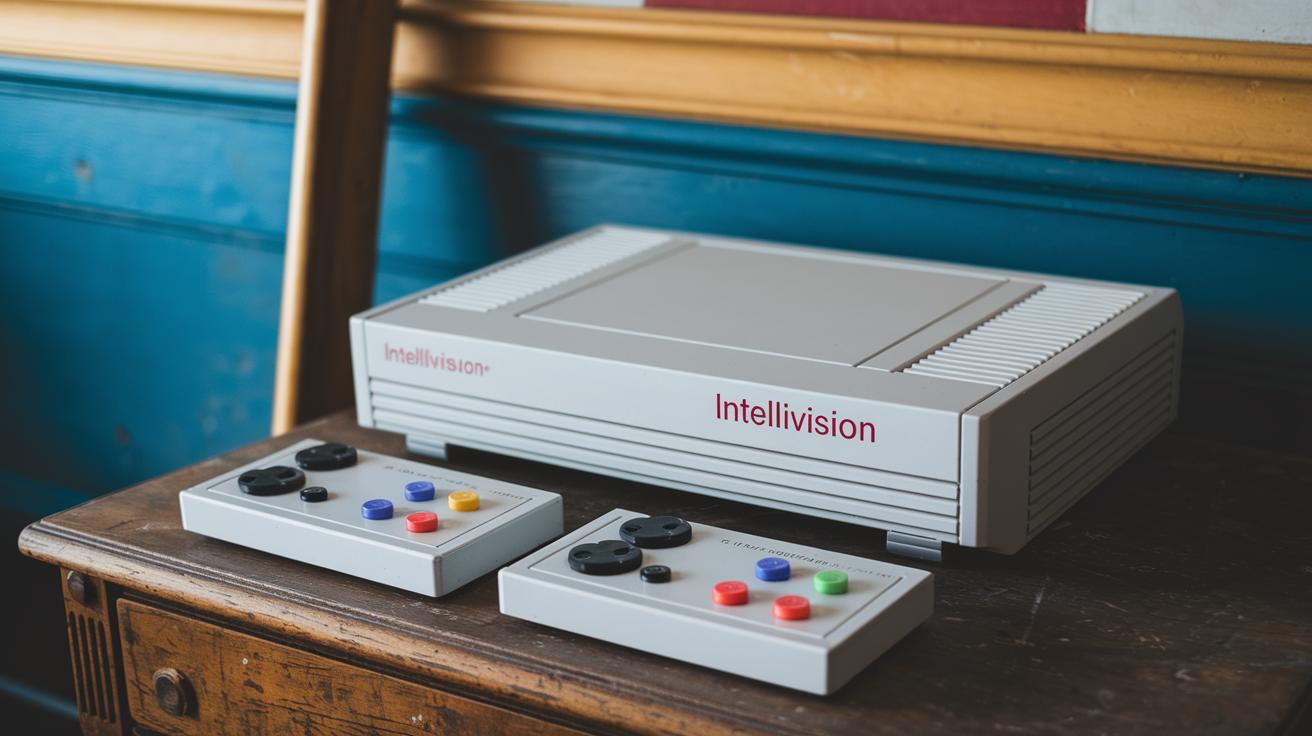
Intellivision was ahead of its time. It wasn’t just a gaming console, it was a system that let you tailor your play experience. You could add extra modules to boost memory, improve sound, or change up how you controlled your games. This smart design set it apart from other systems.
| Module | What It Does |
|---|---|
| Computer Keyboard Component | Adds 64 KB of memory so your system feels more like a home computer |
| Cassette Drive Module | Lets you use cassette drives to load and save games |
| Voice Synthesis Module | Brings early voice effects into your gaming sessions
Intellivision Console Market Performance & Industry CompetitionThe Intellivision took center stage as the first strong competitor to the Atari 2600, sparking one of the earliest console rivalries. Its sharper graphics and voice-synthesized sounds grabbed gamers' attention and offered a fresh twist to home entertainment. By December 1981, the console sold roughly 600,000 units and hit a milestone of 1 million sales later that year. Gamers showed they were ready for something new and exciting. It didn’t stop there. Between 1982 and 1983, the Intellivision captured about 22% of the market, proving its strong position at a time when the industry was busy experimenting with new designs and features. Clever licensing deals helped bring the Intellivision into even more homes. Versions like the Tandyvision One and Sears’ Super Video Arcade meant players had more chances to jump in on the action. But not every moment was a win. In 1982, a lawsuit with Magnavox over the Television Gaming Apparatus patent ended with multi-million-dollar damages against Mattel. This legal challenge briefly shadowed its otherwise successful run. Still, the console’s impressive market presence and its fierce rivalry with Atari ensured its lasting legacy in gaming history, making it a cherished icon among collectors. Intellivision Console Legacy & Collector Community Insights
Refurbished Intellivision base units now go for around $230. This price tag attracts collectors who love the console’s real old-school feel. Even casual gamers get a kick out of this retro gem, treating it as a prized possession. One collector put it best: finding an original module feels like uncovering a secret level no one thought existed. Auction records show that rare original modules and early NFL Football cartridges sell for top dollar. These items bring back a rush of nostalgia and remind us of simpler times when designs were straightforward yet thrilling. Each auction is like a blast from the past, sparking excitement just like in the early days of gaming. Gamer forums are buzzing with advice on fixing everything from disc-based controllers to worn-out circuit boards. People share their own repair steps and tips to keep Intellivision’s rich history alive. It’s a community effort that makes preserving this classic even more special. Collectors and fans never stop praising this console for its lasting legacy. Every restored unit and rare cartridge tells a story of creative innovation and pure excitement that crosses generations. It stands as a timeless reminder of the dawn of digital gaming, inspiring new players to appreciate and continue its spirit. Final WordsIn the action, we dove into the intellivision console’s humble beginnings and its standout launch in 1979. We broke down its technical specs, showcased its diverse game lineup, and highlighted the range of expansion modules. We also examined its market performance and lasting appeal among collectors. This recap reminds us that classic systems can still spark enthusiasm and drive competitive discussions today. Keep the excitement alive as you explore these milestones in gaming history. FAQWhat do Intellivision games and game lists include?Intellivision games include a variety of sports, strategy, and educational titles. The system launched with classic sports simulations, including an NFL-licensed football game, and its library later expanded well beyond the original ROM packs. What about buying an Intellivision console and its price?Purchasing an Intellivision console today means finding prices based on condition and completeness. Original or refurbished units sell for a few hundred dollars, with complete sets including accessories often valued higher by collectors. When did the Mattel Intellivision console come out?The Mattel Intellivision console made its debut on June 1, 1979. It was first shown at the 1979 Winter Consumer Electronics Show, marking a key moment in gaming history. What is the Intellivision Flashback console?The Intellivision Flashback console is a modern re-release that features built-in classic games. It delivers a nostalgic experience while offering updated connections compatible with today’s televisions for an easy plug-and-play setup. What are the main features of the Intellivision 2 Console?The Intellivision 2 Console is an upgraded version that offers refined features and improvements over its predecessor. It addresses feedback from gamers and builds on the original design’s legacy of innovation. How much is the Intellivision worth today?The worth of an Intellivision today varies with condition, rarity, and completeness. Collectors sometimes pay a few hundred dollars, while especially rare modules or original game cartridges can command premium prices. What is considered the most valuable vintage console?The title of the most valuable vintage console depends on collector interest and rarity. While Intellivision units are treasured, other early gaming systems, such as certain Atari models, also rank among the most sought-after by collectors. Will Atari ever make an Intellivision console?Atari isn’t planning to create an Intellivision console. The brand focuses on its own legacy and products, leaving any new Intellivision developments to its original creators or dedicated fan communities. |