Ever wonder if gaming is on its last stand, or are we simply seeing a change in how we play? Lately, over 16,000 layoffs and studio closures have set off alarms, making many wonder if the magic is fading away. But then, new ideas like cloud gaming and subscription models are popping up, offering a fresh way forward.
It might seem like the end, but really it feels like leveling up your experience. These changes open the door to growth and cool innovations. In this article, we chat about these trends and show how gaming is not just surviving but thriving in unexpected ways.
Gaming Dying? Analyzing Industry-Wide Trends

Gaming has become a hot topic lately with news of more than 16,000 layoffs and several studio closures over the past 18 months. Many people point to these numbers and the shift to subscription models and cloud gaming as hints that the industry might be losing its spark.
Some say that rapid changes in the market and the growing use of AI, which might soon handle up to 60% of development tasks, could be a sign of trouble. But others feel this is just part of gaming’s natural evolution as the industry finds new ways to make money and tell stories.
- Over 16,000 layoffs and studio shutdowns show big shifts in the industry.
- AI is expected to take over as much as 60% of tasks that were once done by people.
- Microsoft’s purchase of Activision Blizzard led to about 1,900 job cuts.
- Moving from physical game sales to subscription services is changing how we enjoy games.
- Cloud gaming is offering fresh paths for revenue, even as traditional methods face challenges.
When you piece these trends together, it looks like changes are huge, but that doesn’t mean the end is near. Instead, gaming is switching gears and adapting to new models. The rise of subscriptions and cloud services is carving out unexpected paths for growth, proving that a period of change doesn’t spell the end of the industry at all.
Platform Shifts in Gaming: Mobile Dominance vs Console Rivalry
The gaming world is changing fast. Mobile gaming and cloud streaming are shaking up the old ways of playing on consoles and PCs. Apps like Pinco let you jump into full games on your phone, whether you’re on iOS or Android. And because consoles have longer cycles between upgrades, they aren’t making money as quickly as before.
At the same time, many budget PCs cost around $500–$600 but miss out on special graphics cards. This pushes gamers to try out different ways to play. Some studios, like Karyahub, are mixing AR and VR to make games feel more real. Plus, cloud streaming is giving us a way to play without needing heavy or expensive hardware.
- Mobile apps let you take the action with you wherever you go.
- Console makers see slower money growth with longer hardware cycles.
- Cheap PCs often skip on special graphics cards, which can slow things down.
- Cool AR and VR tech is connecting different gaming worlds.
- Cloud streaming is changing how we think about powerful hardware needs.
These trends show us that the gaming market is not crashing. Instead, it’s adapting to new ways of playing. Mobile gaming makes it easy for more people to join in, while consoles are trying to catch up after long upgrade times. PCs face price and performance issues, so many gamers are checking out new tech like AR, VR, and cloud services. In the end, the battle between mobile, console, PC, and cloud is proof that gaming isn’t dying, it’s just evolving in exciting new ways.
PC Gaming Challenges: Are High Costs Signaling Decline?

Lately, mid-range PCs in the $500 to $600 range often come without a proper graphics card because rising prices and supply issues are making everything more expensive. Graphics card costs have shot up, leaving budget gamers struggling for a smooth experience. With EVGA stepping out of the GPU market and Nvidia’s cards carrying a steep price, things are really tight. AMD is doing its best to keep up, and even though Intel got off to a rocky start, they’re back with better performance. All these factors mix together to create a tough market that makes many wonder if PC gaming is taking a hit.
On top of the cost problems, performance and software quality are getting a lot of flak. Driver issues and low-quality beta releases can really mess with the smooth gameplay we all expect. These technical glitches not only frustrate players but also hurt the overall reputation of the PC gaming scene. This sometimes pushes gamers to try out mobile or console options instead. Even though there are sparks of innovation on the horizon, the ongoing challenge of high prices and inconsistent software leaves many feeling like PC gaming might be sliding into a rough patch.
Subscription & Cloud Gaming: Redefining the Future of Gaming
The gaming world is shifting from old boxed sales to cool subscription plans and cloud streaming. This means you can play awesome games without needing expensive gear. Imagine playing a top-tier game on a low-spec device, it’s pretty neat how cloud tech makes that possible.
Big names like GTA 6 are expected to shatter records soon. When such massive games are on the horizon, it shows just how promising subscription models are. Picture snagging a game the moment it drops, like having a digital pass to the hottest titles, it really changes the game.
But not everyone is totally sold on it. With so many subscription services popping up, some gamers feel overwhelmed by all the choices and recurring costs. Ever find yourself wondering if you really need all those subscriptions? This mix of excitement and hesitancy means that while new gaming methods bring fresh options, they might also get a bit tiring.
Overall, the rise of subscription and cloud gaming shows a two-sided story. On one hand, digital models are opening up blockbuster potential with new gameplay experiences. On the other, the worry about subscription overload means the industry still has some balancing to do for a smooth, affordable play experience.
Indie Game Resurgence Amid Big-Budget Shifts in Gaming
Indie games are making an epic comeback even while major studios deal with tighter budgets and job cuts. Small developers keep pushing creative limits, showing that passion can beat a focus solely on profit. It feels a bit like watching a grassroots tournament where every play bursts with heart and originality.
Take a look at games like Elden Ring. They prove that rich stories and clever designs still capture our hearts, much like indie titles that offer quirky art and fresh gameplay twists. And let’s not forget about mods and community projects. These player-made additions turn a game into a team effort, something big blockbusters rarely achieve.
Indie devs face constant debates about quality versus quantity. Instead of stacking up numbers, they zero in on the true spirit of gaming. Ever felt that rush when you nail down a perfect move? That’s the vibe indie games bring to the table, pure creativity mixed with a dash of daring.
The rise of indie games shows that even when mega-budget trends dominate the market, they can’t crush the creative energy driving the future of gaming. Both small projects and blockbuster titles still thrive on quality storytelling and innovative design, proving that the gaming world is evolving in exciting ways.
Esports & Streaming: Sustaining or Straining the Gaming Ecosystem?

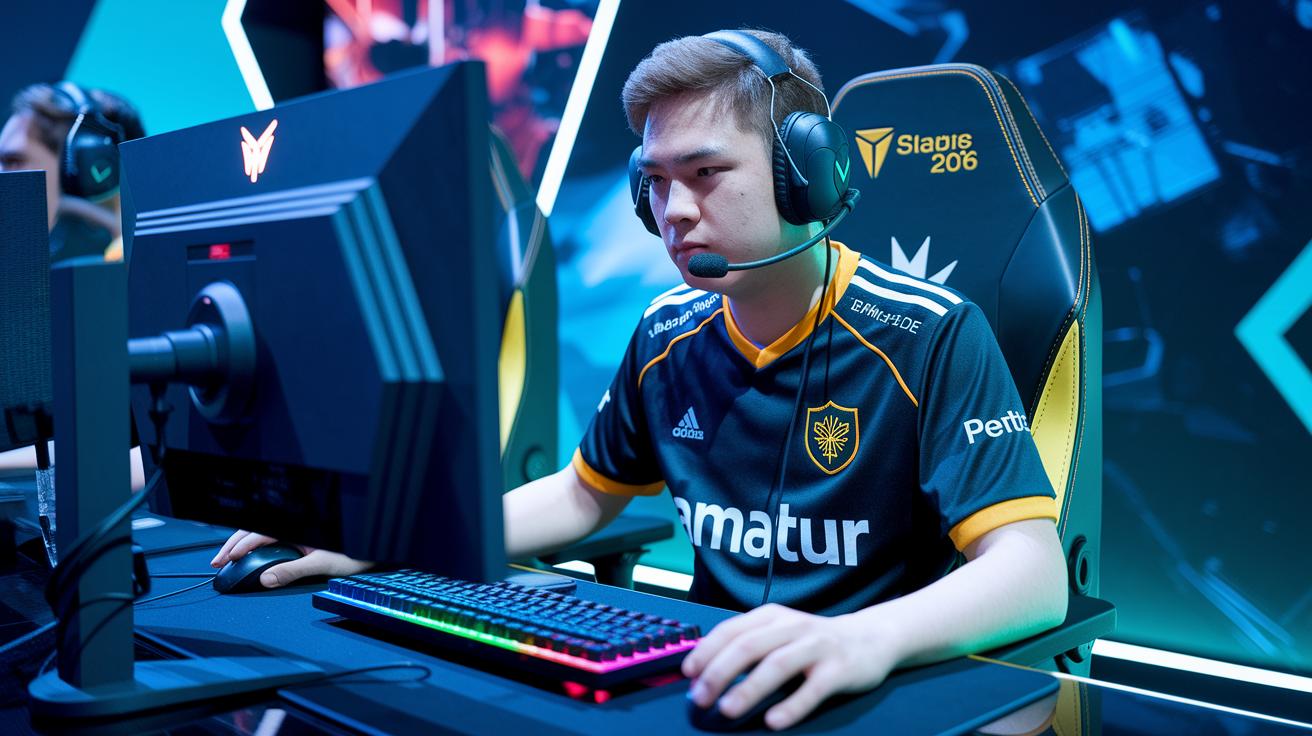
Esports is lighting up the scene these days, even when some folks worry that gaming might be on its last legs. Big tournaments not only boost community spirit by showing off next-level skills, but they also bring us all together. When you watch a streamer on Twitch or YouTube Gaming, every epic move turns into a shared thrill, with fans chattering in the live chat – like when someone shouts, "That clutch move saved the match!" It’s proof that streaming and competitive play might be the spark that keeps gaming fresh and innovative.
But remember, even the best things can have a downside. The hustle of non-stop streaming can really wear people out. Long hours and sky-high expectations can turn a passion for gaming into overwhelming pressure. Meanwhile, those cool interactive features that draw us in can also mean more work for moderators, making it tough to keep up. At the heart of the debate is finding that sweet spot between constant content and a healthy, fun community vibe.
VR & AR Innovations: Next-Gen Signals Against a Dying Gaming Industry
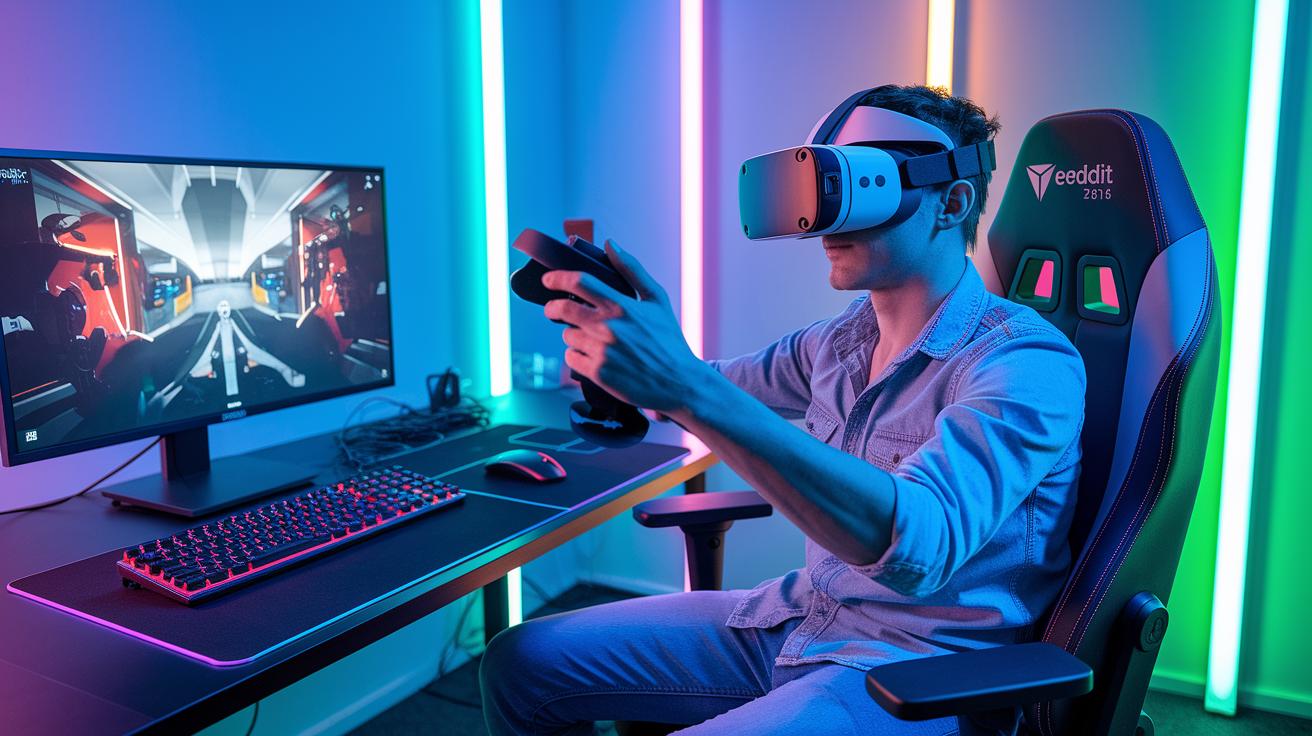
Immersive tech is totally changing how we play games. Studios like Karyahub mix both AR and VR to weave stories that pull you deep into the game world, making every moment feel real. It’s clear now that gaming isn’t vanishing – it’s just evolving into fresh and exciting modes.
Standalone VR headsets give you the freedom to play without being stuck to a PC.
AR apps even merge real life with digital play, so you get a taste of both worlds.
Next-gen consoles come with cool features like tactile feedback and three-dimensional sound, which really upgrade the gaming vibe.
All these steady upgrades shift our chat from “Is gaming over?” to celebrating how tech lifts our play. VR and AR aren’t just neat gadgets; they create whole new levels of excitement. Feeling every pinch of a haptic cue or catching every clear, layered sound makes you truly part of the game. This new surge in hardware and experiences proves gaming is ready to keep surprising and thrilling all of us.
Nostalgia and Innovation: Consumer Shifts Impacting Gaming’s Future
I still remember the excitement of starting up a remade classic on an old console. Every pixel brought back memories of simpler times. And it’s that same magic that pulls gamers back to titles like Hollow Knight, now sporting sharper graphics and cool new twists.
Remasters are stirring up interest with longtime fans. The boost in classic game sales shows that retro charm isn’t going anywhere. Subscription libraries now mix old favorites with new hits, letting players hop between eras with ease. Plus, when family members of all ages join a gaming session on modern consoles, it truly bridges the gap between generations.
On the flip side, younger gamers are eager for fresh stories that pack innovative twists while tipping their hat to classic franchises. This blend of old-school vibes and brand new ideas is paving the way for hybrid genres that change the game. It’s not just a passing trend; it’s reshaping how we all experience gaming.
At the end of the day, the future of gaming rests on the mix of cherished memories and exciting new innovations.
Gaming Future Forecasts: Decline, Resurgence, or Transformation

Fresh research shows that gaming is shifting gears thanks to cool tech upgrades and smart investor moves. Surveys now hint at an 8-10% boost in revenue over the next few years, driven by new gaming technology and extra cash fueling creative innovations.
-
Emerging tech: New cloud and edge computing tricks are cutting down delay during play. Imagine booting up a game and seeing load times vanish like a lightning-fast download.
-
AI integration: Developers are using AI to tweak game challenges on the fly. Picture an AI that adjusts the difficulty as you play, keeping each session feeling new.
-
Investor trends: Money is flowing into the gaming world, setting up a strong market outlook. Recent surveys suggest that tech-driven innovations could push annual revenues into double digits.
Even though some are still debating the industry’s future, these fresh numbers make it clear that gaming isn’t fading away. It's getting a modern makeover with new tech and fresh investments that completely change what we thought we knew.
Final Words
In the action, we broke down key market shifts, from drastic studio changes and high hardware costs to the rise of cloud, indie, and streaming play, all critical pieces in the debate over gaming dying.
Key takeaways include:
• Massive layoffs and studio closures
• Shifts in platform dominance
• Growing subscription models and cloud play
• Escalating PC gaming costs
• Innovative breakthroughs in VR and AR
This deep dive shows that even with tough statistics, creative energy and new tech keep gaming on an exciting, forward-moving path.
FAQ
Q: Is gaming dying reddit?
A: The Reddit chatter suggests gaming is evolving, not perishing. Industry shifts like cloud play, subscription models, and indie successes keep the world of gaming vibrant and continually active.
Q: Is gaming dying 2024?
A: The talk for 2024 shows challenges such as studio closures and shifting revenue models. Many point to new tech and fresh creative ideas as signs that gaming is simply changing, not ending.
Q: Is PC gaming dying?
A: The question about PC gaming dying highlights issues like rising hardware prices and supply concerns. Despite these challenges, dedicated gamers and new advancements demonstrate that PC gaming remains a strong community.
Q: Why is gaming so dry right now?
A: The perception that gaming feels dry comes from changes in business models and creative approaches. Yet, increasing community projects and streaming trends indicate there’s still plenty of innovation and excitement.
Q: Is gaming not dead reddit?
A: Comments on Reddit argue that gaming still thrives. Many see the rise of esports, indie gems, and interactive streaming as proof that the gaming scene is as lively and engaging as ever.
Q: What is the status of AAA games like GTA 6?
A: The status of AAA games, including titles like GTA 6, remains strong. Big releases keep fans excited, showing that high-budget games continue to draw huge attention despite evolving market trends.
Q: Is gaming losing popularity?
A: When asking if gaming is losing popularity, data shows fan communities and new tech options actually boost engagement. Shifts in revenue models mark evolution rather than a decline in overall interest.
Q: Does gaming have a future?
A: The idea that gaming might end is countered by emerging trends. Innovations like cloud platforms, indie game successes, and expanding esports point to a future full of fresh, exciting possibilities.
Q: Why is the gaming industry struggling?
A: The struggles in the gaming industry often relate to rising costs and shifts in consumer habits. Despite these issues, adaptive business models and creative breakthroughs indicate that the industry is transforming and not failing.