
Ever notice how some MMO markets explode overnight while others just fall apart? It all comes down to a few clever tricks. Developers set up smart virtual currencies, design tight trade systems, and make constant tweaks to keep everything balanced.
Each coin and every trade has its own backstory filled with careful adjustments and creative fixes. In this article, we're pulling back the curtain on these key elements and showing you how every decision shapes a lively and secure game economy.
Ready to dive in and discover what makes your favorite MMO tick?
Core Structures of MMO Game Economy Breakdown
MMO game economies depend on a few key pillars that keep the whole digital world buzzing. One big part is virtual currency valuation. Think of it like the in-game gold you collect and spend. In most games, the worth of this currency hinges on how rare it is, how often it’s used, and how much players trust it. For example, if a rare item suddenly becomes super popular, the value of the currency can spike, kind of like when a limited-edition skin takes over after that clutch win.
Next up, there are the challenges with traditional trade mechanics. Lately, hackers have been making fake in-game cash and selling virtual goodies on shady platforms, leaving players vulnerable to scams and legal headaches. This is why having a solid online trading system is so important. Game makers are now stepping up their game by tightening controls to keep everyone safe and the market fair.
Another crucial piece is the use of economic simulation models. Imagine a digital sandbox where developers tinker with supply and demand to see how changes impact the game’s balance. By adjusting reward rates and sink mechanics (which are ways to take currency out of the game), they help keep inflation under control and the economy stable.
Lastly, keeping a virtual economy running smoothly means constant watchfulness and smart tweaks. When player habits, market trends, and microtransaction dynamics all line up, the in-game marketplace stays balanced. This harmony makes the virtual trading space active and secure for everyone. Every part, from how currency is valued to how trades happen, builds the blueprint for a thriving MMO economy.
Virtual Currency Valuation and Inflation Risks in MMOs
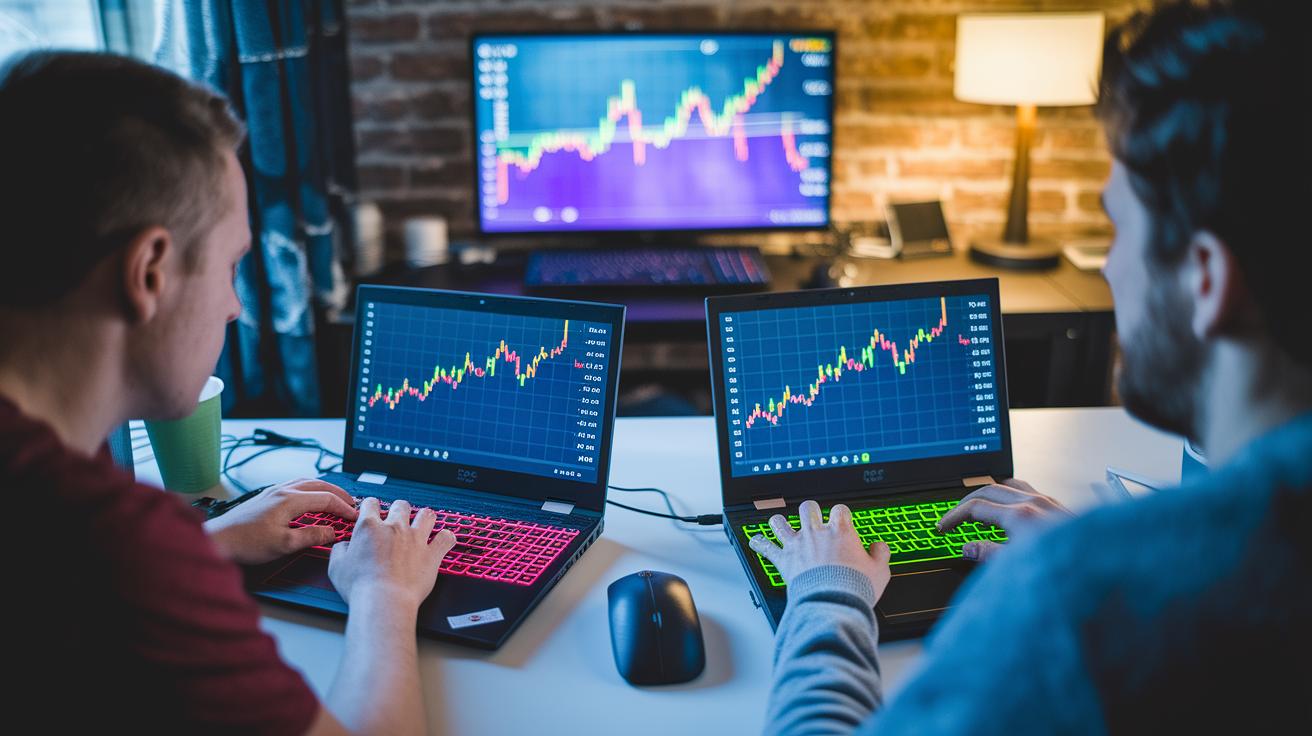
MMOs set up their money systems based on how hard it is to earn coins, how rare rewards are, and what players are willing to pay. Game designers decide a currency's value by looking at quest rewards, loot drops, and achievements. For instance, one game had a new event that made it too easy to earn coins, and suddenly, in-game gold lost almost half its worth in just a few days. This kind of surprise shows how inflation can sneak into the game.
Inflation happens when too many coins flood the game. With so many coins around, each one loses a bit of its power, making it tougher for players to buy rare gear or cool items. To fight this, many games have what they call currency sinks. These are neat systems that take coins out of the game. For example, players might spend coins fixing gear, paying game taxes, or covering fees in special market areas.
There’s also the impact of microtransactions. Sometimes players spend real money to get extra in-game cash. This can quickly boost the coin supply. Game makers usually set limits and add more currency sinks to keep things in balance. All these factors, how money is valued, inflation risks, and careful steps to remove excess cash, combine to make a lively, fast-moving economy in MMOs.
Marketplace Dynamics in MMO Game Economies
Imagine an in-game market where supply and demand drive every trade like the thrill of a climactic boss fight. Prices can shift in an instant, just like trading a rare sword for coins, depending on how many items are up for grabs and how badly players want them. For instance, when a shiny new piece of armor is released, a rush of players can quickly send its price soaring.
Game trends show that tweaks in game design and special events can really shake things up. When a rare item appears and only a few are available, but everyone is after it, prices can skyrocket. On the flip side, if loads of items start flooding the market, even the coolest gear can lose its shine because everyone can get it.
Developers often use simple simulation models to test these market swings. They create virtual labs to mimic player habits and market trends. This way, they can catch wild price changes early and plan fun events like currency sinks or special auctions.
| Market Factor | Definition | Example | Impact on Economy |
|---|---|---|---|
| Supply | The number of items available in the game | Limited-edition gear drops | Helps decide rarity and value |
| Demand | How much players want an item | High buzz around rare weapons | Pumps up prices |
| Price Fluctuations | Changes in how much items cost | Price spikes during special events | Affects how liquid the market is |
In simple terms, market behavior can turn a basic trade into a strategic face-off filled with quick decisions and smart moves.
Player-Driven Market Analysis and Trade Systems
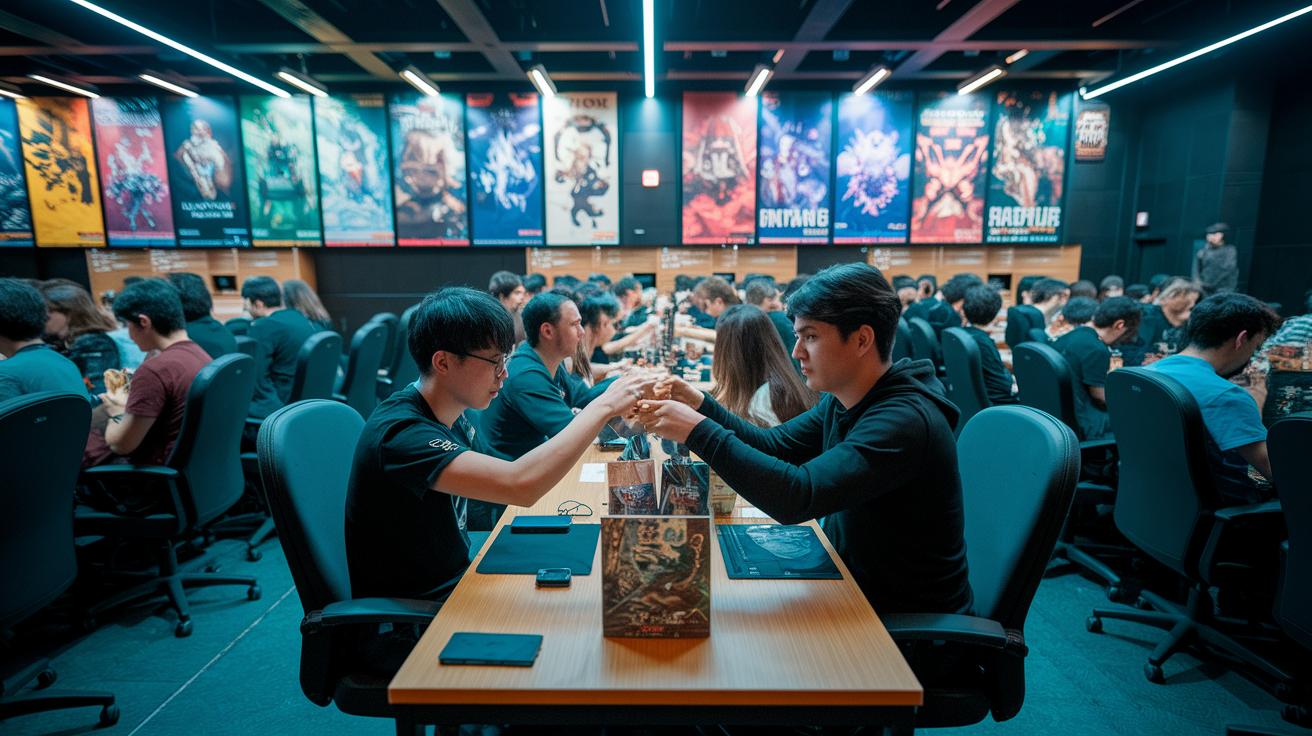
In MMO games, players are the ones who keep the virtual market alive. They trade everything from weapons to rare items, handling deals based on gut feelings, in-game chat, and past experiences, kind of like when you bargain with a buddy for that special piece of loot.
These player-run markets are super reactive. When an update drops a hot new item, its price can shoot up in a flash, and players gather in specific areas or guild shops to work out deals. Sometimes, dedicated forums even pop up where strategies are shared and trades are carefully negotiated.
This hands-on trading style directly influences how much digital items are worth. Players figure out what’s valuable by watching how trades go, tweaking their offers, and sometimes holding onto items until the timing is just right.
- Players naturally steer price trends.
- Peer trade helps the market adapt in real time.
- Bustling trade hubs emerge where players are most active.
By tuning into these dynamic trade systems and soaking up community insights, gamers can really sharpen their skills in negotiation and managing digital assets.
Case Studies of MMO Game Economy Models
World of Warcraft Economic Model
World of Warcraft’s economy feels like a living thing that changes with every new raid or patch. Prices for in-game items come from rare drops, quest rewards, and special events that pump up the excitement. Imagine a cool mount that only shows up during a limited-time event, its value rockets, kind of like snagging a legendary pet everyone wants during a dungeon run. The game keeps the balance with smart tricks like auction houses and repair fees to stop prices from going wild.
EVE Online Market Dynamics
EVE Online has a market that runs almost like the real world, thanks to players driving the action. Trade hubs and regional markets set prices for everything, from spaceship parts to rare space commodities. Picture a big faction war sparking a rush for defense modules, with prices shooting up like a stock jump on big news. The fun part? Players constantly watch and react to these changes, making the economy feel real and full of surprises.
Final Fantasy XIV Virtual Economy
Final Fantasy XIV buzzes with a community-driven economy that gets better with every update. New patches bring fresh content and even new chances to invest in virtual real estate, which shifts the value of digital items. Players swap items based on guild tips and bustling in-game market forums. In many ways, FFXIV’s economy is like fine-tuning a game strategy during an intense timed challenge, one smart move can change the whole game.
Balancing and Sustainability in Virtual Economies

Developers now play with taxes that change with player actions. When the market heats up, taxes jump up; when things cool off, they drop back. For example, if loads of players rush to snag rare loot, taxes rise to keep the game from getting overloaded with cash.
Next, keeping track of how smoothly money and items flow in the game is a big deal. Developers monitor these flows to catch any signs of trouble early. They keep a close watch on each transaction, ready to step in if there’s an unexpected spike or drop that might mess with the fun.
Monetization Strategies and Real-Money Impact on MMO Economies
When it comes to MMOs, making money isn’t just about subscription fees. Developers mix regular payments with small, extra purchases that let you decide how much more you want to spend on your adventure. Some gamers even pay a monthly fee and drop cash on tiny boosts that can transform their characters into epic powerhouses. This blend of fixed subscriptions and extra buys helps keep the game fresh while fueling constant updates and a buzzing in-game market.
Every day, you can feel the impact of these little transactions. Spend real cash for virtual coins or special gear, and watch how it quickly changes the game’s supply and demand. Imagine a loot box where you pay for a shot at rare items; suddenly, those items become a hot commodity. Often, the value of a loot box comes from the odds you see right in front of you, as if every pull could be your ticket to a game-changing moment.
On top of that, trading real money for virtual items adds a whole new twist to the in-game economy. Cash flows between the real world and the game, blurring the lines between digital and physical money. In truth, subscription fees, microtransactions, and loot boxes all work together to create a lively, ever-changing market that challenges both players and developers to keep evolving their strategies.
Emerging Trends: Blockchain and Cross-Platform Currency Shifts
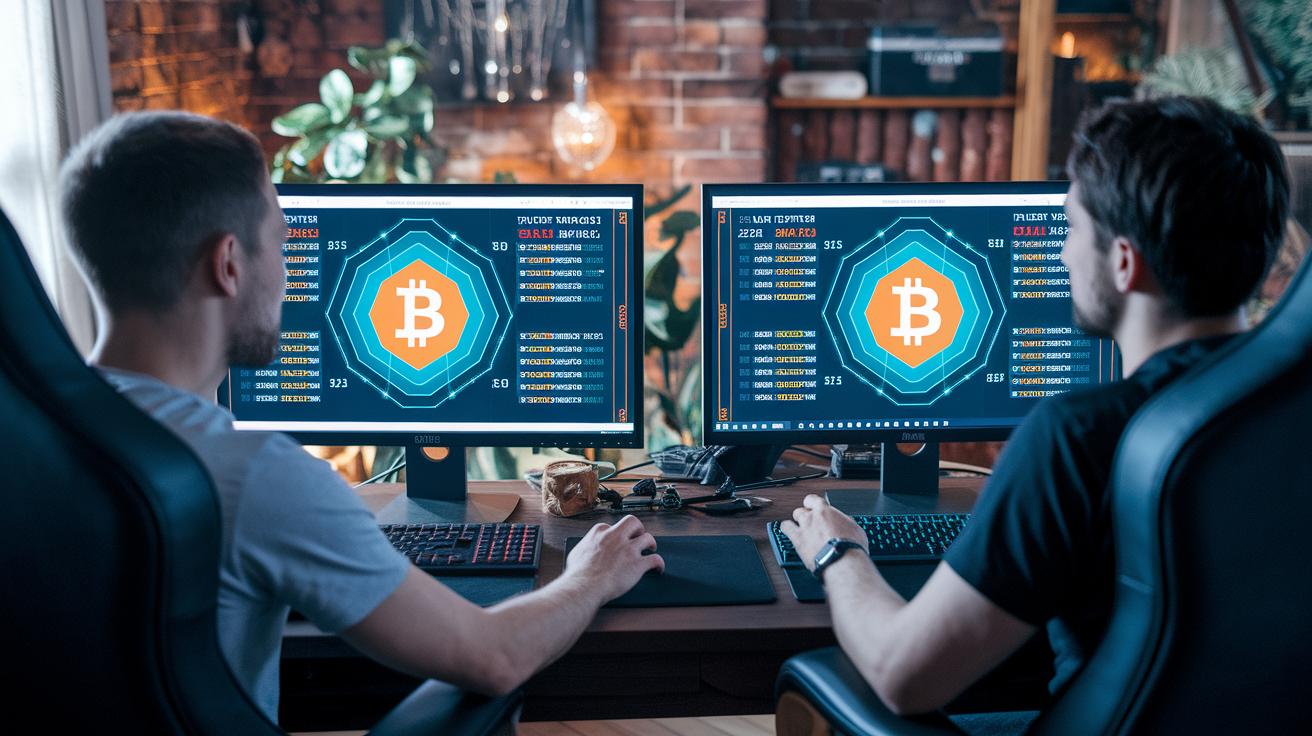
MMO game worlds are leveling up with blockchain and a fresh approach to digital money. Now, when you pick up an item, like that epic digital sword, you really own it, and everyone can see its true history.
Switching to coins that work across different games makes spending and trading way more exciting. You’re not just seeing random numbers on a screen; those coins feel like rare collectibles that carry real value.
Microtransactions take on a bigger role, too. Trading tokenized items across games is like diving into a bustling market where every deal gives you a rush of adrenaline. Now, even virtual land and unique game structures are hot tickets in this expanding digital economy.
Security comes first, though. Game makers are teaming up to lock down your assets with robust, built-in protection. This teamwork creates a stable and trusted space for everyone to enjoy trading and owning digital treasures.
- Advanced penetration testing
- Smart contract audits
- Red-team exercises
- Security advisory services
- Vulnerability scoring systems
Final Words
In the action, we broke down the inner workings of MMO game economy breakdown. We touched on virtual currency values, trade systems, and the forces that drive marketplace trends. We also looked at player-led market moves and real-money trade impacts. Each section painted a clear picture of how economics shapes player experiences in gaming. The discussion even featured emerging cross-platform currency shifts and blockchain integration. This layered insight leaves you ready to boost those gaming strategies and enjoy a smoother, more competitive play. Enjoy the ride!
FAQ
How do MMO economies work?
The phrase “How do MMO economies work?” explains that MMOs use virtual currencies, trade systems, and supply-demand mechanics to let players buy, sell, and exchange items while keeping the market balanced.
What is the online space game with economy?
The phrase “What is the online space game with economy?” points to EVE Online, known for a player-controlled market and active trade systems that mimic real-world economic activity in an immersive space setting.
How much does the average MMO budget?
The phrase “How much does the average MMO budget?” shows that MMO budgets vary significantly, often reaching millions of dollars to support development, ongoing updates, and market management.
What is the number 1 MMO right now?
The phrase “What is the number 1 MMO right now?” indicates that top contenders often include games like World of Warcraft and Final Fantasy XIV, recognized for large player communities and continuous content improvements.