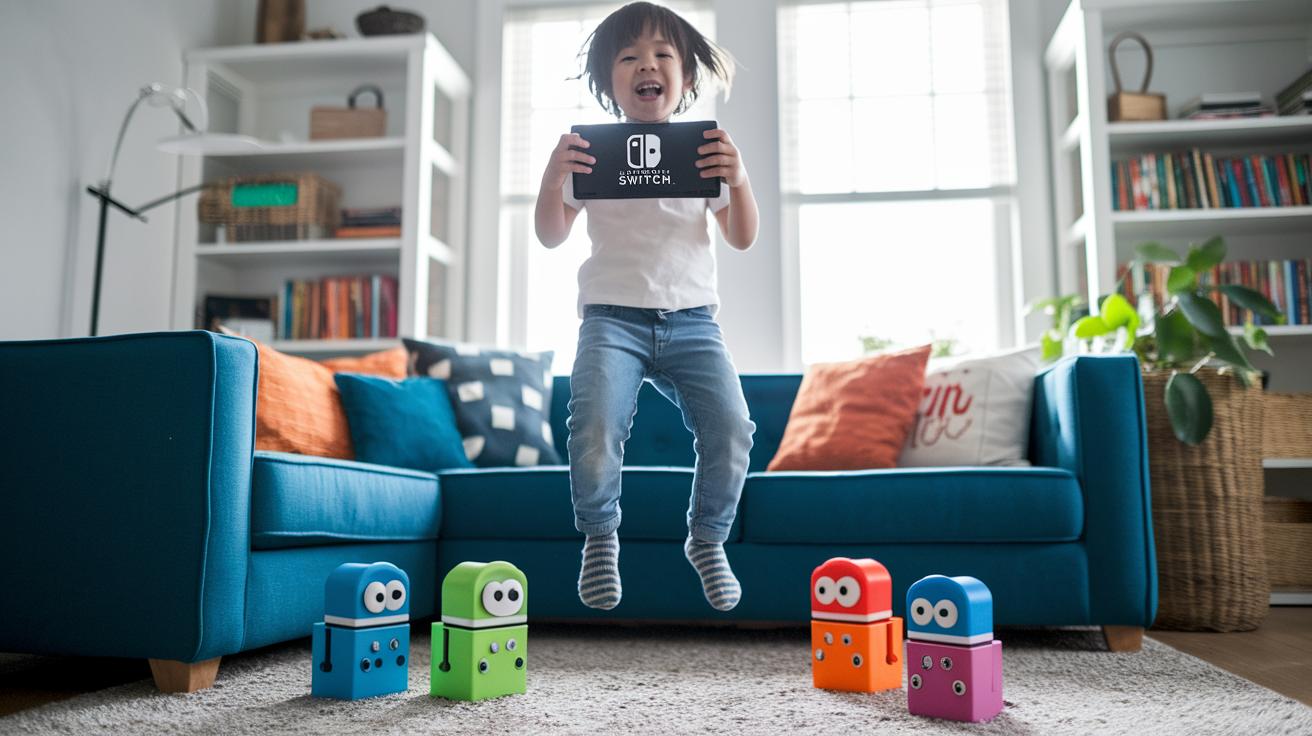
Ever notice how grabbing a Nintendo console can still give you that rush, like starting a thrilling game session right away? Nintendo consoles bring pure excitement to the table, showing that fun never really gets out of style.
From the early days of the Color TV-Game to the magic of the Game Boy and now the all-in-one Switch, each device proves that gaming can be both straightforward and clever. These systems have a way of gathering friends and family around, sparking moments full of joy and nostalgia. In this post, we dive into the creative vibe behind Nintendo consoles and see how they continue to light up our gaming world.
Overview of Nintendo Gaming Systems: Legacy, Handhelds, and Hybrids
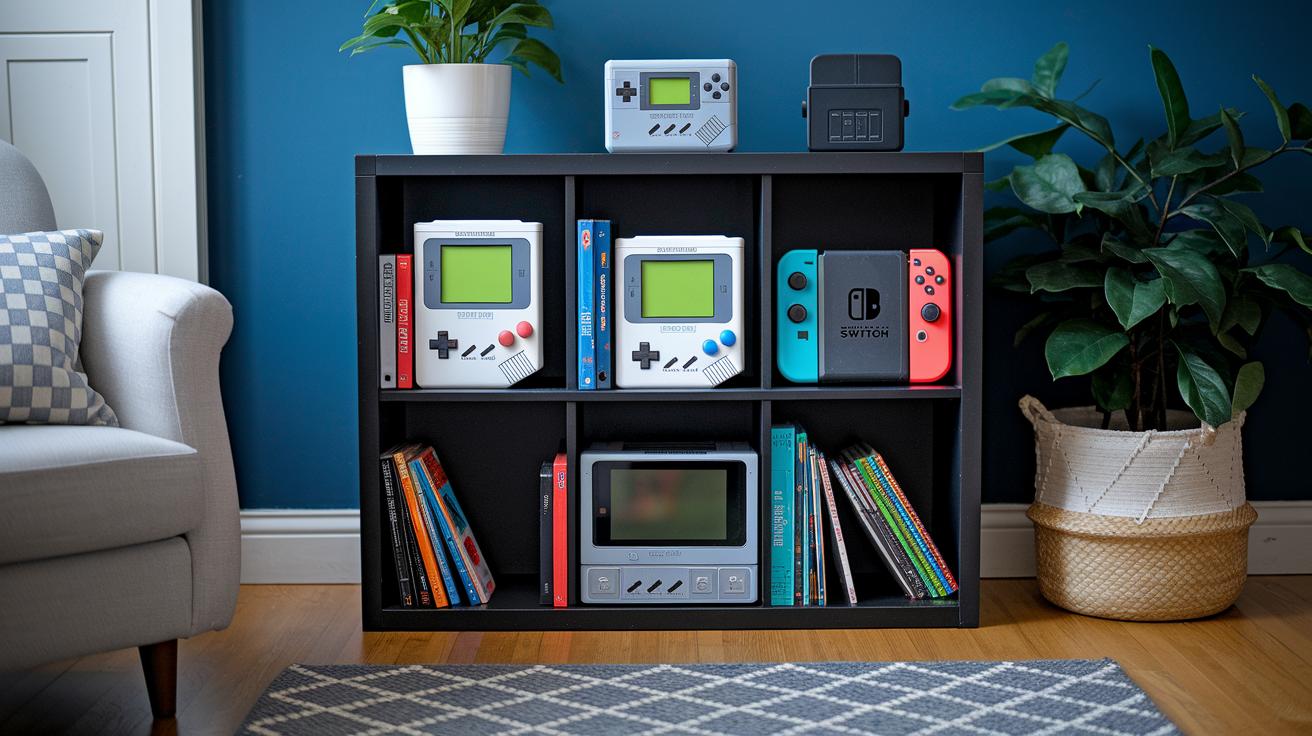
Nintendo's journey is one of non-stop innovation. It all started in 1977 with the Color TV-Game 6 – Nintendo's very first gaming system. Then came the Game & Watch series between 1979 and 1991, little LCD games that felt like carrying a mini arcade in your pocket. Pretty cool, right?
In 1989, the Game Boy stepped up the game, making portable gaming a hit and selling over 154 million units. A few years later, the 16-bit Super Nintendo Entertainment System (SNES) hit the scene in 1990. It brought better graphics and richer game worlds to living rooms everywhere, setting new standards for storytelling and fun.
The mid-90s saw the Nintendo 64 roll out in 1996 with breakthrough 3D graphics, even though it sometimes struggled with outside game support. Then, the GameCube came in 2001, using optical discs and trying hard to keep up with the competition.
Handheld gaming kept evolving with the Game Boy Advance SP in the early 2000s, followed by the Nintendo DS in 2004 that introduced dual screens and touch controls, making portable play even more exciting. Later, the Wii U in 2012 tried to bring fresh ideas despite facing its own challenges. Finally, in 2017, the Switch burst onto the scene, blending the power of a home console with the freedom of a handheld. Its success, with over 120 million units sold, marks a defining moment for modern Nintendo gaming.
Classic Home Consoles: Nintendo’s 8-bit to 128-bit Eras
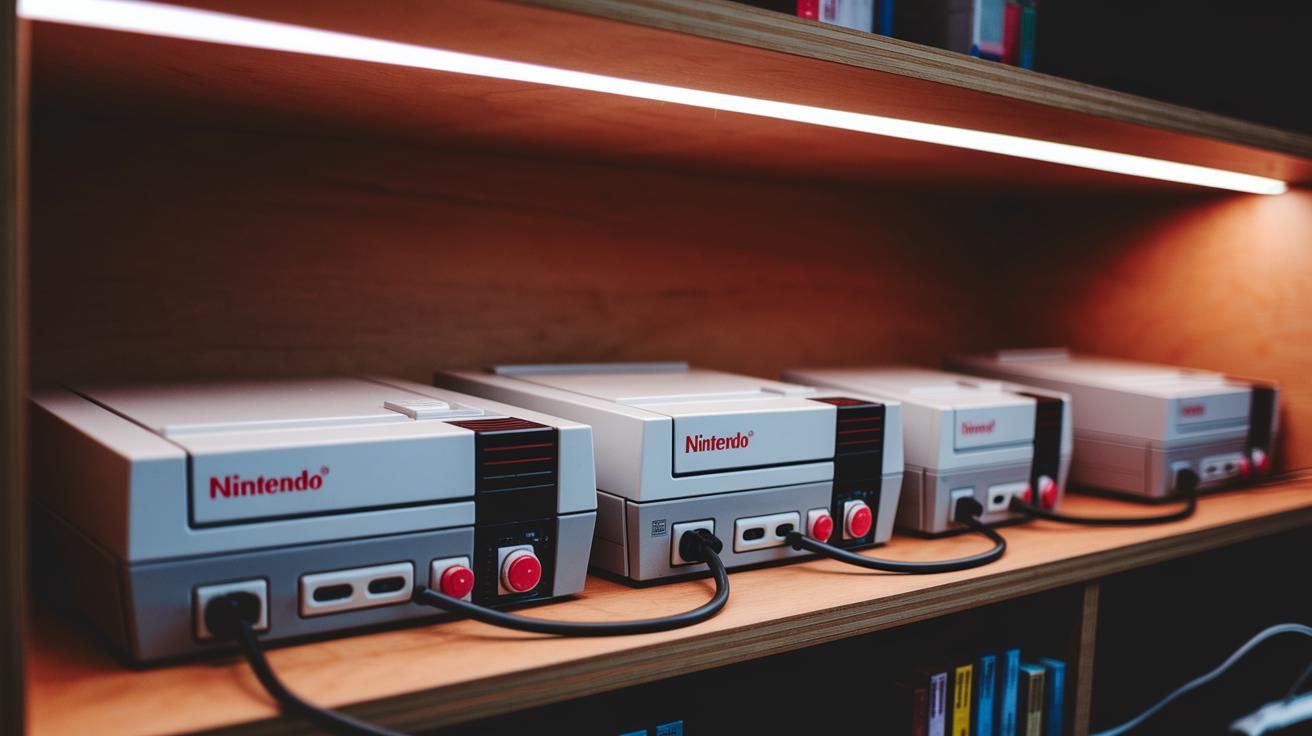
Nintendo started a gaming revolution by bringing its early Color TV-Game series into homes between 1977 and 1983. These consoles had simple designs and basic features, but they made gaming fun and easy to pick up, just like turning your living room into a mini arcade.
Next up, the NES dropped in 1985 and totally changed the game. It revived the North American gaming scene and introduced us to timeless franchises by delivering smooth, engaging gameplay. Remember how it felt to jump into a fresh adventure with Mario for the very first time?
Then in 1990, the SNES stepped in with cool 16-bit graphics that made game worlds more vibrant and detailed. With its memorable titles and immersive stories, it felt like you were diving into a colorful animated realm where every little pixel told part of the story.
In 1996, the Nintendo 64 pushed things further by exploring 3D graphics, even if it had fewer third-party games. And just a few years later, in 2001, the GameCube made big strides by using optical discs. This change meant more storage and a wider variety of high-quality games, turning the console into a hotspot for gamers looking for new challenges.
Revolutionary Nintendo Handheld Devices and Portable Pioneers
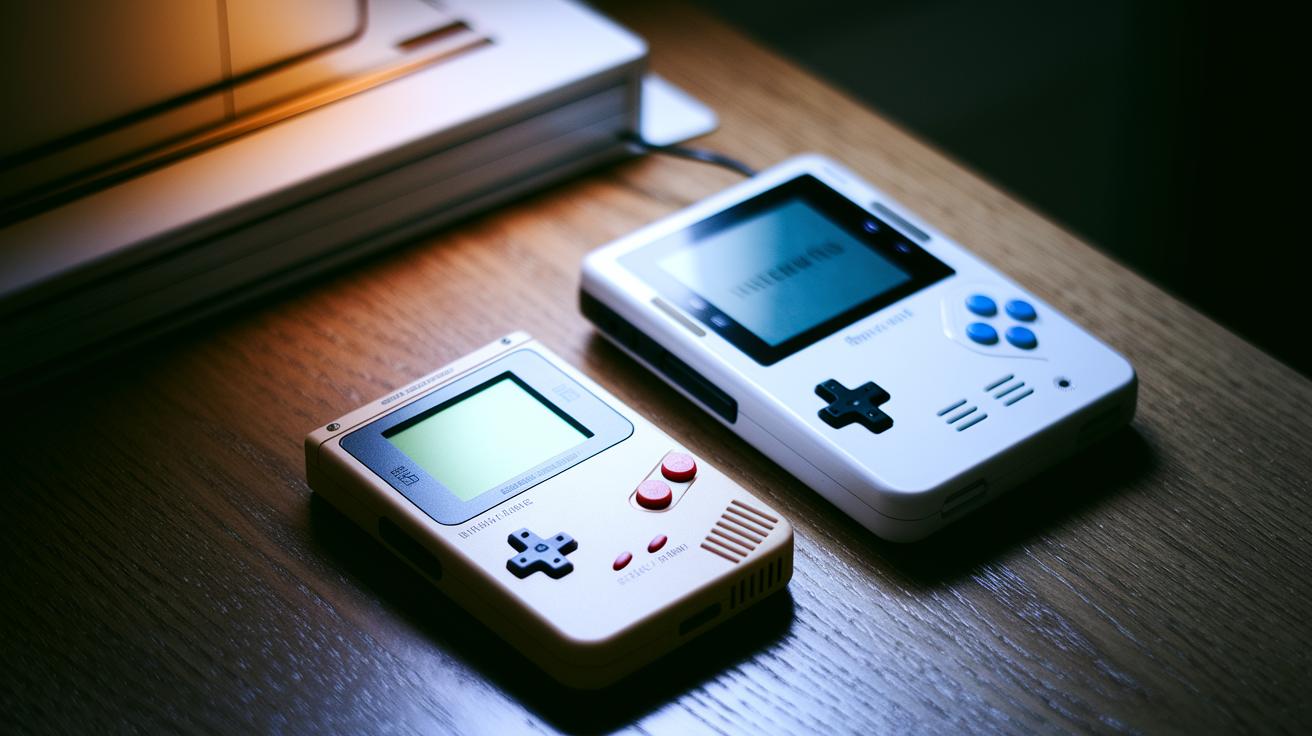
The Game & Watch series kicked off LCD gaming with smart, simple designs that delivered a fun experience. A cool fact: even though they were basic, these devices used segmented displays to make the most of the limited tech, setting the stage for portable gaming.
Then came the Game Boy, a sturdy, user-friendly system that won over commuters and casual gamers alike. Its no-frills design proved that solid, straightforward gaming could fit right into daily life. One player even said playing on it during school breaks felt like a little adventure every time.
Next, the Game Boy Advance and its SP took things up a notch with brighter screens and a compact flip design that made them even easier to carry around. It was like upgrading your rig, small changes that led to big improvements in the gaming experience.
The Nintendo DS changed the game with its dual screens and touch controls. This clever setup let developers mix classic button presses with swipes and taps, opening up a whole new style of gameplay. As one designer put it, the dual screens pushed them to think outside the box, creating puzzles that required both creativity and quick thinking.
Then came the Nintendo 3DS, which introduced 3D effects without needing glasses. This new layer of depth changed how mobile games were seen, blending Nintendo's rich history of portable play with modern gaming vibes.
| Device | Key Innovation |
|---|---|
| Game & Watch | Segmented LCDs for simple play |
| Game Boy | Durable design and portability |
| Game Boy Advance/SP | Clamshell design with brighter screens |
| Nintendo DS | Dual screens with touch controls |
| Nintendo 3DS | 3D effect without glasses |
Hybrid Nintendo Gaming Systems: The Switch Phenomenon
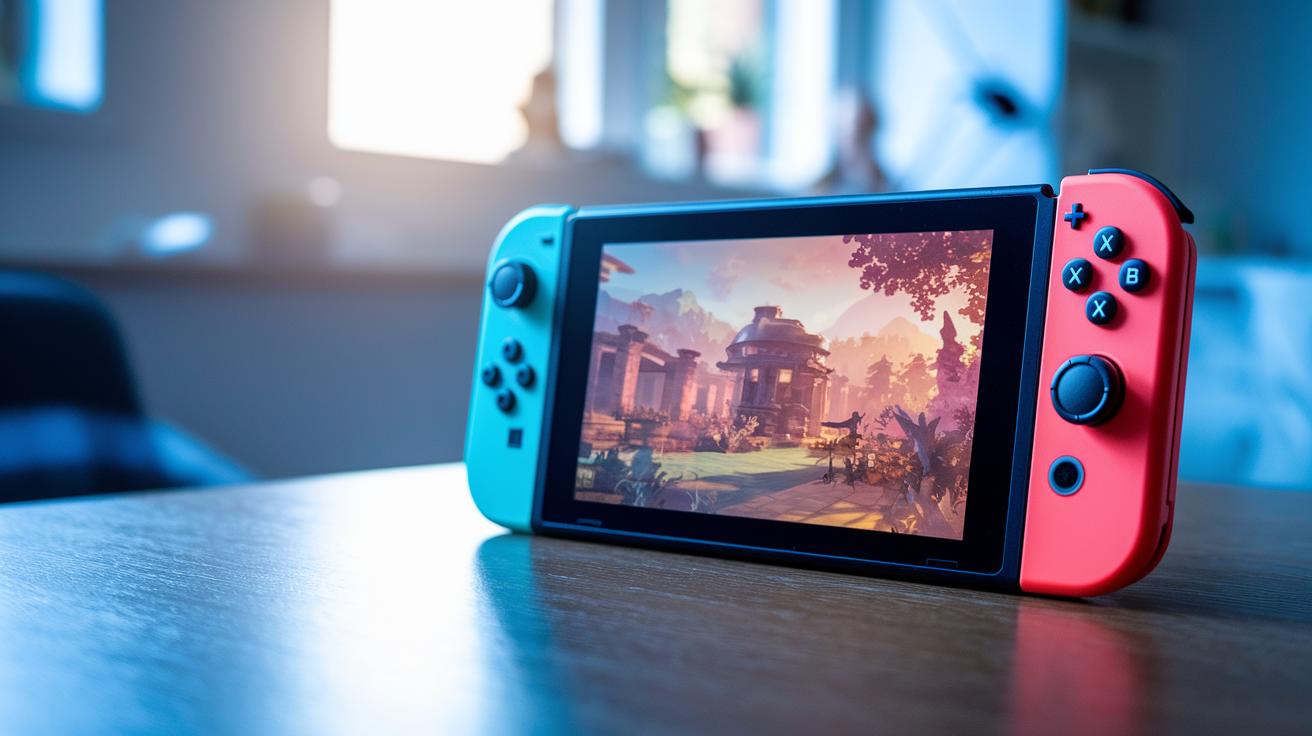
The Nintendo Switch mixes the comfort of a home console with the freedom of playing anywhere. It lets you jump from gaming on your TV to gaming on the go without skipping a beat. One game designer mentioned, "Switch isn’t just a device, it’s a playbook for blending big-screen fun with handheld ease."
After the Wii U, Nintendo refreshed its games with this hybrid style. This new design changed what players expect and gave the brand a boost. One strategist said, "Instead of sticking to old formulas, the Switch showed that rethinking design can bring fresh energy to a classic franchise."
Technical Specifications and Screen Innovation Across Nintendo Systems
In this section, we dive into some cool tech details and comfy designs that make these Nintendo systems stand out. Even the first Game & Watch devices, with their basic LCD screens, set the stage by creating easy-to-use controls. And when you press a button on the original Game Boy, it takes you back to those classic pixel-perfect moments.
Nintendo kept pushing the envelope with screen tech. The DS, for instance, introduced dual touchscreens that made swiping and tapping feel natural. It was a game-changer for developers, letting them mix and match controls like upgrading from a simple tool to a versatile gadget.
Controllers got a serious upgrade too. Starting with the simple d-pad, Nintendo moved to the Joy-Con controllers that detach and track your every move with built-in sensors. It’s a bit like switching from an old remote to a smart device that follows your actions perfectly.
| System | Screen Type | Release Year |
|---|---|---|
| Game & Watch | LCD Display | 1979 |
| Game Boy | Monochrome Dot-Matrix | 1989 |
| Nintendo DS | Dual Resistive Touchscreen | 2004 |
| Nintendo 3DS | Stereoscopic Display | 2011 |
| Nintendo Switch | 6.2-inch LCD | 2017 |
All these tech highlights show more than just better visuals. They also mean smoother controls and sharper feedback that really transform how you play.
Digital Services, Online Play, and Retro Game Libraries on Nintendo Systems
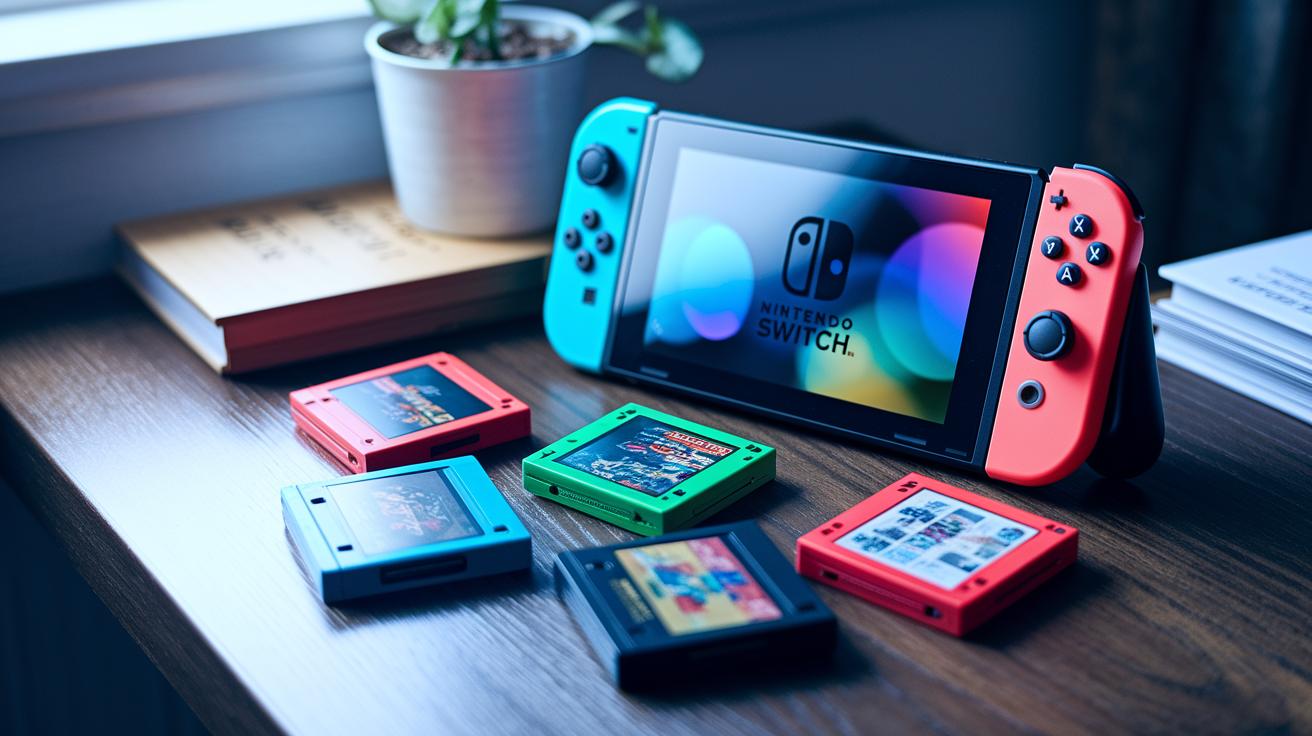
Nintendo has really changed the way we play by jumping into digital downloads and online gaming. In 2006, the Wii Shop Channel rolled out a whole new way to grab games and extra content without needing a cartridge. Not long after, the DSi Shop and 3DS eShop appeared in 2011, letting fans snag digital copies of their favorite games right from home.
These digital storefronts made buying games easier and kept the magic of old classics alive. The Virtual Console acted like a treasure chest, opening up legendary games from the NES and SNES libraries. One gamer even said it felt like discovering hidden treasure in your old game box.
The world of online play also got a big upgrade. Nintendo Switch Online lets you connect with friends while playing classic titles on your modern system. It’s a lot like sitting down with pals to relive those wild arcade sessions, all thanks to convenient digital collections.
These digital retro collections aren’t just about nostalgia, they’re a living archive of gaming history. Getting access to both NES and SNES libraries through Switch Online offers a neat peek into how games have evolved, keeping those early gaming memories alive while celebrating the cool tech that keeps us all excited.
Pricing Trends, Collector Editions, and Market Impact of Nintendo Systems
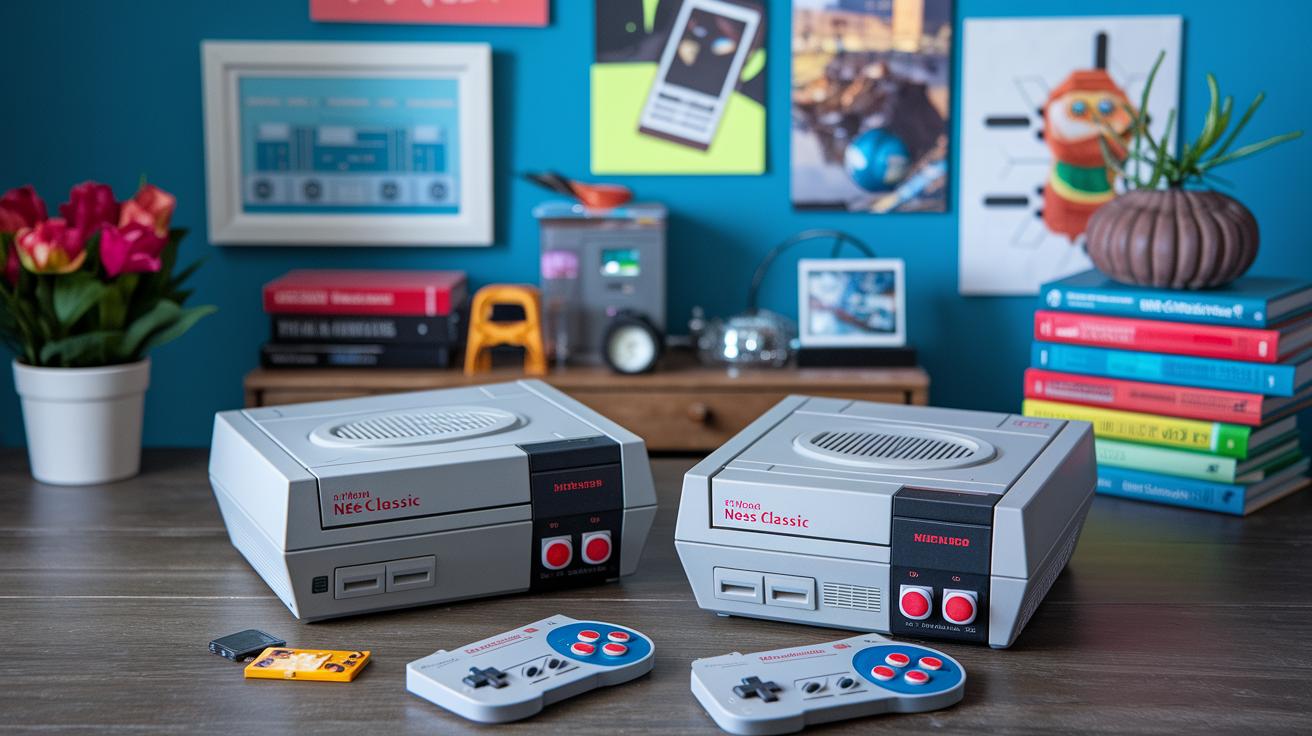
Nintendo’s price moves always get gamers excited. Back in 2016, they launched the NES Classic Edition for $59.99, and in 2017, the SNES Classic came out at $79.99. One fan even said, "Seeing these classics reimagined made me feel like I was holding history in my hands." These collector editions bring back old memories and boost sales by tapping into our love for retro gaming.
More recently, Nintendo introduced the Switch Lite at $199 and the regular Switch at $299. These prices are set to attract both longtime fans and newcomers. A collector mentioned, "These prices show Nintendo’s clever balancing act between preserving legacy and pushing forward with innovative design." In other words, by keeping the prices fair and celebrating their past, Nintendo makes sure everyone can enjoy what they have to offer.
Over time, these smart pricing strategies and special collector releases have changed the gaming market. Each limited edition and price tag tells a story of how classic gaming still shapes today’s scene and sparks excitement among fans everywhere.
Buying Guide for Nintendo Gaming Systems: Best Picks and Recommendations
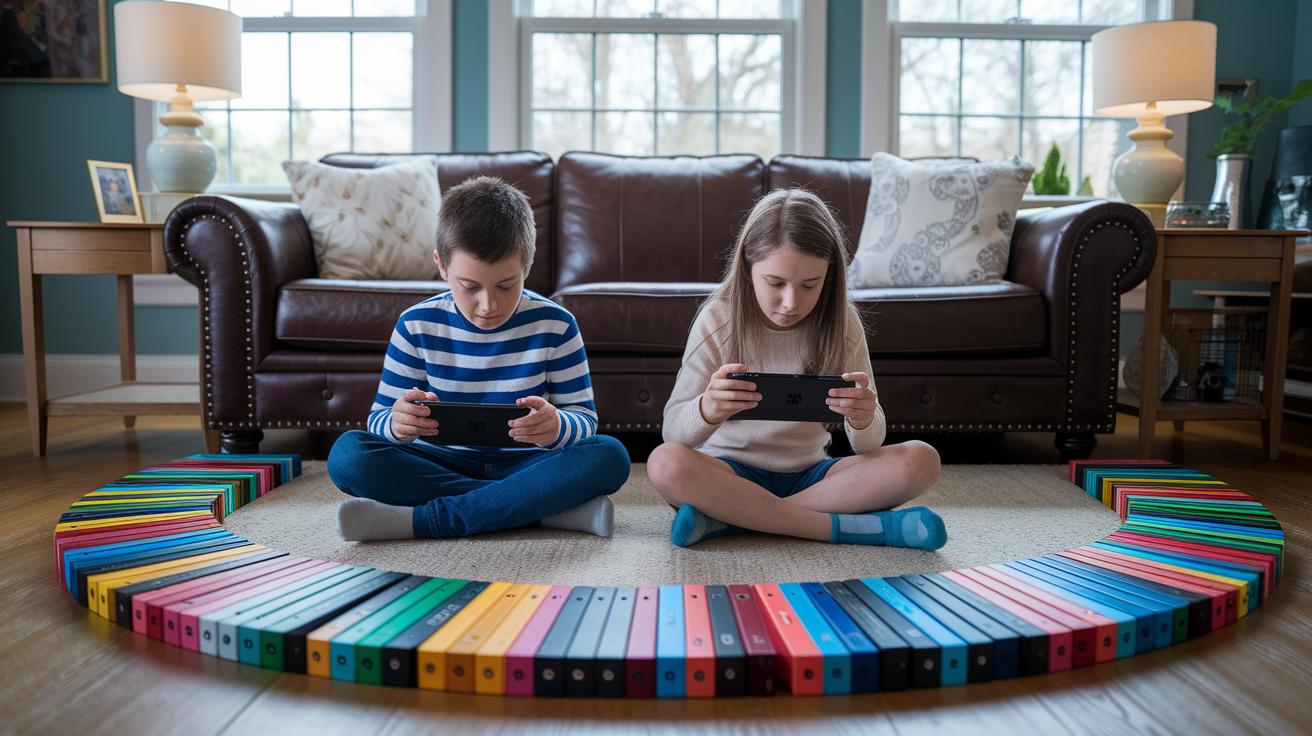
Picking the right console is like setting up for an epic match. If you’re all about chill family nights or just relaxing play sessions, the Nintendo Switch and Switch Lite are hard to beat. They mix portability with solid performance and feature easy game sharing, so you can jump right in with your friends and family. One fan even said, "Switch turns my living room into a fun zone where every family member finds something to love!"
If you’re into gaming on the go, the Game Boy Advance SP and Nintendo 2DS really shine. Their small size and big game libraries mean you can dive into classic or modern titles anywhere, almost like carrying your favorite snack in a bag.
For those who lean toward retro play, the NES Classic and SNES Classic are perfect. They load up on timeless games and let you relive the golden days of pixel fun without busting your budget.
| Category | Recommended Console |
|---|---|
| Casual/Family Gaming | Nintendo Switch, Switch Lite |
| Handheld-Only Play | Game Boy Advance SP, Nintendo 2DS |
| Retro Enjoyment | NES/SNES Classic |
No matter your budget or what kind of games you dig, there’s a console out there ready to level up your gaming experience.
Final Words
In the action, we journeyed through Nintendo gaming systems' rich legacy. We hit key moments, from classic consoles to portable milestones and the breakthrough Switch innovation.
We broke down technical specs, digital services, pricing trends, and buying choices. Each section built on the excitement of retro gaming and modern strategies.
Keep pushing forward with your gaming and streaming, knowing there's always more to explore and enjoy.
FAQ
Q: What are the different Nintendo gaming systems including timeline and order?
A: The different Nintendo gaming systems include early home consoles like NES, SNES, and N64, handheld devices like Game Boy and DS, and hybrid units like the Switch, forming a clear timeline of evolving gaming experiences.
Q: Does Nintendo make anything other than the Switch?
A: Nintendo produces a range of devices such as classic home consoles, handheld systems, and now hybrids. The company’s rich lineup goes far beyond the Switch, offering diverse play styles for different gamers.
Q: What is the Nintendo Switch 2?
A: The Nintendo Switch 2 is a rumored upgrade with expected hardware improvements and enhanced features. No official details have been confirmed yet, leaving gamers eager for more information.
Q: Which systems are considered some of the best Nintendo gaming systems?
A: Many fans rate the DS, N64, and Switch as top picks due to their innovative designs, strong game libraries, and lasting impact on how we play, making them favorites among gaming enthusiasts.
Q: What makes the Nintendo DS and Nintendo 64 special?
A: The Nintendo DS is celebrated for its dual screens and touch controls, while the Nintendo 64 impressed with 3D graphics that set new standards, both playing key roles in Nintendo’s success.
Q: What are the big three consoles in today’s gaming market?
A: In gaming, discussions of the big three often refer to major brands. For Nintendo, key eras like the NES, innovative handhelds, and the hybrid Switch have each left a significant mark on the industry.
Q: How does Nintendo compare with other gaming companies like Sony or Capcom?
A: Nintendo stands out with unique hardware designs and family-friendly titles, contrasting with other companies such as Sony and Capcom, which target different gaming experiences and market segments.