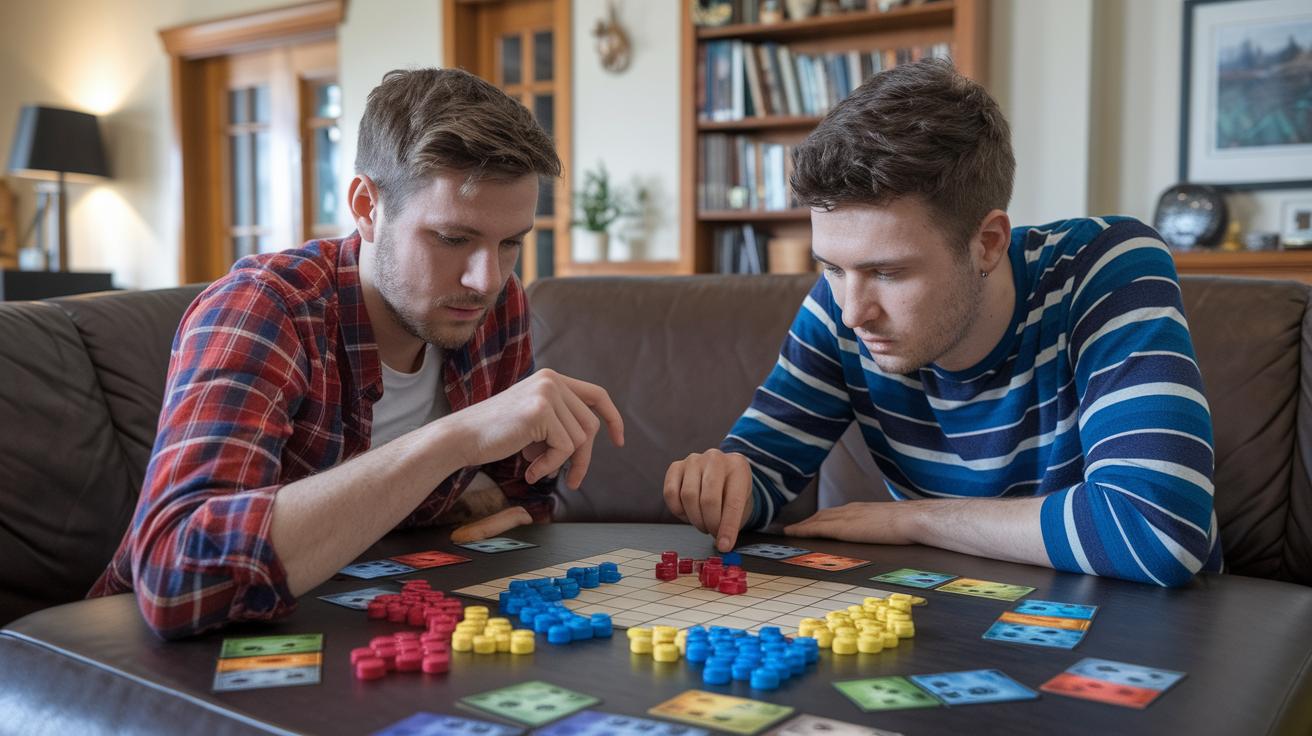
Have you ever played a board game that feels like big-time politics? Play Diplomacy drops you into a world of shifting alliances and smart moves where every choice can change the game.
In this post, we'll walk you through the basic setup and rules. We'll help boost your tactics and negotiation skills, just like planning your next epic strategy in a live match.
Get ready to see how clear communication and smart moves can lead straight to victory.
Essential Rules and Setup for Playing Diplomacy
Diplomacy came out in 1959 and drops you into a world where seven major powers, Austria-Hungary, England, France, Germany, Italy, Russia, and Turkey, battle for control. The aim is to capture 18 out of 34 supply centers, so every decision counts. The game unfolds in easy steps. First, you chat and negotiate during the diplomacy phase. Then, everyone writes down their orders, which are shown all at once. Next, moves are resolved together, and finally, you deal with retreats and unit builds. Each step relies on the previous one, so planning ahead is key, especially as alliances and rivalries mix together.
- Set up the board and place your unit tokens for Austria-Hungary, England, France, Germany, Italy, Russia, and Turkey.
- Mark the starting home centers.
- Start the Spring diplomacy phase by talking about support and non-aggression pacts.
- Write down your orders for movement and support and reveal them at the same time.
- Resolve the moves, sort out any conflicts, and then handle retreats or remove units if needed.
- In the Fall phase, do your builds or retreats and adjust your unit counts.
Once you have everything set up, take a moment to read the rulebook's examples. They show you how to write clear orders to avoid confusion. For example, when you plan a support move, a clear note can make all the difference and stop any misinterpretation during the move resolution. Going through these examples helps you catch potential mistakes, so you are ready for every twist and turn in this epic battle of wits.
Online Platforms for Digital Diplomacy Play

Online play brings gamers together no matter where they are. You can jump into matches, chat with other players, and set up your moves from any device. It makes planning your strategy easy and less stressful, keeping things friendly even when the game heats up.
| Platform | Description |
|---|---|
| Backstabbr | A modern website with chat, different map options, and a tool to settle disputes. |
| FloridaMan Diplomacy | A community-run platform that offers fun house rules, custom maps, and extra game modes. |
| Legendary Tactics | Video guides and breakdowns by seasoned Diplomacy players ready to help you improve. |
Digital platforms also come loaded with cool tools to boost your game. For example, Backstabbr offers a slick browser setup that gets you chatting and strategizing with ease. FloridaMan Diplomacy throws in unique community rules, custom maps, and extra game modes to keep things interesting. And Legendary Tactics wraps it all up with awesome video tips and expert advice from veteran players. Whether you're refining your strategy, enjoying free online war games, or diving into a mobile diplomacy app, these platforms have you covered anytime, anywhere.
Beginner-Friendly Diplomacy Strategies and Tactics
Start your game by setting up clear alliances that give you a strong backup plan later on. Teaming up with a neighbor for mutual defense boosts your security and means you always have someone to rely on when surprises hit. It’s like chatting with a friend who’s as ready for a challenge as you are. And hey, keep a few more contacts open too, this way, if one alliance stumbles or a new chance appears, you’re never left out in the cold.
Support orders are your go-to trick when battles heat up. They can turn the tide without having to charge straight into an attack. By studying the map and anticipating where opponents might rally, you can time your support perfectly. Imagine spotting a rival getting ready to take over a supply center and stepping in with a backup that completely flips the situation. It’s pretty cool how one well-placed move can put you in command of a key spot.
When you’re eyeing those neutral supply centers, timing really is everything. In the early phases, gradually capturing undefended centers gives you the steady growth you need for tougher fights later on. It’s like building your ultimate setup piece by piece, each center you take over makes your position more solid and sets you up for a brilliant counterattack down the line.
Advanced Negotiation and Strategic Decision-Making in Diplomacy

Advanced players treat every round like a part of one big campaign. They see every chat, move, and support order as a piece of a bigger plan to outsmart opponents across multiple turns. Skilled players even start building alliances in casual pre-game chats, planning moves before the board is set. They use everything from perfect message timing to simple map markings to build trust while keeping their rivals guessing. Each early decision sets up chances for a big win later on.
Military Maneuvers
Top gamers often line up moves that work together like a well-practiced team. They may use techniques like double-supporting to set up a surprise attack that catches an enemy off guard. For instance, when two units back each other up, they can capture a key spot faster than expected. Timing is everything here, and a well-coordinated attack across turns can really tip the scales.
Diplomatic Signaling
In high-level play, subtle clues can make all the difference. Players mix private messages with public chats, carefully choosing what to say and when to say it. A quick map note or a well-timed message might hint at a new alliance or even warn of a looming attack. These little signals keep opponents on their toes while helping you steer your own strategy.
Alliance Management
Managing alliances means keeping trust steady as the game evolves. Good players often promise support or plan exit strategies in advance so they can switch tactics when needed. This smart juggling of relationships helps them stay flexible, keep allies close, and adjust plans as the board changes, setting the stage for a strong finish.
play diplomacy Sparks Smart Strategy
Step into a world of support with the Diplomacy Academy and Diplomacy Broadcast Network. These setups run lecture series and live Q&A sessions that explain game rules and offer on-the-spot advice during key decision moments. Oliver Lugg explores variant gameplay, showing how even tiny tweaks can drive a classic battle in a new direction. Community forums also host war councils and lively chats that help calm heated moments. For a quick rule refresher or answers to common disputes, check out the gaming faq.
Join weekly video sessions and forum talks where gamers swap smart tactics and setup tips. It’s like hanging out with friends who share conflict resolution hacks and show you how to adjust strategies on the fly. With regular updates, these communities buzz with fresh ideas and sharp tips that keep every match fun and fair. To see the latest trends, take a look at the gaming community trend scoop and dive into a digital world that keeps your competitive edge alive.
Final Words
In the action, we covered essential rules and setup steps, from positioning your units to navigating the phases of a Diplomacy match. The blog broke down online play, beginner tactics, and advanced negotiation strategies in clear, bite-sized pieces. It even touched on finding community resources that bring extra insight and feedback during a game. Use these insights to boost your skills, and remember, every move is a chance to fine-tune your strategy when you play diplomacy. Keep pushing forward and enjoy every exciting moment at the board.
FAQ
How do I play Diplomacy against AI?
Playing Diplomacy against AI means using online platforms that offer computer opponents designed to mimic human negotiation and movement strategies. This mode helps you practice solo or single-player matches effectively.
How do I play Diplomacy online for free?
Playing Diplomacy online for free involves joining user-friendly websites and mobile apps that host matches without charge. These venues let you set up games, negotiate with others, and resolve orders in real time.
What are Web Diplomacy and Backstabbr Diplomacy?
Web Diplomacy refers to playing the game in your browser, while Backstabbr Diplomacy is a standout web interface that features chat functions, custom maps, and smart adjudication for easy online play.
How do I play Diplomacy on PC?
Playing Diplomacy on PC means using downloadable versions or web-based interfaces optimized for computers. These versions support keyboard and mouse inputs and deliver a smooth experience on standard operating systems.
How long does it take to play a game of Diplomacy?
A game of Diplomacy usually takes several hours or spans multiple sessions. The duration depends on players’ pace, strategy discussions, and negotiation rounds, often extending over days in a turn-based setting.
What was JFK’s favorite board game?
JFK’s favorite board game was Diplomacy. He admired its blend of strategic planning and negotiation, which made the game both challenging and engaging for competitive players.
How many people are required to play Diplomacy?
Playing Diplomacy traditionally requires seven players, each representing one of the major European powers. Some online versions offer AI substitutes if you don’t have enough human participants.