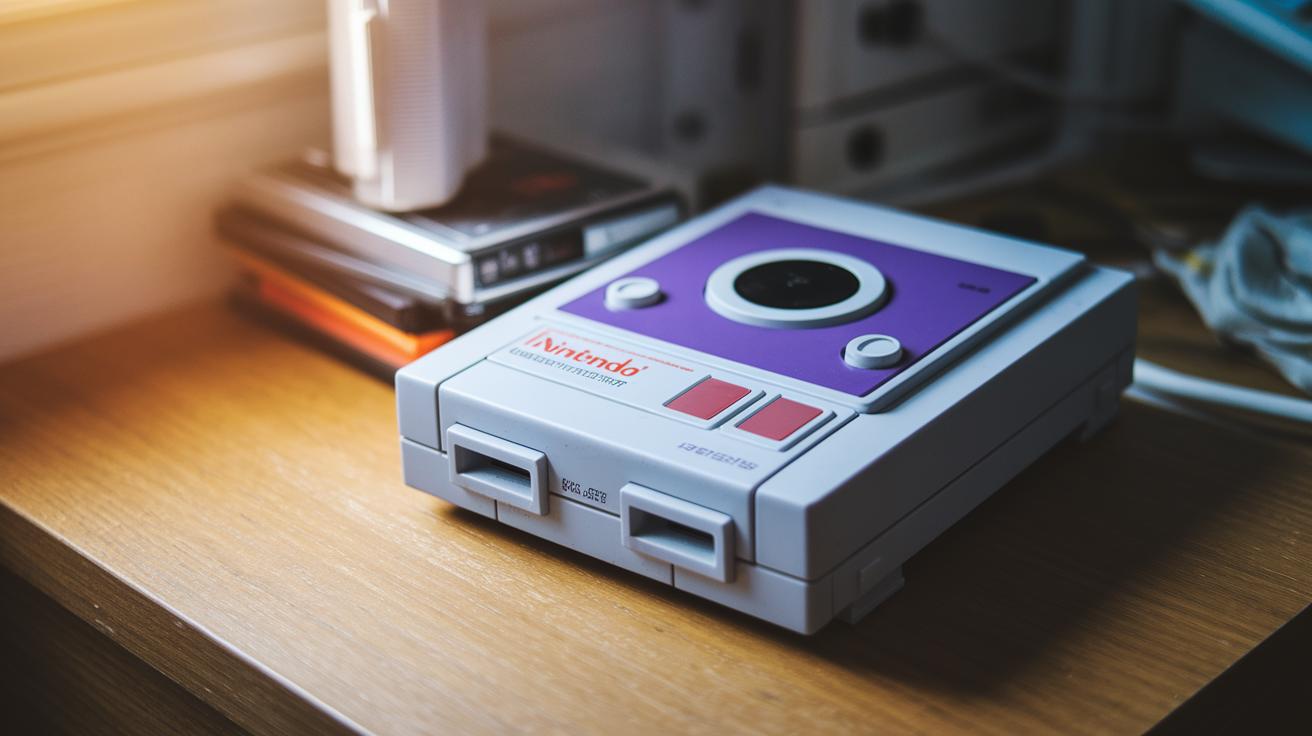
Ever wonder how an old gaming device can still blow your mind today? The SNES brought a bold look and unforgettable play into living rooms all over the world. It wasn’t just about cool design and awesome games, it changed the entire playing field and set up a path for the consoles we love now.
Even years later, the SNES continues to spark excitement and influence how we game. It’s like a secret sauce that keeps retro vibes alive, reminding us that even the past can pack a serious punch.
Comprehensive Legacy of the Super Nintendo Console
The Super Nintendo Console first dropped in Japan on November 21, 1990 and later hit North America on August 23, 1991. It rocked the gaming world by mixing killer style with solid performance, quickly selling 49.1 million units worldwide. A fun fact to chew on: before it became the icon we know today, the SNES pushed the envelope on what home gaming could look like.
This console opened the door to epic stories and gameplay that really pulled you in. It packed a library filled with everything from classic platformers to deep role-playing adventures, ensuring every gamer found their perfect match. Its cool design, the unique controller with shoulder buttons and snazzy 16-bit graphics, delivered an experience that felt personal and immersive.
Even now, the SNES still holds a special spot in gaming culture. Its legacy sparks remasters, indie projects, and even modern remakes that tip their hat to its groundbreaking impact. It not only set the stage for future consoles but remains a beloved relic among retro fans, thanks to its mix of nostalgia, smart design, and lasting charm.
SNES Gaming History Timeline for the Super Nintendo Console

The SNES timeline captures awesome moments that changed gaming forever. It all began in Japan when the console first hit the market, setting off a revolution that soon reached gamers everywhere. When it launched in North America, players got Super Mario World right out of the box, and that sparked a ton of excitement. Soon after, epic games like Zelda: A Link to the Past brought fresh twists and bold ideas to the scene. Even fun add-ons like the Super Scope upped the game, giving both casual fans and hardcore players new ways to have a blast.
| Date | Region | Event |
|---|---|---|
| November 21, 1990 | Japan | SNES Launch |
| August 23, 1991 | North America | North American Debut with Super Mario World |
| November 1991 | North America | Debut of Zelda: A Link to the Past |
| 1992 | Global | Introduction of the Super Scope Peripheral |
| 2003 | Japan | Production Ends |
Each key moment shows just how powerful the era of 16-bit gaming was. It’s a reminder of how the SNES reshaped the way we play and set trends that still hit home with retro fans today.
Technical Specifications of the Super Nintendo Console
The Super Nintendo Console came packed with smart hardware that really made it stand out in its day. Inside, it had a tough microprocessor and a sound chip that brought in clear, crisp game audio, almost like you were at a live show. The console’s design made it possible to enjoy lively graphics in different resolutions, so every game burst with detail and color. The controller wasn’t left behind either, with extra buttons that gave gamers more ways to play during those nail-biting matches. And thanks to its Multitap feature, more friends could easily join the fun without any fuss.
Here are the seven top specs that made the SNES a legendary classic:
- CPU: Ricoh 5A22 running at 3.58 MHz, which kept the gameplay smooth.
- PPU: Supported resolutions from 256×224 up to 512×448, giving players sharp and flexible visuals.
- Sound Chip: Sony SPC700, well-known for producing rich, layered audio effects.
- Memory: Combined 128 KB of CPU RAM with 64 KB of VRAM to handle game data efficiently.
- Controller Innovations: Brought in shoulder buttons for better control during intense gameplay.
- Multitap Compatibility: Allowed extra controllers to connect easily for multiplayer excitement.
- System Design: Built with a layout that helped spread out heat and maintain reliable performance.
Essential SNES Games and Franchises on the Super Nintendo Console

-
Super Mario World remains a timeless hit among platformers on the SNES. Its smooth gameplay and bright, lively levels still bring a smile to your face. The game set a high bar with clever power-ups and creative stage designs that feel fun even today.
-
The Legend of Zelda: A Link to the Past mixed action with puzzles in a huge, open world. Its memorable storyline and cool dual-world mechanic show us what epic fantasy gaming is all about.
-
Donkey Kong Country amazed gamers with eye-catching graphics and exciting gameplay. The dynamic platforming and animal-packed adventures broke new ground and still feel fresh when you play.
-
Super Metroid brought a darker, more mysterious vibe to exploration and action. With tight controls and an atmospheric world, it set new standards and paved the way for future adventure titles.
-
Chrono Trigger combined time-travel fun with deep role-playing elements that let you shape its complex story. The innovative combat system and unforgettable characters continue to inspire RPG fans.
-
Final Fantasy VI impressed players with a deep, emotional narrative and a strong cast of characters. Its smart battle system and rich plot helped redefine the role-playing genre.
-
Mega Man X pushed action to new heights with speedy gameplay and challenging levels. Its precise platforming and bold design influenced a whole generation of fast-paced games.
-
EarthBound charmed fans with its quirky humor and unique modern setting. The game’s unconventional storytelling and heartfelt characters have earned it a special place in retro gaming history.
Super Nintendo Console: Iconic Retro Magic
The SNES truly stood out from older systems like the NES and the Sega Genesis with some game-changing upgrades. Gamers back in the day loved how its better CPU made play smoother and more thrilling. The SNES ran at 3.58 MHz, a clear boost compared to the NES, while the Genesis even pushed a bit harder. When it came to graphics, the SNES delivered richer visuals with flexible resolutions that made images look sharper. Plus, its sound channels layered tunes that felt almost like a live band compared to the simpler sounds of systems before it.
The controller got a solid upgrade too. The NES only had a basic directional pad and two buttons, but the SNES introduced shoulder buttons that really helped during multiplayer brawls. The Genesis opted for a three-button design, which later evolved into a six-button setup. And then came the game libraries, packed with creative titles and a variety of genres that hooked both retro fans and new players.
| Feature | NES | SNES | Genesis |
|---|---|---|---|
| CPU Speed | 1.79 MHz | 3.58 MHz | 7.67 MHz |
| Resolution | 256×240 | 256×224 to 512×448 | 320×240 |
| Sound Channels | 5 channels | 8 channels | 6 channels |
| Controller Inputs | D-pad + 2 buttons | D-pad, 4 buttons, shoulder buttons | 3-button (later 6-button) |
Looking back, it’s clear that the SNES reshaped gaming. It effortlessly blended classic mechanics with fresh twists that continue to inspire gamers today. Ever felt that rush after pulling off a perfect move? That’s the kind of magic the SNES brought to every match.
Vintage Console Buying Guide for the Super Nintendo Console

Looking for a SNES can be like gearing up for a big match. First, decide whether you want an original or a refurbished model. Refurbished consoles from a trusted seller are often cleaned, tested, and work on any TV, even the slick newer HDTVs. Many sellers throw in perks like free shipping for orders over $20 and a one-year return policy for extra peace of mind. Prices usually fall between $50 and $150, so it’s smart to shop around and compare the console’s condition and warranty.
When you check out a SNES unit, take a close look at the details. Check the case to make sure it isn’t cracked or missing pieces. The cartridge slot should be spot on; even a slight misalignment might mess up reading your games. Also, verify the AV connectors look secure and aren’t worn out, helping to ensure clear sound and picture. A good tip? Ask the seller if the console has had any repairs or replacements, it might give you a clue about its history.
Here are some smart tips to help you score a great deal:
- Look for online auctions to snag a bargain by bidding wisely.
- Check local classifieds and retro gaming communities where fellow players often sell trusted units.
- Visit retro shops that specialize in these consoles; they usually offer testing and warranty support.
Taking these steps will help you pick up a SNES that not only brings back nostalgic magic but also holds up as a solid part of your gaming collection. Enjoy the hunt and happy gaming!
Maintenance and Restoration Tips for Super Nintendo Consoles
Keep your SNES running smooth with these easy restoration tips. They fight off common age issues and get you back into your favorite games quickly. Think of them as simple upgrades that extend your console's life, kind of like giving your cherished gaming rig a fresh set of power-ups.
-
Clean your cartridge contacts with isopropyl alcohol. Try dipping a soft cloth in some alcohol and gently wiping away the dirt and grime so your game cartridges make a solid connection.
-
Swap out the capacitors on the power board if you notice any power flickers or if your system feels a bit too warm. Replacing those old parts can help your console perform steadily.
-
Fix any loose connections on the AV jack by soldering them back in place. This brings back crisp audio and video. A simple repair video can guide you through the soldering if you're new to it.
-
Realign the slot pins if you encounter games that sometimes don't load properly. A careful adjustment can set everything in line without needing high-tech tools.
-
Keep mold and corrosion at bay by storing your SNES in a dry place. Every now and then, wipe down the vents and surfaces with a microfiber cloth to keep it clean.
These clear, step-by-step tips offer a practical way to revive your retro SNES. A little extra care now can keep those nostalgic gaming sessions rolling game after game.
Collectible Value and Market Trends for the Super Nintendo Console

Over the years, the Super Nintendo has turned into a collector’s dream. Prices have been slowly climbing, usually by about 5 to 10 percent each year. Special editions and rare cartridges are now worth a lot more, proving that this console still holds a special place in the hearts of retro gaming fans and collectors alike.
Both serious collectors and casual fans keep a close watch on standout models. Limited run versions like the Super Famicom Jr. and the 45th Anniversary editions are especially popular because of their cool designs and the history they carry. Plus, rare game cartridges such as Chrono Trigger and EarthBound grab higher prices due to their limited supply and cult status.
| Product | Recent Sale Price | Recommended Tracking Platform |
|---|---|---|
| Super Famicom Jr. Limited Edition | ~$300 | Online auction sites |
| 45th Anniversary SNES Edition | ~$500 | Collector forums |
| Chrono Trigger Rare Cartridge | ~$220 | Retro gaming marketplaces |
| EarthBound Limited Cartridge Edition | ~$275 | Specialty collector groups |
Final Words
in the action, our guide showcased the timeless appeal of the super nintendo console. We covered its history, technical details, standout games, and how it stacks up against other retro systems. The buying guide offers smart tips on spotting solid units, while maintenance advice keeps your console running smooth. The collectible market trends add that extra edge for fans who appreciate classic gaming. Step into your next gaming session with fresh insights and renewed excitement for retro play.