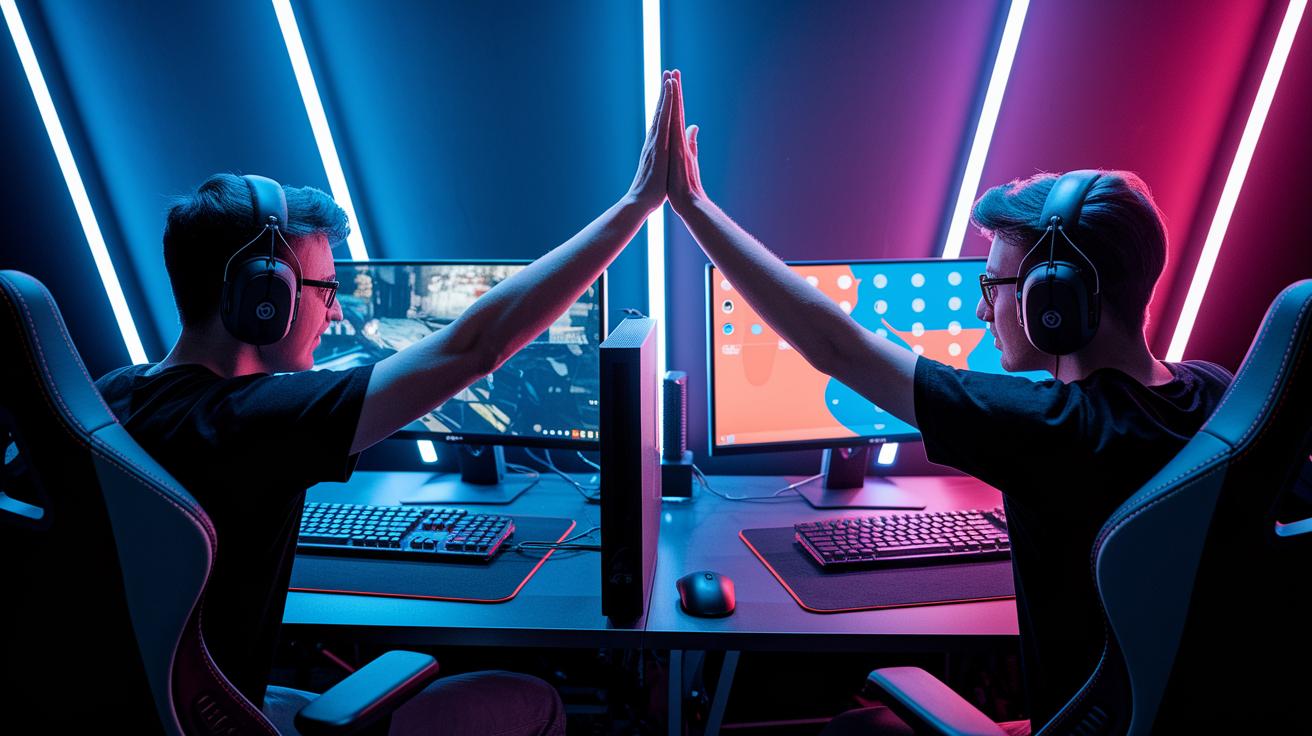
Ever wonder why some teams seem unbeatable? When everyone trusts each other and knows their role, the team isn’t just a bunch of players, it becomes a tight unit.
Picture a squad moving like clockwork, where every play matters and simple, clear callouts keep everyone on the same page.
In this post, we’ll show you how strong bonds and clear chat can turn individual skills into one unstoppable force.
team synergy in competitive gaming: United Force
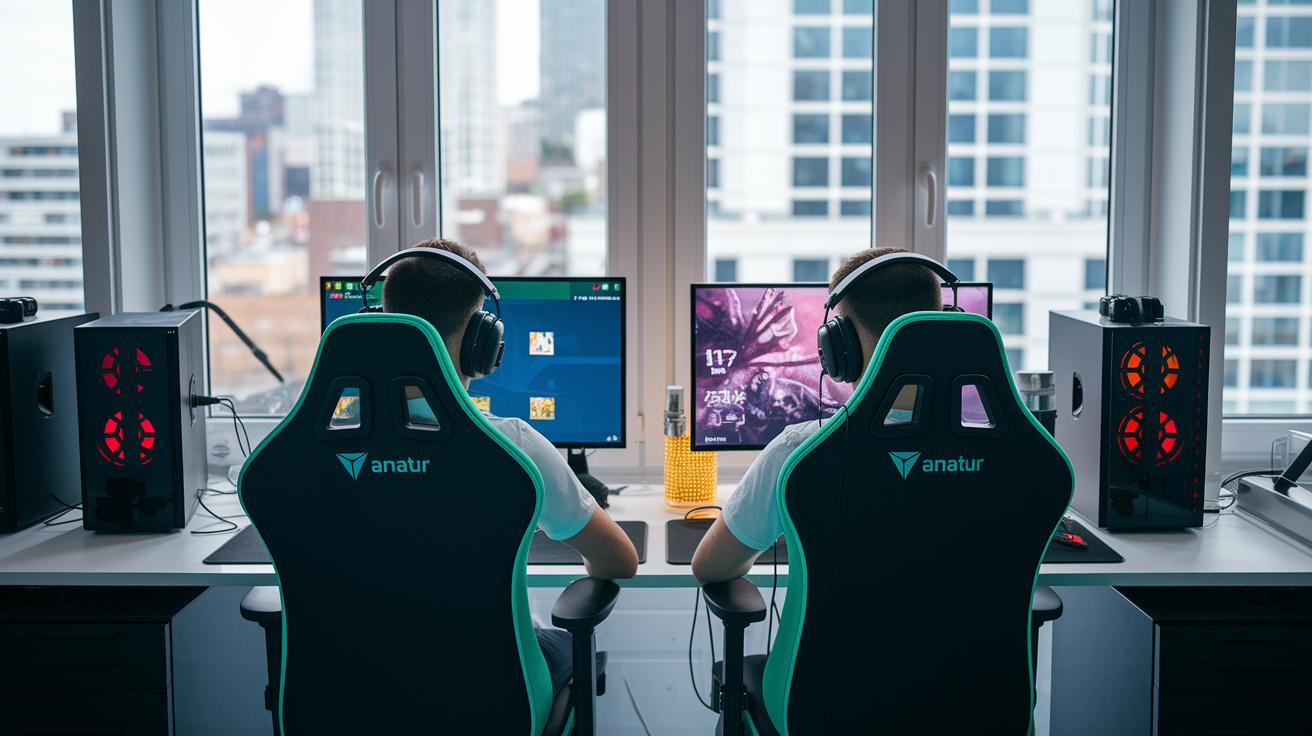
Team synergy in competitive gaming is all about players coming together as one solid unit. When everyone knows their role and trusts each other completely, it feels like you're all moving to the same beat. Imagine a squad pulling off a perfectly timed push with crystal-clear callouts and quick, smart moves that leave opponents scrambling.
In esports, teamwork is more than just quick reflexes. It means each member adopts a clear role – whether that's support, tank, or damage dealer – and plays to their strengths while helping out where the team might be a bit weak. When every player is dialed in on their part, the team can handle unexpected enemy tactics with a smooth mix of offense and defense.
Building that tight-knit connection takes real commitment. Regular practice sessions, scrimmages, and weekend tournaments help refine your team’s flow, turning raw talent into a seamless, unstoppable force. Over time, all that hard work really pays off, and you end up with a crew that's ready for any high-pressure moment.
Optimizing Communication Protocols for Squad Coordination
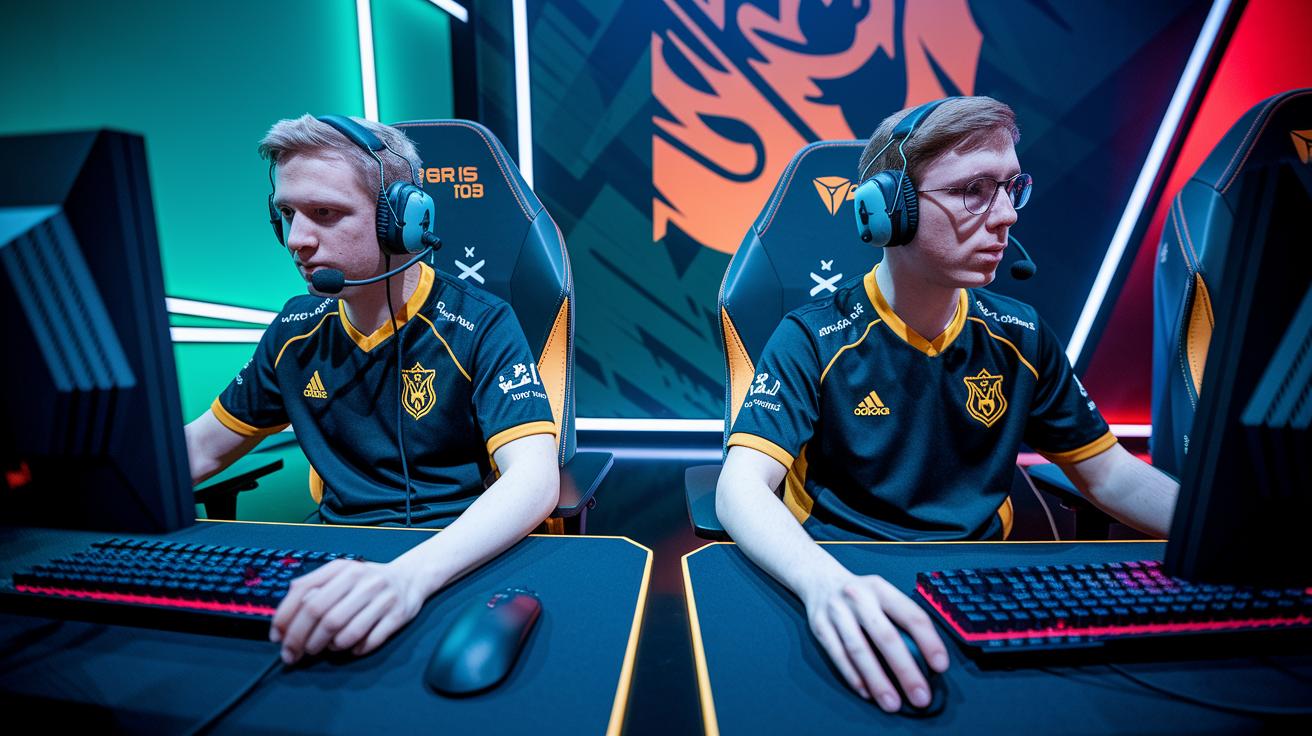
In esports battles, every second really counts. Teams need to talk fast and clear to nail their strategies, call out enemy moves, and execute well-timed plays. Coaches run voice drills that cut out background noise so everyone hears what's important. This way, the squad can switch tactics on the fly when the game changes.
- Mic checks: Make sure your mic is working before you jump into the match.
- Standard callouts: Stick to clear and agreed-upon words for key spots and events.
- Noise filters: Block out unwanted background sounds.
- Push-to-talk rules: Time your messages so they don’t overlap.
- Debrief routines: Chat briefly after plays to fine-tune your strategy.
- Status updates: Let everyone know your current condition and position in real time.
After the match, the team gets together to review what happened. These debriefs help spot any gaps in communication and sharpen up how everyone interacts next time. By tweaking voice rules and callouts, the team keeps a smooth flow during the game. Using these simple but effective drills, squads stay focused and adapt quickly to any twist or turn. Every voice matters, right now.
Strategic Role Distribution and Character Specialization
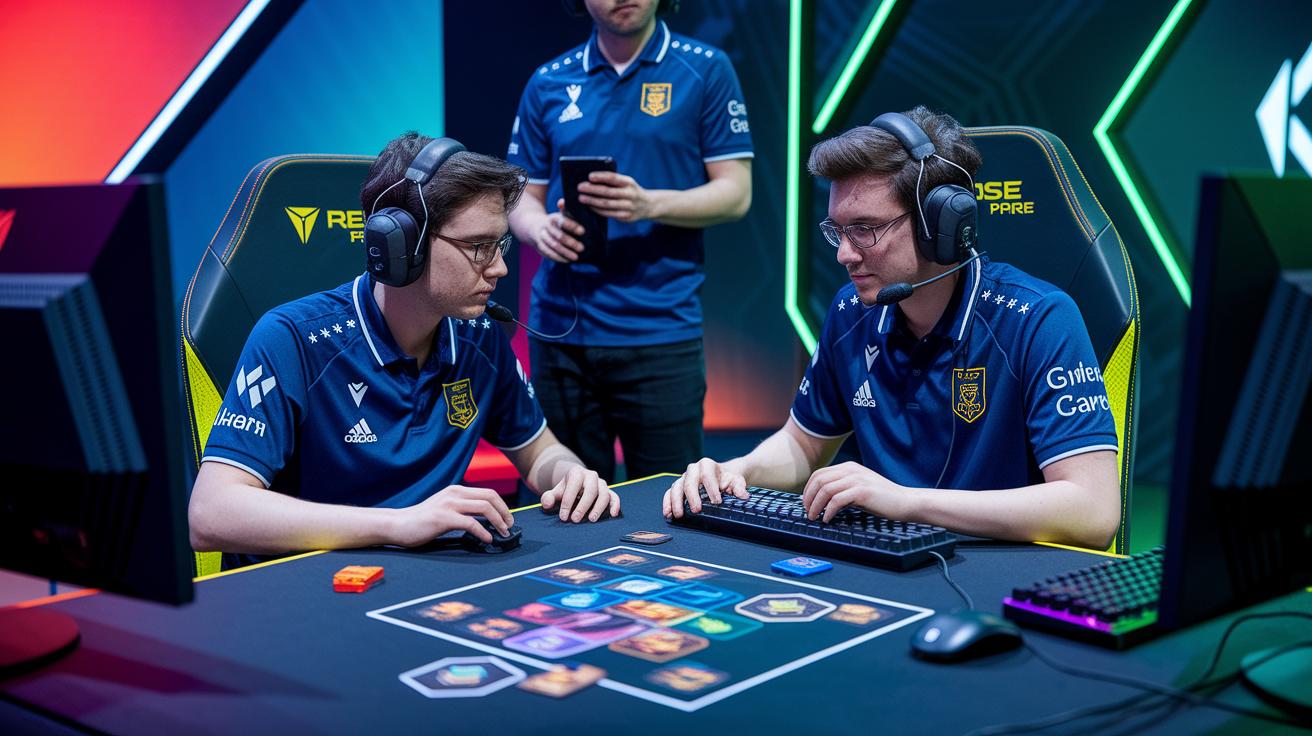
In competitive gaming, knowing who fills which role can really change the game. Picture a scenario where one player remains cool while another calls out the plays. When everyone understands their part, there's less mix-up and more focus during tense moments.
Matching players to the right role means knowing what each one does best. Coaches and team captains look at how players perform, choosing whether someone works best as a tank, damage dealer, or support. One gamer might be quick on the draw for leadership, while another might be extra aware and fit perfectly in support.
As the game changes, roles might need an upgrade too. Teams could mix things up by adjusting roles or switching strategies in the middle of a match. With regular practice and clear callouts, players can quickly change tactics, like shifting from an aggressive style to a more defensive stance when needed.
In-Game Tactical Alignment and Real-Time Adaptation
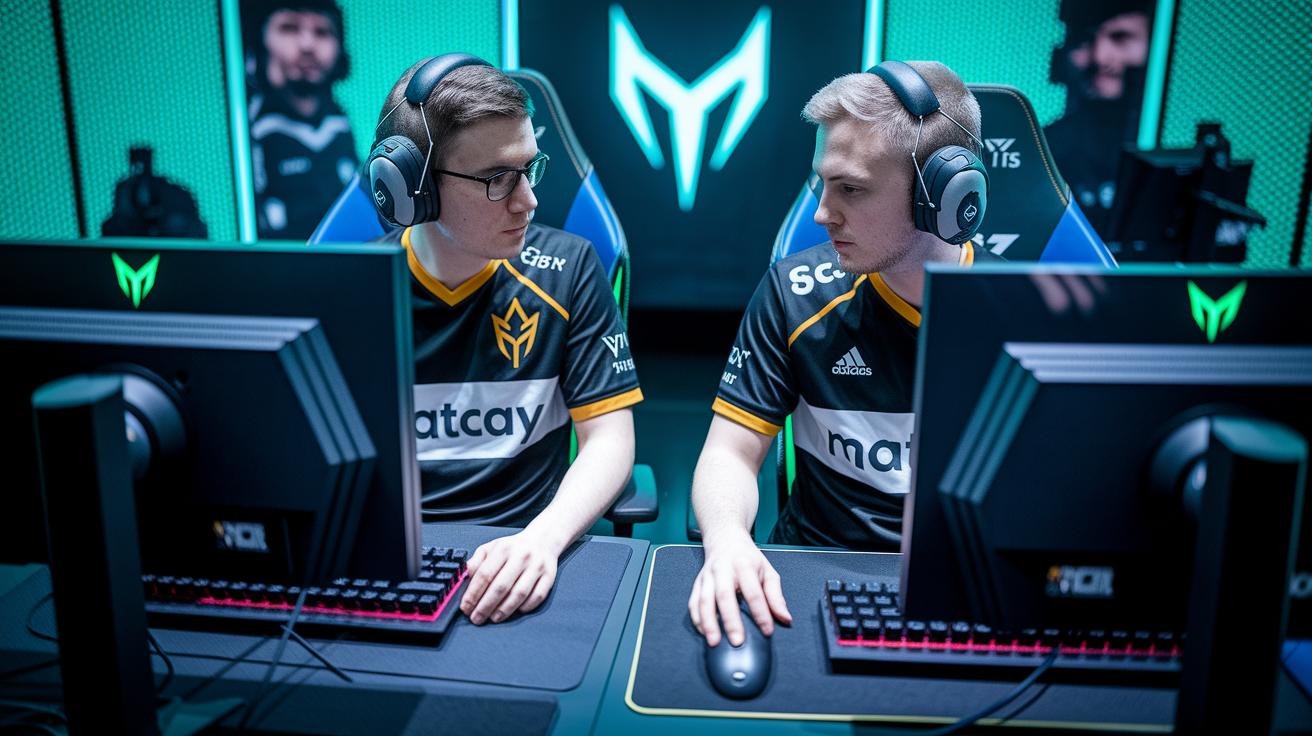
Teams rally around clear goals like controlling key map areas, capturing important spots, and managing resources. Every player knows what to do, and together they fit their roles like pieces in a puzzle. This shared focus keeps everyone on track even when enemies try to throw things off.
When rivals disrupt the plan, players switch gears without missing a beat. They might take a different attack route or form a solid defense to handle surprise moves. This fast adjustment means the team can stick to their overall strategy while still adapting to changes.
In the heat of the moment, quick signals help players change tactics on the fly. Simple callouts keep everyone in the loop and working together.
Trust in the shot-caller is crucial. With clear, practiced instructions, every member knows what's happening, making fast decisions feel natural.
Training and Practice Regimens to Enhance Collaborative Performance
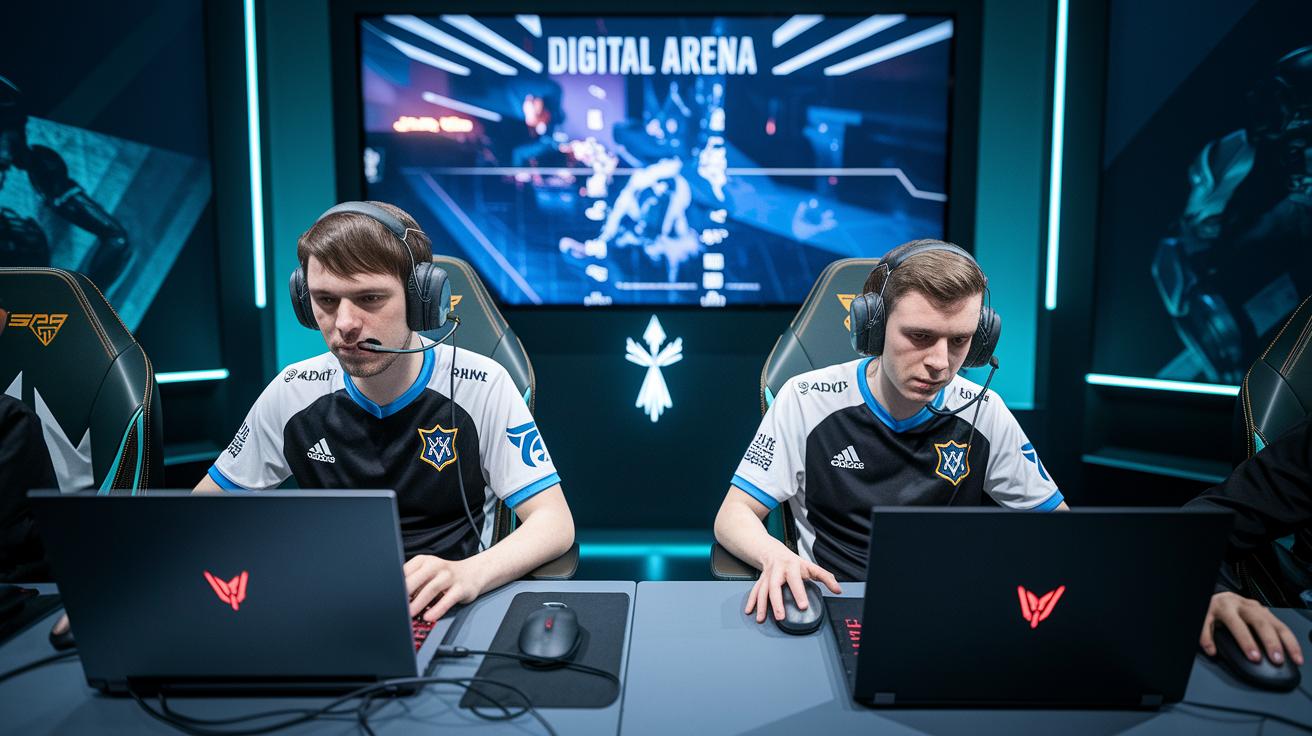
Every strong team knows that regular practice is key. It not only sharpens each player's skills but also forges a tight bond among teammates. A great training plan sets up clear daily, weekly, and monthly goals covering everything from basic moves to clever game plans.
Teams usually break their practice into different periods. Some sessions focus on mechanical drills where you work on your aim, timing, and smooth movements. It’s a bit like practicing your shots in a target routine. And yeah, building muscle memory is vital before stepping into a big match. Other sessions are all about talking it out, quick callouts and tactical shifts that mimic the fast pace of real games.
Then there’s the review time. Players gather together to watch game recordings, spot little mistakes, and tweak strategies. Even a short chat after a heated round can uncover timing slips or mix-ups in communication.
Coaches really boost the mix by offering friendly, clear feedback, helping settle any disputes, and setting out smart team goals. In truth, a steady routine of focused training turns a group of players into a well-oiled team ready for any challenge.
Sustaining Team Synergy Through Tournaments and Sponsorship
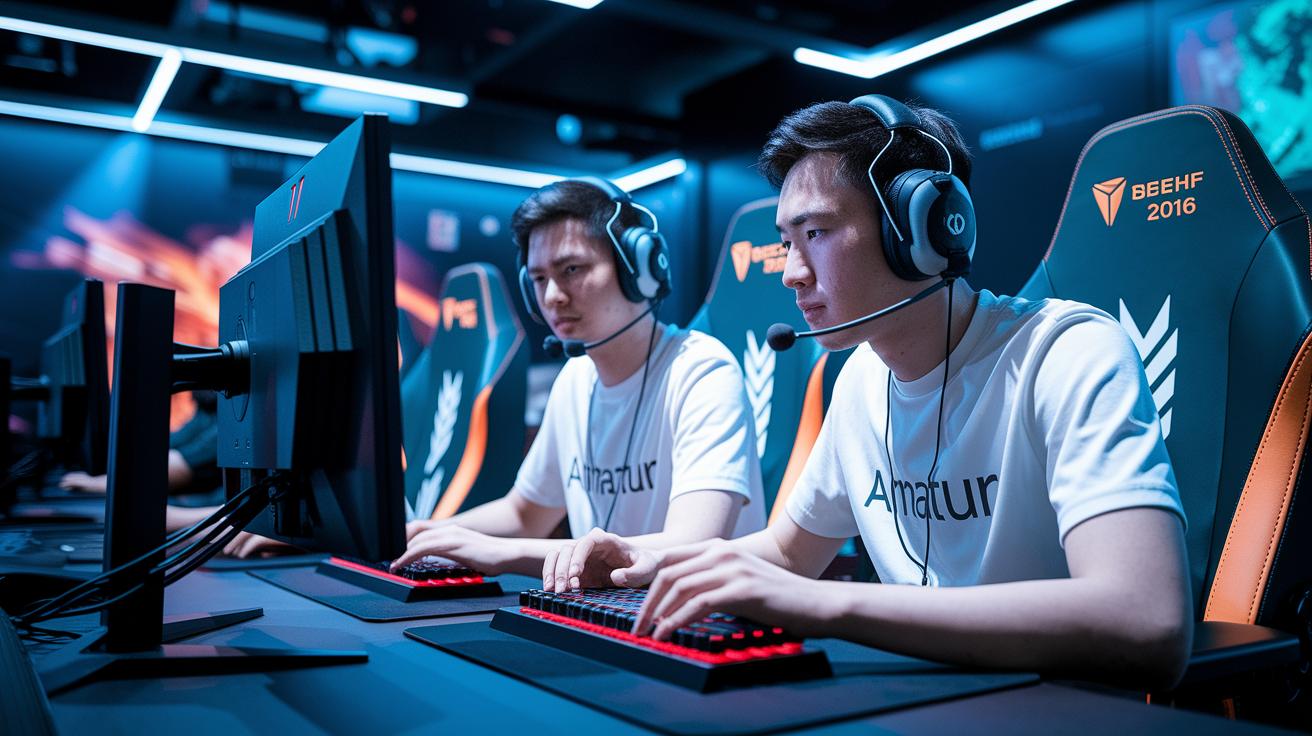
Tournaments are like the ultimate testing ground for a team’s chemistry. When a team jumps into local or online contests, every match makes them feel the heat and pushes each player to bring their A-game. It’s all about working together, switching up strategies on the fly, and keeping in sync during the game. Every round is a chance to tweak the plan and fix any weak spots, kind of like a crew huddling up to improve after a tough scrimmage.
Playing tournaments regularly gives teams that extra competitive spark. They learn to design game plans that play to their strengths and get better at making quick decisions. As teams climb the ranks, their gameplay gets tighter. It’s like building discipline each time they compete, step by step, which only brings the players closer together.
Even small moves toward getting sponsor support make a big difference. By putting together sponsor-ready media kits and keeping an eye on expenses, teams can secure funding to cover everything, from basic setups to high-quality gear.
Case Studies: Exemplary Team Synergy in Competitive Gaming
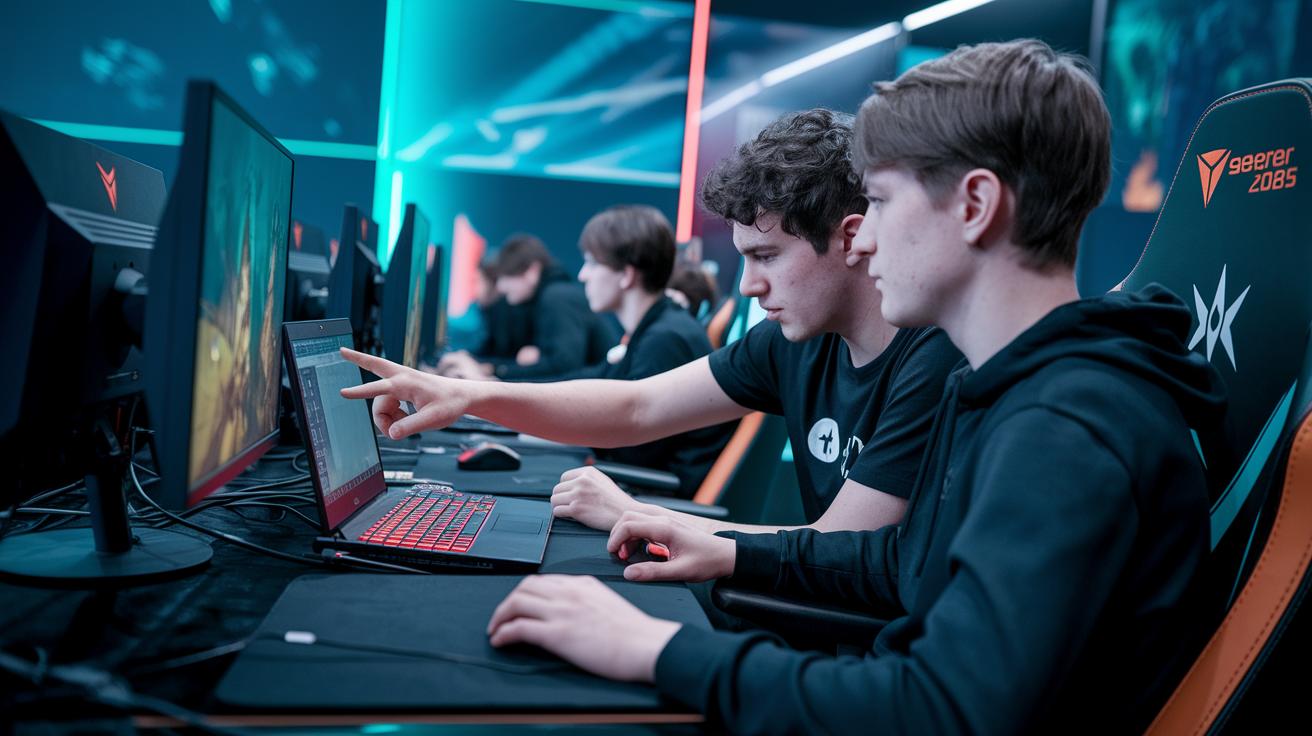
Team Liquid's 2019 NA LCS journey is a perfect example of how clear callouts and solid practice sessions can elevate a team. They relied on well-practiced commands and fast, in-game chatter to shift tactics whenever their opponents switched up the meta. Their coaches set up regular, intense training sessions that sharpened not just their skills but also their ability to talk things out during high-pressure moments. This constant fine-tuning in tough situations helped them stay in the top four season after season. One quick shout like "Rotate!" could spark an instant move, rallying everyone to change focus together.
When it comes to school competitions, teams learn leadership on a whole new level. Groups like FTC Team 24384 and FLL Team 67818 build real-world skills through clear roles and supportive mentoring. Experienced guides help the players dive into game scenarios where quick thinking and trust in teammates make all the difference. These moments on the field mirror the challenges in professional esports, turning young players into leaders ready for high-pressure battles later on.
Final Words
In the action, we explored how clear roles, real-time callouts, and adaptive tactics power up your gameplay. The guide walked you through effective communication drills, balanced role assignments, and rigorous practice sessions that keep teams sharp.
Every step, from setting up voice protocols to honing strategic plays, boosts team synergy in competitive gaming. Practice smart, talk it out, and trust your teammates, each move takes you closer to the win.
FAQ
How is team synergy discussed on competitive gaming Reddit?
Team synergy on gaming Reddit focuses on clear communication, defined roles, and mutual trust. These elements help teams coordinate strategies, adapt quickly, and thrive during tough matches.
How do examples of team synergy in competitive gaming demonstrate a competitive edge?
Examples show that when players communicate effectively, stick to their roles, and trust each other, they can rapidly adjust tactics and overcome opponents to secure pivotal wins.
How do team dynamics in esports affect performance?
Team dynamics shape how well players connect and work together. Strong dynamics lead to smoother coordination, sharp strategic decisions, and better overall performance during intense matches.
Why is communication essential during practice and play for an esports team?
Communication is vital as it keeps every player informed and in sync. It speeds up decision-making, minimizes errors, and promotes smooth teamwork against unexpected challenges.
What is the average salary of a professional esports player?
Professional esports players earn varying salaries based on game and region. Many players make between $50,000 and $150,000 annually, while top performers can earn substantially more.
What is involved in the esports team structure?
Esports teams typically include players with clear roles like in-game leader, support, and specialist positions. They also often have coaches, analysts, and managers to boost overall team performance.
What do esports studies focus on in competitive gaming?
Esports studies look at aspects like training methods, strategy development, and player psychology. They also examine team dynamics and how solid teamwork can boost overall performance.
What is synergy in video games?
Synergy in video games means that team members work together so well that their combined actions lead to better outcomes than individual efforts, resulting in smoother, more strategic play.
What are team synergies in competitive gaming?
Team synergies arise when players align their actions, share clear communication, and stick to defined roles. This unity allows the team to perform better collectively than separately.
Why is teamwork important in esports?
Teamwork is crucial in esports because it ensures coordinated moves, fast information sharing, and mutual support. This collective effort helps players manage in-game challenges and secure victories.
What are three signs of a synergistic esports team?
Three signs include clear, ongoing communication; designated roles for each player; and the ability to quickly adjust strategies when circumstances change during a match.
How does collaboration within an esports team give a competitive edge during a match?
Collaboration allows team members to share timely information, adjust positions, and support each other in real time. This united approach helps the team outsmart opponents and secure decisive wins.