
Guild Esports made an impressive debut with its initial public offering (IPO), supported by high-profile backing, including endorsements from celebrity investor David Beckham. The company successfully raised £20 million, promising strong potential in the esports landscape. Yet, despite this capital influx, Guild Esports quickly encountered significant financial hurdles. The company reported a staggering loss of £8.8 million in the year ending September 2021. This article examines the financial trajectory of Guild Esports, exploring how its initial momentum, fueled by celebrity endorsements and substantial funding, faltered under the weight of financial challenges. It delves into the implications of relying heavily on sponsorships and advertising revenue without a diversified income strategy, shedding light on Guild Esports' journey and providing insight into its financial struggles.
Guild Esports' Initial Success and Subsequent Financial Struggles
Guild Esports embarked on its journey with a high-profile initial public offering (IPO) that garnered significant attention. The company successfully raised £20 million during its IPO, bolstered by the backing of celebrities such as David Beckham. This influx of capital was intended to lay a strong foundation for Guild Esports, allowing it to expand its operations and establish a competitive presence in the esports industry. The initial success was marked by an optimistic outlook as the organization aimed to capitalize on its high-profile endorsements and strategic positioning in the market.
Despite the promising start, financial reports soon revealed substantial challenges. Guild Esports reported losses amounting to £8.8 million in the year ending September 2021. The financial difficulties stemmed from several factors, including high operational costs associated with maintaining competitive teams and infrastructure. The organization struggled to generate consistent revenue streams, which were further exacerbated by the volatile nature of the esports market. This disparity between anticipated and actual revenues highlighted the underlying issues in the company's financial strategy and operational execution.
- High operational costs
- Inadequate revenue streams
- Volatile market conditions
- Ineffective monetization strategies
- Overreliance on celebrity endorsements
The impact of celebrity endorsements initially provided a substantial boost in visibility and credibility for Guild Esports. The presence of high-profile figures like David Beckham attracted media attention and increased brand recognition. However, these endorsements did not translate into sustained financial success. The reliance on celebrity backing proved insufficient in addressing the core financial challenges faced by the organization. While the endorsements helped establish a brand identity, they were not enough to overcome the operational and strategic hurdles that contributed to the financial struggles of Guild Esports.
Impact of High-Profile Backing on Guild Esports
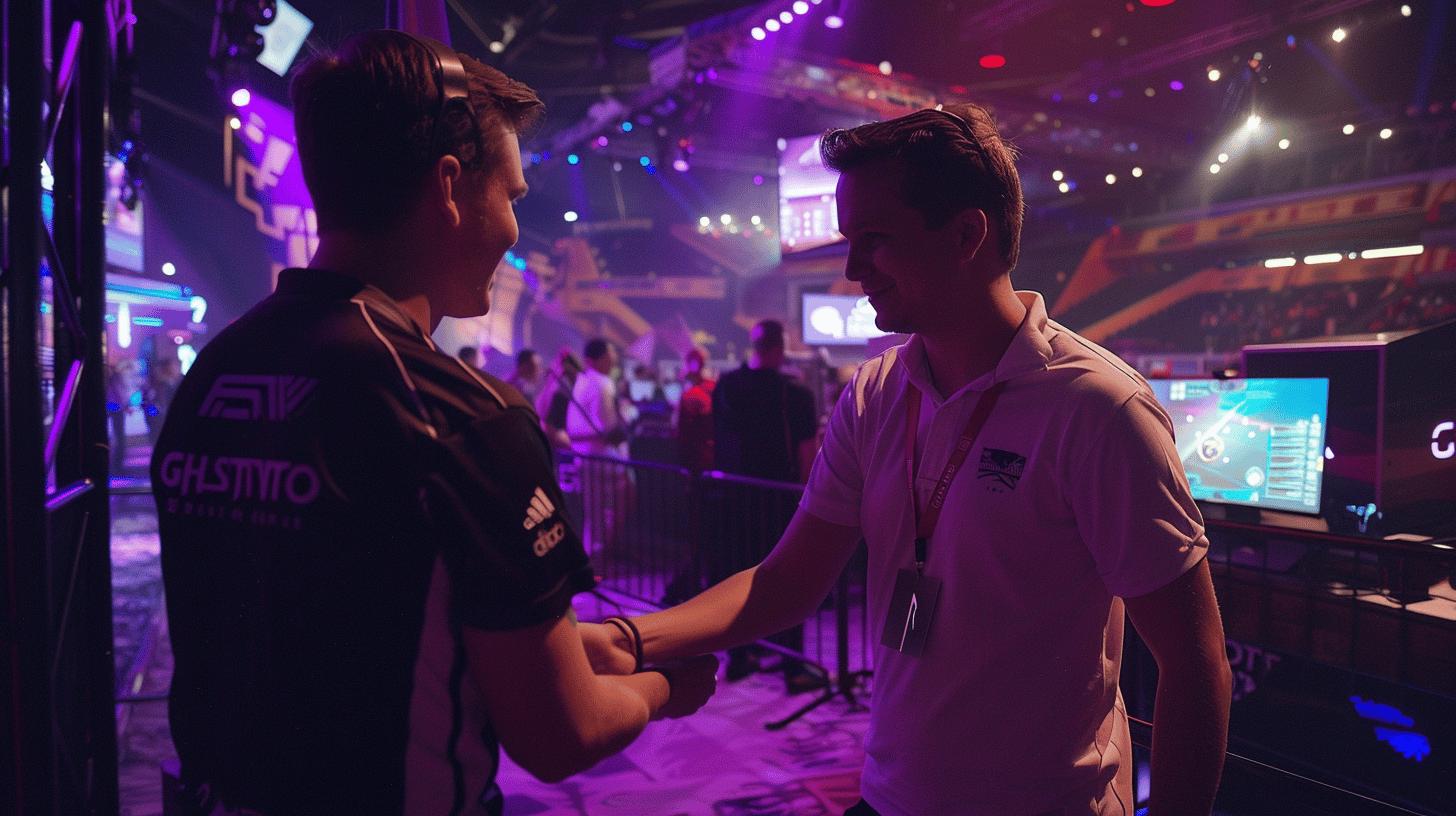
Celebrity endorsements initially provided Guild Esports with a notable boost in visibility and credibility. These high-profile backings, including support from figures like David Beckham, generated significant media attention and increased brand recognition within the esports community. The strategic use of celebrity influence was aimed at enhancing the organization's market presence and attracting a broader audience. This approach was successful in elevating Guild Esports' profile, positioning it as a prominent player in the competitive esports landscape. The initial endorsement-driven visibility offered a substantial platform for Guild Esports to leverage further sponsorship deals and brand partnerships.
Despite the increased visibility, Guild Esports faced significant financial challenges, partly due to an overreliance on sponsorship deals and advertising revenue. This reliance on a narrow revenue model proved to be a critical vulnerability. Without diversified income sources, the financial structure of the organization was unstable and unable to sustain prolonged financial health. The esports market's volatile nature, coupled with high operational costs, further exacerbated these challenges. Sponsorship agreements, while initially lucrative, failed to provide a consistent and reliable financial foundation for Guild Esports, highlighting the limitations of depending heavily on such revenue streams for long-term viability.
| Celebrity/Partner | Initial Impact | Long-term Financial Outcome |
|——————-|———————-|——————————|
| David Beckham | Increased visibility | Insufficient financial gain |
| Red Bull | Brand recognition | Limited revenue consistency |
| Subway | Enhanced credibility | Short-lived financial support|
Financial Reporting and Strain in Guild Esports
Guild Esports has been in the spotlight due to its recent financial reports, which underscore a challenging financial situation. Since its listing on the London Stock Exchange, the company has expended approximately £26.6 million, but alarmingly, only £25,000 remains in its accounts. This dramatic depletion of funds reflects a broader issue of financial mismanagement and unsustainable spending. The reports reveal substantial losses that question the financial strategies employed by the organization, highlighting the need for urgent intervention to rectify the fiscal trajectory.
Why did Guild Esports not meet its revenue projections? The primary reason is a significant disparity between expected and actual revenues. While the company anticipated robust income streams from sponsorships and advertising, the reality was starkly different. The volatility of the esports market and the intense competition for sponsorship deals meant that Guild Esports couldn't secure the projected income. This shortfall was exacerbated by an overestimation of revenue potential, leading to a gap that placed additional strain on the company's financial health.
High operational costs have played a critical role in Guild Esports' financial difficulties. Maintaining competitive esports teams requires substantial investment in infrastructure, player salaries, and support staff. These expenses quickly accumulate, and without a proportional increase in revenue, they become unsustainable. The financial burden of such high operational costs has further eroded the company's cash reserves, leaving little room for maneuvering or investment in growth opportunities. This has created a vicious cycle of expenditure without the necessary financial backing to sustain it.
Effective financial reporting is crucial in identifying and addressing the financial challenges faced by Guild Esports. Detailed and transparent financial reports can illuminate areas of concern, such as overspending or revenue shortfalls, allowing for timely corrective measures. Additionally, they provide stakeholders with a clear picture of the company's financial health, enhancing decision-making processes. By prioritizing accurate and comprehensive financial reporting, Guild Esports can better navigate its current financial struggles and plan strategically for future sustainability.
Comparison with Industry Standards and Challenges

Guild Esports' financial struggles are evident when compared to industry leaders in the esports sector. While top-tier organizations have managed to maintain a stable financial trajectory through diversified revenue streams, Guild Esports lags behind. The company's financial metrics reveal a stark contrast, with substantial losses and depleted cash reserves underscoring its precarious position. Industry leaders typically leverage a mix of sponsorships, merchandise sales, media rights, and tournament winnings to create a balanced income portfolio. In contrast, Guild Esports primarily relied on sponsorships and celebrity endorsements, which proved insufficient for sustaining long-term financial health.
Potential causes for Guild Esports' lagging performance can be traced to several factors, including mismanagement and overly ambitious expansion plans. The attempts to rapidly scale operations without a solid financial foundation led to increased operational costs that outpaced revenue growth. Mismanagement of resources and a lack of strategic financial planning further exacerbated the situation, leaving the company vulnerable to market fluctuations and competitive pressures. These issues highlight the importance of prudent financial management and strategic planning in maintaining a sustainable business model within the competitive esports industry.
- Market volatility
- High operational costs
- Lack of diversified revenue streams
- Intense market competition
Strategies for Financial Recovery and Sustainability
Guild Esports must prioritize restructuring operations and implementing cost-cutting measures to overcome its financial challenges. A critical step is to streamline processes, ensuring that resources are allocated efficiently to maximize output while minimizing unnecessary expenditures. By closely examining all operational aspects, Guild Esports can identify areas where costs can be reduced without compromising the quality of its competitive teams and infrastructure. Cost-effective strategies, such as renegotiating vendor contracts and optimizing team rosters, could significantly alleviate financial pressure, enabling the organization to stabilize its cash flow and focus on strategic growth.
Diversifying revenue streams is essential for achieving financial stability and reducing reliance on sponsorships. Guild Esports should explore alternative income sources, such as merchandise sales, digital content monetization, and media rights. By developing exclusive content for fans, the organization can engage its audience more directly, converting viewership into tangible revenue. Additionally, capitalizing on the growing popularity of esports by organizing exclusive events or tournaments could provide new revenue avenues. This diversified approach not only broadens the financial base but also mitigates risks associated with market volatility and sponsorship dependency.
- Invest in player development programs
- Strengthen scouting and recruitment efforts
- Enhance team branding and marketability
- Utilize data analytics for performance optimization
- Foster community engagement and fan loyalty
For Guild Esports to achieve long-term financial sustainability, it must adopt sustainable business practices and commit to continuous financial evaluation. Implementing robust financial management systems can help monitor cash flows, identify potential issues early, and facilitate informed decision-making. Regularly reviewing financial performance and adjusting strategies accordingly ensures that the organization remains agile and responsive to market conditions. By fostering a culture of transparency and accountability, Guild Esports can build a solid foundation for future growth while maintaining the trust and confidence of stakeholders and investors.
The financial struggles of Guild Esports serve as a stark reminder of the complexities within the esports industry. Despite high-profile backing from figures like David Beckham, the initial capital raised during their IPO could not shield the organization from substantial financial challenges. Guild Esports exemplifies the pitfalls of relying heavily on celebrity endorsements and sponsorships without developing diversified income streams. Addressing these issues requires strategic restructuring, diligent financial management, and the pursuit of sustainable business practices. Viewing Guild Esports' trajectory provides valuable lessons in achieving financial resilience and underscores the importance of adaptability within the competitive landscape of esports.
FAQ
Is Guild Esports a good investment?
Investment in Guild Esports carries risks due to its financial struggles and substantial losses. Evaluating current financial reports and future recovery strategies is crucial for making an informed investment decision.
What is the history of Guild Esports?
Guild Esports gained significant attention with a successful IPO, raising £20 million. Despite celebrity endorsements, the company faced financial challenges, reporting £8.8 million in losses for the year ending September 2021.
Which esports company received a takeover offer from the investment group DCB Sports?
Merge Esports, another entity in the competitive gaming sector, has received a takeover offer from DCB Sports, showcasing interest in esports growth opportunities despite market volatility.
Who is the owner of Guild Eagles?
Guild Eagles is part of the Guild Esports organization, known for forming teams across various gaming titles. Ownership details are linked to Guild's broader corporate structure and stakeholder investment.