
Ever wonder why gaming is so much more than just playing? Gamers are a fun mix of young people from all walks of life who love a good challenge. They jump in, share epic stories, and create a buzzing community full of energy and surprises.
It’s like joining a friendly club where every member adds a unique touch. Today, we’re exploring how the way gamers dress, their daily habits, and even their favorite gadgets shape a lively crew that turns every game session into a shared adventure.
Typical Gamer Demographics and Profile Overview
If you dive into the gaming world, you'll quickly see that most players sit between 18 and 34 years old, around 70% of the action is in that age band. It’s like every session becomes a hangout where folks from all different backgrounds come together and share in the fun.
Gamers mix it up across consoles, PCs, and mobile devices. One moment you're blowing off steam in a fast shooter, and the next you're diving deep into a strategy game. It's a diverse crew, and everyone’s got their own unique style and story.
| Attribute | Description |
|---|---|
| Age Group | Mostly 18-34; about 70% of active players |
| Gender | All genders, everyone’s welcome! |
| Cultural Diversity | Gamers from many backgrounds, breaking stereotypes |
| Geographic Hotspots | Big communities in North America, Europe, and Asia |
At its core, gaming today is a vibrant mix of lively competition and friendly collaboration. Whether you're pulling off a clutch play or just chatting strategies, it’s all about the shared thrill and connection.
Typical Gamer Platforms and Equipment Choices
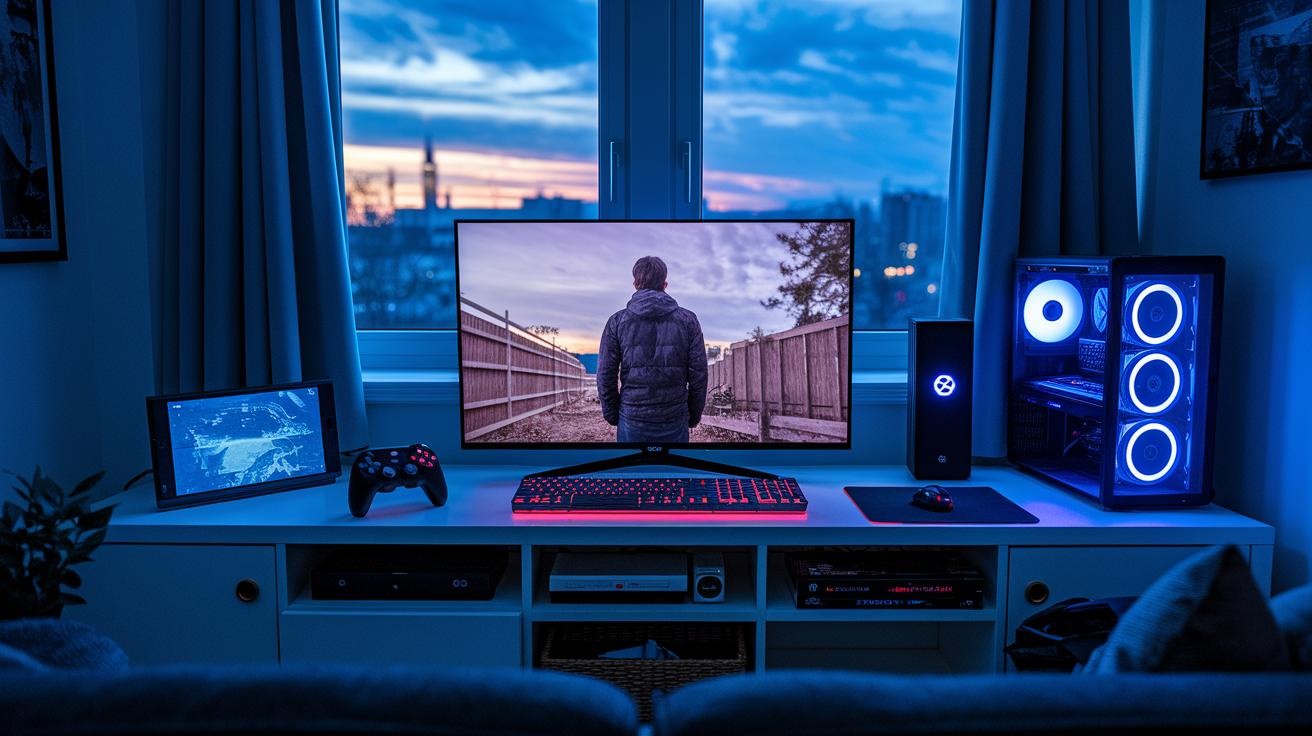
Console gaming is a favorite for many players, and it’s easy to understand why. Consoles give you a simple plug-and-play setup so you can jump right into a competitive match or get lost in a story-driven adventure. Systems like PlayStation and Xbox are built to handle fast multiplayer battles and immersive single-player quests. Spending on consoles is straightforward, a setup costs a few hundred dollars, and many players add extra controllers or upgrade their audio systems to get that extra edge in tight games. Sometimes, a fan might even buy a custom controller to help speed up their reaction time when it matters most.
PC gaming, on the other hand, is all about flexibility and precision. High-end rigs let you tweak settings to get the best performance even during the most intense games. Many gamers pour money into powerful CPUs, quality graphics cards, and accessories like mechanical keyboards, precision mice, and special controllers. This kind of setup not only amps up the visuals and sound, but it also cuts down on input lag (that tiny delay after you press a key), ensuring every split-second move is spot on. It’s clear that serious competitors are willing to spend more to keep their edge.
Mobile gaming is stepping up too, as more players look to game on the go. Nowadays, competitive mobile play comes with cool add-ons like advanced headsets, attachable controllers, and specific grips that help during fast-paced matches. This trend makes mobile devices a solid pick for both casual gaming sessions and more intense competitive play.
For more on today’s changing equipment trends, check out the latest gaming technology analysis here: https://sololadder.com?p=2428
Typical Gamer Genre Preferences and Play Styles
Gamers are all about the classic game types that have stood the test of time. Fast shooters demand quick reactions and split-second choices, while role-playing games pull you into deep stories and show your character grow. And then there are strategy games, where every session feels like putting together a tricky puzzle. Ever get that rush when you make a clever move? These genres form the core of many game libraries because they offer both heart-pounding action and smart, step-by-step challenges.
Battle royale and esports games are quickly becoming fan favorites. New game modes in these areas push for solid teamwork and perfect timing, which can lead to some truly nail-biting moments. Think about it: when the game circle shrinks, every move can shift the balance. More players now are diving into these fast-action fields, using in-game stats and community tips to sharpen their play. This shift has built a lively community where swapping advice and debating tactics is just part of the everyday fun.
Typical Gamer Social Interaction and Community Engagement

Gamers are always in the thick of things. They join in on multiplayer matches, stream live sessions, and hang out in community forums. They chat about nail-biting saves and swap survival tips like friends discussing secret strategies. I still remember one match when my team pulled off a last-second save, chat exploded in cheers! These daily moments help boost skills and create bonds that go beyond the game.
Competition mixes with friendly banter to create a lively community where working together matters as much as winning. Gamers debate tactics, share quick fixes for input lag (that tiny delay between pressing a key and seeing the action), and chat about how a random audio glitch could shift the game’s vibe. Every shared moment, whether it's a streamed session or a quick tip in the chat, leaves a mark that keeps the community fresh and exciting.
Case Study: Interactive Streamer Session
A great example happened during a live PlayStation Cup stream that attracted 44,000 viewers. The streamer, even though he started 23 minutes late, broke down his in-game tactics and talked about using crash pads, medallions, and clever building moves. He ramped up interaction with chat polls, covering everything from technical call-outs like input lag to random audio glitches, like those quirky "Mario coin" sounds. Donations and VIP rewards flowed in as the conversation on PC versus console play really kicked off a fun debate.
Typical Gamer Diversity and Stereotype Debunking
Gamers aren’t just a bunch of teenage boys anymore. Today, people of all genders, ages, and backgrounds dive into gaming. Surveys show a cool mix of players from around the world coming together with their own unique styles. Picture a co-op team where someone might say, "I used to hear that all gamers were the same, but look at my crew, everyone brings their own special flair to the game." It’s a clear sign that old myths are being shattered, revealing the true, diverse nature of our gaming community.
Community-driven events and online hangouts are breaking down barriers even further. From local meetups to worldwide forums, gamers are sharing tips, forming teams, and telling stories from different cultures and walks of life. Every gaming session feels like a celebration of new ideas and fresh challenges, proving that inclusivity isn’t just a buzzword, it’s a real force that powers our battles and victories.
Typical Gamer Emerging Trends and Future Outlook

Mobile gaming and cloud services are really leveling up the gaming scene. Nowadays, gamers aren’t stuck at their desks. Instead, they’re jumping into games on the go, whether that’s on a crowded bus or squeezing in a quick session between classes. Imagine this: you’re on your lunch break, and you’re deep into a battle royale match right on your smartphone. These new platforms work hard to solve issues like lag and connectivity, meaning you can join in without needing a heavy gaming rig. Mobile devices now dish out clear graphics and quick controls that used to be reserved for top-of-the-line PCs, making cloud gaming a perfect sidekick for those always on the move.
Virtual reality is also carving out its own space with super immersive experiences. As VR headsets become more wallet-friendly and comfy to wear, more gamers are stepping into worlds that feel almost too real. Think about it like this: you’re in the game, not just watching it. This tech grabs the attention of die-hard players with its vivid visuals and spatial sounds, while also pulling in newcomers eager for a fresh spin on gameplay. Sure, not everyone is ready to invest in VR gear just yet, but its steady rise shows big changes in the way we see game worlds.
Looking ahead, these evolving technologies seem set to reshape what it means to be a gamer. Imagine a future where cross-platform play is super smooth, your game progress syncing perfectly across all your devices, and even virtual reality starts blending social moments with gameplay. Maybe soon you’ll be telling friends, “I finished a match while switching between my phone and VR setup without skipping a beat.” This mix of convenience, immersion, and constant connectivity paints a future where gaming adapts perfectly to the rhythm of its community.
Final Words
In the action, we covered who the typical gamer is, young, diverse, and spread across consoles, PCs, and mobile devices. We broke down key hardware choices, favorite game genres, and social engagement habits while challenging old stereotypes. Emerging trends like mobile and VR hint at bigger shifts ahead. Every typical gamer now stands stronger than ever, building a smooth, competitive gaming experience with real community support. Keep pushing ahead and enjoy every victory!
FAQ
Who was the Typical Gamer?
The Typical Gamer is a well-known online personality recognized for his energetic gaming videos and live streams. He built a loyal following through engaging content and a vibrant presence in the gaming community.
What is Typical Gamer’s real job?
The Typical Gamer works as a content creator, focusing on video gameplay commentary and live streaming. His role combines entertainment and insightful game analysis, connecting with fans across multiple platforms.
Is a Typical Gamer married, and who is his wife?
The Typical Gamer has mentioned his wife in his content, confirming he is married. He tends to keep personal details private while sharing his gaming journey with the audience.
What is Typical Gamer net worth?
The Typical Gamer’s net worth comes from ad revenue, sponsorships, and merchandise sales. His success in content creation and strong online following contribute to his solid financial reputation.
What types of games does Typical Gamer play, like Fortnite and GTA 5?
The Typical Gamer features hit titles such as Fortnite and GTA 5 in his videos. His gameplay and strategic insights appeal to fans looking for both skillful commentary and entertaining challenges.
What does Typical Gamer Merch and Typical Gamer skin refer to?
Typical Gamer Merch refers to branded apparel and accessories sold to fans, while Typical Gamer skin indicates custom game graphics linked to his persona, allowing supporters to showcase their fandom.
What is Typical Gamer age?
The Typical Gamer is part of the core gaming group, usually within the 18–34 age range. His content resonates with viewers from a broad age spectrum, reflecting the diverse gaming community.